Being a successful single father relies on predictable daily rhythms, emotional availability, clear boundaries, and protecting your own mental resilience. Practical single fatherhood is rarely about executing grand, flawless gestures. Instead, it thrives on dependable morning and evening structures, honest age-appropriate communication, organized school logistics, and low-conflict co-parenting practices. Giving your children consistent attention and allowing yourself room to learn on the job builds a secure, supportive home where both you and your kids can genuinely thrive.
Stepping into solo parenting often brings an immediate sense of overwhelm, as the daily demands of cooking, scheduling, discipline, and emotional reassurance land entirely on your shoulders. Recognizing that steady presence matters far more than perfection is the foundational mindset shift that makes everyday household leadership sustainable.
Establishing Daily Rhythms That Keep Single-Dad Households Running
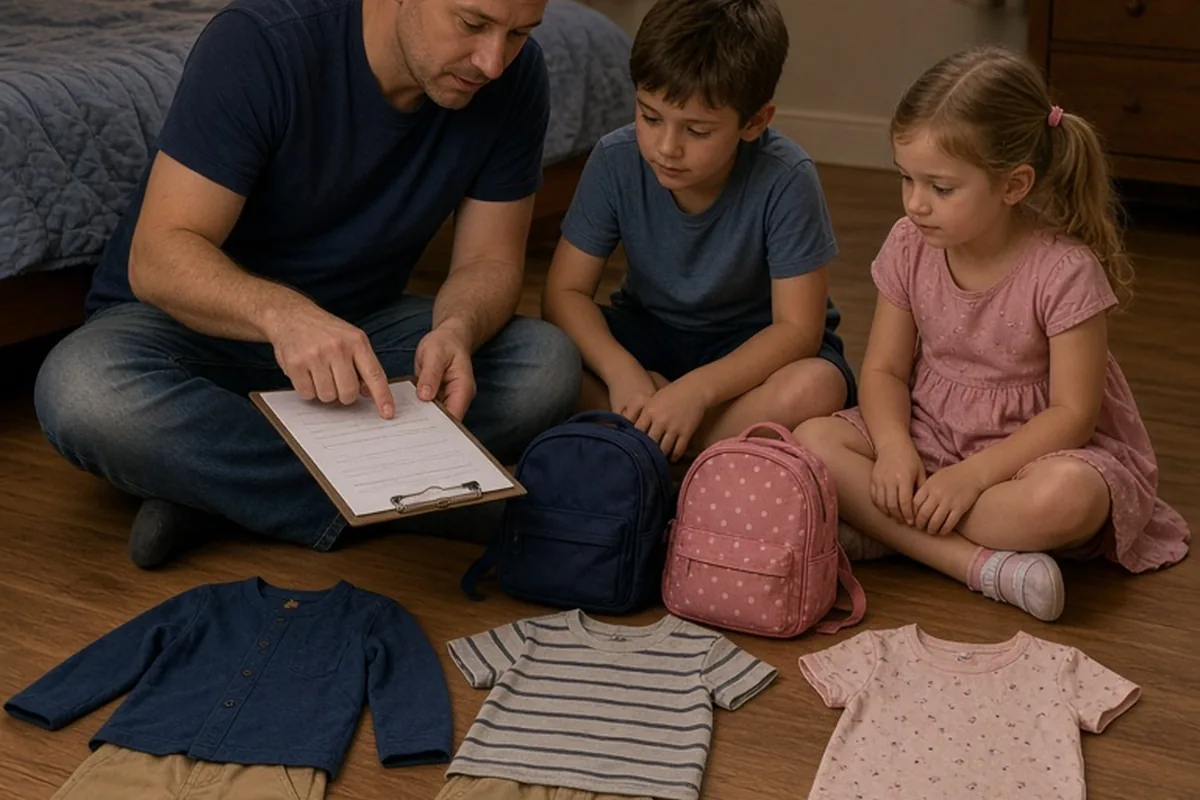
A functioning single-parent household depends less on rigid schedules and more on repeatable, reliable rhythms. When children know exactly what to anticipate from the moment they wake up to the time their bedroom lights turn off, behavioral resistance drops significantly. Mornings tend to generate the highest friction, especially when backpacks, clothing choices, and breakfast occur in a rushed sequence. You can alleviate this stress by establishing a thirty-minute preparation ritual every night before bed. Lay out outfits down to socks and shoes, pack water bottles and non-perishable lunch components, and place school bags directly next to the front door. This simple shift preserves your patience during early hours and gives your kids a predictable start to their day.
Evening routines require equal intentionality, primarily because both you and your children are tired by dinner. Instead of leaving homework, screen time, and chores unstructured, group tasks into straightforward blocks. Establish a rule that high-stimulation activities, such as video games and tablets, conclude at least one hour before lights out to allow central nervous systems to settle. Use the wind-down window for lower-intensity connection: reading a chapter of a book together, chatting about a high and low point from school, or simply listening to how their day felt. These steady anchor points give children an intuitive sense of security, particularly during periods of family restructuring when other parts of their lives might feel uncertain.
Navigating Big Emotions and Behavioral Shifts Without Power Struggles
Children in single-parent homes often process stress, grief, or lifestyle changes through behavioral outbursts rather than articulate conversations. A sudden tantrum over an unbroken granola bar or intense resistance to cleaning up toys is rarely about the physical object; it is almost always a bid for control or an expression of underlying frustration. When your instinct as a father is to enforce compliance immediately through stern authority, step back and evaluate the underlying emotional state. Acknowledging their feeling out loud before issuing a directive de-escalates tension without compromising your house rules.
You can maintain clear household standards while remaining compassionate by separating the emotion from the behavior. For example, tell your child that it is completely acceptable to feel angry or sad about leaving the park, but it is not acceptable to kick or throw belongings. Provide a short pause for them to self-regulate before asking them to follow through with the original expectation. If you notice persistent behavioral changes lasting several weeks, such as sudden school refusal, bedwetting past early childhood, or withdrawal from activities they usually enjoy, consider consulting a pediatrician or child counselor. Distinguishing between ordinary boundary-testing and genuine distress ensures you respond with the right level of support.
Managing Co-Parenting Communication to Minimize Household Conflict
If you share custody with your children's other parent, the tone and structure of your communication directly affect your children's emotional well-being. Conflict between parents is one of the most reliable predictors of behavioral issues and stress in children, regardless of physical custody arrangements. To safeguard your kids, treat co-parenting as a professional partnership centered entirely on the welfare of the children. Keep all correspondence brief, informative, friendly, and firm. Stick strictly to operational matters such as healthcare appointments, school project deadlines, and pickup times, while refusing to engage in emotional debates or rehash past relationship disagreements.
Written communication through dedicated co-parenting applications or shared email threads often works far better than spontaneous phone calls or heated text exchanges. Written platforms provide a clear record of agreements, shared calendar events, and expense tracking, which prevents common misunderstandings before they start. When scheduling disputes or unexpected delays occur, focus entirely on resolving the logistical problem rather than assigning blame. In situations where the other parent is largely absent, inconsistent, or uncooperative, your priority remains unchanged: build an emotionally stable, welcoming, and dependable environment within your own walls, rather than expending emotional energy trying to control behavior outside your home.
Building Practical Meal, Budget, and Home Logistics That Save Time
Single fathers frequently find themselves stretched thin by household domestic duties that were previously split or managed differently. The secret to managing grocery shopping, cooking, and cleaning alongside full-time work is simplification over novelty. Plan five reliable, nutrient-dense dinners that your children reliably eat, and cycle through them regularly instead of trying to invent elaborate new recipes every evening. Dedicate an hour on Sunday or a quiet weeknight to prepping proteins, chopping vegetables, and batch-cooking components that can be repurposed into wraps, bowls, or pastas within fifteen minutes on busy school nights.
Financial organization also requires disciplined boundaries, as shifting from a dual-income setup to a single-income household frequently creates tight cash-flow constraints. Track your mandatory monthly expenses—housing, utilities, food, insurance, and child care—before allocating funds toward entertainment or new gear. Involve your children in age-appropriate money decisions, such as picking between two weekend outing options that fit your designated budget, rather than masking financial realities or expressing financial anxiety around them. When you make practical domestic systems easy and transparent, you reduce daily mental fatigue, leaving more mental bandwidth available for parenting your kids.
Protecting Your Own Well-Being to Avoid Fatherhood Burnout
Many dedicated single fathers carry a silent belief that dedicating any time, energy, or money to themselves is selfish. In reality, sustained parental exhaustion leads directly to irritability, emotional withdrawal, and reduced patience with your children. Caring for yourself is an operational necessity, not an optional reward. You cannot offer calm, centered guidance to a struggling child when your own physiological and emotional reserves are completely drained. Identifying small, non-negotiable personal habits is the first step toward building genuine parental endurance.
Start by protecting basic health foundations: consistent sleep, adequate hydration, regular movement, and thirty minutes of uninterrupted personal downtime each day, even if that simply means sitting quietly with a book after the kids are in bed. In addition, cultivate an active personal support circle outside your children. Reach out to dependable friends, join community parenting groups, or reconnect with family members who can offer a sounding board. If you find yourself experiencing constant dread, chronic sleep disturbances, or intense feelings of isolation, seeking professional guidance from a licensed therapist can provide valuable tools to manage life transitions without feeling overwhelmed.
Dating and Social Life Considerations When Raising Kids Solo
Re-entering the dating world as a single dad introduces significant emotional and logistical complexities. Your time is strictly limited, and any person you welcome into your life can eventually impact your children's emotional landscape. Be upfront about your parental status from the very first interaction. Stating clearly that you are a dedicated father sets honest expectations about your availability, your priorities, and your scheduling constraints, filtering out prospective partners whose lifestyle expectations clash with family life.
Establish a conservative, thoughtful boundary regarding when new partners meet your children. A helpful standard is to wait until an adult relationship has demonstrated mutual commitment, emotional maturity, and stability over several months before arranging an introduction. Introducing children prematurely to rotating romantic partners can trigger attachment confusion and instability, particularly if they are still processing the dissolution of their parents' relationship. Keep your dating life entirely separate from your parenting routine in the beginning; arrange dates on nights when custody schedules allow, or hire a trusted sitter rather than bringing dates into your family space.
Fostering Open Communication and Independence as Your Kids Grow
As children advance from early childhood into their pre-teen and teenage years, your parenting approach must naturally evolve from direct micromanagement to supportive coaching. Older children in single-parent homes often shoulder informal emotional weight or take on excessive household responsibilities. Guard against parentification by ensuring that your adolescent children remain free to focus on their academic, social, and developmental milestones rather than serving as your primary emotional confidant or domestic surrogate.
Cultivate open channels of dialogue by actively listening without jumping immediately into corrective problem-solving mode. When your teenager vents about school drama, social anxiety, or frustration with their other parent, validate their perspective before offering opinions. Ask curious questions such as what they think the best next step is, which helps build their internal decision-making abilities. Concurrently, teach them essential practical life skills—such as doing their own laundry, managing basic personal budgeting, and cooking simple meals. Equipping them with these practical capabilities builds self-confidence while naturally distributing household operational load in a healthy, collaborative manner.
Illustrative Scenarios
Resolving Morning Chaos Through Joint Preparation
Marcus, a single father of an eight-year-old and a six-year-old, found every weekday morning collapsing into arguments over misplaced shoes, unbrushed teeth, and unfinished homework. Marcus initially assumed his children were willfully ignoring his instructions, which led him to raise his voice and start each workday stressed and guilty. Realizing the morning scramble was overwhelming for everyone, Marcus restructured their evenings into a joint fifteen-minute prep challenge. He and the kids laid out complete outfits together, packed school bags, and reviewed the morning checklist before watching a bedtime story. When mornings began, the children knew exactly where everything was and moved through the routine with minimal prompts, completely eliminating the daily shouting matches.
Key point: Proactive physical preparation and simple visual routines prevent the friction often mistaken for behavioral defiance.
Establishing Clear Co-Parenting Boundaries Around Logistics
David, sharing equal custody of his ten-year-old daughter, struggled with constant, emotionally volatile text messages from his former partner regarding schedule changes and personal criticisms. David initially reacted defensively to every message, spending hours justifying his parenting choices and arguing over text, which left him distracted and irritable during his custody time. Recognizing the emotional toll, David shifted to a neutral, business-like communication style. He stopped responding to accusations, answered only scheduling inquiries using brief, polite bullet points, and moved all calendar coordination to a shared family app. Within a month, the frequency of contentious messages dropped, and David was able to keep his home attention focused entirely on his daughter.
Key point: Refusing to engage with emotional provocation and sticking to strictly logistical replies protects your peace and your parenting focus.
Frequently asked questions
How do I handle explaining my child's mother's absence without causing emotional distress?
Offer honest, age-appropriate explanations without assigning personal blame, demonizing the other parent, or sharing adult legal details. Reassure your child that the parent's absence or limited involvement is entirely an adult issue and has nothing to do with anything the child did or said. Keep the conversation focused on reminding them that they are safe, deeply loved, and fully supported in your home.
What is the best way to manage school events and work schedules when you are parenting alone?
Communicate your single-parent status proactively with teachers and your employer early in the academic year to identify flexible options before emergencies arise. Use a single shared digital calendar with automated reminders for all school project deadlines, parent-teacher conferences, and extracurricular events. When work obligations unavoidably overlap with school functions, build reciprocal carpooling and childcare arrangements with other school families.
How can I tell if my child needs professional counseling after a major family transition?
Pay close attention to persistent shifts in baseline behavior that last beyond several weeks, such as sudden drops in academic performance, chronic sleep disruption, extreme clinginess, or social withdrawal. An initial consultation with your child's pediatrician or a licensed family counselor can help you determine whether your child simply needs more adjustment time or would benefit from structured therapeutic guidance.
When is it appropriate to introduce a new partner to my children?
Wait until your relationship is grounded in long-term commitment, mutual respect, and emotional stability, which typically requires several months of private adult dating. Arrange the first interaction in a neutral, relaxed, low-pressure setting, such as a casual afternoon at a park, without forcing physical affection or expectations of parental authority.
Your next step
Choose one daily stress point—whether it is morning preparation, dinner planning, or co-parent communication—and implement a written, predictable routine for that single area today.