A queerplatonic relationship (QPR) is a committed, non-romantic partnership that goes beyond conventional friendship in emotional intimacy, interdependence, or shared life planning. A QPR may be right for you if you desire deep commitment, shared domestic life, co-parenting, or long-term mutual support without requiring romantic or sexual attraction as the foundation of your bond.
Many people experience connections that do not fit neatly into traditional categories like casual acquaintance, close friend, or romantic partner. Recognizing whether a queerplatonic connection suits your personal goals can help you build deliberate, fulfilling partnerships that match your actual emotional needs.
What Defines a Queerplatonic Relationship Beyond Everyday Friendship
A queerplatonic relationship, often called a QPR, is an explicitly negotiated partnership that centers emotional depth, loyalty, and practical life integration outside the conventional script of romance. While conventional friendships are often treated by society as secondary to marriage or dating, partners in a queerplatonic bond—sometimes referred to as zucchini or queerplatonic partners—frequently structure their lives around one another. This dynamic does not rely on romantic passion or sexual exclusivity, though partners can choose what forms of physical affection, cohabitation, or shared responsibility feel natural to them.
The core distinction lies in intentionality and priority. In an everyday friendship, plans often flex around romantic partners or family obligations by default. In a queerplatonic partnership, individuals deliberately place each other at the center of long-term choices, such as selecting where to live, managing emergency care, making financial agreements, or raising children together. The relationship is custom-built, allowing participants to keep the intimacy of a primary partnership without conforming to standard romantic expectations.
Observable Signs That a Queerplatonic Partnership Fits Your Life
You might find a queerplatonic partnership deeply appealing if you consistently wish your closest friendships carried the stability and social recognition typically reserved for marriage. If you catch yourself wanting to make ten-year plans, buy a home, or build daily domestic routines with someone while having no desire to date them romantically, a QPR offers a functional framework. This is common among aromantic or asexual individuals, but people of any sexual orientation or romantic orientation can and do choose queerplatonic bonds.
Another clear indicator is feeling constrained by the binary choice between 'just friends' and 'romantic partners.' If casual hanging out feels too distant for the depth of loyalty you want to offer, yet traditional dating activities like candlelit dinners, romantic declarations, or sexual expectations feel misaligned or suffocating, a queerplatonic arrangement lets you choose emotional devotion on your own terms. You prioritize mutual reliability, emotional vulnerability, and dedicated companionship without forcing romantic performance.
Comparing Queerplatonic Bonds to Romantic Dating and Best Friends
Understanding how a QPR differs from adjacent relationship types helps clarify what you are actually looking for. A best friendship often shares high emotional trust and frequent communication, but friends rarely sign leases together as primary partners, designate each other as healthcare proxies, or expect joint retirement planning. When life changes occur—such as a career move or marriage—friendships often shift to the periphery. A queerplatonic partnership resists this demotion by establishing mutual accountability as primary stakeholders in each other's futures.
Compared to romantic dating, a queerplatonic bond removes the assumption that emotional closeness must be accompanied by romantic infatuation, dating rituals, or sexual attraction. Romantic dynamics frequently carry culturally prescribed milestones like dating, engagement, and wedding rituals. In contrast, queerplatonic partners design their own milestones. You might celebrate the anniversary of moving into a shared home, establish shared emergency funds, or create personalized rituals that honor your companionship without adopting the traditional romantic narrative.
Navigating Shared Living, Finances, and Long-Term Commitments
Because legal and institutional systems primarily recognize marriage and blood relation, queerplatonic partners who wish to build a shared household must approach practical commitments with deliberate care. Sharing a home, managing joint utility accounts, or purchasing property requires frank conversations about individual credit, long-term career mobility, and personal space. Without a legal marriage certificate, partners need to explore legal tools such as joint tenancy agreements, powers of attorney, and healthcare directives to ensure they have hospital visitation rights and decision-making authority during emergencies.
Financial transparency is essential when structuring life around a non-traditional partnership. Partners should discuss whether they intend to pool resources for living expenses or keep completely independent finances while splitting shared bills. Setting clear agreements about how to handle sudden income changes, housing upgrades, or the potential end of the living arrangement protects both individuals. Establishing these logistical agreements early provides the practical security that makes deep emotional interdependence sustainable over years or decades.
Scripts and Step-by-Step Approaches for Proposing a Queerplatonic Bond
Initiating a conversation about forming a queerplatonic relationship requires clarity, low pressure, and a willingness to define terms together. Because the term itself may be unfamiliar to someone outside aromantic or queer communities, opening with concrete desires rather than technical jargon is often the most effective path. You can explain how much you value their presence in your life and share the specific types of mutual support, commitment, or co-planning you would like to explore together.
You might say: 'I value our connection deeply, and I have realized that I want to build long-term stability with a companion in a way that is committed but not romantic. I would love to talk about what prioritizing each other might look like for us, without any pressure to change how we currently interact if that does not appeal to you.' If they are receptive, follow up by discussing specific areas of interest, such as how often you spend time together, what emotional support looks like, whether you plan to live together, and how you will handle external dating or other significant relationships.
Managing Dating, Outside Romantic Partners, and Personal Boundaries
A queerplatonic partnership does not automatically preclude either partner from pursuing romantic or sexual relationships with other people, unless you explicitly agree on emotional or social exclusivity. When one or both partners choose to date externally, clear communication prevents misunderstandings. Partners need to discuss how much time is reserved for the queerplatonic bond, how introductions to new dating partners are handled, and how decisions affecting the household will be made if one person's romantic relationship becomes serious.
Jealousy and insecurity can still arise in queerplatonic dynamics, just as they do in friendships and romantic partnerships. If your partner starts spending substantial time with a romantic interest, you might fear being displaced or deprioritized. Addressing these feelings requires focusing on your established agreements: checking whether commitments are being maintained, reaffirming the unique value of your bond, and renegotiating schedules collaboratively rather than attempting to control each other's personal autonomy.
When a Queerplatonic Arrangement Is Unlikely to Meet Your Needs
A queerplatonic dynamic is rarely a healthy substitute for unrequited romantic feelings. If you are deeply in love with someone who does not share your romantic attraction, accepting a QPR in the secret hope that they will eventually develop romantic feelings will likely lead to prolonged heartbreak and resentment. A queerplatonic bond works only when both participants genuinely value the relationship for what it is, rather than viewing it as a stepping stone or a consolation prize.
Additionally, a QPR may not suit you if you require standard social scripts and pre-made expectations to feel secure. Because society does not offer an off-the-shelf blueprint for queerplatonic partnerships, every boundary, commitment level, and future milestone must be explicitly communicated and mutually negotiated. If direct communication, ongoing boundary adjustments, and resisting conventional societal norms feel exhausting rather than liberating, a more traditional relational structure might offer greater comfort and ease.
Illustrative Scenarios
Transitioning from Roommates to Intentional Partners
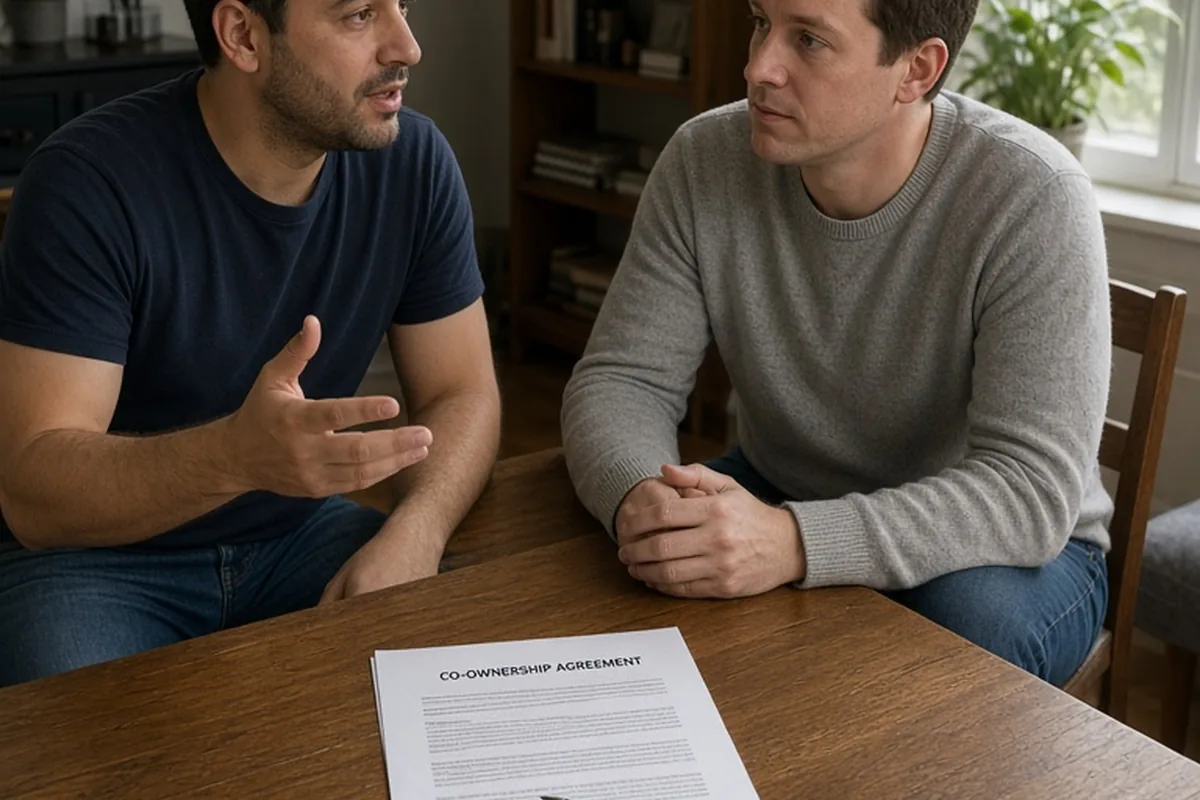
Taylor and Morgan had lived together as close friends for four years, sharing cooking, pet care, and family holiday visits. When Morgan received an out-of-state job offer, Taylor felt intense anxiety, assuming friends naturally separate when career changes occur. Instead of silently stepping aside, Taylor initiated a conversation about how much their daily partnership meant. Morgan shared that they also viewed Taylor as their primary life anchor. They agreed to decline the relocation, officially define their relationship as queerplatonic, and draft a formal co-ownership agreement for an apartment.
Key point: Naming your shared commitment allows you to make major life choices together instead of letting conventional friendship assumptions dictate separation.
Balancing Outside Dating with a Primary Companionship
Jordan and Sam established a queerplatonic partnership focused on co-housing and emotional support while remaining open to outside dating. When Jordan began dating a new partner and started canceling weekly dinner nights, Sam worried their primary bond was dissolving. Rather than issuing an ultimatum or withdrawing, Sam referenced their original agreement regarding dedicated quality time. Jordan realized they had drifted into standard dating patterns without thinking. They recommitted to their dedicated weekly evening and established clear guidelines for introducing outside partners to their shared home.
Key point: Directly referencing agreed-upon commitments helps partners realign their actions without treating outside dating as an inherent threat to the bond.
Frequently asked questions
Can people who are not aromantic or asexual be in a queerplatonic relationship?
Yes. While the concept originated within aromantic and asexual communities, anyone regardless of sexual or romantic orientation can enter a queerplatonic relationship. Many allosexual and alloromantic individuals choose QPRs because they want a committed life partnership that is built on deep platonic devotion rather than romantic or sexual entanglement.
Does a queerplatonic relationship involve physical affection or intimacy?
Physical affection depends entirely on what the two individuals agree upon. Some queerplatonic partners cuddle, hold hands, kiss, or co-sleep, while others prefer little to no physical contact. Physical intimacy in a QPR is custom-defined by mutual comfort rather than dictated by social rules.
How do you explain a queerplatonic partner to family or colleagues?
You can describe your partner using whatever language feels comfortable for your level of privacy. Simple phrasing like 'my life partner,' 'my co-parent,' or 'my primary companion' communicates their importance clearly to people who may not understand the specific term queerplatonic.
Can a queerplatonic relationship be legally recognized?
While the specific term is not a legal status, partners can access many legal protections through civil partnerships, adult adoptions in certain jurisdictions, or standard legal contracts. Setting up medical powers of attorney, wills, and joint property agreements can secure mutual legal rights.
Your next step
Take twenty minutes to write down the core practical commitments, daily routines, and emotional support you want from a primary partner, and identify which elements require romance and which do not.