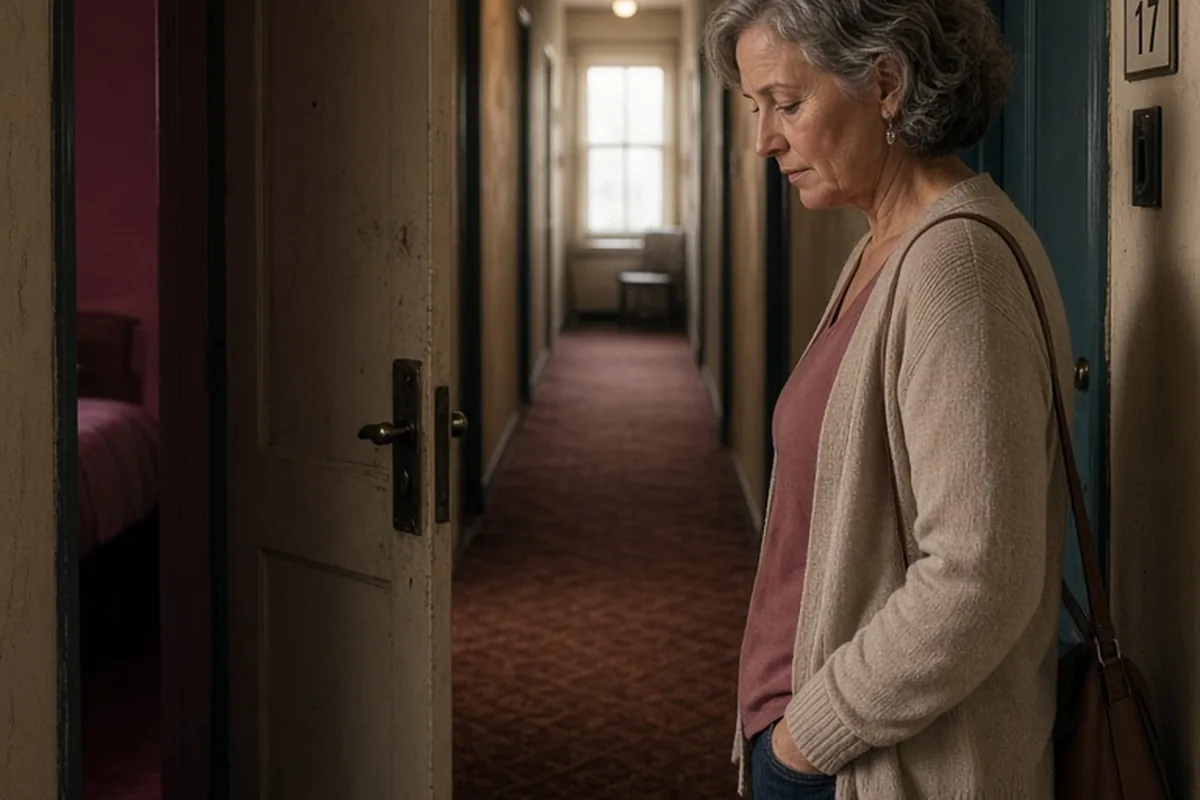
Rebuilding your life after widowhood begins by honoring your grief while gradually establishing new daily routines, reconnecting with trusted personal networks, and separating your identity from couplehood. Focus on stabilizing emotional health, managing practical household responsibilities at your own pace, and slowly reintroducing personal interests. Over time, you can redefine meaningful goals and explore new forms of companionship whenever you feel genuinely ready.
The loss of a life partner alters every dimension of daily existence, from the rhythm of quiet mornings to long-term plans for retirement and aging. In the wake of such profound loss, the familiar world can feel unmoored, leaving you to navigate a sudden silence alongside administrative burdens and emotional fatigue. Rebuilding does not mean forgetting the past or rushing toward complete transformation; rather, it is a deliberate, step-by-step process of reconstructing a meaningful individual life from the foundation up.
Navigating Grief and Establishing Grounding Daily Anchors
In the early months following the loss of a spouse, cognitive fatigue, often referred to as grief fog, can make basic decision-making exhausting. The sudden disappearance of shared habits disrupts sleep cycles, appetite, and emotional stamina. Attempting to force optimism or map out the next decade during this vulnerable phase often leads to overwhelm. A healthier approach centers on stabilizing the immediate present by establishing predictable, low-pressure daily anchors that restore a sense of safety and bodily regulation.
Begin by designing small, repeatable habits that provide structure without imposing rigid performance standards. This might mean waking at a consistent time, committing to a twenty-minute outdoor walk each morning, or keeping a pitcher of water and a nourishing breakfast ready. For example, rather than facing an empty kitchen with dread, you might create an intentional morning ritual of brewing herbal tea, sitting in natural light, and writing three factual observations in a private journal. These anchors ground the nervous system when emotions fluctuate wildly.
The trade-off with daily routines is balancing comfort against social isolation. While a quiet domestic schedule protects fragile energy, sticking too rigidly to solitary habits can gradually transform healthy rest into prolonged withdrawal. If sticking to your routine causes anxiety when plans shift, soften your rules. Treat daily anchors as gentle guardrails designed to support you, not strict metrics you must achieve every day.
Managing Financial and Household Realities Systematically
Widowhood inevitably forces a confrontation with logistical tasks that were previously shared or entirely handled by a partner. Sorting through estate paperwork, retitling bank accounts, managing tax filings, and learning routine home maintenance can provoke intense stress, especially when paired with bereavement. The pressure from well-meaning friends or family to make sweeping changes immediately, such as selling the family home or liquidating assets, often amplifies this anxiety.
A practical rule of thumb is to pause all non-essential, irreversible financial and lifestyle choices for at least six to twelve months. Focus exclusively on urgent legal deadlines, such as claiming survivor benefits, updating insurance beneficiaries, and reviewing recurring household bills. To prevent administrative burnout, allocate specific, limited blocks of time to paperwork, such as forty-five minutes every Tuesday morning, and close the ledger as soon as the timer ends.
When handling unfamiliar household tasks, build an external support team rather than struggling alone. For instance, hire a certified fee-only financial planner to audit assets objectively or call a licensed tradesperson to explain the home heating and water systems. Relying on professional guidance protects your financial security and relieves you from having to master every mechanical or legal skill overnight.
Rediscovering Personal Identity Beyond Couplehood
Decades of marriage or partnership naturally fuse habits, preferences, and social personas into a unified entity. When your partner passes away, you are suddenly faced with questions of who you are as an autonomous individual. Many widowed people report an unsettling sensation of feeling like half a person or experiencing guilt when enjoying an activity their partner disliked. Rediscovering autonomy requires acknowledging that cultivating personal vitality honors life without betraying your shared history.
Begin reclaiming your identity by exploring dormant interests or small curiosities that belonged exclusively to you before your relationship. This could involve painting, revisiting classic literature, hiking different trails, or adopting a pet. For example, a surviving partner who spent years compromising on meal choices might take an introductory culinary class centered on flavors they love. Small exercises in self-determination reawaken a sense of personal agency and joy.
The primary challenge in this phase is untangling healthy growth from unresolved survivor guilt. It is normal to feel a sudden pang of sadness when laughing heartily or pursuing a new creative project. Remind yourself that self-actualization is not an act of erasure. You can simultaneously carry deep love for your late partner and construct a vibrant, curious life that belongs entirely to your present self.
Adjusting to Evolving Friendships and Social Circles
Social landscapes frequently shift after the death of a spouse, occasionally in disorienting ways. Friendships built primarily around couple-based activities may feel strained or slowly fade as peers struggle to integrate a single person into couple-centric dinners and vacations. Additionally, some acquaintances withdraw simply because they do not know what to say, leaving you feeling unexpectedly isolated from your former community.
Navigating this dynamic requires both clear boundary setting and proactive social expansion. Give yourself permission to decline gatherings that feel draining or emotionally performative, while communicating transparently with close friends about how they can support you. Instead of waiting for invitations, suggest low-key, one-on-one activities, such as a mid-morning coffee or a visit to a botanical garden, where sincere conversation can occur naturally without the pressure of a large group setting.
Simultaneously, seek out communities where your current reality does not require explanation. Joining local walking clubs, volunteering for community causes, or attending peer-led bereavement workshops allows you to forge fresh connections built on mutual interests rather than shared couple histories. Cultivating new friendships does not mean abandoning old allies, but it provides a diverse social safety net tailored to this chapter of life.
Approaching Romance and Dating Over Fifty on Your Terms
For many widows and widowers over fifty, the prospect of future romantic companionship stirs up conflicting emotions, ranging from excitement to profound ambivalence. Loneliness can be acute, yet the thought of dating can feel like marital infidelity. There is no universal calendar that dictates readiness; wanting emotional closeness, physical intimacy, or intellectual partnership is a natural human inclination that emerges at different times for different individuals.
If you choose to explore dating, approach it with clear personal boundaries and explicit expectations. Clarify whether you are seeking casual companionship, travel partnership, or a committed romance. When meeting prospective partners, resist the instinct to find an exact replica of your deceased spouse. A healthy new bond requires appreciating someone for their unique personality, rather than measuring them against an idealized memory. Communicate openly about your history while making space for the other person to be seen clearly.
Be prepared for complex reactions from adult children and extended family, who may struggle with their own feelings of loyalty toward the deceased parent. Maintain compassionate firmness by reminding family members that your pursuit of companionship does not diminish your past love. Furthermore, maintain strict practical safeguards: protect your financial assets with legal counsel and pace emotional disclosure carefully until mutual trust is thoroughly earned.
Creating Meaningful Rituals and Forward-Facing Purpose
Milestones such as anniversaries, birthdays, and major holidays often trigger sharp waves of grief, even years into widowhood. Dreading these dates can cause anticipatory anxiety that paralyzes regular life for weeks in advance. Rather than attempting to bypass these occasions or enduring them in silent distress, proactively design intentional commemorative rituals that acknowledge the day with dignity while carving out space for personal renewal.
For instance, you might spend the morning visiting a favorite park or planting a perennial shrub in your partner's memory, followed by an evening shared with a close friend over a quiet dinner. Structuring the day eliminates the fear of the unknown and provides a defined container for remembrance. As time progresses, complement commemorative acts with forward-looking traditions, such as an annual solo weekend retreat or dedicating a season to mentoring others.
Sustained purpose is rarely discovered all at once; it is assembled through consistent, thoughtful engagement with the world around you. By contributing your time, wisdom, and life experience to community efforts, you establish a living legacy of resilience. Embracing purpose reaffirms that while your shared chapter has closed, your personal story continues to hold genuine meaning, contribution, and hope.
Frequently asked questions
How long does it usually take to feel normal after losing a spouse?
Grief does not follow a fixed schedule, and the goal is rarely a return to your former baseline, but rather developing a new sense of stability over time. Most people find that the acute, disorienting fog begins to ease after the first year as seasonal milestones pass, though waves of sadness can still emerge unpredictably. Focus on gradual emotional recovery and functional milestones rather than measuring your progress against an arbitrary calendar.
How can I overcome the guilt of enjoying life or dating again?
Guilt often arises from the mistaken assumption that feeling happiness diminishes the love you held for your deceased partner. Acknowledge these emotions without judgment, reminding yourself that pursuing joy, companionship, or personal interests is a testament to resilience, not betrayal. Speaking with a licensed counselor or a peer support group can help you reframe personal happiness as a healthy continuation of life.
Should I sell my house immediately to start fresh after widowhood?
Financial and psychological experts generally advise delaying major, irreversible decisions like selling real estate for six to twelve months unless immediate financial necessity forces the sale. Making hasty moves while in deep grief can lead to regret or unnecessary relocation stress. Take time to assess your true maintenance capacity, budget, and emotional attachment before making a permanent housing change.
What is the best way to handle well-meaning friends who say hurtful things?
Many people make awkward or dismissive comments because they feel uncomfortable with mortality and do not know how to express authentic empathy. Respond with brief, neutral boundaries, such as stating that everyone grieves differently or that you prefer not to discuss certain topics today. Prioritize spending time with friends who listen without trying to rush your healing or offer simplistic platitudes.
Your next step
Choose one small, practical anchor to implement tomorrow morning—such as taking a quiet walk or organizing a single household folder—and treat yourself with patience as you take that next step forward.