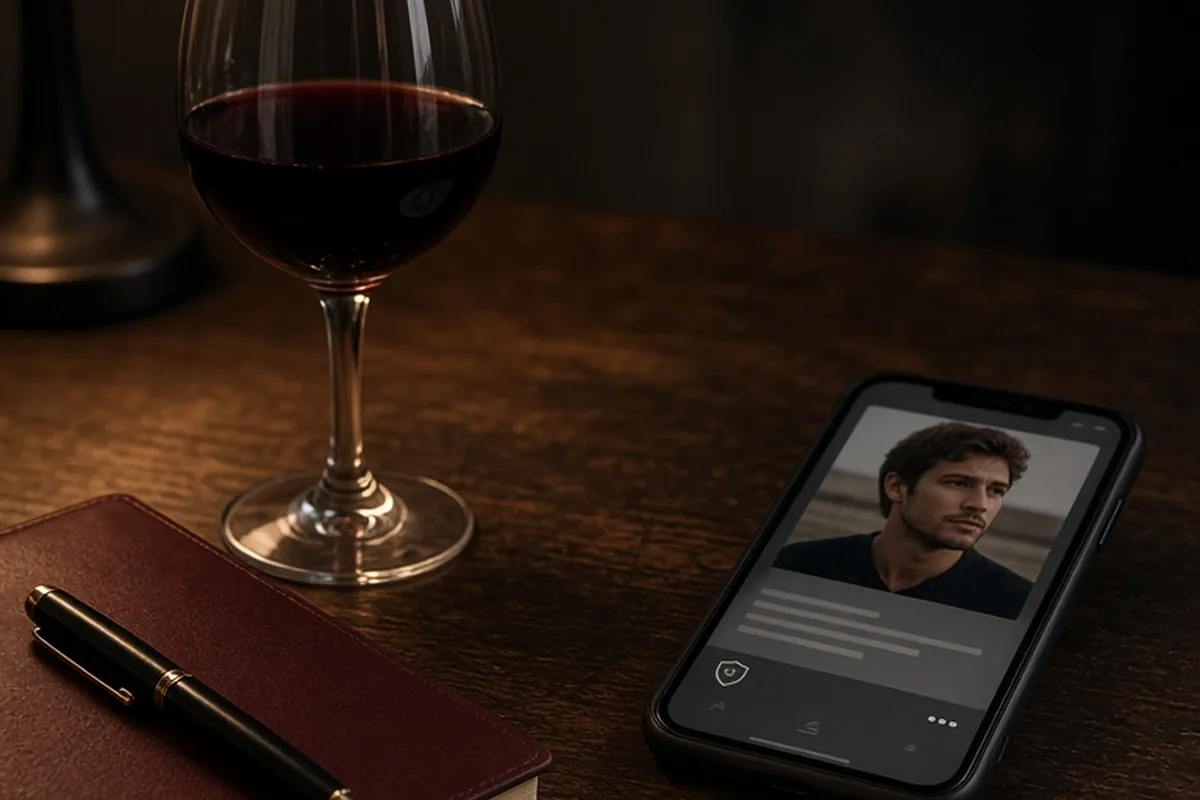
To report a fake profile on a dating app, open the account's profile or active chat, tap the three dots or shield icon, and select the report option. Choose the category that best matches the behavior, such as scam, impersonation, or fake account, and add any specific details requested. Submit the report, then block the user immediately to secure your account and cut off communication.
Dating apps offer unmatched convenience for meeting new people, but encountering fabricated personas, automated bots, and financial scammers is an unfortunate reality of digital romance. Knowing how to quickly identify, flag, and disconnect from fraudulent accounts preserves your time, emotional energy, and personal security.
Recognizing the Common Warning Signs of a Fake Profile
Before you can report an illegitimate account, you need to recognize the behavioral patterns and profile anomalies that distinguish bad actors from genuine daters. Inauthentic profiles frequently rely on ultra-polished, studio-quality modeling photos that look lifted directly from an editorial catalog, often with no candid, casual, or local snapshots included. Their written biographies are typically either completely blank, filled with vague inspirational aphorisms, or oddly disconnected from the geographical location listed on their profile. When an account appears curated to perfection yet completely devoid of everyday human texture, approaching with caution is a sensible first step.
Communication habits often reveal deception even faster than profile pictures. Fabricated accounts, whether operated by organized scam networks or automated scripts, almost always attempt to escalate emotional intimacy at an unnatural pace. Within a few opening exchanges, the person may declare an overwhelming romantic interest, express sudden life complications, or insist on moving the conversation off the platform to an encrypted messaging service or personal phone number. This rush to leave the app is intentional; it protects the bad actor from automated moderation filters and isolates you from platform-level protections.
- Inconsistencies between their stated occupation, location, and the details they share in casual conversation.
- Refusal to participate in a brief video call, exchange dynamic real-time photos, or meet in a standard public venue.
- Urgent requests to transition communication to external platforms like WhatsApp, Telegram, or private email.
- Any mention of financial opportunities, cryptocurrency investments, sudden medical emergencies, or travel dilemmas requiring cash.
How to Use Native In-App Reporting Tools Effectively
Every major dating platform provides a structured mechanism for flagging suspicious behavior directly from the user interface. When you suspect an account is fraudulent, navigate to the three-dot menu, safety shield, or settings icon located at the top corner of their profile or inside your private message thread. Selecting the report feature will generally open a categorized menu where you can specify the nature of the violation, such as impersonation, commercial spam, suspicious solicitations, or harassment.
Providing clear, objective context helps trust and safety teams process your submission efficiently. If the interface includes an optional text box, briefly outline the specific actions that triggered your concern, such as an unprovoked pitch for an investment scheme or an explicit admission of using another person's photos. Avoid engaging in a hostile confrontation with the user prior to reporting them. Antagonizing a scammer rarely produces accountability and may prompt them to delete the conversation or report your profile out of retaliation before you have submitted your own ticket.
Securing Your Personal Information After Encountering a Scam
If you interacted with a fake account before realizing their intentions, evaluating what information you shared is an essential protective measure. In the natural flow of flirting and getting acquainted, it is easy to casually disclose personal details such as your phone number, neighborhood, employer name, or social media handles. If any of this data was exposed to a suspicious contact, you should promptly review the privacy configurations across your secondary accounts, setting them to private and restricting who can look you up via your phone number or email address.
When phone numbers have been exchanged, simply unmatching inside the dating app is insufficient. You must block the individual's number directly in your phone settings to prevent subsequent text messages, voice calls, or redirection to secondary scams. If the contact attempts to reach out using alternate numbers or messages you on professional networks like LinkedIn, document the outreach, refrain from replying, and apply immediate platform-level blocks. Maintaining firm boundaries prevents persistent operators from finding alternative angles of contact.
Distinguishing Inactive Accounts from Malicious Profiles
Not every disappointing or confusing interaction on a dating platform is the result of a coordinated fraud scheme. Daters often encounter abandoned profiles, individuals using photos taken several years prior, or people who simply demonstrate poor communication skills and sudden disinterest. While these experiences can feel frustrating and misleading, they stem from different motivations than fraudulent accounts designed to extract money, harvest credentials, or conduct identity theft.
A useful distinction lies in intent and behavior. Someone who is hesitant to meet due to social anxiety or someone whose current appearance differs modestly from their profile pictures is navigating personal dating challenges, even if handled inconsiderately. In contrast, an account that directs you toward external links, solicits financial aid, or utilizes stolen identities from public figures represents a structural platform violation. Reserving reports for genuine security breaches, harassment, and fraud ensures platform moderation teams can focus on stopping malicious actors.
Managing Dating Fatigue and Rebuilding Trust
Discovering that a promising connection was built on fabrication frequently triggers feelings of embarrassment, annoyance, or self-doubt. It is completely normal to feel frustrated after investing time and emotional energy into a dialogue that turned out to be an organized grift or an automated bot. However, falling for a convincing digital facade is not a reflection of your intelligence or judgment; modern deceptive operations are intentionally designed to exploit natural human desires for romance, companionship, and genuine connection.
To protect your emotional well-being, establish clear personal milestones before investing significant emotional weight in any new match. Adopting a standard practice of conducting a five-minute casual video check-in or scheduling an early public meetup within a week or two of matching eliminates prolonged ambiguity. If the other person consistently evades low-stakes verification while continuing to offer grand romantic promises, step back immediately. Setting proactive boundaries protects your peace of mind and keeps your dating experience centered on real, verifiable people.
When and How to Escalate Beyond the Dating Platform
While standard in-app reporting removes individual accounts from circulation, certain severe situations warrant formal escalation to external authorities. If you have transferred funds, shared sensitive financial identifiers, or become the target of explicit extortion threats involving private images, the issue exceeds the operational scope of app moderation teams. In these cases, gathering unedited records of all communications, transaction receipts, usernames, and payment handles becomes critical.
In the United States, significant digital fraud and extortion attempts can be filed directly with the Internet Crime Complaint Center (IC3) managed by the FBI, as well as the Federal Trade Commission (FTC). Additionally, if monetary theft has taken place, contacting your banking institutions immediately may help freeze transactions or protect your accounts from unauthorized future drafts. Taking formal, documented administrative action empowers you to regain control and assists broader efforts to curb organized digital extortion.
Illustrative Scenarios
Handling the Sudden Request for an Off-App Move
Mark matched with an attractive profile on a mainstream dating app. Within an hour of friendly banter, the match claimed her app subscription was expiring and urgently asked to continue chatting on an unverified messaging app. Mark felt a slight pressure to comply so he wouldn't lose the connection, but he paused to consider why someone would rush off the platform so abruptly. Instead of sharing his personal number, he politely offered to stay on the app until they had a chance to meet for coffee. The match immediately sent a generic copy-pasted response urging him again to message her private account. Recognizing the automated deflection, Mark used the app's menu to report the account for commercial spam and blocked the profile.
Key point: Refusing to be rushed off-platform exposes automated or dishonest accounts quickly and keeps your personal contact information secure.
Navigating Discrepancies and Boundary Setting
Elena was texting a match who claimed to be a local architect working temporarily on an overseas project. After two weeks of affectionate messages, the match claimed his company bank accounts were temporarily frozen and asked Elena if she could advance him a small sum for project permits. Elena felt an initial urge to defend the emotional bond they had built, but she recognized the request as a classic romance fraud script. Rather than arguing or trying to investigate further, Elena took screenshots of the conversation, submitted an impersonation and fraud report directly through the app interface, and blocked his contact across all channels.
Key point: Financial requests in online dating are an immediate disqualifier that should be reported without debate or second chances.
Frequently asked questions
Will a user know that I was the one who reported their profile?
No, major dating applications keep user reports completely anonymous to protect your safety and prevent retaliation. The reported account will only receive a notification if their account is restricted or banned, without any indication of who submitted the ticket.
Should I collect screenshots before I report and block a fake account?
Taking a quick screenshot of incriminating messages or profile details is a practical habit, especially if harassment or financial solicitation occurred. This documentation remains useful if the app's support team requests follow-up evidence or if you need to file an external report.
What happens after I submit a report to a dating app?
Platform moderation systems and trust teams review the flagged account alongside historical behavior data and other user reports. Depending on the severity and evidence, the platform may require identity verification, hide the profile, or permanently ban the user and their associated hardware identifiers.
Can I get my money back if I sent funds to a fake profile?
Recovering funds sent to digital scammers is difficult, but not always impossible depending on the payment method used. You should contact your bank, credit card provider, or payment processor immediately to dispute the charge and file an official complaint with the FTC or IC3.
Your next step
Take a moment today to review your current dating matches, report any profiles that demonstrate suspicious or solicitous behavior, and establish a firm rule to keep all conversations on-platform until you have verified each person through a quick video call or a public meeting.