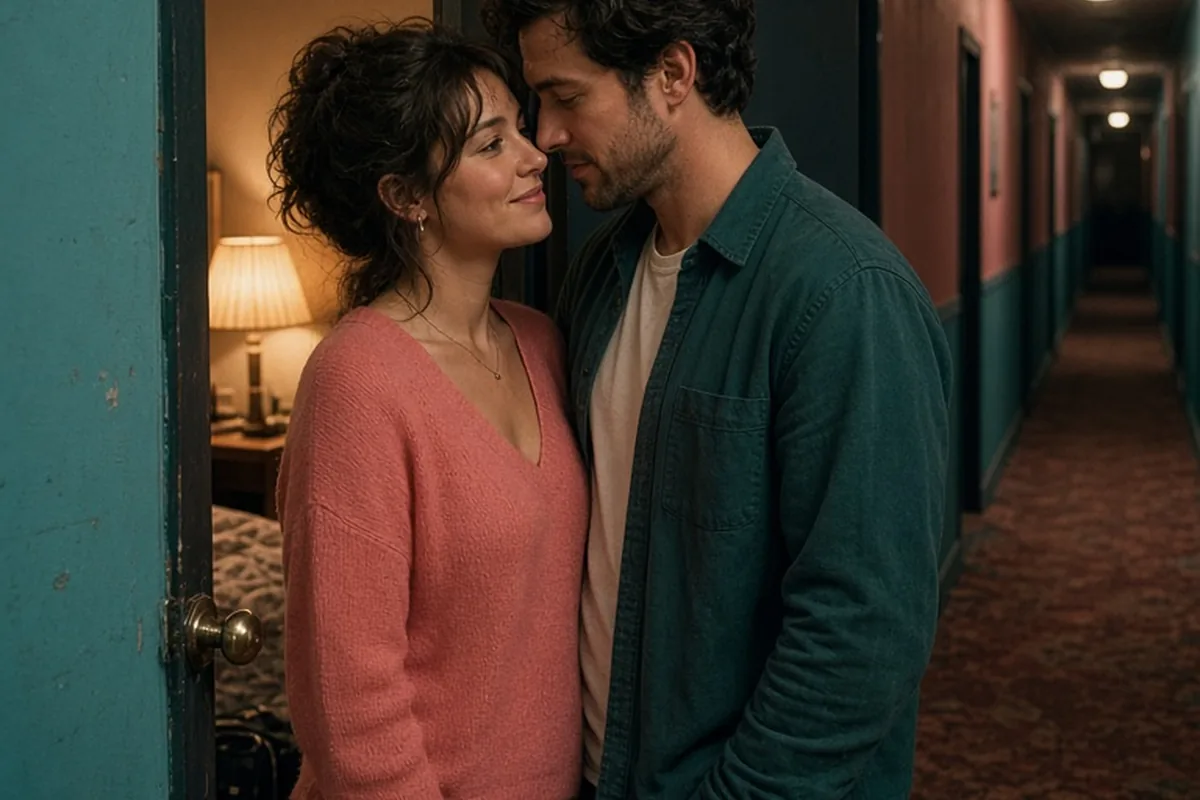
In modern dating, a representative image source refers to where visual media originates, whether from authentic personal candid photography, curated professional shoots, or misleading external platforms. Using genuine, recent photos establishes mutual trust before meeting in person, while relying on over-filtered, outdated, or third-party stock imagery undermines credibility and often leads to disappointment on first dates.
Visual presentation forms the initial baseline of digital matchmaking, but the origin and honesty of those images determine whether early connections translate into meaningful relationships.
Understanding Representative Image Sources in Digital Romance
Digital matchmaking relies heavily on visual storytelling, making the source and nature of profile pictures fundamental to how prospective partners perceive one another. When someone looks at a dating profile, they are not merely assessing physical appearance; they are scanning for contextual cues about lifestyle, personality, emotional openness, and personal security. A representative image source can range from an everyday spontaneous photo captured by a close friend to an elaborately staged professional portrait or, in troubling cases, an altered or borrowed picture from an unrelated online portfolio.
The distinction between these image origins matters because it sets behavioral expectations before a single word of conversation is spoken. When a profile uses genuine, unmanipulated photos taken in natural environments, prospective dates perceive higher transparency and emotional reliability. Conversely, heavy aesthetic staging or unverified external imagery often creates an artificial standard that neither person can realistically sustain during an actual encounter, creating unnecessary anxiety before the first date even begins.
Why Image Authenticity Influences First Date Outcomes
The psychological gap between digital presentation and real-world presence is one of the primary reasons initial meetings feel awkward or discouraging. When an individual arrives at a venue expecting someone who matches an aggressively polished or outdated visual portfolio, their brain spends the first fifteen minutes reconciling the discrepancy rather than engaging in natural conversation. This visual dissonance triggers an unconscious breach of trust, shifting the dynamic from genuine curiosity to quiet skepticism.
For example, consider an arrangement where someone relies exclusively on tightly cropped, decade-old holiday snapshots or studio headshots taken under dramatic lighting. While these pictures might capture flattering angles, they fail to represent how that individual moves, dresses, and looks in everyday social settings. When two people meet with grounded visual expectations, conversation flows around shared values and mutual chemistry rather than unspoken assessments of whether their online presence was honest.
Gender Perspectives and Visual Expectations in Courtship
Visual evaluation in modern dating does not occur in a vacuum; social conditioning heavily influences how men and women construct and interpret image sources. Women frequently face societal pressure to present effortless physical appeal while simultaneously navigating significant safety concerns, often using visual context to screen for potential red flags. A woman reviewing a man's profile may look past aesthetic polish to examine background environments, social interactions, and body language to ensure the person appears grounded, respectful, and genuine.
Men, meanwhile, often report feeling pressured by visual algorithms that favor hyper-curated aesthetics, which can tempt them to use studio lighting, borrowed luxury backdrops, or exaggerated athletic shots to gain visibility. Recognizing these distinct social pressures allows both partners to step back from unrealistic standards. Grounded dating involves rejecting performative gender tropes and choosing imagery that honors personal boundaries, comfort, and real-world individuality.
How to Identify Inauthentic and Borrowed Profile Imagery
Developing a discerning eye for profile image sources protects your emotional energy and personal safety when browsing digital platforms. Inauthentic visual sources often carry telltale markers that distinguish them from real personal libraries. Being aware of these patterns allows you to focus your attention on people who are genuinely available and honest about their lives.
Look for specific inconsistencies in the visual material across an entire dating profile to determine whether the images come from a single authentic source or disparate online collections.
- Unnatural consistency in studio lighting, commercial watermarks, or stock-photo backgrounds across every upload.
- Sudden fluctuations in apparent age, facial structure, hairline, or physique between pictures with no contextual explanation.
- Absence of candid, everyday environmental settings, such as casual dinners, outdoor activities, or pictures with friends.
- A refusal to participate in brief real-time video calls prior to meeting in person, combined with defensive responses when asked about photo recency.
Selecting Your Own Representative Image Sources for Better Matches
Building a trustworthy dating profile does not require hiring a high-fashion photographer or curating an idealized highlight reel. In fact, overly formal photos often backfire by making you appear unapproachable or disconnected from everyday life. The most effective image strategy combines clear, well-lit portraits with candid environmental snapshots that illustrate your genuine hobbies, communication style, and comfort in your own skin.
Aim to source your photos from recent experiences, ideally within the past six to twelve months. Ask a trusted friend or family member to take casual pictures while you are engaged in an activity you genuinely enjoy, such as cooking, walking in a park, or visiting a favorite neighborhood bookstore. Natural daylight, relaxed posture, and an unforced smile signal self-acceptance and emotional readiness, attracting prospective partners who value authentic connection over superficial perfection.
Balancing Digital Privacy with Visual Transparency
While presenting honest imagery is essential for healthy dating, you must also maintain sensible personal boundaries regarding privacy. Using high-resolution personal images online carries legitimate privacy considerations, especially when photographs contain identifiable location markers, workplace badges, or residential landmarks. You can remain completely authentic in your facial and bodily representation without compromising your physical safety or exposing sensitive personal details.
Review your selected image sources to ensure backgrounds are neutral and free of identifying street names, house numbers, or company logos. Cropping out recognizable school crests, private vehicles, or third-party individuals who have not consented to appear on a public matchmaking platform respects personal privacy while preserving genuine self-representation. Transparency is about accurate visual honesty, not surrendering your boundaries.
Navigating the Transition from Visual Profile to In-Person Connection
Once you and a prospective match have established mutual interest through honest profiles, the next step is transitioning smoothly into real-world communication. Relying entirely on text messaging for extended weeks can build an internal fantasy that no real human can match, regardless of how accurate their photographs are. Shortening the window between initial contact and a low-pressure in-person meeting keeps expectations grounded and manageable.
Suggesting a brief, daytime first meeting in a comfortable public space—such as a casual coffee shop or community art gallery—allows both individuals to interact without the weight of intense performance expectations. When both participants have anchored their initial impressions in authentic, representative image sources, the meeting becomes a natural extension of your digital dialogue rather than an awkward reveal, fostering mutual respect from the very start.
Frequently asked questions
How recent should profile photos be to remain representative?
Photos should ideally be taken within the last six to twelve months, particularly if you have significantly altered your hairstyle, weight, or facial hair. Using current imagery ensures your match recognizes you immediately and prevents feelings of misrepresentation.
Is it acceptable to use professional headshots on a dating profile?
Including one clean professional portrait is fine, especially if it reflects your workplace or creative personality. However, balance it with casual, candid shots to avoid looking too corporate or emotionally distant.
What should I do if a date looks completely different from their photos?
Acknowledge the situation calmly without escalating tension, and assess whether the difference stems from minor styling changes or deliberate deception. You are never obligated to stay for an extended date if you feel boundaries or basic honesty were violated.
Can subtle photo editing still count as an authentic image source?
Basic adjustments like minor color correction, straightening a crooked frame, or cropping distracting background clutter are completely acceptable. However, avoid filters that alter your facial structure, smooth away skin texture, or distort your natural proportions.
Your next step
Audit your current dating profile photos today, replacing any outdated, heavily filtered, or overly formal images with three to four natural, recent snapshots taken by friends in everyday settings.