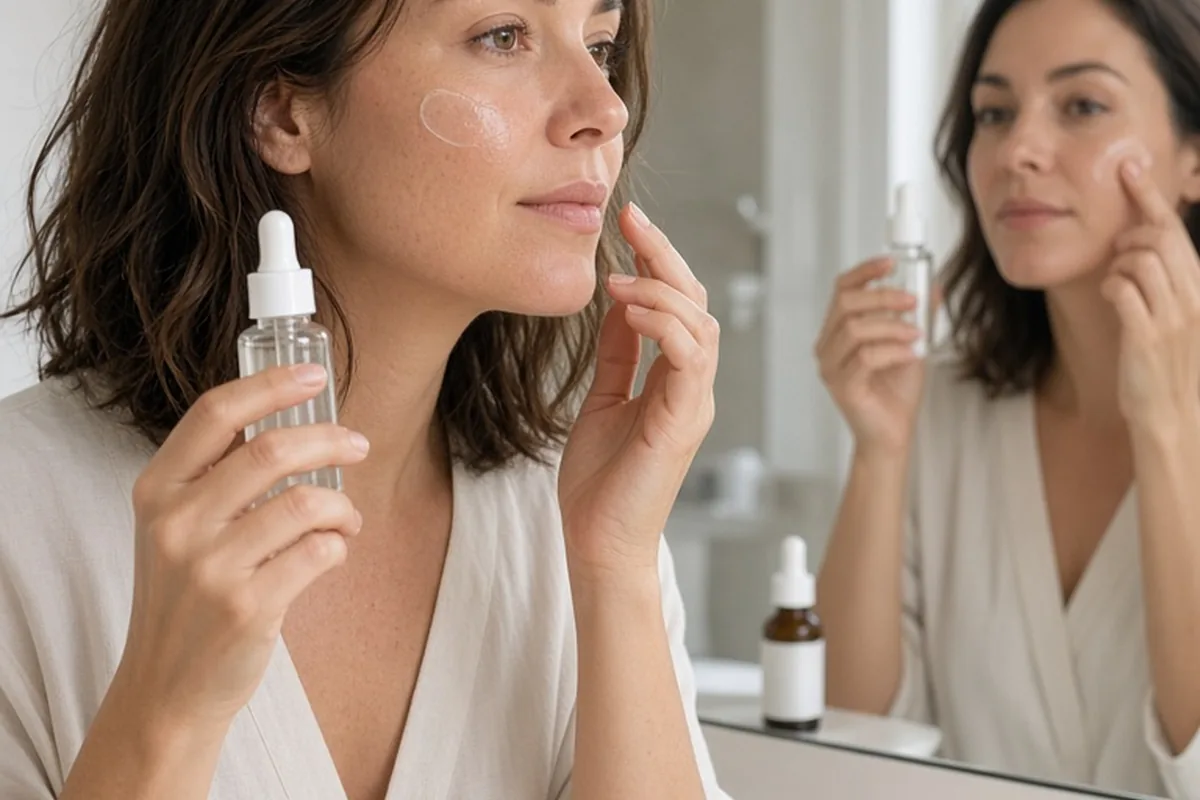
Topical retinol and other vitamin A derivatives are generally advised against during pregnancy due to potential risks of systemic absorption and developmental concerns linked to high-dose retinoids. While over-the-counter retinol absorbs in small amounts, medical providers recommend pausing all retinoid products until after delivery. If you recently used retinol before knowing you were pregnant, stop using it immediately and consult your obstetrician or dermatologist for personalized peace of mind.
Pregnancy brings significant hormonal fluctuations that often transform the skin, triggering sudden breakouts, heightened sensitivity, or patches of melasma. When familiar skin concerns flare up, reaching for a trusted nightly retinol serum is an understandable instinct, yet pregnancy requires a temporary rethink of your active skincare ingredients.
Why Retinol and Vitamin A Derivatives Are Paused During Pregnancy
Retinol belongs to the broader class of compounds known as retinoids, which are synthetic and natural derivatives of vitamin A. In clinical dermatology, oral retinoids such as isotretinoin are strictly contraindicated during pregnancy because high systemic levels of vitamin A are well-documented causes of severe congenital abnormalities. While topical over-the-counter retinol and prescription creams absorb into the bloodstream at vastly lower rates than oral medications, dermatologists and obstetricians maintain a precautionary stance. Because cosmetic benefits do not outweigh potential fetal risks, the standard medical consensus is to discontinue all forms of topical retinoids until after delivery.
The primary challenge in assessing topical safety is ethical: clinical trials involving pregnant individuals and cosmetic actives cannot be safely conducted. As a result, medical guidelines rely on the known teratogenic risks of systemic vitamin A to establish broad safety boundaries. Even though the actual amount of retinol absorbed through an intact skin barrier from a standard night cream is typically minimal, the exact threshold that could pose a risk to fetal development remains unknown. Pausing these products removes unnecessary uncertainty during a critical developmental window.
What to Do If You Applied Retinol Before Knowing You Were Pregnant
Discovering a positive pregnancy test after weeks of using a nightly retinol serum is an extremely common scenario that frequently causes acute distress. If you find yourself in this situation, the most important step is to take a breath and avoid panic. The systemic absorption of over-the-counter cosmetic retinol is very low compared to oral medications, and accidental early exposure is unlikely to have caused harm. The appropriate response is simply to set the product aside immediately and switch to a gentle, nourishing routine.
To regain peace of mind, bring the specific bottle or an ingredient list to your first prenatal appointment. Your obstetrician or midwife can review your skincare lineup, address any lingering anxiety, and help verify that your remaining daily essentials are appropriate for pregnancy. Open communication with your care team ensures you receive clear, individualized reassurance tailored to your medical history rather than relying on worst-case internet searches.
Pregnancy-Safe Alternatives for Managing Breakouts and Texture
Surging progesterone and androgen levels during the first and second trimesters can stimulate excess sebum production, leading to unexpected acne along the jawline, cheeks, and back. When retinol is off the table, azelaic acid serves as one of the most effective and widely recommended alternatives. Azelaic acid offers antimicrobial, anti-inflammatory, and mild exfoliating properties, helping to unclog pores and calm angry blemishes without systemic concerns. It is generally well tolerated even by reactive skin, making it a reliable staple throughout pregnancy.
Gentle chemical exfoliants such as low-concentration lactic acid or glycolic acid can also assist with cellular turnover when used once or twice weekly. Because pregnancy hormones can make skin more vascular and sensitive to irritation, it is best to avoid aggressive peels or high-acid percentages. Pairing a mild acid with soothing humectants ensures your skin sheds dead surface cells without compromising the protective moisture barrier.
- Azelaic acid (typically 10% over-the-counter or up to 15% via prescription) to address inflammatory blemishes and redness.
- Lactic acid in low concentrations (under 5% to 10%) for gentle surface exfoliation and moisture retention.
- Niacinamide (vitamin B3) at 2% to 5% to balance excess oil production, calm redness, and support barrier strength.
Maintaining Firmness and Fine Line Care Without Retinol
For those who rely on retinol primarily for texture refinement and age-defense, bakuchiol has emerged as a popular plant-derived alternative. Extracted from the seeds of the Psoralea corylifolia plant, bakuchiol functions through distinct botanical pathways while targeting similar visible concerns, such as the appearance of fine lines, loss of elasticity, and uneven skin texture. While many dermatologists consider bakuchiol a gentler, non-retinoid option, it is still advisable to patch test any new botanical extract and mention it to your prenatal provider.
Signal peptides and antioxidant complexes also provide meaningful support for skin resilience during pregnancy. Peptides act as building blocks that signal the skin to support its natural structural matrix, helping maintain a plump, rested appearance without causing redness or peeling. When combined with deep hydration from multi-weight hyaluronic acid and glycerin, these supportive ingredients keep the skin supple and hydrated even when potent cell-turnover agents are paused.
Addressing Melasma and Uneven Skin Tone Safely
Hormone-induced hyperpigmentation, often referred to as melasma or the mask of pregnancy, affects a large proportion of expectant parents. Estrogen and progesterone stimulate melanocytes to produce excess melanin, which often manifests as symmetric brown or grayish patches on the forehead, upper lip, and cheekbones. Because hydroquinone and retinol are both avoided during pregnancy, managing discoloration requires a proactive approach centered on topical antioxidants and strict sun protection.
Topical vitamin C (L-ascorbic acid or its gentle derivatives like sodium ascorbyl phosphate) helps neutralize free radical damage and brighten dull areas by inhibiting excess pigment production. When layered under a broad-spectrum mineral sunscreen containing zinc oxide or titanium dioxide, vitamin C creates a protective shield against ultraviolet light and visible light, both of which trigger melasma flares. Physical sunblocks sit on the skin surface rather than absorbing systemically, providing a safe and reliable defense against worsening discoloration.
- Apply a stable vitamin C serum each morning to dry, clean skin to combat oxidative stress.
- Use a broad-spectrum mineral sunscreen with at least SPF 30 daily, reapplying every two hours when outdoors.
- Wear wide-brimmed hats and seek shade during peak midday ultraviolet hours to prevent heat- and light-induced pigment activation.
How to Spot Hidden Retinoid Derivatives on Product Labels
Identifying retinoids in your existing routine requires looking beyond the single word 'retinol,' as cosmetic formulations frequently use alternative chemical names, precursor esters, or potent prescription derivatives. Retinyl palmitate, retinyl acetate, retinyl linoleate, and retinaldehyde (retinal) are all vitamin A derivatives that convert into active retinoic acid once applied to the skin. These ingredients are frequently found in anti-aging night creams, eye serums, firming body lotions, and tinted moisturizers.
Prescription formulations carry different proprietary and generic names, including tretinoin, adapalene, tazarotene, and trifarotene. While adapalene is available over the counter in some regions for acne management, it remains a topical retinoid and should be paused alongside traditional retinol products. Conversely, ingredients labeled as 'retinol alternatives'—such as rosehip seed oil, sea buckthorn oil, or peptide serums—often contain natural lipids or antioxidants rather than isolated vitamin A derivatives, but reviewing the full ingredient deck ensures no synthetic retinoids are blended into the formula.
Planning Your Skincare Routine Postpartum and Beyond
Navigating skincare after childbirth involves another hormonal transition as estrogen levels drop rapidly, which can lead to increased dryness, dullness, or transient postpartum breakouts. If you choose to chestfeed or breastfeed, topical safety considerations continue, as certain actives can pass into human milk in small quantities or transfer to an infant's delicate skin through direct contact. Many healthcare providers suggest continuing your gentle pregnancy routine during early lactation or focusing primarily on barrier repair and hydration.
When your medical provider clears you to reintroduce retinol, the key to long-term success is starting slowly to allow your skin barrier to adapt. Pregnancy skin is often thinner and more reactive, so jumping straight back into daily high-strength actives can trigger contact dermatitis or peeling. Begin by applying a low-strength formula one evening per week over a nourishing moisturizer, gradually increasing frequency over several months as your skin demonstrates tolerance.
- Phase one: Prioritize barrier support with ceramides, squalane, and gentle cleansers during the initial postpartum weeks.
- Phase two: Consult your pediatrician or lactation consultant before resuming prescription or high-strength topical retinoids while nursing.
- Phase three: Reintroduce over-the-counter retinol gradually, using the sandwich method (moisturizer, retinol, moisturizer) to buffer sensitivity.
Frequently asked questions
Can I use retinol while trying to conceive?
Most dermatologists and reproductive specialists recommend discontinuing retinol when you actively start trying to conceive. Because conception can occur weeks before a positive pregnancy test, pausing retinoids early eliminates unnecessary worry about early exposure.
Are body lotions containing retinyl palmitate safe during pregnancy?
Body moisturizers containing retinyl palmitate or other vitamin A esters should also be paused during pregnancy. Because body lotions cover a much larger surface area than facial creams, the cumulative absorption potential is higher, making plain hydrating lotions a safer choice.
Is rosehip oil considered a safe alternative to retinol?
Yes, pure cold-pressed rosehip seed oil is widely considered safe during pregnancy. Although it naturally contains trace carotenoids and fatty acids that nourish the skin, it does not contain the concentrated, isolated vitamin A compounds that prompt medical precautions.
When is the best time to restart retinol after delivery?
If you are formula feeding, you can generally resume topical retinol shortly after birth once your skin feels balanced. If you are nursing, discuss the timing and specific formulation with your doctor to ensure the product does not come into physical contact with your baby.
Your next step
Gather your current skincare products to check labels for hidden retinoids, pause any active vitamin A formulas, and bring your remaining lineup to your next prenatal appointment for personalized medical guidance.