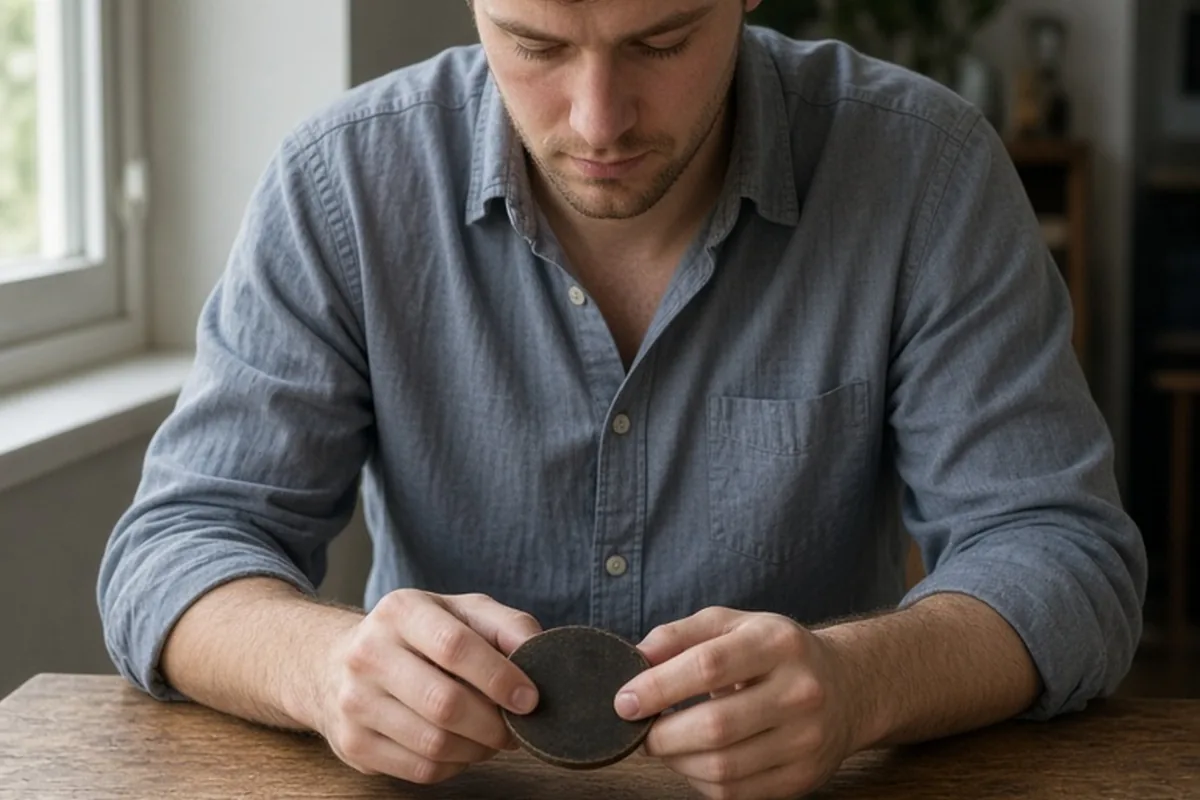
A shy guy often reveals attraction through subtle consistency rather than bold pursuit. Look for observable cues like nervous physical reactions (fidgeting or looking away when caught), lingering in your vicinity, remembering small personal details, giving thoughtful one-on-one attention, and showing greater warmth in written messages than in busy group settings. Because shyness can look like indifference, the clearest sign is a pattern of quiet effort to be near you and engage when the pressure is low.
Interpreting romantic interest can feel complicated when someone is naturally reserved, introverted, or hesitant around people they admire. While an outgoing person might flirt openly or initiate plans quickly, someone with a shy temperament often expresses interest through understated gestures, attentive listening, and quiet proximity.
Distinguishing Shy Hesitation from Genuine Disinterest
One of the most common challenges in reading a reserved person is telling the difference between social anxiety and polite indifference. When someone is genuinely uninterested, their disengagement is usually comprehensive: they rarely look your way, offer brief answers without curiosity, and do not alter their behavior whether you are present or absent. Their calmness comes from an absence of emotional stakes.
Hesitation, by contrast, involves noticeable awareness and internal friction. A shy person who likes you is acutely conscious of your presence, which often triggers self-consciousness. They may seem quiet, but you will notice micro-behaviors such as tracking your movements across a room, perking up when you speak, or lingering near a doorway hoping for an organic interaction. They hold back not from a lack of interest, but from fear of awkwardness or vulnerability.
Context plays a deciding role in how these signals surface. In high-pressure environments like crowded parties, large meetings, or around loud peer groups, a shy person may withdraw entirely to avoid unwanted spotlight. In contrast, during low-stakes, one-on-one moments or quiet side-by-side tasks, their warmth and willingness to converse typically increase. Recognizing this environmental difference prevents you from mistaking quiet caution for rejection.
Subtle Body Language and Physical Proximity Patterns
Physical cues can provide helpful context when spoken words are scarce, provided you look for repeated patterns rather than isolated moments. Eye contact is a primary indicator: a shy guy will often look at you when he thinks you are not paying attention, but immediately dart his eyes away, look at the floor, or adjust his phone if you turn and catch him. This 'look-and-look-away' cycle reflects natural curiosity paired with quick self-consciousness.
Involuntary physiological reactions frequently accompany this nervousness. When you sit next to him or join his conversation, you might notice subtle signs of physical tension such as clearing his throat, fidgeting with pens or drink coasters, adjusting his collar, or a slight flush in his face. These reactions simply show that your presence elevates his emotional arousal and focus.
Another reliable behavioral pattern is proximity seeking, often called 'orbiting.' A reserved person who lacks the confidence to initiate a bold conversation may still make deliberate, quiet efforts to share your physical space. You might find him choosing an adjacent desk, standing at the edge of your group circle, or showing up at events he knows you attend. If he consistently places himself within your conversational reach, it is rarely accidental.
Attentive Listening and Remembering the Smallest Details
While bold daters often try to impress through storytelling and active charisma, a shy guy frequently channels his interest into high-level listening. When you speak, he tends to give you his complete, undivided attention, nodding along, maintaining soft focus, and rarely interrupting or steering the spotlight back onto himself.
The clearest evidence of this focus appears in conversational callbacks. Days or weeks after a casual chat, he might mention a specific detail you shared in passing—such as your favorite bakery, an upcoming dentist appointment, a sibling's name, or a stressful work deadline. Remembering minor facts that most casual acquaintances forget demonstrates that your words carry personal weight for him.
He may also offer quiet support rather than grand gestures. This can look like quietly setting aside a seat for you, offering to help with a practical task without making a scene, or checking in about something you were worried about earlier in the week. These understated actions highlight genuine care executed within his comfort zone.
Digital Communication and Written Warmth Versus In-Person Shyness
The digital space often acts as a comfortable outlet for someone who struggles with real-time social pressures. Without the immediate demands of maintaining eye contact, managing facial expressions, or competing with louder voices, a shy person often communicates with greater fluency, humor, and depth over text or private messaging.
You might notice a distinct contrast between his in-person demeanor and his messaging style. Online, he may send well-thought-out replies, share niche articles or memes connected to topics you previously discussed, ask open-ended questions, and use expressive phrasing or emojis. This disparity does not mean he is disingenuous in person; rather, the written medium affords him the time to compose his thoughts without acute performance anxiety.
When evaluating digital habits, look for depth of engagement rather than rapid-fire response times. Someone who is busy or anxious about saying the wrong thing may take time to reply, but their messages will be thoughtful, substantive, and aimed at keeping the dialogue alive. You can use these text conversations as comfortable bridges for your next face-to-face interaction.
Comparing His Behavior with You Against His Baseline with Others
To accurately read any individual's social cues, you must establish their baseline behavior. Shyness exists on a spectrum: some people are generally introverted with everyone, while others are talkative with established friends but completely freeze around someone they find romantically compelling.
Observe how he interacts with his regular social circle compared to how he acts around you. If he is naturally quiet with everyone, a slight increase in attention toward you—like offering a warm smile or making an effort to sit nearby—is a significant signal. Conversely, if he is lively and joking with his close friends but suddenly becomes formal, tongue-tied, or uncharacteristically quiet when you join the group, that behavioral shift strongly suggests heightened self-consciousness caused by your presence.
Look also for subtle protective or supportive behaviors in group settings. Does he laugh at your jokes even when the rest of the room is distracted? Does he glance over to see your reaction when someone makes an announcement? These quiet alignments indicate that you are his primary point of reference in a room.
Creating Low-Pressure Opportunities for Direct Clarity
Waiting indefinitely for a shy person to make a definitive first move can lead to unnecessary stagnation and overthinking. If you recognize multiple subtle signs and share the interest, the most productive path is to gently lower the barrier of entry so they feel safe to engage without fear of public embarrassment.
Instead of proposing high-stakes, formal dates that might amplify anxiety, offer low-pressure, activity-based invitations with built-in time limits. For example, you might say, 'I am walking over to grab coffee before my afternoon meeting; do you want to join?' or 'I need to check out that bookstore down the street after work, let me know if you want to tag along.' Framing the invitation around an existing task removes the intimidation of a formal courtship setting.
Clear and gentle directness works equally well if you prefer open communication. A warm, straightforward statement such as 'I always enjoy our conversations and would love to get lunch together sometime just the two of us' leaves the door wide open. This gives him a clear green light while allowing him the space to accept comfortably, propose an alternative, or politely decline without losing face.
Illustrative Scenarios
Clarifying Mixed Signals in a Shared Project
Elena noticed that a coworker on her cross-functional team, Marcus, was talkative and helpful over Slack but often became quiet and looked down whenever they crossed paths in the hallway. Initially, Elena wondered if Marcus disliked her in person or found her intimidating. Instead of over-analyzing his silence or waiting for him to change, she tested the water with a low-pressure in-person step. After a project meeting, she casually asked if he wanted to grab a coffee from the breakroom to discuss one of his slide recommendations. Away from the larger group, Marcus relaxed immediately, shared helpful ideas, and began initiating small daily chats.
Key point: A shift from digital warmth to in-person quietness often indicates situational shyness rather than personal dislike, which low-stakes one-on-one settings can quickly resolve.
Moving Past the Eye Contact Dilemma
Julian regularly caught a classmate, Liam, looking at him during lectures, but whenever Julian smiled or held eye contact, Liam would look away quickly and appear distant. Julian wondered if Liam was simply scanning the room without any real interest. To test the dynamic without creating an awkward confrontation, Julian sat next to Liam before class and asked an open-ended question about an upcoming assignment. Liam engaged warmly, offered to share his notes, and began consistently sitting next to Julian in subsequent classes.
Key point: Breaking eye contact quickly is a standard nervous reaction; offering a friendly, casual conversational opening provides the reassurance needed to connect.
Frequently asked questions
How can I tell if a shy guy is just polite or actually likes me?
Politeness tends to be uniform, standard, and passive across all interactions, consisting of basic pleasantries without follow-up. Genuine attraction usually involves extra effort, such as remembering small personal details, seeking your physical proximity, and engaging more deeply in private or written conversations.
Should I make the first move if I suspect a shy guy likes me?
Yes, extending a low-pressure invitation is often the most effective way to gain clarity. Shy individuals frequently fear rejection or misreading signals, so offering an easy, low-stakes opportunity to spend time together provides reassurance without putting them on the spot.
Why does a shy guy seem warm one day and distant the next?
Fluctuating behavior often stems from internal overthinking or fluctuating social energy rather than calculated games. If he feels he was too obvious or awkward during one interaction, he may temporarily pull back the next day out of self-consciousness before warming up again.
What should I do if he does not respond to a low-pressure invitation?
If he declines without offering an alternative or simply lets the invitation fade, take that response at face value with grace and step back. A low-pressure invitation gives someone an easy way in, but also a polite way out, allowing you to move forward without lingering ambiguity.
Your next step
Choose a low-stakes, everyday activity you already plan to do this week and invite him to join with a simple, friendly question.