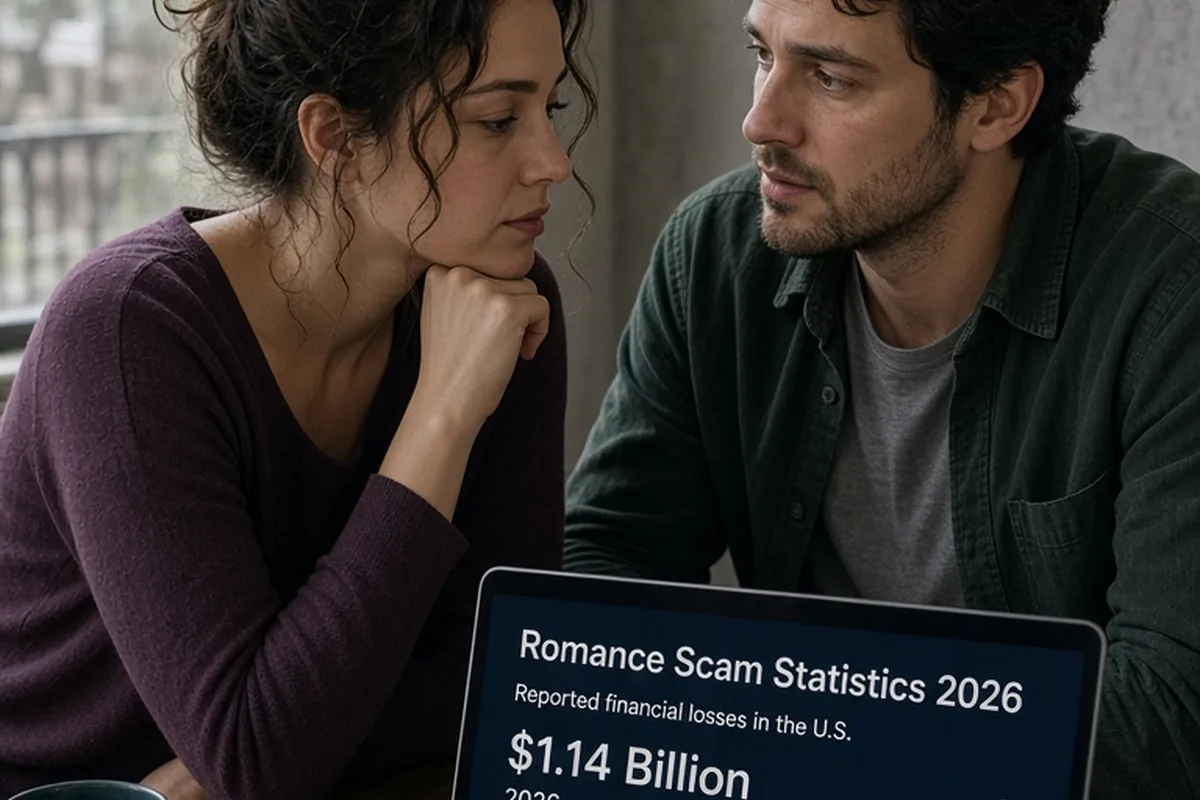
Modern romance scams increasingly rely on sophisticated social engineering, artificial intelligence tools, and complex financial pitches like fraudulent investment platforms. While fraud tactics constantly shift, the core pattern remains consistent: establishing rapid emotional intimacy, fabricating urgent life crises or exclusive financial opportunities, avoiding in-person contact, and requesting funds via untraceable payment methods. Protecting yourself requires slow emotional pacing and strict personal boundaries around money.
Dating online offers unprecedented opportunities to meet compatible partners, but the digital landscape also carries genuine financial and emotional risks. Understanding how deceptive actors build false trust allows you to date with confidence, protect your assets, and keep your attention focused on healthy, authentic romantic connections.
The Evolving Mechanics of Digital Romance Scams
Digital courtship fraud has moved far beyond simple broken-English messages and obvious stock photos. Modern deceptive operations frequently use coordinated playbooks designed to mirror your interests, validate your relationship goals, and build an intense sense of mutual understanding over days or weeks. The person on the other end may engage in lengthy, thoughtful conversations about family values, career ambitions, and long-term plans to establish genuine vulnerability before introducing any financial motives.
A major reason these approaches succeed is the psychological concept of confirmation bias. When you hope to find a committed partner who shares your specific life perspective, it is natural to interpret intense attention as genuine compatibility. Understanding that trust should be earned through consistent, verifiable real-world behavior over time—rather than through constant messaging—provides an essential defensive baseline for any digital interaction.
Recognizing Early Behavioral Red Flags
While individual scenarios vary, deceptive suitors share distinct behavioral rhythms that separate them from genuine dating prospects. One of the most reliable early indicators is manufactured urgency, often referred to as love bombing. A contact who declares deep devotion, soulmate status, or plans for shared housing within a few days or weeks is often trying to bypass your critical thinking before you have established baseline facts about their daily life.
Another consistent signal is the persistent refusal to meet in public or engage in synchronous, unedited video calls. The individual often provides convincing explanations, such as demanding international travel, offshore employment, military deployment, or sudden medical emergencies. While these life circumstances exist in reality, a healthy adult who is genuinely interested in building a life with you will actively prioritize finding safe, transparent ways to confirm their identity rather than offering endless excuses.
- Rapid escalation toward emotional intimacy, exclusivity, or future commitments without in-person contact
- Persistent technical difficulties, camera malfunctions, or scheduling conflicts whenever live video is suggested
- An immediate push to move conversations away from secure dating apps to unmonitored messaging channels
- Stories involving extreme emotional volatility, complex legal troubles, or sudden personal tragedies that require financial intervention
The Rise of Synthetic Media and AI Profiles
Advancements in consumer artificial intelligence have made fabricated identities substantially harder to detect through visual inspection alone. Deceptive actors can now generate cohesive sets of synthetic photos showing the same fictitious person across multiple realistic settings, complete with natural lighting and casual poses. In some instances, brief voice-cloning clips or filtered video snippets are used to create the illusion of authenticity during brief interactions.
Because visual cues can be manipulated, your evaluation must focus on behavioral consistency rather than profile polish. Pay attention to how the person responds to spontaneous, real-time requests. If someone can exchange lengthy, articulate written paragraphs but regularly avoids spontaneous phone calls, cannot engage in natural conversational tangents about everyday local details, or displays subtle visual glitches during video connections, exercise heightened caution.
Navigating Financial Solicitations and Investment Traps
The financial demand in a romance scam rarely begins as an outright plea for charity. In many contemporary scenarios, the contact introduces a seemingly mutually beneficial opportunity, such as a specialized cryptocurrency exchange, a private foreign exchange platform, or a supposedly insider real estate venture. The scammer positions themselves as a knowledgeable mentor who wants to help you achieve financial security so you can build a shared future together.
These scenarios often begin with modest initial transfers where the victim is shown fictitious dashboard gains and even permitted to withdraw a small amount of money to create false confidence. Once larger sums are deposited, the platform suddenly requires expensive tax clearances, processing fees, or identity-verification deposits before any further withdrawals are permitted. Recognizing that no authentic romantic partner will pressure you into unverified financial ventures is the most effective safeguard against these complex schemes.
Establishing Healthy Verification Boundaries
Setting reasonable verification standards does not mean approaching dating with cynicism or hostility. Confident, secure dating involves balancing openness with healthy boundaries that protect both parties. Early in any digital courtship, you can establish standard practices that foster genuine connection while filtering out deceptive actors who thrive on anonymity.
For example, you can suggest a brief, relaxed five-minute video call before investing weeks into deep emotional exchanges. If the other person reacts with defensiveness, guilt-tripping, or accusations that you lack trust, that reaction itself provides valuable clarity. A mature partner who is also navigating modern dating safety will appreciate your prudence and willingly participate in mutual verification.
- Schedule a brief live video chat early in the conversation before sharing sensitive personal details
- Keep initial interactions inside the dating platform until you have confirmed the person's identity and basic background
- Never send money, gift cards, wire transfers, or cryptocurrency to someone you have not spent significant time with in person
- Maintain absolute privacy regarding your home address, workplace details, and financial account balances
Actionable Steps If You Suspect Deception
If you realize that an online contact may be manipulating you, it is common to feel a mix of embarrassment, confusion, and grief over the loss of a perceived connection. The most critical immediate step is to halt all financial transfers and communication without attempting an emotional confrontation. Deceptive operators are trained to exploit guilt, issue legal threats, or manufacture dramatic emergencies to keep you engaged.
Document every message, transaction record, account number, and profile detail before blocking the individual across all platforms. If you have shared sensitive banking details or passwords, contact your financial institutions immediately to freeze compromised accounts and initiate fraud investigations. Reporting the incident to national consumer protection agencies and local law enforcement helps authorities track organized networks and prevents further harm to others.
Illustrative Scenarios
The High-Return Investment Opportunity
David met a woman on a professional networking app who claimed to be an independent design consultant working abroad. Over three weeks of daily messaging, she showed interest in his career goals and gradually mentioned her success with a specialized digital asset platform. When she encouraged him to create an account and deposit funds under her guidance, David initially felt flattered by her willingness to share financial strategies. However, feeling uneasy about mixing romantic chemistry with speculative investments, he paused and asked to discuss the platform during a live video call. The contact immediately became evasive and accused him of doubting her integrity. Recognizing the defensive reaction as a critical warning sign, David ceased all communication and avoided transferring funds.
Key point: Authentic romantic partners do not tie relationship milestones or mutual trust to private investment schemes.
The Remote Logistics Emergency
Sarah connected with a man on a dating platform who presented himself as an offshore civil engineer. Their written conversations were deeply engaging, and he frequently sent photos of his daily work environment. After a month of building emotional intimacy, he explained that a sudden equipment malfunction had frozen his international accounts, asking Sarah to advance a modest fee to help his crew clear customs. Sarah felt an urgent impulse to help someone she cared about, but she remembered her personal rule against sending money to anyone she had never met in person. When she offered to help research corporate assistance programs instead of sending cash, the contact became aggressive. Sarah immediately blocked the account and preserved her savings.
Key point: Holding a firm rule against sending money eliminates the emotional leverage scammers rely on during manufactured emergencies.
Frequently asked questions
How quickly do romance scammers typically profess deep affection?
Scammers often profess strong emotional attachment or propose exclusivity within days or weeks. This rapid escalation is intended to create an artificial sense of intimacy that discourages you from asking practical questions or setting standard boundaries.
Why do deceptive contacts push to leave dating platforms immediately?
Moving to private messaging apps removes the interaction from the automated fraud detection tools and moderation systems built into reputable dating services. It also prevents the platform from warning you if the scammer's profile is banned.
What is the safest way to verify an online match before becoming emotionally invested?
Insist on an interactive, live video call within the first week or two of messaging, and plan a low-pressure public meeting as soon as reasonably possible. A genuine match will understand these safety precautions and comfortably accommodate them.
Can money lost in a romance scam typically be recovered?
Recovery is rare, especially when funds are sent via wire transfers, gift cards, or cryptocurrency. You should immediately report the transactions to your bank and law enforcement, while avoiding secondary recovery services that charge upfront fees.
Your next step
Commit to a simple, non-negotiable dating boundary today: never transfer money or invest with someone you have not spent consistent, verifiable time with in the physical world.