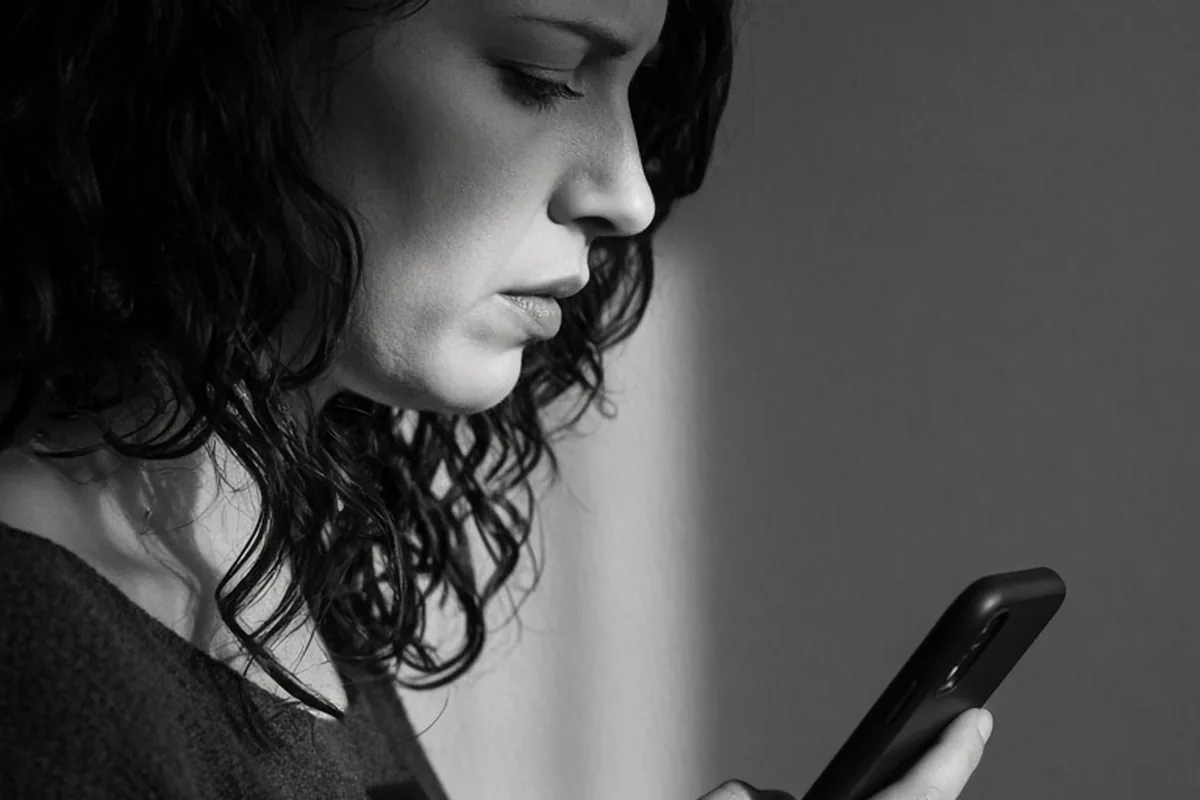
Romance scams red flags include rapid declarations of deep love, persistent excuses to avoid in-person meetings or live video calls, sudden requests to move conversations off dating apps, and urgent appeals for money or financial investments. Fraudsters manufacture emotional intimacy to build trust quickly, then exploit that connection through calculated crises, fake investment opportunities, or travel emergencies.
Online dating opens doors to meaningful partnerships, but it also creates opportunities for bad actors who turn vulnerability into profit. Understanding how deceptive tactics work allows you to evaluate new connections with clear eyes, guarding your savings without shutting down genuine romance.
Recognizing Unusually Rapid Emotional Escalation
A primary marker of a romance scam is emotional pacing that moves far faster than ordinary courtship. Within days or weeks of matching, an individual may shower you with intense affection, label you their soulmate, and talk about a shared future before you have even shared a voice call. This tactic, known as love bombing, is designed to overwhelm your critical thinking by fulfilling a natural desire for validation and connection. When someone appears entirely devoted almost instantly, they are often building leverage rather than authentic intimacy.
In healthy dating, affection develops alongside mutual knowledge and shared experiences over time. Fraudsters skip this foundational work because time works against them; their goal is to establish emotional compliance before their inconsistencies surface. For instance, a match might claim they have never felt this way about anyone, sending poetry and constant affectionate messages throughout the workday. While genuine chemistry can feel exciting, real attachment requires patience. If someone bristles or acts wounded when you ask to slow things down, treat that reaction as a significant warning sign.
Identifying Evasive Communication and Broken Promises to Meet
Another dependable indicator of deceptive intent is a partner who always has a compelling reason to cancel video calls or in-person dates. Scammers frequently adopt personas that explain long-distance status and unpredictable schedules, such as overseas contractors, offshore engineers, deployed military personnel, or international aid workers. These backstories provide a built-in rationale for poor internet connectivity, sudden relocations, and missed flights, keeping you invested in a phantom relationship.
To test whether a match is legitimate, propose a live video call early on using a standard platform. Genuine daters living far away are almost always eager to see the person they are talking to. Scammers will routinely offer technical glitches, broken cameras, strict workplace security rules, or sudden family crises right before the scheduled meeting. If weeks pass and you are interacting only through text, heavily edited photos, or short voice memos, step back. An insistence on staying invisible is rarely an accident; it is an active effort to conceal identity.
Spotting the Rush to Move Off Safe Dating Platforms
Fraudsters typically urge their targets to leave dating apps almost immediately, asking to continue chatting via private messaging apps, encrypted platforms, or direct email. Their stated reason often sounds harmless: they might claim their subscription is expiring, that they rarely check the app, or that they prefer more private communication. The true motivation is self-preservation. Mainstream dating services use automated systems to detect suspicious patterns and banned profiles, so scammers want to pull you away before their account gets flagged.
Moving off-platform also removes safety protections, such as built-in reporting tools and moderation logs that help establish evidence of harassment or fraud. A practical boundary is to keep initial conversations on the dating platform until you have verified their identity through a clear video call or a public meeting. If a match repeatedly pressures you to transition to an encrypted messenger and acts dismissive of your safety boundaries, they are demonstrating a lack of respect for your security.
Unpacking Sudden Financial Crises and Urgent Requests for Cash
No matter how elaborate the romantic persona, most fraudulent operations eventually pivot toward financial extraction. The request rarely begins as an outright demand; instead, it is framed as a desperate circumstance where you are cast as their only hope. Common narratives involve sudden medical bills in a foreign hospital, customs fees to release an inheritance, broken equipment essential for their job, or travel expenses to finally visit you in person.
These solicitations are often accompanied by manufactured urgency, intended to induce panic and prevent you from consulting friends or family. Scammers typically request payment methods that are difficult or impossible to reverse, including wire transfers, cryptocurrency, gift cards, or reloadable debit cards. As a rule, you should never send money, share bank details, or cover unexpected expenses for someone you have never spent meaningful time with in person. Legitimate romantic prospects turn to their own banks, employers, or families during hardships, not an online partner they have never met.
Navigating Fake Investment Tips and Crypto Schemes
Modern romance scams do not always involve a damsel or bachelor in distress; many masquerade as wealthy, successful professionals eager to help you build wealth. In these schemes, often called pig butchering, the scammer casually mentions success with foreign exchange, commodity trading, or a proprietary cryptocurrency platform. They offer to show you how easy it is to profit, guiding you to deposit a modest sum into a fraudulent website or mobile app that they control.
Initially, the platform shows impressive paper gains, and you may even be allowed to withdraw a small amount of money to build false confidence. Once you believe the system works, the scammer encourages you to deposit larger amounts, sometimes urging you to take out loans or liquidate retirement funds. When you finally attempt to withdraw your capital, the platform demands heavy taxes, insurance fees, or regulatory penalties, leaving you locked out. Real romantic interests do not mix early flirtation with high-risk financial coaching or pressure you to trade on obscure platforms.
Protecting Your Personal Data and Establishing Clear Boundaries
Beyond monetary loss, romance scams frequently expose victims to identity theft and blackmail. A deceitful contact may fish for personal details by asking about your mother's maiden name, childhood pets, or home address under the guise of deep personal bonding. In other instances, they may encourage you to exchange explicit photographs or sensitive videos, which they later use to extort funds by threatening to distribute the media to your employers, friends, and family.
Safeguarding yourself requires proactive digital hygiene and firm boundaries. Conduct a reverse image search on profile pictures to see if the images belong to a model, public figure, or another victim. Never share your primary residential address, social security number, or workplace details with an unverified contact. Most importantly, practice saying no to requests that feel intrusive or rushed. How a person reacts to your boundaries reveals their true character: respectful daters understand caution, while predators treat boundaries as obstacles to overcome.
Illustrative Scenarios
Handling an Offshore Work Excuse
Marcus matched with an architect named Elena who claimed to manage an infrastructure project in Norway. Within three weeks, daily texting developed into shared morning routines and discussions of future trips together. Whenever Marcus suggested a live video call, Elena explained that remote satellite internet barred video feeds, sending short audio notes instead. When Elena suddenly messaged that customs had seized her specialized survey gear, requesting a fifteen hundred dollar loan via cryptocurrency to clear customs, Marcus felt torn between empathy and suspicion. Instead of transferring the funds, he paused, searched her profile picture online, and found the same photos linked to a social media account belonging to a European model. Marcus broke off contact immediately.
Key point: Refusing to let manufactured urgency rush your decisions provides the breathing room needed to verify facts and protect your resources.
Resisting a Casual Investment Invitation
Julian was chatting with Chloe, whom he met through a niche dating app. Chloe presented herself as an interior designer with an impressive lifestyle, frequently sharing photos of art galleries and restaurants. Two weeks into their conversation, Chloe mentioned that her uncle taught her a low-risk strategy for trading digital currencies, offering to walk Julian through a mock trade on a website she recommended. Julian wanted to appear knowledgeable and supportive, but he felt uncomfortable entering financial territory with a romantic match. He clearly stated that he kept personal investments private and preferred focusing strictly on dating. Chloe grew irritable, accused him of lacking ambition, and stopped replying the following day.
Key point: Setting a firm boundary around money quickly filters out individuals whose romantic interest depends on financial compliance.
Frequently asked questions
What should I do if I realize I sent money to a romance scammer?
Immediately contact the financial institution or platform used to send the payment and request a fraud recall or cancellation. File a formal report with local law enforcement and national consumer protection agencies such as the Federal Trade Commission or the FBI Internet Crime Complaint Center. Cease all contact with the individual and preserve every message, transaction record, and profile detail for investigation.
Why do scammers frequently insist on receiving gift cards or cryptocurrency?
These payment mechanisms offer near-instant settlement and lack the consumer protections associated with traditional bank transfers or credit cards. Once gift card codes are redeemed or cryptocurrency transfers confirm on the blockchain, reclaiming the funds is exceptionally difficult. This anonymity and irreversibility make them the preferred currency for illicit operations.
Can a scammer use a live video call to trick someone?
While video calls are an effective initial filter, sophisticated scammers occasionally deploy pre-recorded video loops or emerging deepfake software. If a video call features severe lag, unnatural facial movements, audio that fails to sync with mouth gestures, or ends abruptly whenever you ask them to make a specific motion, treat the interaction with skepticism.
How can I support a friend or relative who is being targeted by a romance scam?
Approach them with compassion rather than accusation, recognizing that they genuinely believe they are in a reciprocal relationship. Encourage them to walk you through the partner's background, offer to run reverse image searches together, and suggest taking a brief break from sending money while you both review the situation. Compassionate support helps reduce the embarrassment that often prevents victims from seeking help.
Your next step
Take an inventory of your active dating conversations today, verify unconfirmed identities through a direct video call, and commit to keeping your finances completely separate from early-stage dating.