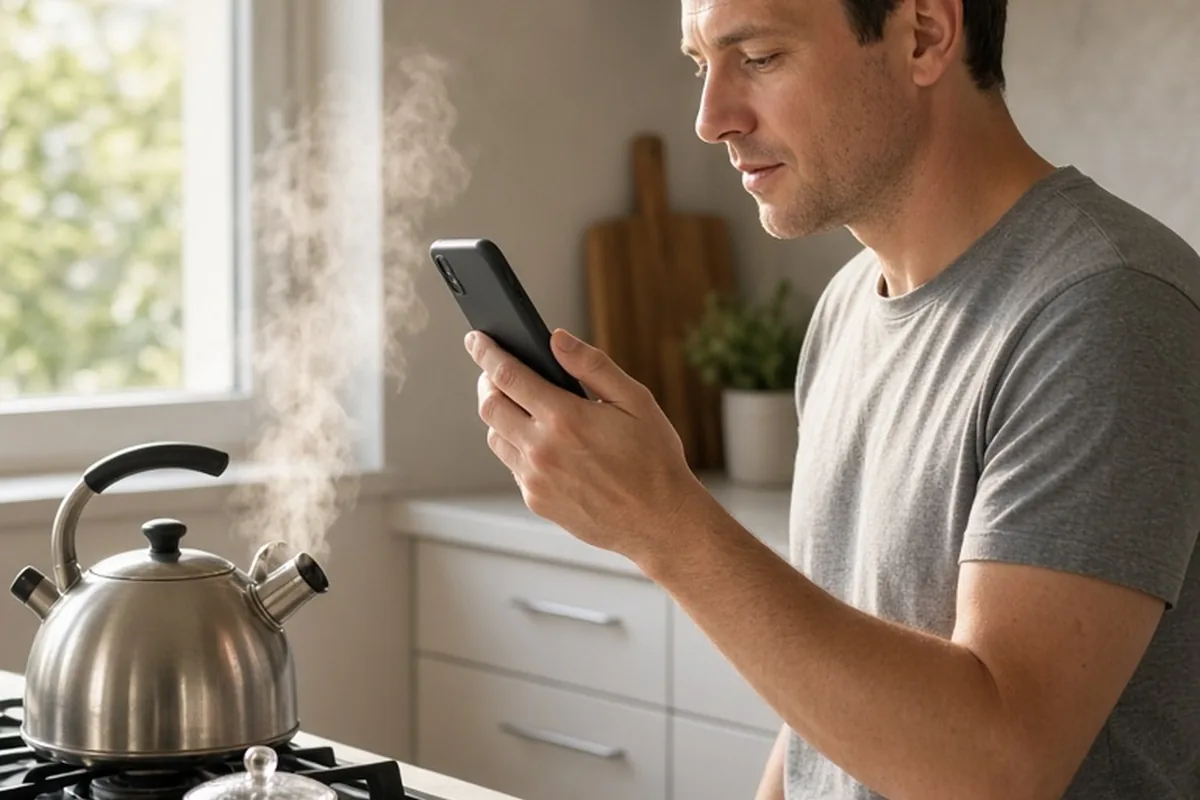
Romantic good morning quotes brighten your partner's day when they reflect your actual bond rather than generic sentimentality. The most effective morning messages are brief, genuine, and unburdened by an urgent demand for a reply. Match your message to your partner's current emotional climate: choose grounding affirmations for high-stress days, affectionate humor for casual dating, or steady gratitude for long-term commitments. A thoughtful two-sentence note sent before their routine begins shows steady care without disrupting their morning focus.
Waking up to an affectionate note can set a reassuring emotional baseline for the hours ahead. Whether you live under the same roof, navigate differing work schedules, or wake up in separate time zones, a tailored morning text offers warmth and connection before the daily noise takes over.
Warm Good Morning Messages for Long-Term Couples and Spouses
In enduring partnerships, early morning routines often become mechanical. Between packing lunches, brewing coffee, and managing commutes, verbal intimacy can slip down the priority list. A written morning message creates an intentional pause that acknowledges your shared history and mutual commitment. Rather than relying on grand poetic flourishes that might feel out of place in your everyday rhythm, focus on grounding gratitude and steady presence.
A strong message for an established relationship recognizes both the comfort of routine and the emotional weight of choosing each other every day. Try expressions such as: 'Waking up knowing we are on the same team makes whatever happens today feel manageable,' or 'Even on the busiest mornings, seeing you start your day is my favorite part of the house waking up.' Another effective option honors quiet partnership: 'Half the joy of this morning is just knowing I get to come home to you tonight; have a steady, peaceful day.'
These messages work because they do not demand emotional performance. They remind your spouse or long-term partner that their presence is valued beyond domestic logistics. When sending these to someone you live with, dropping a line while one of you leaves early for work bridges the physical gap and prevents morning farewells from feeling strictly transactional.
Flirty and Lighthearted Morning Quotes for New Relationships
Early in dating, morning communication can carry unintended pressure if the tone is too heavy or assumes a level of intimacy that has not yet developed. The goal in this stage is to signal interest, spark a brief smile, and keep the interaction playful without creating an obligation to hold a lengthy conversation during rush hour. Light humor and easy affection protect both partners from feeling constrained.
Effective messages for emerging romances balance charm with breezy simplicity. Consider sending: 'I hope your coffee is unusually strong and your morning meetings are unusually brief today,' or 'Still smiling about our conversation last night; hope your day starts off on the right foot.' If your shared dynamic leans more flirtatious, a phrase like 'Woke up thinking about you, which made getting out of bed significantly easier' conveys warmth without premature emotional weight.
Be mindful of cadence. Sending a multi-paragraph confession of affection after three dates can trigger anxiety, while an effortless one-liner invites a natural, relaxed response. If your date is heading into an exam, interview, or presentation, a simple 'Cheering for you this morning—go knock it out' demonstrates that you remember their life events without demanding conversational energy in return.
Reassuring Morning Lines for Long-Distance Partners Across Time Zones
Physical separation naturally introduces logistical challenges to romance, particularly when differing time zones mean one person is pouring their first cup of coffee while the other is in the middle of an afternoon slump. In long-distance partnerships, a morning quote functions as an emotional anchor, affirming that physical distance does not weaken relational intimacy.
Messages in this dynamic should provide reassurance and shared perspective. Usable examples include: 'The miles feel a lot smaller when I wake up and realize you are the first thought on my mind,' or 'Starting my morning in a different time zone, but wishing I was handing you your mug across the counter.' For asynchronous mornings where your partner is already deep into their day, try: 'Good morning from this side of the world; sending you a quiet pocket of calm for whatever the rest of your afternoon brings.'
Avoid using morning messages as an unspoken attendance check. If you wake up several hours after your partner, do not attach guilt to whether they were able to greet you first. The purpose of distance-friendly morning messages is to offer steady connection, transforming separate morning routines into a shared emotional rhythm rather than a test of responsiveness.
Grounding Words for Mornings When Your Partner Faces Heavy Work Stress
When your partner is heading into a demanding workday, an overly effusive or demanding romantic message can feel like an extra item on their to-do list. In high-pressure moments, romantic support looks less like flowery poetry and more like emotional shelter. The right message reduces pressure, offers unconditional backing, and explicitly removes the expectation of an immediate reply.
Craft lines that focus on calm resilience and dependable care. Strong options include: 'No need to reply to this—just wanted to remind you that you are capable, prepared, and deeply loved as you walk into today,' or 'Take today one hour at a time. Whatever comes across your desk, you have handled harder things before, and I am right in your corner.' Another steady approach is: 'Sending you a deep breath and a quiet moment before the chaos starts. I have dinner handled tonight, so just focus on getting through your day.'
Notice the intentional phrasing that relieves conversational burden. Adding 'No need to reply' or offering concrete evening relief gives your partner practical support. It shows that your romantic care adapts to their real-world needs rather than insisting on their undivided attention when their mental energy is required elsewhere.
Selecting the Right Medium: Texts, Sticky Notes, and Morning Voice Memos
The emotional resonance of a morning message depends heavily on how it is delivered. While a smartphone notification is standard and convenient, matching the delivery method to your daily context can transform a familiar message into an unexpected moment of delight.
Digital text messages are ideal for brief check-ins, especially when one partner commutes early. However, a handwritten sticky note folded beside the coffee maker or stuck to a bathroom mirror carries tactile permanence. A simple handwritten phrase like 'You are my favorite part of every morning' feels intentional because it required physical preparation the night before. For couples navigating distance, a thirty-second voice memo sent right after waking offers the cadence, warmth, and inflection of your voice, which often communicates tenderness far better than typed text.
Evaluate your partner's morning sensory habits before choosing your medium. If your partner wakes up overwhelmed by digital notifications, a glowing text message may add to their screen fatigue. In that scenario, an offline note left in a jacket pocket or on the kitchen counter provides warmth without forcing them to engage with their phone early in the day.
How to Read Morning Reply Patterns Without Creating Phantom Friction
A common pitfall in morning texting is attaching personal security to how quickly or enthusiastically your partner responds. When someone sends an openhearted romantic quote at 7:00 AM and receives a brief thumbs-up emoji at 9:30 AM, it is easy to construct an anxious narrative about fading attraction or emotional distance. Most of the time, however, morning reply delays stem purely from operational constraints.
Morning hours are congested with competing priorities: hygiene routines, transit, urgent work emails, and waking children. Someone can deeply appreciate a romantic gesture while being completely unable to compose a poetic reply in the middle of highway traffic or a team standup. Treating morning messages as emotional gifts rather than transactions protects your bond from unnecessary friction.
If you consistently notice that your partner gives clipped answers in the morning but is warm and attentive in the evening, accept that morning is simply not their peak communicative window. Adjust your expectations accordingly. You can still send an occasional kind note, but do so with the internal freedom that allows them to receive it quietly without feeling graded on their response time.
Illustrative Scenarios
Adjusting Expectations During a Demanding Work Transition
Elena started a new position requiring an intense 7:30 AM commute. Her partner, Marcus, enjoyed sending affectionate, open-ended good morning questions asking how she felt and what they should dream about together. Elena often read them while hurrying between trains, feeling guilty that she could only respond with a quick heart react or not at all until lunch. Marcus initially interpreted her silence as withdrawal and felt unappreciated. After a frank weekend conversation, Marcus shifted his approach. Instead of questions requiring thought, he sent low-pressure statements like, 'Thinking of you as you head into the office; crush your presentation today.' Elena immediately felt supported rather than burdened, and their early morning tension dissipated.
Key point: Supportive romantic messages adapt to your partner's actual morning capacity rather than demanding conversational effort when focus is split.
Bridging Asynchronous Routines in a Long-Distance Relationship
David lived in Chicago while Priya worked in London, placing them six hours apart. David often woke up wanting to text Priya romantic greetings just as she was leaving her office and navigating crowded public transit. When Priya's replies were brief and distracted, David worried their emotional bond was fraying across the ocean. Rather than continuing the pattern, they agreed to treat their morning messages as asynchronous notes rather than active chats. David began recording a short, gentle audio message while making his morning tea, explicitly telling Priya to listen whenever she had a free moment that evening. Priya loved hearing his voice on her walk home, and David stopped feeling anxious about immediate replies.
Key point: Treating long-distance morning greetings as unconditional notes rather than real-time conversations prevents mismatched schedules from causing emotional anxiety.
Frequently asked questions
Is it better to send a romantic text right when I wake up or closer to when my partner wakes up?
Sending a message roughly around the time your partner usually wakes up or starts their routine is generally best, as it prevents their phone from chiming during sleep. However, if your partner keeps their phone on silent, sending it when you wake up is completely fine as long as there is an understanding that they will simply see it whenever their day begins.
What should I do if my partner rarely replies to romantic morning messages?
Observe their broader pattern of affection rather than isolating their morning texting habits. If they are warm, engaged, and attentive in person or later in the day, their lack of morning replies likely reflects a busy morning routine rather than a lack of love. You can gently ask in person if they enjoy receiving morning texts, which gives them a pressure-free space to share their preference.
Can sending a romantic morning message every day become overwhelming?
Daily messages can feel repetitive or pressuring if they constantly require replies or use overly intense language. If you choose to send daily notes, keep them short, varied, and clearly free of conversational obligations. Alternating between digital texts, occasional handwritten notes, and quiet days keeps the gesture feeling genuine rather than habitual.
How do I choose between an established romantic quote and a simple personal message?
Personal, everyday language usually carries more emotional resonance than a formal quote from literature unless your partner specifically loves poetry or reading. A simple sentence referencing an inside joke, an upcoming shared plan, or an honest affirmation of your appreciation will almost always feel more authentic than an ornate external quotation.
Your next step
Choose one gentle, one-sentence affirmation today that directly fits your partner's schedule, send it without expecting a rapid reply, and let the message stand purely as an unconditional gift.