To write a romantic love letter, start with an exact memory or small personal observation rather than grand generalities. State clearly what you value about your partner, describe a specific moment that highlighted their character, and explain how their companionship enriches your everyday life. Closing with steady, forward-looking appreciation keeps the message intimate, credible, and free from performative pressure.
Putting deep affection onto paper often feels intimidating because people assume they need poetic grandeur or archaic vocabulary. In truth, the letters that leave a lasting mark succeed because they sound like an honest person speaking directly from the heart, capturing moments that a casual text message simply cannot hold.
Choosing the Right Tone for Your Relationship Stage
A meaningful letter reflects the actual emotional ground you and your partner share today. In a newer relationship, grand declarations of lifelong destiny can feel overwhelming or disconnected from reality. At that stage, the most effective letters focus on mutual discovery, genuine curiosity, and gratitude for the specific ways your partner makes you smile or feel seen. Highlighting how much you enjoy learning who they are communicates interest without placing unnecessary weight on the future.
For couples who have shared years or decades together, the challenge flips. Familiarity can sometimes reduce romance to domestic logistics, making letters risk sounding like polite appreciation notes for household teamwork. A long-term love letter breaks through this routine by naming the enduring qualities you still admire beneath the daily responsibilities. Acknowledging how your bond has evolved through career changes, grief, or personal growth reminds both of you that romance is an active, living commitment rather than a memory from early courtship.
- For newer dating: Focus on fun recent memories, qualities you admire, and your gratitude for getting to know them.
- For established commitments: Acknowledge shared growth, quiet loyalty, and the ways your partnership anchors you.
- For strained or busy periods: Emphasize patience, emotional safety, and a steady willingness to listen.
Romantic Love Letter Examples for Anniversaries and Milestones
Milestones provide an opportunity to step out of the daily rush and survey the life you are building together. A strong anniversary letter avoids laundry lists of dates and vacations, choosing instead to focus on the emotional texture of your journey. It bridges past memories with your present devotion, assuring your partner that time has deepened your admiration rather than diminished it.
Here is an example tailored for a significant anniversary or commitment celebration:
Dearest Sarah, Looking back on our five years together, I am struck by how much richer ordinary life feels beside you. I remember standing in our bare first apartment with takeout boxes on the floor, wondering what the coming years would bring. Today, watching you navigate your passions and care for the people around you, I admire your resilience and warmth more than ever. You do not just make the celebrations brighter; you make a quiet Tuesday evening over dinner feel complete. Thank you for your partnership, your patience, and your laughter. I look forward to every ordinary and extraordinary day ahead of us.
Here is an example suited for celebrating an early milestone, such as a first full year together:
Dear Liam, When we first started spending time together, I had no idea how quickly your perspective would become one of my favorite parts of each week. Over this past year, I have come to appreciate your quiet calm when things get chaotic and the way you always make space for my stories at the end of a long workday. Walking through this year with you has been an unexpected gift. I am grateful for every conversation we have had and eager to see what the next chapter brings for us both.
Short Love Letter Ideas for Morning Notes and Little Surprises
Not every love letter requires multiple pages of stationary. Brief, unprompted notes left on a bedside table, slipped inside a travel bag, or tucked into a lunch container can carry immense emotional weight. Because they arrive without the expectation of an anniversary or holiday, they signal that your partner is on your mind during the normal cadence of life.
The key to a short note is single-focus precision. Choose one observation, express thanks or affection for it, and sign off warmly. These concise messages serve as small, tangible anchors of reassurance in the middle of a demanding day.
Example note for a stressful week: Good morning, Elena. I know this week is demanding a lot from your energy and patience, but I see how gracefully you handle every challenge thrown your way. You inspire me, and I am in your corner no matter how heavy the schedule gets today. Have a safe drive, and let me take care of dinner tonight.
Example note for spontaneous appreciation: Dearest Julian, I was thinking this morning about how you listened to me talk through my worries last night without trying to rush me or fix everything immediately. Having a partner who offers that kind of quiet safety means everything to me. Thank you for being who you are. I love you.
Long-Distance Love Letters That Bridge Physical Separation
Physical separation creates a specific kind of emotional fatigue. When daily contact is mediated entirely through telephone screens and rapid texts, conversation easily degrades into practical updates and logistical check-ins. A long-distance letter restores depth by giving your partner tangible paper they can hold, reading your voice at their own unhurried pace.
When composing a letter across distance, weave in concrete sensory details from your own surroundings so your partner feels invited into your day. Resist the urge to focus solely on the ache of being apart; instead, emphasize the solidity of your connection and the specific shared memories that sustain you until you reunite.
Example long-distance letter: Dear Marcus, Sitting at my desk as dusk settles over the street, my thoughts drift back to our weekend by the lake. Even with several hundred miles between us right now, the memory of our early walk by the water feels vivid and near. The hardest part of the distance is missing the little moments, like handing you your tea or hearing you laugh from the other room. But this time apart has also shown me how deeply rooted our bond is. You are present with me in the decisions I make and the hope I carry for our future. Take care of yourself tonight, and know that I am counting the days until next month.
Gentle Reassurance Letters for Stressful Seasons and Vulnerability
Romantic connection is tested most severely during seasons of exhaustion, grief, illness, or professional self-doubt. In these moments, writing a letter that demands reciprocal passion or attempts to fix every problem can inadvertently add pressure. Reassurance letters exist to offer unconditional sanctuary, letting your partner know they are loved for who they are, not how cheerful or productive they can be.
Keep your language steady, gentle, and free of toxic positivity. Name the qualities you see in them that stress may currently be obscuring, and make it clear that you are happy to shoulder practical burdens alongside them.
Example reassurance letter: My love, I see how hard you have been pushing yourself lately and how much mental weight you have been carrying for everyone around you. I want to remind you that you do not have to perform, be strong, or have everything figured out when you are with me. Your worth in this home and in my life has nothing to do with whether today was productive. You are allowed to be tired, and you are allowed to rest. Take a deep breath tonight. I love you exactly as you are, and we will navigate this season together at whatever pace you need.
Sensory Prompts to Replace Vague Romantic Clichés
Many writers hit a wall because they reach for standard romantic phrases like 'you mean the world to me' or 'you are my soulmate.' While well-intentioned, these phrases are so worn from overuse that they rarely evoke strong emotion. Replacing vague sentiments with concrete sensory descriptions immediately brings your letter to life.
To break out of generic writing, mentally revisit a real interaction from the past few weeks and ask yourself what your senses noticed. Focusing on tangible moments creates writing that could belong to nobody else but the two of you.
- Sound: Describe the specific sound of their laugh when they are caught off guard, or their voice when they speak about something they genuinely love.
- Sight: Recall a small, unposed image, such as them reading on the couch with a blanket, or the focused look on their face while cooking.
- Touch: Mention the reassurance of their hand in yours during an anxious moment, or the comfort of a familiar embrace after days apart.
- Action: Name a quiet act of kindness they did for you or someone else that they thought nobody noticed.
Illustrative Scenarios
Moving Past Theatrical Poetry to Genuine Observation
Jordan wanted to write a first anniversary letter to Taylor but spent hours discarding drafts because they sounded stiff and melodramatic. Jordan had been trying to emulate classical love poems found online, using grand metaphors about eternity that felt foreign to how they actually spoke. Realizing the draft felt hollow, Jordan set aside the templates and wrote instead about a rainy evening two months earlier when their car broke down and Taylor kept spirits high with humor and hot tea from a gas station. Jordan explained that watching Taylor's patience in that small crisis made Jordan realize how dependable Taylor truly was.
Key point: Authentic personal anecdotes convey far more romance and intimacy than borrowed theatrical language.
Rekindling Everyday Intimacy in a Busy Marriage
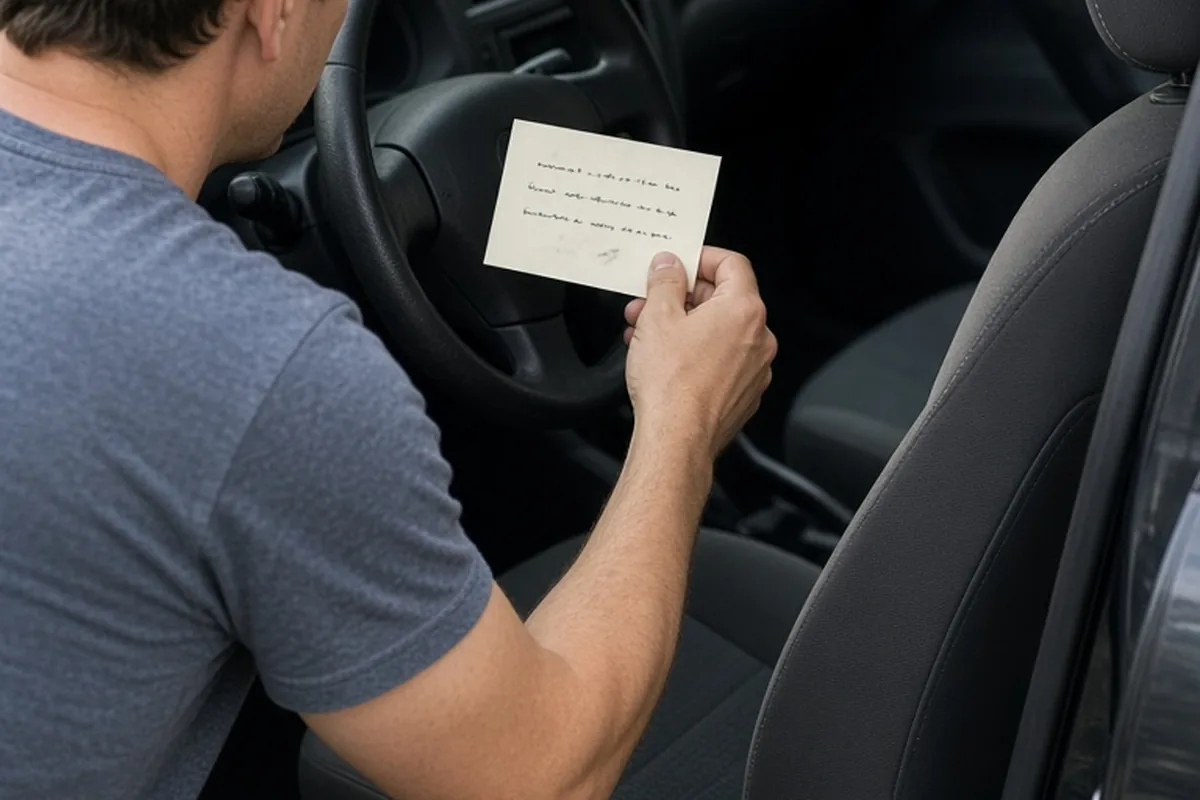
After twelve years of marriage and two children, Priya felt her relationship with Dev had settled into an endless cycle of chores, calendars, and school pickups. Dev believed romantic letters were reserved for major milestones and avoided writing because he worried his handwriting and phrasing were inadequate. One Tuesday, Dev left a brief three-sentence index card on the steering wheel of Priya's car, thanking her for the quiet grace she showed while helping their youngest through a difficult week and noting how much he still loved watching her smile. Priya kept the note in her wallet for months.
Key point: Small, unprompted recognitions of your partner's everyday character often resonate deeper than formal, occasional declarations.
Frequently asked questions
Does a romantic love letter always need to be handwritten?
Handwritten letters carry a unique tactile charm because your handwriting is personal and unmistakable. However, if your handwriting is difficult to read or if you are sending a letter across distance digitally, a thoughtfully formatted digital note or printed letter can be just as touching. The emotional sincerity and specific observations matter far more than the medium you use.
What should I do if expressing deep emotion feels awkward or uncomfortable?
Start small rather than attempting an epic statement. Write two or three sentences focused purely on appreciation for something specific your partner did recently. Sincerity does not require dramatic vulnerability; simple, honest gratitude is romantic on its own and will feel far more natural for both of you.
How long should an effective love letter be?
There is no required length for a love letter. A single paragraph containing a vivid, meaningful memory can have a stronger impact than three pages of generic romantic filler. Focus on saying one or two true things clearly, and bring the letter to a close once you have expressed them.
Is it wise to write a love letter during a period of relationship tension?
A letter can help during tense times if it focuses on listening, validating your partner's feelings, and expressing your steady commitment to working through challenges. Avoid using a letter to debate arguments, defend your actions, or pressure the other person to drop their concerns, as that shifts the note from an act of affection into a debate tactic.
Your next step
Take five minutes today to write down one specific moment from the past month where your partner made you feel supported, and leave that short note somewhere they can discover it naturally.