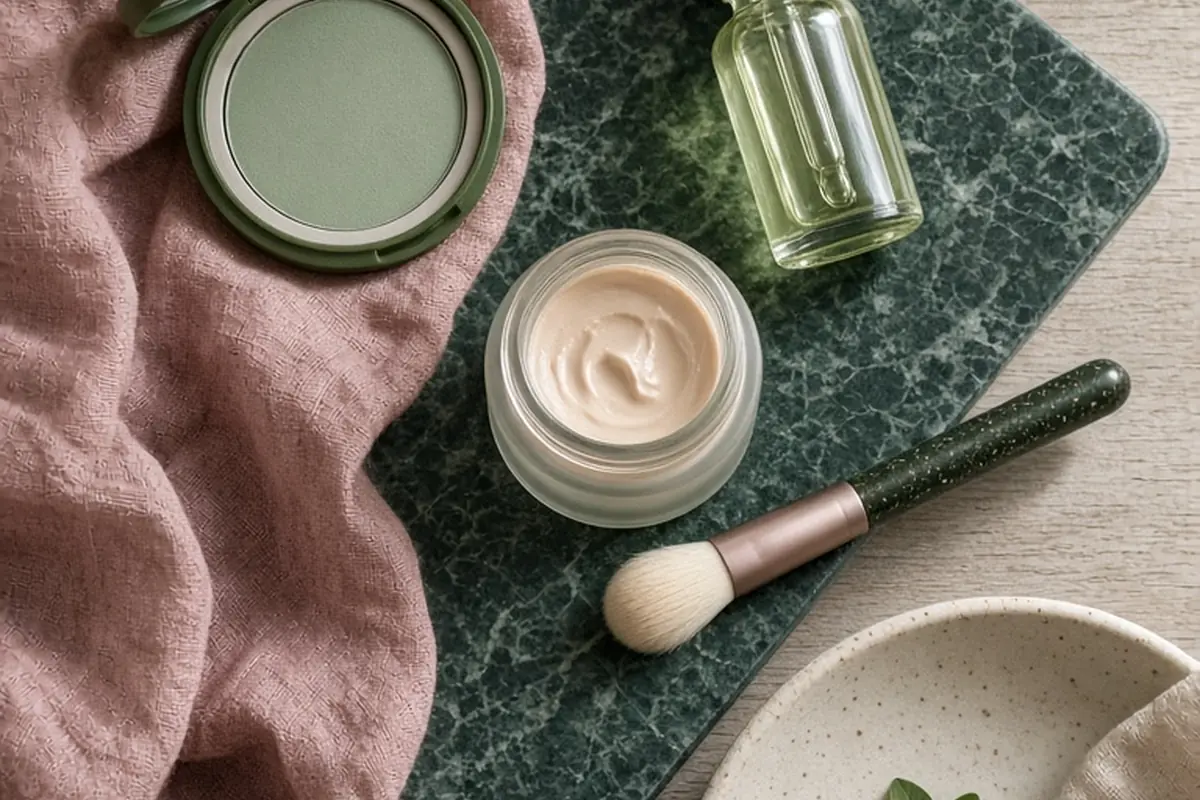
Rosacea-friendly makeup prioritizes skin barrier protection through minimal, soothing formulations free from known irritants like synthetic fragrances, drying alcohols, and harsh chemical filters. Effective routines use mineral-based pigments, green color correctors, and lightweight liquid or powder foundations that neutralize visible redness without requiring heavy friction during application or harsh cleansers for removal, keeping sensitive facial skin comfortable throughout wear.
Living with persistent facial flushing or reactive skin often turns everyday cosmetics into a source of frustration and discomfort. Finding cosmetic products that tone down visible redness while keeping sensitive skin calm requires looking beyond conventional beauty trends and focusing on formulas designed specifically for reactive skin barriers.
Identifying Irritating Ingredients and Calming Alternatives
The primary challenge with standard cosmetics lies in their formulation complexity. Conventional makeup frequently includes synthetic fragrances, volatile essential oils, drying alcohols, and chemical sunscreens such as avobenzone or oxybenzone. For a compromised or hypersensitive skin barrier, these compounds can penetrate quickly and trigger sensory discomfort, burning sensations, or vascular reactivity. When evaluating any cosmetic item, reading the full ingredient deck is essential to prevent unnecessary flare-ups.
Instead of heavy chemical blends, rosacea-friendly options rely on simple, inert mineral components and barrier-reinforcing hydrators. Titanium dioxide and zinc oxide serve as both physical sun protection agents and opaque pigments that sit gently on top of the skin rather than absorbing into pores. Additionally, ingredients like squalane, glycerin, allantoin, and bisabolol help soothe existing reactivity by reinforcing the lipid matrix during makeup wear.
A practical trade-off to consider is that minimalist, fragrance-free products may lack the pleasant sensory aroma or extended shelf life of conventional cosmetics. Because they omit common synthetic stabilizing agents and masking perfumes, these items may carry a neutral, earthy scent from their base oils and require replacement closer to their stated expiration windows.
- Avoid common triggers: synthetic fragrances, denatured alcohol, menthol, camphor, peppermint oil, and chemical UV filters.
- Look for calming bases: zinc oxide, titanium dioxide, squalane, hyaluronic acid, colloidal oatmeal, and centella asiatica.
Selecting the Right Foundation Texture for Reactive Skin
Choosing between mineral powder, liquid tint, or creamy balm depends on your skin's underlying moisture balance and sensitivity profile. Loose mineral powder foundations formulated with pure zinc oxide and iron oxides are often the safest starting point for reactive skin. Because dry powders require minimal preservatives and binders, they substantially lower the odds of contact irritation while providing buildable, natural-looking coverage that diffuses surface redness.
For individuals who experience dry flaking alongside redness, liquid serum foundations and lightweight tinted moisturizers provide needed slip. These formulas prevent makeup from clinging to dehydrated patches or emphasizing uneven skin texture. When selecting a liquid base, look for water-in-silicone or squalane-based emulsions that spread effortlessly without dragging against fragile capillary networks.
While ultra-matte, full-coverage liquid foundations might appear tempting for concealing intense flushing, they carry notable downsides. Long-wear transfer-proof liquids often contain high concentrations of film-forming polymers and volatile silicones that can trap heat against the skin surface. Furthermore, removing heavy full-coverage products requires prolonged rubbing or strong cleansing surfactants that frequently leave the skin flushed and raw.
Neutralizing Erythema with Green Color Correctors
Color correction relies on basic optical principles: green sits directly opposite red on the visible color spectrum. By applying a sheer layer of green pigment over flushed zones, you neutralize underlying redness without needing thick layers of beige foundation. This targeted correction allows you to wear significantly lighter cosmetic formulas while still achieving an even, balanced skin tone across the face.
To apply color correctors effectively, dispense a pea-sized amount of a muted mint or sage-tinted primer or cream. Warm the product between clean fingertips and gently press it onto concentrated areas of redness, such as the center of the cheeks, nose, and chin. Avoid buffing the product across the entire face, as widespread application can mute areas with healthy, natural undertones.
The primary risk with color correction is over-application, which can create a dull, gray, or chalky cast under natural lighting. To avoid an ashen appearance, keep the green layer translucent and always follow with a thin veil of your skin-matched foundation or tinted powder to restore warmth and natural dimension to the complexion.
Application Techniques That Minimize Friction and Heat
The mechanical action of applying makeup can be just as disruptive to reactive skin as the cosmetic ingredients themselves. Stiff makeup brushes, rough natural bristles, and vigorous circular buffing motions generate localized friction and surface heat. This physical stimulation can trigger immediate vasodilation, causing skin to flush brightly before the makeup application is even complete.
The gentlest application method involves using a clean, damp synthetic beauty sponge or soft fingertip pressing. By stippling or gently bouncing the product onto the skin rather than dragging it across the surface, you deposit pigment evenly without disturbing the delicate skin barrier underneath. For powder formulas, a dense, ultra-soft synthetic brush tapped lightly onto the skin provides coverage without irritating micro-abrasions.
A necessary maintenance consideration with sponges and soft tools is hygiene management. Damp sponges harbor bacteria and residual cosmetic oils if left unwashed, which can quickly aggravate sensitive skin. Wash your application tools at least once a week using a gentle, fragrance-free cleanser, and allow them to air dry completely in a well-ventilated area before your next use.
Safe Removal Protocols to Protect the Moisture Barrier
End-of-day makeup removal represents a critical stage where sensitive skin barriers frequently sustain damage. Pre-moistened makeup wipes are particularly problematic because they rely on concentrated surfactants to dissolve pigment quickly and require repetitive mechanical wiping that strips vital stratum corneum lipids, leaving skin compromised and irritated.
A safer alternative is a gentle two-step or non-stripping cleansing routine. Begin with a fragrance-free cleansing oil or micellar water designed specifically for reactive skin. Smooth the cleanser over dry skin with light circular motions, letting the oil dissolve pigments without tugging. Rinse thoroughly with lukewarm water, as excessively hot or cold water can cause immediate vascular dilation and discomfort.
Follow your initial cleanse with a mild, non-foaming cream or gel cleanser that maintains the skin's natural pH. After rinsing, avoid rubbing your face with a coarse cotton towel; instead, gently press a soft microfiber cloth against the skin to absorb excess moisture before applying your evening barrier-supportive moisturizer.
Patch Testing and Introducing New Products Methodically
When rebuilding a makeup routine for reactive skin, patience is essential. Introducing multiple cosmetic items simultaneously makes it impossible to identify the culprit if a flare-up or allergic contact reaction occurs. Introducing one product at a time allows you to observe how your facial skin reacts over several days of continuous wear.
To conduct a proper patch test, apply a small dab of the new cosmetic to a discreet area of sensitive skin, such as along the lower jawline or just behind the ear. Wear the product for several hours a day across three consecutive days, checking periodically for signs of localized burning, itching, swelling, or heightened redness.
Keep in mind that a successful jawline patch test is an excellent baseline indicator but not an absolute guarantee against cheek reactivity during environmental stressors like temperature shifts or exercise. Start by wearing the new product for shorter durations on low-stress days before relying on it for full-day events.
Frequently asked questions
Can I wear powder foundation if my skin feels dry and reactive?
Yes, loose mineral powder foundations are often very well tolerated by reactive skin due to their minimal preservative profiles. To prevent powder from clinging to dry areas, apply a rich, fragrance-free moisturizer beforehand and let it absorb fully for five minutes before dusting on the powder.
Does mineral makeup provide enough sun protection on its own?
While mineral pigments like zinc oxide offer physical UV defense, makeup is rarely applied thickly enough across the face to reach the labeled protection factor. It is best to apply a dedicated mineral sunscreen first and view tinted makeup as a supplementary layer of protection.
How can I conceal broken capillaries without heavy cakey makeup?
Use a fine-tipped concealer brush to apply a pinpoint amount of high-pigment, creamy mineral concealer directly onto the visible capillary line rather than layering heavy foundation over the entire cheek. Blend the edges lightly with a fingertip to keep the surrounding skin natural and breathable.
What should I do if my makeup begins burning or stinging during the day?
Gently rinse the makeup off as soon as possible using lukewarm water and a mild, fragrance-free cleanser. Follow immediately with a basic barrier cream containing ceramides or squalane, and avoid applying further cosmetics until the irritation fully subsides.
Your next step
Review your current makeup bag to set aside products containing synthetic fragrances or drying alcohols, and patch test a simple mineral powder or green-tinted primer to begin building a calmer routine.