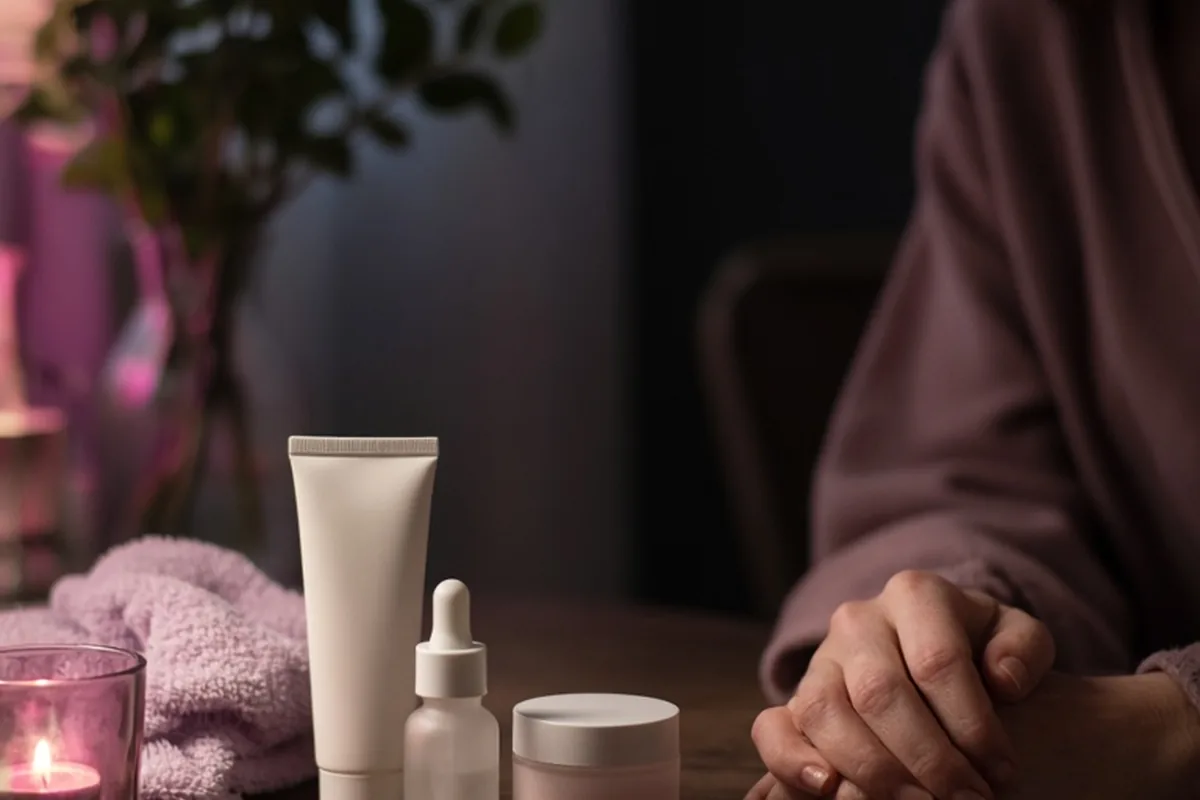
A gentle rosacea skincare routine focuses on calming inflammation, repairing the compromised skin barrier, and preventing vascular reactivity. It consists of a non-foaming, fragrance-free cleanser, a soothing moisturizer rich in ceramides or lipid-replenishing agents, daily broad-spectrum mineral sunscreen, and targeted prescription or mild over-the-counter barrier actives. Avoiding physical scrubs, astringents, fragrances, and extreme water temperatures prevents severe flushing and flare-ups.
Managing reactive skin requires a careful balance between keeping the barrier hydrated and eliminating common environmental and chemical triggers that induce persistent facial redness.
Understanding the Rosacea Skin Barrier and Core Routine Goals
Rosacea is a chronic inflammatory skin condition characterized by vascular hyperreactivity, facial erythema, visible blood vessels, and occasionally inflammatory papules and pustules. Individuals experiencing this condition typically have an impaired epidermal permeability barrier. When the outermost layer of the skin loses its ability to retain moisture and keep out irritants, transepidermal water loss increases significantly. This dehydration signals deeper nerve endings and blood vessels to dilate, perpetuating a cycle of burning, stinging, tightness, and widespread redness.
The primary objective of any rosacea-focused regimen is stabilization rather than aggressive exfoliation or rapid cell turnover. Traditional skincare routines that prioritize deep pore cleansing, strong alpha hydroxy acids, or potent physical scrubs can cause intense irritation on rosacea-prone tissue. By paring down daily habits to fundamental barrier-supportive steps, you minimize chemical exposure, decrease friction, and allow the skin mantle to recover its natural defensive capacity against heat, wind, and microbial stressors.
Morning Rosacea Skincare Routine for All-Day Barrier Defense
The morning routine should emphasize gentle hydration, soothing protection, and defense against ultraviolet radiation. Begin your day by washing with lukewarm or cool water. If your skin produces noticeable overnight oil, apply a gentle, soap-free, non-foaming cream or lotion cleanser. Massage the formula using only the pads of your fingertips for thirty seconds, avoiding washcloths, sponges, or cleansing brushes that generate friction. Rinse thoroughly and gently pat the face with a soft, clean cotton towel, leaving the surface slightly damp.
While the skin remains slightly moist, apply a light layer of barrier-repairing moisturizer containing hydrating humectants such as hyaluronic acid or glycerin paired with structural lipids like ceramides. Damp application helps lock in water molecules before evaporation occurs. Allow the moisturizer to absorb fully for several minutes before introducing your next layer.
The non-negotiable final step in the morning is applying a dedicated broad-spectrum sunscreen. Physical sunscreens formulated with zinc oxide and titanium dioxide are typically far better tolerated by sensitive, flushing-prone skin than synthetic chemical filters. Zinc oxide also provides natural skin-soothing properties that calm low-grade irritation throughout the day. Select a formula that dries without excessive heaviness or chalkiness, ensuring you apply enough product over the face, neck, and ears.
Evening Rosacea Skincare Routine for Nighttime Repair
During the night, skin shifts into an active restorative mode, making the evening regimen crucial for healing barrier micro-tears and suppressing underlying inflammation. The first objective of the evening is removing daily mineral sunscreen, environmental pollutants, and ambient grime without stripping the skin of natural protective oils. If you wear mineral sunscreen or makeup, consider a gentle double cleanse starting with a plain emulsifying cleansing oil or micellar water formulated for hyper-sensitive complexions, followed immediately by your primary soothing cleanser.
After cleansing, pat the skin dry and allow it to rest for a short window if you plan to apply topical medical treatments. Applying prescription topicals or concentrated barrier actives to completely dry skin can minimize unexpected stinging or burning sensations. If your dermatologist has prescribed specific treatments, apply a thin, even layer across the affected regions according to professional instructions.
Seal your routine with a rich, replenishing night cream or recovery balm. Formulations containing skin-identical lipids, squalane, colloidal oat extracts, and niacinamide in gentle concentrations assist in repairing cellular lipid bilayers overnight. For areas of acute irritation or severe flaking, applying a thin layer of an occlusive ointment over your standard moisturizer helps prevent overnight moisture depletion caused by dry ambient air or climate control systems.
Active Ingredients to Prioritize and Formulations to Avoid
Selecting the right ingredients requires distinguishing between barrier-restorative compounds and common irritants that trigger vascular dilation. Azelaic acid is one of the most widely recommended active ingredients for rosacea-prone skin due to its dual anti-inflammatory and mild antibacterial properties. It helps reduce inflammatory bumps and calm ambient redness without accelerating transepidermal water loss. Other beneficial ingredients include centella asiatica, madecassoside, green tea extract, allantoin, and panthenol, which provide notable soothing sensations and promote tissue resilience.
Conversely, many standard anti-aging and anti-blemish ingredients can provoke severe flare-ups. Traditional acne ingredients like benzoyl peroxide and high-strength salicylic acid frequently strip the delicate lipid layer, causing severe rebound flushing. You should systematically avoid synthetic fragrances, natural essential oils like peppermint or eucalyptus, drying alcohols such as denatured alcohol and isopropyl alcohol, witch hazel, menthol, and aggressive mechanical scrubs with gritty textures.
When introducing any new active product or prescription formulation, practice careful pacing. Incorporate only one new product at a time and apply it intermittently rather than jumping straight into daily application. This gradual introduction allows you to observe how your vascular network responds and isolates the cause if an adverse reaction occurs.
Clinical Treatment Guide for Persistent Erythema and Papules
While a balanced daily skincare routine creates the essential foundation for barrier health, moderate to severe rosacea frequently requires clinical intervention. Medical management divides broadly into topical prescriptions, systemic oral medications, and in-office light therapies, each addressing specific pathological components of the condition.
Topical prescription therapies commonly include medical-grade azelaic acid, metronidazole gels or creams, and ivermectin formulations. Metronidazole helps diminish inflammatory papules through antimicrobial and anti-inflammatory pathways, while ivermectin targets microscopic Demodex mites that naturally reside in hair follicles but can trigger inflammatory cascades in rosacea patients. For temporary reduction of intense background redness, selective alpha-adrenergic receptor agonists constrict dilated facial blood vessels, though they must be used judiciously under clinical supervision to avoid rebound erythema.
For persistent broken capillaries, visible telangiectasias, and fixed facial redness that do not resolve with topical care, dermatologists often recommend vascular laser therapy, such as pulsed dye lasers, or intense pulsed light treatments. These modalities target the hemoglobin inside enlarged blood vessels, heating and coagulating them so the body can naturally reabsorb the vessel walls over several weeks. For papulopustular flares, sub-antimicrobial doses of oral tetracyclines may also be prescribed purely for their systemic anti-inflammatory benefits.
When pursuing medical or procedural care, a consultation with a board-certified dermatologist ensures accurate subtype diagnosis and prevents misidentifying rosacea as adult acne, seborrheic dermatitis, or contact dermatitis.
Further reading: American Academy of Dermatology: Acne
Lifestyle Triggers and Safe Product Testing Protocols
A well-designed skincare routine can be quickly compromised if lifestyle triggers are not systematically monitored and managed. Common internal and external triggers include direct sun exposure, extreme temperature swings, hot showers, saunas, vigorous cardiovascular workouts, emotional stress, spicy foods, hot beverages, and alcohol. Keeping a detailed daily log of flare episodes alongside meals, weather conditions, and product use helps identify your specific personal trigger thresholds.
Because rosacea-prone skin exhibits elevated sensory reactivity, performing a structured patch test before applying any new skincare product to your face is critical. Apply a small dab of the product behind your ear or along the lower jawline once daily for several consecutive days. Monitor the test site for delayed erythema, localized swelling, itching, or micro-papules.
If the patch test shows no signs of irritation after several days, begin introducing the product to a small section of your cheek every few days before progressing to full-face application. If persistent stinging or burning occurs at any point during testing, immediately rinse the area with cool water and discontinue the product.
Cost Planning and Expense Considerations for Rosacea Management
Managing rosacea involves navigating both medical expenses and ongoing routine skincare purchases. Understanding how these costs are structured helps in budgeting effectively and selecting sustainable long-term options. Total expenditures generally fall into three distinct tiers: basic barrier care products, prescription pharmaceutical therapies, and elective in-office clinical procedures.
Basic over-the-counter essentials, including gentle cleansers, lipid moisturizers, and mineral sunscreens, represent predictable recurring costs. These do not require premium designer pricing; many highly functional, dermatologist-approved options are readily available in drugstore aisles. Prescription treatments introduce variables based on health insurance policies, copay arrangements, formulary tiers, and whether branded or generic versions are prescribed.
In-office procedural interventions, such as vascular laser sessions and intense pulsed light therapy, are categorized as cosmetic or elective by most health insurance providers and are typically billed as out-of-pocket expenses per session. Multiple sessions spaced several weeks apart are usually required for optimal vessel clearance, with occasional maintenance sessions in subsequent years.
To manage your financial outlay responsibly, consider asking your prescribing clinician for generic equivalents or manufacturer copay assistance programs, and request a detailed written quote outlining facility fees and follow-up consultation charges before committing to laser or light-based treatments.
- Essential Skincare Tier: Daily mineral sunscreen, barrier cream, and mild cleanser purchased over the counter as ongoing maintenance.
- Prescription Medication Tier: Topical therapies and low-dose oral anti-inflammatory medications subject to insurance formulary coverage, deductible status, and pharmacy copays.
- In-Office Procedural Tier: Vascular laser therapies and intense pulsed light treatments, almost universally billed as out-of-pocket elective expenses per session.
- Cost Verification Step: Contact your health insurance carrier prior to filling specialty topicals to verify formulary tiers and obtain advance fee breakdowns from clinical providers for procedural appointments.
Frequently asked questions
Can I use chemical exfoliants like glycolic acid if I have rosacea?
Chemical exfoliants with small molecular sizes, such as glycolic acid, penetrate deeply and frequently cause burning, barrier damage, and intense flushing in rosacea-prone skin. If gentle exfoliation is necessary, dermatologists usually prefer mild polyhydroxy acids or azelaic acid, which provide cell turnover benefits while soothing background inflammation.
Is a double cleansing routine safe for rosacea-prone skin?
Double cleansing can be safe and beneficial if performed gently using non-irritating formulas. Using a gentle cleansing oil or micellar water designed for sensitive skin allows you to dissolve stubborn mineral sunscreen without aggressive scrubbing, followed by a mild non-foaming cleanser to rinse away residue.
Why does my sunscreen burn when I apply it to my face?
Sunscreen burning typically occurs because synthetic chemical UV filters can irritate an already inflamed and compromised moisture barrier. Switching to an all-mineral sunscreen formulated with pure zinc oxide or titanium dioxide minimizes chemical penetration and provides calming, non-reactive UV defense.
How long does it take for a new rosacea skincare routine to calm redness?
Skin barrier restoration generally takes several weeks of consistent, gentle care. While burning and tightness may improve within a few days of stopping harsh products, reduction in vascular reactivity and inflammatory bumps often requires several weeks of steady routine adherence alongside any prescribed medical treatments.
Your next step
Audit your current products to remove all physical scrubs, drying alcohols, and fragrances, then establish a three-step daily routine centered on a gentle cleanser, a ceramide moisturizer, and a pure mineral sunscreen.