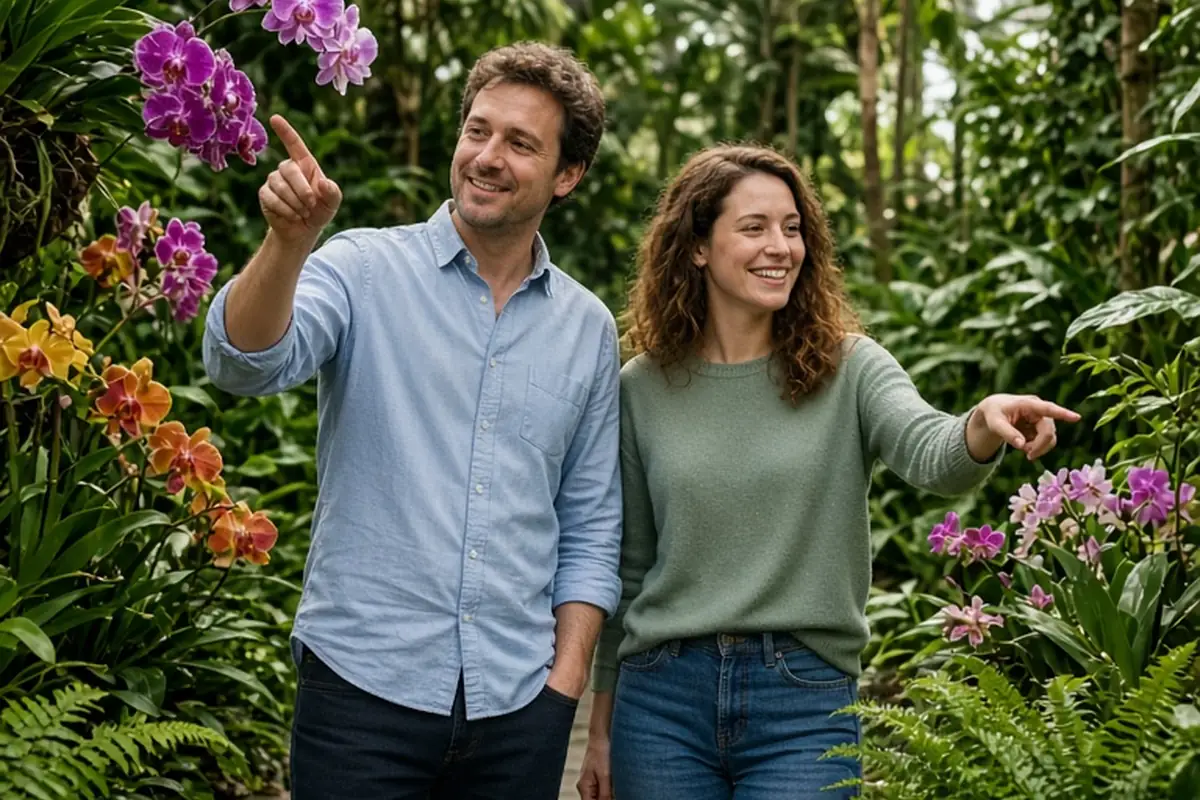
Second date ideas should build on your first conversation by pairing a shared activity with comfortable space to talk. Unlike first dates that focus on baseline compatibility, second dates thrive on shared focus—such as exploring an interactive museum, browsing an artisan food hall, taking a casual cooking or pottery class, or touring a glass conservatory. These all-weather settings provide built-in conversation prompts while keeping the atmosphere relaxed and adaptable to any climate.
A successful first date confirms basic mutual interest, but the second date is where you start learning how your personalities actually mesh in everyday life. Choosing an activity that works regardless of rain, heat, or winter chill frees both of you from rigid expectations and unpredictable weather disruptions.
Shifting the Focus from Interview Questions to Shared Experiences
First dates often function like mutual screening sessions. Two people sit across a small cafe table or high-top bar, trading work histories, neighborhood preferences, and stories about their siblings. While this setup is practical for verifying safety and baseline compatibility, repeating the exact same format on date two can make the encounter feel like a second-round job interview. A thoughtful second date shifts the dynamic from sitting face-to-face under interrogation lighting to standing side-by-side, sharing an experience together.
When you focus on an external activity, the conversational rhythm changes in a healthy way. You no longer have to manufacture nonstop dialogue to prevent awkward lulls, because the environment itself fills the quiet moments. Seeing how your date reacts to a puzzling museum exhibit, an unpredictable mini-golf bounce, or a bustling street market reveals far more about their temperament, humor, and curiosity than another two hours of rehearsed autobiographies.
The ideal second date strikes a balance between engagement and communication. An activity that demands complete silence, like sitting in a dark movie theater or attending a classical concert, leaves no room to talk. Conversely, an unstructured sit-down meal puts all the weight back on conversational stamina. The middle ground is an interactive environment where you can freely pause, laugh, discuss what you are seeing, and easily step away to grab a snack when the mood strikes.
Playful Indoor Activities That Break the Ice in Any Climate
Interactive games provide an immediate antidote to second-date jitters because they introduce gentle competition and physical movement. Venues like vintage arcades, board game cafes, boutique bowling alleys, and indoor mini-golf courses offer climate-controlled environments that work equally well during a summer thunderstorm or a freezing winter afternoon. These spaces invite lighthearted banter, giving you an organic way to tease each other, celebrate small wins, and see how comfortably each person handles minor blunders.
Board game cafes are especially flexible because you can tailor the complexity of the game to your mutual energy level. Choosing a cooperative game where you solve a light mystery together fosters teamwork, while a fast-paced word game keeps the mood energetic. If one of you is not competitive, an arcade with cooperative pinball or retro racing games offers nostalgia without pressure. The key is to keep the stakes low; the goal is laughter and shared engagement, not demonstrating tactical dominance.
To make this format work smoothly, select a venue that is not deafeningly loud. Mega-entertainment complexes with blaring sound systems and flashing strobe lights can force you to shout, which quickly drains conversational energy. Look for community-oriented spots, neighborhood bowling alleys during off-peak hours, or independent game parlors where you can actually hear each other speak between turns.
Second Date Ideas Perfect for Food Lovers Beyond Sit-Down Dinners
While sharing food is a classic bonding ritual, a traditional three-course dinner can feel overly formal and static for a second date. It locks both participants into a fixed timeframe and a single physical spot, making it harder to adjust if the energy feels slow or if someone wants to wrap up early. A more dynamic alternative is turning the meal into an active culinary exploration that encourages wandering, sampling, and discussing distinct tastes.
Indoor food halls and artisan public markets make exceptional second-date destinations in any season. These spaces allow each person to pick their own dishes, effortlessly accommodating different budgets, appetites, and dietary restrictions without uncomfortable negotiations. You can wander past various stalls together, split a savory appetizer from one vendor, grab main dishes from another, and finish by sharing an artisanal pastry or gelato. Moving between counters keeps the physical energy alive and provides endless visual talking points.
Another engaging alternative is a self-guided dessert crawl or specialty beverage tasting. You might pick a walkable neighborhood with an indoor arcade or covered galleria and visit two distinct spots: perhaps a specialty hot chocolate or tea bar first, followed by a bakery known for unique pastries. If you both enjoy hands-on projects, an introductory cooking, pasta-making, or dumpling workshop offers structured guidance from an instructor while giving the two of you an informal, laughter-filled workspace to collaborate.
Creative and Cultural Outings That Spark Natural Dialogue
Cultural spaces offer rich stimulation without requiring athletic endurance or social performance. Places like botanical conservatories, modern art galleries, natural history exhibits, and independent bookstores provide tranquil, sheltered environments where you can stroll side by side. Unlike standard outdoor parks, an indoor greenhouse or covered atrium offers lush greenery and comfortable temperatures year-round, making it a reliable sanctuary during freezing winters or sweltering summer afternoons.
Bookstore visits can be unexpectedly revealing and intimate. You can propose a casual prompt, such as browsing the travel section to show each other your dream destinations, finding the weirdest cookbook on the shelf, or picking out a favorite childhood story. This gentle structure offers windows into each other's values, memories, and sense of humor without feeling like a scripted cross-examination. Afterwards, you can sit in the attached cafe to review your finds over coffee.
When planning a cultural visit, focus on exhibits with interactive or visually striking elements rather than hushed, academic galleries where speaking above a whisper feels frowned upon. Science centers with hands-on installations, pop-up design exhibits, or craft studios where you paint ceramic mugs together provide plenty of room to talk openly, express your personal tastes, and enjoy each other's spontaneous observations.
How to Propose the Date Clearly and Handle the Response with Ease
Asking someone on a second date does not require strategic waiting periods or calculated messaging tactics. If you enjoyed someone's company on date one, the most appealing approach is direct, warm, and grounded in something you previously discussed. Referencing a topic that came up during your first conversation demonstrates that you were actively listening and that your invitation is tailored specifically to them, rather than a generic template sent to multiple matches.
Frame your invitation with a clear activity and a flexible timeframe. For example, you might write: 'I really enjoyed hearing about your quest for great pastries the other night. Would you want to check out that new indoor food market on Saturday afternoon or early next week?' This phrasing gives the other person a specific concept to say yes to, while leaving room to adjust the schedule if their calendar is full. It removes the ambiguity of vague suggestions like 'we should hang out again sometime.'
Pay attention to how the other person responds without over-analyzing every single word. If they accept enthusiastically, you can coordinate the logistical details. If they explain that they are busy on the suggested days and offer an alternate time, that demonstrates mutual interest and a collaborative mindset. If they decline without suggesting an alternative, give a lukewarm reply, or do not respond, treat that as useful information rather than a puzzle to solve. One polite follow-up or check-in is completely normal if plans were left pending, but repeated pursuit after a clear hesitation is unproductive. Respect their response and direct your attention elsewhere.
Setting Up Logistics, Managing Budgets, and Planning an Exit Strategy
A well-planned second date includes sensible parameters around duration, location, and expense. Aim for a plan that naturally lasts between ninety minutes and two and a half hours. This gives you ample opportunity to reconnect without turning the outing into an exhausting marathon. Having a clear, built-in conclusion—such as finishing an eighteen-hole round of mini-golf or concluding a museum tour—ensures that neither person feels trapped if the connection turns out to be platonic.
Financial clarity also prevents unnecessary awkwardness. High-end, multi-course dining places unintended pressure on both people and can create subtle tension regarding who covers the bill. Opt for activities where individual costs are modest and transparent, such as museum general admission, game tokens, or market street food where each person can easily pay for their own order without an uncomfortable debate. If one person bought drinks on the first date, the other can naturally offer to cover the activity fees or coffee this time around.
Always leave room for an optional extension if the date goes exceptionally well. If you finish your interactive activity and both of you are visibly energized and eager to keep chatting, you can casually suggest walking across the street for tea or a small bite. However, keep this extension optional rather than mandatory. Ending a great date on a high note while you both still have energy often leaves a far stronger impression than lingering until conversation runs dry.
Illustrative Scenarios
Pivoting from Small Talk to an All-Weather Activity
Marcus and Priya had an enjoyable first date over coffee, but their conversation occasionally drifted toward polite resume summaries. For their second outing on a rainy November evening, Marcus suggested meeting at a local board game lounge instead of another sit-down cafe. Priya accepted, though she worried she might look foolish learning unfamiliar games. Once they sat down with a simple cooperative card game, the pressure vanished. They laughed over misplayed turns and bonded over strategic debates. Priya felt comfortable teasing Marcus about his overly cautious moves, and Marcus appreciated how easily Priya laughed off mistakes.
Key point: Choosing a low-stakes, interactive activity shifts focus away from self-conscious evaluation, allowing authentic personalities and playful chemistry to emerge naturally.
Adapting to Unpredictable Weather Without Stress
Chloe and Liam originally planned an outdoor walking tour of an architectural district for their second date in mid-July. Two hours before meeting, a heat advisory and heavy rain made an outdoor walk uncomfortable. Instead of postponing the date or defaulting to a crowded bar, Liam messaged Chloe suggesting they visit the city's indoor botanical conservatory, which featured paved covered pathways and an attached glasshouse cafe. Chloe appreciated the quick, thoughtful pivot. They spent two relaxed hours exploring climate-controlled tropical rooms and admiring plant collections, completely unaffected by the storm outside.
Key point: Having an all-weather destination in reserve shows practical consideration and keeps dating momentum going even when environmental conditions shift.
Frequently asked questions
How long should a typical second date last?
A comfortable second date usually lasts between one and a half to three hours. This timeframe provides enough room to settle into an activity and share meaningful conversation without creating pressure to sustain an entire afternoon or late evening together. If things are going exceptionally well, you can always extend the outing naturally by grabbing a quick drink or dessert nearby.
Who is expected to pay on the second date?
There is no single rule, but splitting expenses or taking turns is standard and fair practice. If one person paid for the first round of coffee or drinks, the other person can warmly offer to cover tickets or snacks on the second outing. Choosing low-cost, flexible activities like public markets or casual game cafes makes handling the bill simple and comfortable for both budgets.
What should you do if the conversation feels a bit awkward at the start of the date?
Initial stiffness is completely normal on a second date as both people readjust to seeing each other again. Lean into the activity you are doing rather than forcing intense eye contact or immediate deep revelations. Remarking on what is happening in the room, asking simple questions about their day, or focusing on the game or exhibit gives both of you time to relax into an easy rhythm.
How soon after date one should you reach out to plan date two?
Reaching out within one or two days is standard, considerate, and keeps communication clear. You do not need to follow arbitrary waiting rules to avoid seeming overly eager. A brief message thanking them for the first date and proposing a specific, fun idea based on your earlier conversation allows both of you to check your schedules and make concrete plans.
Your next step
Review your messages from your first date, identify one specific interest, hobby, or cuisine your date mentioned enjoying, and send a simple message today inviting them to an interactive, weather-proof activity centered around that topic.