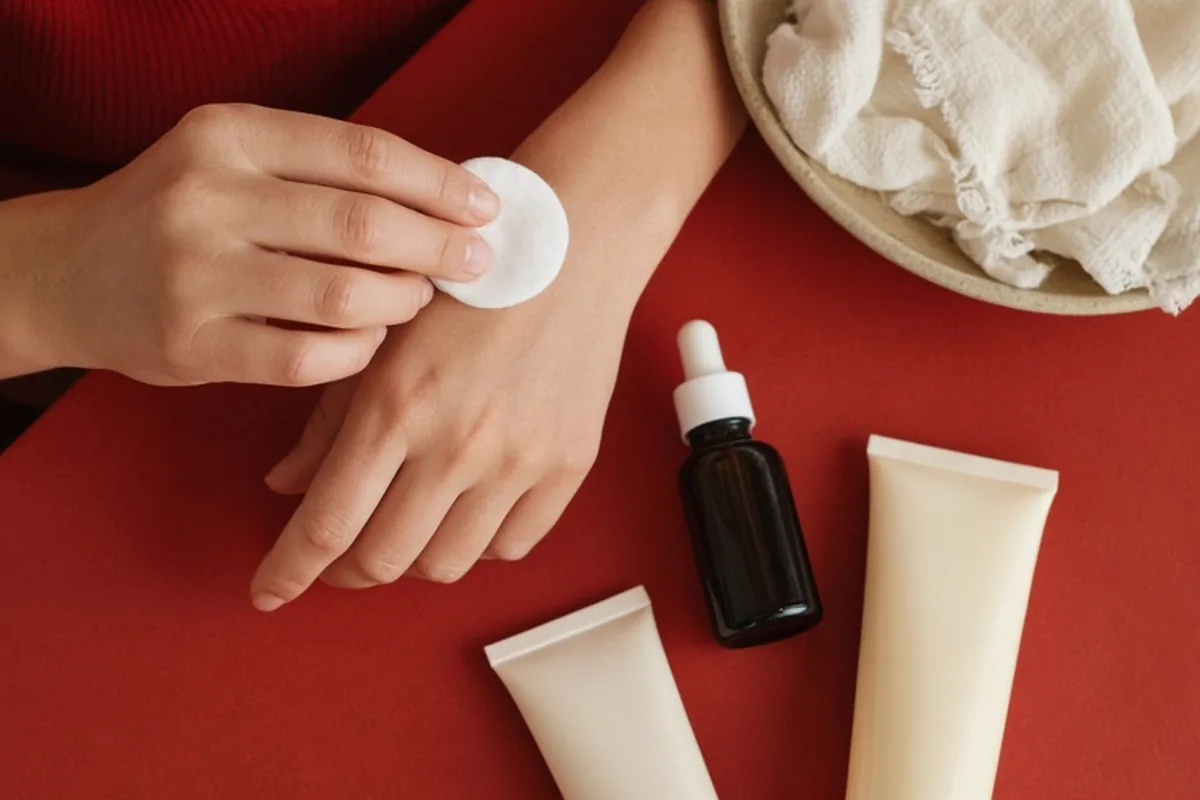
A reliable sensitive skin routine focuses on reducing friction, maintaining hydration, and supporting the skin barrier using three core steps: a gentle, non-foaming cleanser, a fragrance-free barrier moisturizer with ceramides, and a mineral sunscreen. Limiting active ingredients, washing with lukewarm water, and introducing only one new product at a time helps prevent irritation while keeping skin balanced and calm.
Managing easily irritated skin often feels like walking a tightrope where weather changes, new formulas, or even plain tap water cause stinging and redness. The most effective approach is not finding an elaborate multi-step regimen, but paring down your daily steps to protect the skin barrier and minimize contact with potential irritants.
Core Principles of a Minimal Sensitive Skin Routine
Sensitive skin is characterized by heightened reactivity to environmental factors, friction, and topical formulations. A compromised stratum corneum—the outermost layer of skin cells and lipids—allows moisture to escape easily while letting potential irritants penetrate deeper into the epidermis. When developing a daily regimen, the goal is not to aggressively treat perceived flaws, but rather to reinforce this natural lipid shield through gentle, consistent habits. A minimalist routine eliminates common triggers such as essential oils, artificial fragrances, drying alcohols, and abrasive physical scrubs, reducing the total chemical burden your skin processes each day.
Simplifying your daily skincare line-up to three foundational categories—cleansing, moisturizing, and sun protection—dramatically lowers the probability of adverse reactions. When you apply ten different products simultaneously, pinpointing which bottle caused sudden itching or burning becomes nearly impossible. By maintaining a streamlined baseline of trusted essentials, you create a stable foundation. This baseline gives your skin the space it needs to self-regulate, while giving you complete clarity on how individual formulas perform over time.
- Cleanse with low-friction, non-stripping formulas.
- Moisturize with lipid-rich ingredients like ceramides and fatty acids.
- Protect daily with broad-spectrum mineral UV filters.
Step-by-Step Morning Routine for Daily Defense
The primary purpose of a morning routine for sensitive skin is defensive: shielding the face from environmental stressors, dry indoor air, and ultraviolet radiation without adding unnecessary weight. Many people with sensitive skin wake up with relatively balanced skin and find that a full foaming wash in the morning strips away natural oils that accumulated overnight. In many cases, rinsing thoroughly with cool or lukewarm water is sufficient to refresh the skin. If you wake up feeling oily, a nickel-sized amount of a gentle lotion cleanser formulated for reactive skin can cleanse without leaving a tight sensation.
Following your rinse or light wash, apply a lightweight, soothing hydrator or moisturizer directly to damp skin to seal in moisture before it evaporates. After your moisturizer has absorbed for a minute or two, finish with a broad-spectrum sunscreen offering at least SPF 30. Mineral sunscreens featuring zinc oxide or titanium dioxide are typically preferable for reactive skin because they sit on the surface of the skin to deflect light, whereas certain chemical filters can occasionally generate warmth or cause contact sensitivity during application.
Step-by-Step Evening Routine for Barrier Recovery
Evening care centers on gentle removal of daily residue—including airborne particulate matter, sweat, and sunscreen—followed by intensive replenishment. If you wear mineral sunscreen or makeup, a single gentle cleanser may not completely dissolve the physical filters without harsh rubbing. To avoid mechanical friction, consider a very gentle double cleanse using a fragrance-free cleansing oil or balm, followed immediately by a soothing milk or gel-cream cleanser. Massaging gently with your fingertips in slow circular motions lifts debris without the need for abrasive washcloths or facial brushes.
After gently patting your face dry with a clean cotton towel, apply a richer evening cream designed to support barrier lipids while you sleep. Evening formulas can be slightly thicker than daytime lotions, incorporating ingredients like shea butter, squalane, or colloidal oatmeal to calm low-grade tightness. For particularly dry or irritated patches around the nose or cheeks, you can apply a thin layer of a petrolatum-based ointment over your moisturizer to lock in hydration and guard against overnight moisture loss.
Ingredients to Prioritize and Ingredients to Approach with Caution
Selecting suitable formulas requires learning to read product labels with an eye for supportive lipids and soothing agents. Beneficial components include ceramides, which replenish natural structural fats between skin cells; hyaluronic acid and glycerin, which attract water into the upper epidermal layers; and calming botanicals like centella asiatica, madecassoside, panthenol (vitamin B5), and colloidal oatmeal. These compounds work together to alleviate visible redness, restore hydration levels, and encourage natural barrier resilience against everyday friction.
Conversely, reactive skin tends to flare when exposed to volatile compounds, synthetic fragrances, and aggressive exfoliants. Ingredients requiring extreme caution include denatured alcohol, essential oils (such as lavender, eucalyptus, or citrus extracts), high-concentration alpha-hydroxy acids, and synthetic dyes. Even strong active ingredients like pure L-ascorbic acid or prescription retinoids, while beneficial for some skin goals, should be postponed until your barrier is completely calm and then introduced only at mild concentrations buffered by moisturizer.
- Beneficial: Ceramides, glycerin, squalane, panthenol, and colloidal oatmeal.
- Potential Triggers: Fragrances, essential oils, high-strength acids, and drying alcohols.
Safe Patch Testing and Product Introduction Methods
Introducing new skincare products without testing them first is a frequent cause of sudden skin flare-ups. A proper patch test helps you evaluate potential adverse reactions before applying a product to your entire face. Apply a pea-sized amount of the new product to a discreet yet representative area, such as behind the ear or on the inner forearm, twice daily for three to five consecutive days. Monitor the test site closely for signs of delayed contact dermatitis, including redness, itching, small bumps, or a burning sensation.
If the patch test area shows no signs of irritation after several days, proceed to a secondary test on a small section of your jawline. Once cleared, incorporate the product into your routine one item at a time, keeping all other routine elements identical for at least two to three weeks. This deliberate spacing ensures that if a breakout or sensitivity occurs, you know immediately which specific product is responsible, sparing you the frustration of troubleshooting an entire multi-product change.
Recognizing Barrier Damage and Managing Flare-Ups
Skin sensitivity often fluctuates depending on lifestyle, stress, weather extremes, and product exposure. A damaged skin barrier commonly manifests as stinging when applying previously gentle products, persistent facial redness, rough flaking texture, unusual tightness after washing, or sudden breakouts of tiny surface bumps. When these symptoms appear, the most effective response is to immediately halt all active ingredients, chemical exfoliants, and complex serums, reverting strictly to a basic cleanser and a simple barrier cream.
During an active flare-up, avoid hot showers and vigorous face rubbing, as high temperatures dilate capillaries and exacerbate moisture loss. Instead, use tepid water, pat dry with gentle pressure, and apply your calming moisturizer while the skin remains slightly damp. Most mild barrier disruptions begin to stabilize within two to four weeks of simplified care. If severe swelling, continuous burning, or blistering occurs, consulting a board-certified dermatologist is the safest course of action to identify underlying conditions such as rosacea, eczema, or contact allergies.
Illustrative Scenarios
Adjusting Routine Habits to Restore Balance
An illustrative composite case involves an individual who experienced persistent stinging and dry patches after using multiple anti-aging serums alongside a foaming cleanser. Believing their skin needed deeper hydration, they initially added more botanical oils, which further intensified redness. By stripping their daily regimen down to a basic cream cleanser, a fragrance-free ceramide lotion, and daily mineral sunscreen—while pausing all active serums for four weeks—their facial tightness and stinging steadily subsided.
Key point: Simplifying skincare steps and removing fragrant extracts often resolves ongoing reactivity faster than layering additional corrective treatments.
Frequently asked questions
How often should I wash sensitive skin?
Washing sensitive skin once or twice daily is generally appropriate, depending on your oil production and daily activities. A gentle water rinse in the morning followed by a mild evening cleanse is often ideal for preventing excessive dryness. If you exercise or sweat heavily, a quick wash with a gentle lotion cleanser helps remove salt and debris without stripping your barrier.
Can I exfoliate if I have sensitive skin?
Exfoliation is possible for some sensitive skin types, but it must be approached with great care and moderation. Physical scrubs and strong alpha-hydroxy acids frequently cause irritation, so gentler alternatives like polyhydroxy acids (PHAs) or mild enzyme cleansers used once weekly are typically safer starting points. If your skin feels tight, stings, or shows redness, hold off on all exfoliants until your barrier is completely calm.
Is a physical sunscreen better than a chemical sunscreen for sensitive skin?
Mineral or physical sunscreens using zinc oxide and titanium dioxide are often better tolerated by reactive skin because they form a protective barrier on the surface rather than absorbing into the skin. Zinc oxide also has mild natural soothing properties that can help reduce visible irritation. However, some modern chemical filters are also gentle, so personal tolerance and formulation quality remain key factors.
How long does it take for a sensitive skin barrier to heal?
Repairing a compromised skin barrier typically takes anywhere from two to four weeks of consistent, gentle care. Factors such as the severity of the irritation, environmental humidity, and how quickly irritants are eliminated influence the timeline. Maintaining a minimal routine during this recovery window allows the skin's natural lipid matrix to rebuild without recurring disruptions.
Your next step
Review your current skincare shelf today, set aside any fragranced products or aggressive exfoliants, and commit to a minimal cleanser, moisturizer, and sunscreen routine for the next three weeks.