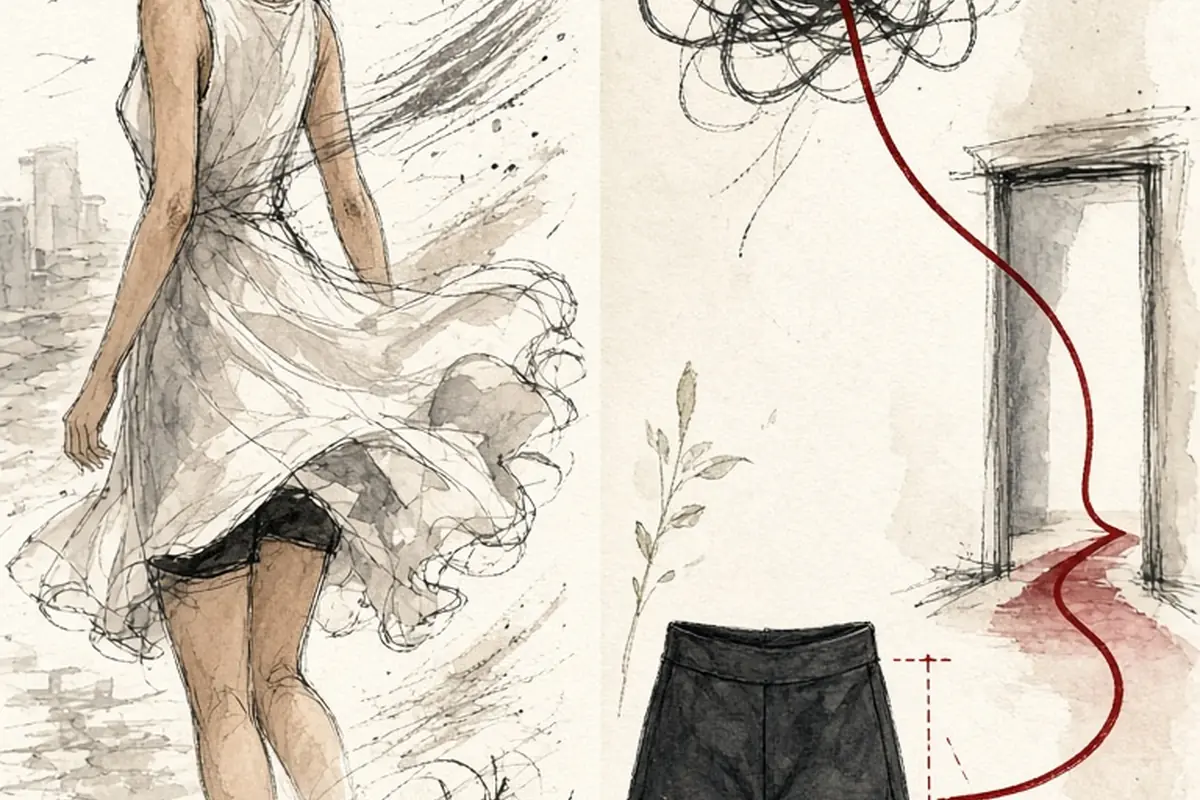
Wearing shorts under dresses prevents painful inner-thigh chafing, provides reliable coverage in breezy weather, and creates a smooth base layer under various silhouettes. To choose the right pair, prioritize lightweight, moisture-wicking fabrics like modal, bamboo, or nylon-spandex blends. Select an inseam that sits two to three inches above your dress hemline, and look for flat or laser-cut edges to avoid visible lines and leg roll-up.
Dresses offer effortless style and ventilation in warm weather, but practical concerns like thigh friction, sudden gusts of wind, and sheer fabrics can disrupt your comfort. Layering the right pair of undershorts beneath your skirts solves these everyday issues without adding unnecessary warmth or bulk.
Core Reasons to Wear Shorts Under Dresses
The primary motivation for wearing shorts beneath a dress or skirt is managing friction between the inner thighs. When bare skin rubs against bare skin during repetitive movement, especially in humid conditions or elevated temperatures, friction quickly leads to chafing, irritation, and soreness. Slip shorts and lightweight bike shorts act as a continuous fabric barrier, eliminating skin-to-skin contact so you can walk, commute, or dance comfortably for hours.
Beyond chafing relief, undershorts deliver peace of mind during everyday physical activities. Stepping onto public transit, climbing open staircases, cycling, sitting on outdoor furniture, or managing an energetic pet often requires moving in ways that risk exposing traditional underwear. A dedicated pair of coverage shorts removes the need to constantly monitor your hemline, letting you move naturally regardless of wind or skirt fullness.
- Eliminates friction-induced skin chafing during long walks, commutes, and warm-weather outings.
- Provides dependable modesty when cycling, bending over, or managing sudden gusts of wind.
- Protects delicate dress fabrics from direct perspiration, keeping outer garments cleaner throughout the day.
- Prevents static cling from causing lightweight skirts to bunch awkwardly between your legs.
Fabric Breakdown: Choosing Between Natural and Synthetic Fibers
The textile composition of your undershorts largely determines how cool, dry, and comfortable you remain. Natural and semi-synthetic plant-derived fibers like bamboo viscose, modal, and ultra-fine micro-modal are celebrated for their exceptionally soft hand-feel and high breathability. These fabrics glide effortlessly under cotton, linen, and knit garments without generating static. Because they allow ample airflow and feel gentle against sensitive skin, modal and bamboo shorts are ideal for relaxed daytime wear in moderate heat.
Synthetic performance fabrics, such as nylon-spandex and polyester-elastane blends, excel at moisture management and active use. High-quality microfiber pulls sweat away from the body to the outer surface of the fabric where it evaporates quickly, preventing dampness during intense activity or high humidity. Synthetic blends also offer superior multidirectional stretch and shape retention, meaning they are less likely to stretch out or sag after hours of continuous wear. However, heavier synthetics can trap heat if the knit is too dense, so look for featherweight or mesh-paneled designs for hot summer days.
Selecting the Right Inseam Length and Rise for Your Silhouette
Inseam length determines both the coverage level and the risk of your undershorts peeking out beneath your hem. A three-inch to four-inch inseam is best suited for mini dresses and higher hemlines, offering discreet modesty while staying concealed. However, shorter inseams have a higher tendency to ride up if your thighs naturally rub together lower down the leg. For knee-length, midi, and maxi dresses, a five-inch to seven-inch inseam provides superior thigh protection and remains securely in place throughout the day.
Waistband rise is equally important for comfort and garment alignment. High-waisted styles sit at the natural waist or just below the ribcage, anchoring the garment firmly so it does not slide down when you sit or bend. High rises also pair seamlessly with fit-and-flare, empire-waist, and wrap dresses. Mid-rise cuts work well for shift dresses, straight silhouettes, and lower-slung waistlines. A mismatched rise can cause the shorts waistband to dig in right where your dress cinches, creating an uncomfortable ridge.
Seam Construction and Hem Design: Preventing Lines and Roll-Up
One of the most frequent frustrations with undershorts is leg bands rolling up into the groin or thick seams showing through fitted clothing. Traditional folded and stitched hems often create a visible ridge under lightweight silk, rayon, or jersey dresses. To achieve an invisible look, seek out laser-cut edges, raw-cut hems, or bonded seam technology that lay completely flat against the skin.
To prevent leg bands from rolling upward as you walk, examine how the opening is constructed. Some brands use ultra-thin silicone grip strips around the inner leg opening to keep the fabric anchored. While effective, silicone can sometimes irritate sensitive skin during extended sweating. Alternatively, look for wide, graduated tension bands that distribute hold evenly across several inches of the thigh rather than relying on a single tight band of elastic that squeezes the flesh.
Slip Shorts vs. Shaping Shorts: Assessing Compression Needs
It is essential to distinguish between non-compressive slip shorts and dedicated shapewear shorts, as they serve entirely different purposes. Slip shorts are designed purely for comfort, chafe prevention, and light coverage. They feature minimal to zero compression, feeling like a weightless second skin that slides smoothly against outer fabrics. Because they do not squeeze your midsection or thighs, you can wear them comfortably all day without feeling restricted, making them the standard choice for casual outings, workdays, and summer heat.
In contrast, shaping shorts incorporate firm elastane panels intended to contour the waist, hips, and upper thighs under form-fitting garments like bodycon dresses or tailored sheath dresses. While they create a structured, streamlined profile, the increased compression reduces breathability and can become hot or constricting over long periods. When choosing between the two, consider your outfit structure and daily itinerary: choose slip shorts for everyday ease and breathable movement, and reserve firm shapewear for occasions where targeted structural smoothing is necessary.
Color Selection and Transparency Management
Choosing the appropriate color ensures your undershorts remain completely invisible, even under thin, unlined, or light-colored dresses. A common misconception is that white shorts should be worn under white or cream garments. In reality, stark white fabric contrasts sharply with human skin tones, creating an obvious outline beneath semi-sheer fabrics. Instead, select a neutral shade that closely matches your individual skin tone, such as beige, tan, caramel, mocha, or deep brown.
For darker garments, bold floral prints, and structured fabrics, black or charcoal undershorts are versatile, practical options that double as athletic shorts. If you are wearing a dress with high side slits or a sheer overlay where the shorts might be intentionally visible during movement, choosing a clean, opaque black or coordinating solid color creates a deliberate, sporty, and styled aesthetic rather than looking like exposed lingerie.
Care, Maintenance, and Travel Versatility
Proper maintenance preserves the stretch, recovery, and softness of your undershorts over dozens of wash cycles. Because these garments contain delicate elastane, spandex, or fine micro-modal yarns, avoid washing them in hot water or using harsh fabric softeners, which break down elastic fibers over time. Wash them on a gentle cycle in cool water, preferably inside a mesh laundry bag, and hang or lay them flat to air dry to maintain their shape and prevent premature bagging at the thighs.
Undershorts are also among the most practical garments to pack for warm-weather travel. A few pairs of ultra-lightweight slip shorts take up negligible suitcase space, dry rapidly when hand-washed in a hotel sink, and can pull double duty as comfortable sleepwear or loungewear in your room. Bringing two neutral pairs that match your skin tone and one dark pair covers virtually every dress in your travel wardrobe.
Frequently asked questions
Should you wear underwear under slip shorts, or do they replace underwear?
Most slip shorts feature a breathable cotton or moisture-wicking gusset designed to be worn directly against the skin without separate underwear. Wearing an extra layer beneath them can cause unnecessary bulk, increased warmth, and visible panty lines. However, you can wear regular underwear underneath if you prefer personal preference or need extra absorbency.
How do you stop shorts from rolling down at the waist or up at the legs?
To prevent waistband roll-down, choose a high-rise cut that sits securely at your natural waist rather than resting across the widest part of your belly. To stop the legs from riding up, select an inseam long enough to cover the friction zone of your inner thighs and avoid styles with narrow, tight elastic leg openings that pinch and crawl.
Can regular athletic bike shorts be worn under dresses?
Athletic bike shorts can work well under casual, loose-fitting dresses or structured fabrics. However, standard athletic shorts often have thick seams, dense compressive fabric, and exterior pockets that can create visible bulk under lightweight, delicate, or form-fitting skirts.
What is the best fabric for wearing shorts under dresses in extreme heat?
Ultra-lightweight modal, bamboo viscose, or perforated nylon-spandex microfiber blends are best for extreme heat. These textiles offer exceptional breathability, dry quickly, and prevent overheating while still eliminating friction.
Your next step
Measure the distance from your upper thigh to your favorite dress hemline, then select a lightweight, skin-toned pair of slip shorts with a five-inch to seven-inch inseam for versatile, all-day chafe protection and coverage.