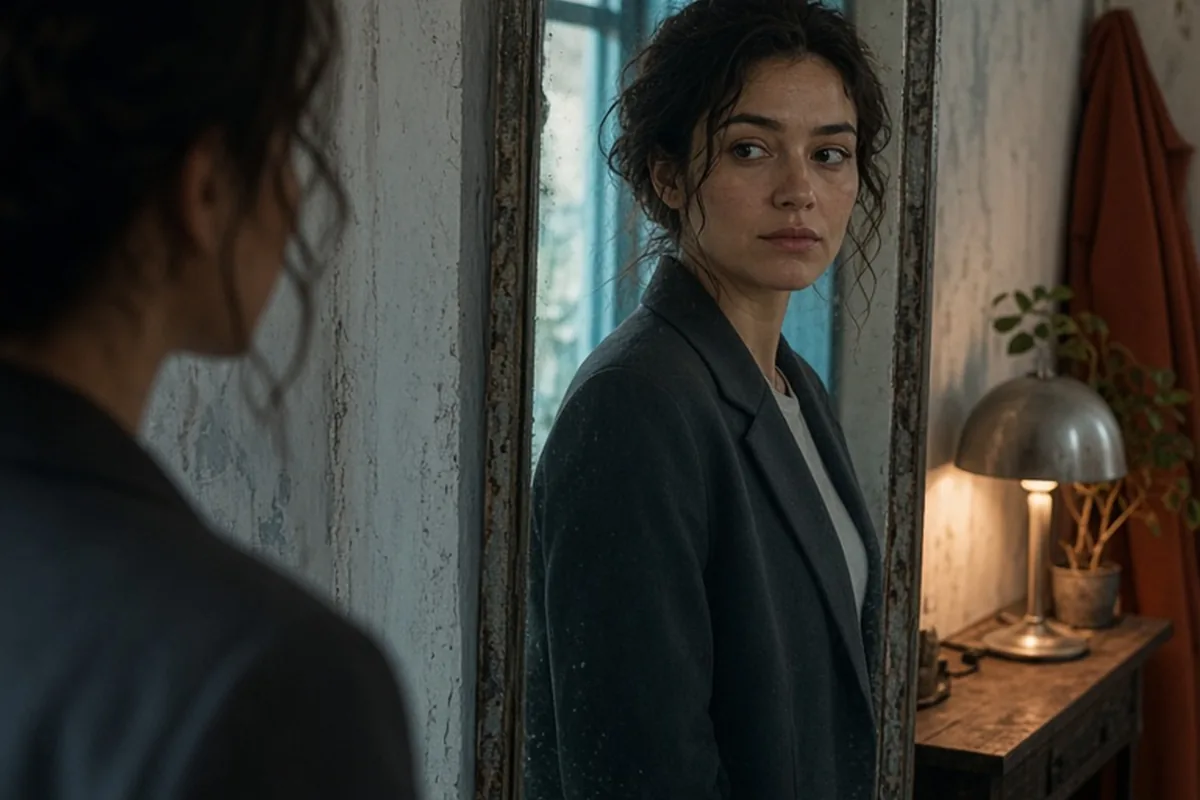
You do not have to wear makeup to a job interview, but wearing a minimal, neat look can help you present a polished, intentional appearance if you feel comfortable doing so. The best choice depends on your personal daily habits, industry norms, and what makes you feel grounded and professional during the conversation.
Preparing for an interview involves balancing how you want to be perceived with how you feel most like yourself. Navigating grooming standards can sometimes bring unnecessary stress, especially when workplace expectations vary dramatically across different fields.
Evaluating Workplace Culture and Industry Norms
Workplace expectations around cosmetics range from highly traditional environments to settings where bare skin is the everyday standard. In corporate sectors such as law, finance, luxury retail, and high-end hospitality, conservative grooming standards often favor subtle, polished makeup that evens skin tone and provides a rested appearance. In contrast, tech startups, trade roles, non-profit organizations, and outdoor recreation companies frequently embrace casual aesthetics where makeup is completely optional or rarely worn by team members.
To get a realistic sense of an organization's unspoken standards, look at the company's website, team directory, and active social media channels. The images employees share give practical clues about daily office culture. If staff members appear in formal attire with structured styling, opting for a light, neat routine ensures consistency with their environment. If everyone is dressed in casual apparel without visible cosmetics, showing up completely bare-faced or with very subtle grooming will feel entirely natural.
Keep in mind that while observing industry patterns is helpful, you are never required to adopt an uncomfortable routine solely to match an external standard. An interview is a two-way evaluation where you assess whether the day-to-day environment aligns with your personal comfort and working style.
The Case for Attending an Interview Makeup-Free
If you do not wear cosmetics in your personal life, attempting a full makeup application on the morning of a high-stakes interview can create unneeded stress. Wearing unfamiliar products can make you overly conscious of your face, leading to nervous touching, worrying about smudging, or feeling disconnected from your authentic presentation. Hiring managers focus primarily on your qualifications, communication clarity, problem-solving skills, and enthusiasm for the role.
A makeup-free presentation is completely professional when paired with clean, intentional grooming. Prioritizing skin hydration, a clean face, neat eyebrows, brushed hair, and moisturized lips communicates self-respect and thorough preparation just as effectively as a cosmetic routine. When you feel physically comfortable, your focus stays where it belongs: on the dialogue between you and the hiring team.
The primary trade-off of skipping makeup is navigating traditional biases that occasionally exist in highly conservative corporate settings. However, presenting yourself cleanly and authentically filters out employers whose cultural expectations might clash with your daily preferences once hired.
Designing a Subtle, Professional Interview Routine
If you decide to wear makeup, the most effective approach is generally a fresh, neutral style that accentuates your features without drawing attention away from what you are saying. The goal is simply to appear awake, attentive, and composed. Dramatic techniques like heavy contouring, intense smokey eyes, false eyelashes, and high-glitter highlights can distract from facial expressions and eye contact under harsh office lights.
A reliable professional routine centers on balanced skin, soft definition around the eyes, and a natural lip color. Selecting formulas that mimic skin texture prevents the heavy, caked look that sometimes develops under artificial lighting or after hours of wearing products.
- Light base coverage: A tinted moisturizer, BB cream, or light foundation paired with a spot concealer to soften dark circles and redness.
- Defined brows: Lightly filling sparse areas with a brow pencil or grooming hairs in place with a clear or tinted brow gel.
- Soft eye definition: A swipe of neutral eyeshadow in taupe, beige, or soft brown, finished with a single coat of brown or black mascara.
- Subtle color: A light dusting of neutral blush to add warmth to the cheeks and prevent a flat appearance under fluorescent lights.
- Neutral lip: A tinted balm, satin lipstick, or soft gloss close to your natural lip shade that does not transfer easily or require constant precision.
Adjusting Your Approach for Virtual Versus In-Person Formats
The medium of your interview plays a significant role in how makeup translates visually. Webcams and video conferencing software tend to flatten dimensions, mute subtle color, and amplify oily sheen. Under home office ring lights or direct monitor glare, bare skin can sometimes look washed out, while dewy foundations might read as excessive shine on camera.
For a virtual interview, matte or satin finishes perform better on screen than overly luminous products. Defining your brows and lash line slightly more than you would in person helps your facial expressions come through clearly across low-resolution camera feeds. Using a small amount of translucent setting powder across the forehead, nose, and chin keeps glare under control during the video call.
In-person interviews require the exact opposite caution. Daylight and bright office fixtures expose heavy powder, uneven blending, and dry patches quickly. For in-person meetings, prioritize lightweight textures, thorough blending around the jawline, and natural hydration so your skin looks clean and fresh up close.
Managing Midday Shine, Nerves, and Long Commutes
Interview anxiety naturally elevates body temperature and heart rate, which can trigger facial sweating, redness, or oil production. Planning for these physical responses in advance keeps you from feeling flustered right before you meet your interviewer.
Prep your skin with a lightweight, oil-free moisturizer and a gripping or mattifying primer on areas prone to oiliness. If you have a long commute by train, bus, or car, avoid applying heavy layers that might shift in transit. Instead, carry a compact touch-up kit containing oil-blotting papers, a pocket mirror, a pressed translucent powder, and a hydrating lip balm.
Plan to arrive near the interview location fifteen minutes early. Use a nearby restroom to check your reflection, blot away any perspiration without disturbing your skin, reapply lip balm or neutral color, and take a steady breath before checking in at reception.
Balancing Personal Identity, Gender Expression, and Workplace Standards
Decisions regarding makeup often intersect with personal identity, gender presentation, and cultural values. People of all genders use cosmetics for different reasons, whether to conceal blemishes, define features, or express personal aesthetic choices. In professional settings, the general guideline across all gender expressions is intentionality and balance.
If you use makeup as an important component of your gender affirmation or personal identity, presenting your authentic self during the interview ensures you join an organization that respects and values who you are. Suppressing your presentation entirely to fit a rigid mold can lead to dissatisfaction once you are in the role every day.
When deciding how to present yourself, weigh your personal comfort against the practical realities of the industry. Choosing a clean, polished presentation that honors your self-expression allows you to speak with conviction while maintaining a professional presence.
Illustrative Scenarios
Choosing Between Bare Skin and Minimal Grooming
Jordan was preparing for two interviews in the same week: one for a software engineering position at a casual tech company and another for a client-facing operations role at an established consulting firm. Jordan rarely wore makeup daily and worried that attempting an elaborate routine would feel unnatural. For the tech interview, Jordan chose a completely makeup-free look paired with a clean skincare routine and neat brows. For the consulting firm, Jordan decided on a light tinted moisturizer, a touch of mascara, and a tinted lip balm to add subtle polish without feeling masked.
Key point: Tailoring your grooming routine to the specific workplace context allows you to maintain comfort while matching the general formality of the environment.
Frequently asked questions
Is it unprofessional to go to a job interview without any makeup?
No, it is not unprofessional to attend an interview without makeup. Clean, healthy skin, well-groomed hair, and a neat outfit demonstrate professionalism and preparation on their own.
Can wearing bold lipstick or dark eyeliner hurt my chances?
Bold or dramatic makeup can sometimes draw attention away from your conversation and may not match conservative office environments. If you enjoy color, consider saving bold shades for after you have evaluated the day-to-day culture of the team.
What should I do if I get red or blotchy when I am nervous?
A light layer of color-correcting green primer or a medium-coverage concealer can help neutralize redness on the cheeks and neck. Staying hydrated and taking slow, deep breaths before the interview also helps calm the physical nervous response.
Should men consider wearing makeup to an interview?
Men can certainly use targeted products, such as a matte moisturizer, spot concealer for blemishes or dark circles, and lip balm, to appear well-rested and neat. Subtle grooming is completely acceptable across all gender identities.
Your next step
Test your planned grooming routine and interview outfit in natural light at least one day before your meeting so you feel calm, prepared, and confident.