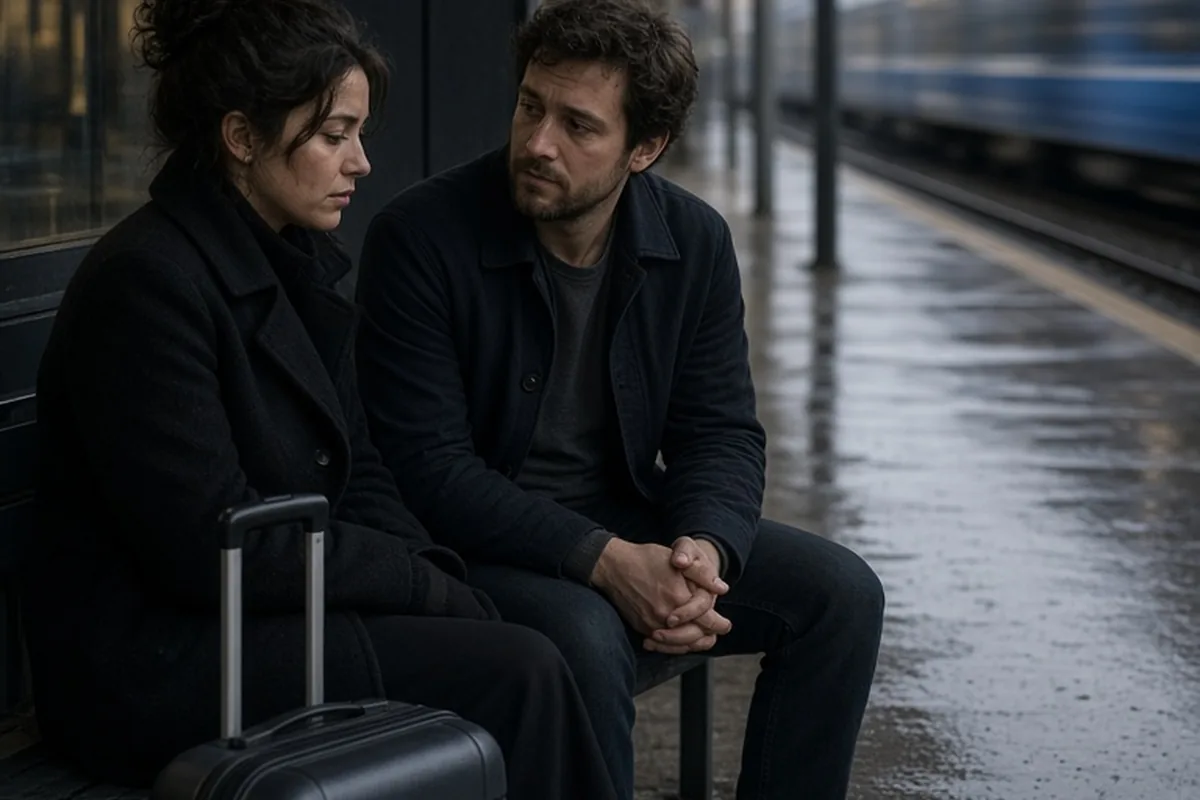
You are likely not ready to date if you still obsess over an ex, look for a partner to fix your loneliness, feel chronic dread at the thought of meeting someone new, or regularly suppress your boundaries to keep others happy. Dating requires spare emotional energy, curiosity, and self-possession. If modern romance feels like a defensive chore or a validation test, taking an intentional pause is your healthiest and most respectful move.
Modern social culture often treats being single as an urgent problem that requires immediate fixing. Yet entering the dating scene before you have the capacity to handle its inevitable friction almost always produces burnout, miscommunication, and unnecessary emotional collateral for everyone involved. Taking honest stock of your current bandwidth is an act of clarity and self-respect that preserves your peace.
Unresolved Emotional Attachment and Resentment Toward an Ex
One of the clearest signs that you should pause dating is that your thoughts constantly loop back to your previous relationship. When you catch yourself monitoring an ex partner on social media, rehearsing imaginary arguments, or wishing they would reach out with an apology, your emotional focus remains anchored in the past. Dating someone new in this state turns that person into an unwitting juror or a tool for comparison. Instead of getting to know someone for who they are, you evaluate how well they compensate for your past heartaches or how their traits measure up to someone who is no longer in your life.
Notice what happens during an actual conversation. If a casual remark from a date makes you want to vent about how your former partner let you down, you are carrying unprocessed anger or grief. While it is unrealistic to wait for one hundred percent closure—since internal peace is an evolving personal choice rather than a finished event—dating requires enough detachment that your past is not running the show. If your primary motivation is proving that you are desirable after a split or trying to make someone envious, stepping away will save you and your future dates substantial distress.
Using Romantic Matches as an Antidote to Loneliness
When quiet evenings feel unbearable or your self-worth feels shaky, dating apps can quickly become an emotional slot machine. Swiping, receiving matches, and setting up drinks provide a quick hit of validation that temporarily masks deeper issues like loneliness, career dissatisfaction, or general aimlessness. The hazard of this approach is that when a date fails to message back, cancels plans, or shows mild disinterest, your emotional equilibrium plummets. Outsourcing your self-esteem to a stranger creates a precarious dynamic where you need their approval to feel stable.
Pay attention to your internal mindset before you walk into a venue. If you find yourself desperate to be liked before you have even determined whether you like them, you are dating for validation rather than compatibility. A solid relationship adds joy to an already grounded life; it cannot construct personal fulfillment out of thin air. Craving companionship is fundamentally human, but expecting a new acquaintance to rescue you from your own boredom or solitude places a burden on a budding romance that no healthy person can carry.
Persistent Dating Burnout, Cynicism, and Premature Defensiveness
Dating fatigue frequently disguises itself as practical wisdom. If your starting assumption is that everyone online is dishonest, flaky, emotionally unavailable, or selfish, you have crossed from healthy caution into defensive cynicism. When you anticipate rejection or betrayal around every corner, you stop engaging with curiosity. Instead, dates turn into skeptical interrogations where you aggressively scan for red flags simply so you can cut the connection before the other person has a chance to hurt you.
This protective wall shields your pride, but it effectively ruins any possibility of building real connection or warmth. Cynicism is exhausting to carry and instantly recognizable to the people sitting across from you. When dates detect guarded bitterness, they naturally pull back, creating a self-fulfilling loop that confirms your worst assumptions. Pushing through this exhaustion rarely resolves it. The constructive answer is a definitive break from apps and blind dates so you can replenish your social energy through low-stakes friendships and genuine rest.
Abandoning Boundaries and People-Pleasing to Secure Approval
When you are not dating from a grounded center, the fear of rejection easily overpowers your personal standards. You might observe yourself agreeing with opinions you privately reject, rearranging your personal commitments at the last minute for a near-stranger, or overlooking obvious dealbreakers such as chronic unreliability or dismissive comments. You try so hard to appear agreeable, low-maintenance, and charming that you completely abandon your own needs and voice in the process.
This dynamic often feels like intense chemistry in the beginning, but it is actually an anxious attachment reaction. If speaking up about your preferences or asking for straightforward communication triggers panic that the person will leave, your boundaries need reinforcement before you continue dating. Healthy adult dating requires the willingness to let someone walk away if they cannot respect your boundaries. If you cannot afford that risk because rejection feels catastrophic, you are better off practicing self-advocacy in lower-stakes settings like work or friendships first.
Severely Depleted Time, High Life Stress, and Zero Emotional Bandwidth
Developing a genuine romantic bond is not a passive activity. It demands dependable time, clear mental presence, and mutual effort. If you are currently dealing with an intense career pivot, chronic health concerns, severe financial strain, or heavy family responsibilities, your nervous system may already be running on empty. Adding courtship to an overloaded plate frequently leads to late cancellations, distracted meetups, and persistent guilt over not offering what a partner deserves.
Real life is never entirely free of friction, and nobody needs perfect circumstances before they start meeting people. However, there is a fundamental difference between normal life stress and an absolute deficit of margin. If finding an hour of downtime during the week feels impossible or replying to simple messages feels like an overwhelming task, bringing a new person into your orbit is unfair to both of you. Recognizing that you do not have the logistical capacity for a partnership right now is a sensible evaluation, not an admission of defeat.
Misrepresenting Your Intentions Out of Insecurity
Another telltale sign of unreadiness is pretending to want a casual, non-committal dynamic when you secretly hope for a long-term relationship, or claiming you want a marriage when you only have the energy for casual drinks. When people feel anxious about shrinking their dating prospects, they often mirror whatever their date says they want. This misrepresentation sets up silent expectations, smoldering resentment, and painful breakups when the truth inevitably emerges.
Readiness to date requires the courage to be candid about your reality and your goals. If your schedule, financial status, or personal commitments limit what you can offer, masking those limitations will always backfire. Entering the dating arena responsibly means being willing to express your genuine intentions clearly and accepting that some attractive people will not be a match. If turning away an incompatible match feels too difficult right now, you need more clarity on your personal priorities before resuming the search.
How to Use an Intentional Dating Hiatus to Reset
Stepping back from dating does not mean giving up or withdrawing into social isolation. Instead, treat it as a deliberate period of personal renewal. Use this time to resolve the internal friction points that made dating feel so difficult. Invest your weekends in non-romantic hobbies, strengthen your support network with solid friends, re-establish your physical and sleep habits, and practice clear boundaries in everyday interactions. When your solitary routine feels stable and peaceful, your dependence on romantic validation fades.
You will recognize that your reset has worked when the idea of dating transitions from an anxious requirement into an enjoyable, curious possibility. You are ready when a canceled date or an incompatible match feels like simple logistics rather than an attack on your worth, and when you can decline a second date with someone who does not match your values without feeling guilt or fear of being alone.
Illustrative Scenarios
Recognizing Lingering Attachment on a Third Date
Marcus, a thirty-four-year-old engineer, found himself on a dinner date checking his phone beneath the table to see if his ex had posted updates from an event. While his date was engaging and considerate, Marcus spent the evening mentally grading her conversational cadence against his former partner's style. Sensing his own detachment, Marcus tried to compensate with rehearsed enthusiasm, but drove home feeling depleted and dishonest. Rather than setting up a fourth date or continuing to swipe, Marcus paused his accounts, recognizing that his mental energy was still consumed by his past breakup.
Key point: Comparing dates to a previous partner indicates that your emotional focus remains in the past, calling for quiet healing rather than rushed dates.
Managing Chronic Burnout Through an Explicit App Break
Elena had cycled through dating apps for over a year without a genuine break. Whenever she matched with someone, she assumed they would flake, misrepresent their life, or waste her time. During drinks at a quiet lounge with a polite match, Elena caught herself interrogating him with hostile suspicion rather than sharing an open conversation. Recognizing that her defensive attitude had become a reflex, she ended the date politely, deleted her dating profiles that evening, and scheduled a mandatory ninety-day pause to reinvest in her personal passions and reclaim her optimism.
Key point: Cynicism toward potential partners is a primary indicator of burnout that only genuine time away from dating can resolve.
Frequently asked questions
How long should I wait to date after a significant breakup?
There is no single timeline that works for everyone because emotional processing depends on relationship depth and personal resilience. A reliable indicator is whether you can speak about your ex neutrally without spikes of anger or yearning, and whether you are genuinely curious about someone new without drawing comparisons. If an ex still dictates your daily mood, give yourself more time.
Is it fine to date casually if I know I am not ready for commitment?
Casual dating can be healthy provided you are entirely transparent about your emotional unavailability from the start. When both people understand and agree on the casual nature of the connection, nobody is misled. However, if you are using casual dating to numb loneliness or avoid addressing personal grief, it usually delays your recovery.
What should I do if I feel excited to date on some days but dread it on others?
Mixed feelings are natural when stepping into vulnerable social situations. The critical factor is distinguishing normal nervousness from profound emotional depletion. If your hesitation feels like ordinary butterflies, you can proceed slowly with one date at a time; if it feels like deep resentment or panic, take a full pause until your daily life feels steady.
Can going on dates help me get over my ex more quickly?
Using a new person to distract yourself from grief rarely speeds up genuine healing. While a good date might supply an immediate ego boost, unprocessed sadness and frustration inevitably resurface once the novelty fades. Allowing yourself to work through the end of the previous chapter in your own space creates far more durable confidence than trying to replace an old connection.
Your next step
Take an honest inventory of your current emotional energy, and if dating currently feels more like an exhausting demand than an enjoyable opportunity, give yourself permission to take a ninety-day pause to rebuild your personal stability.