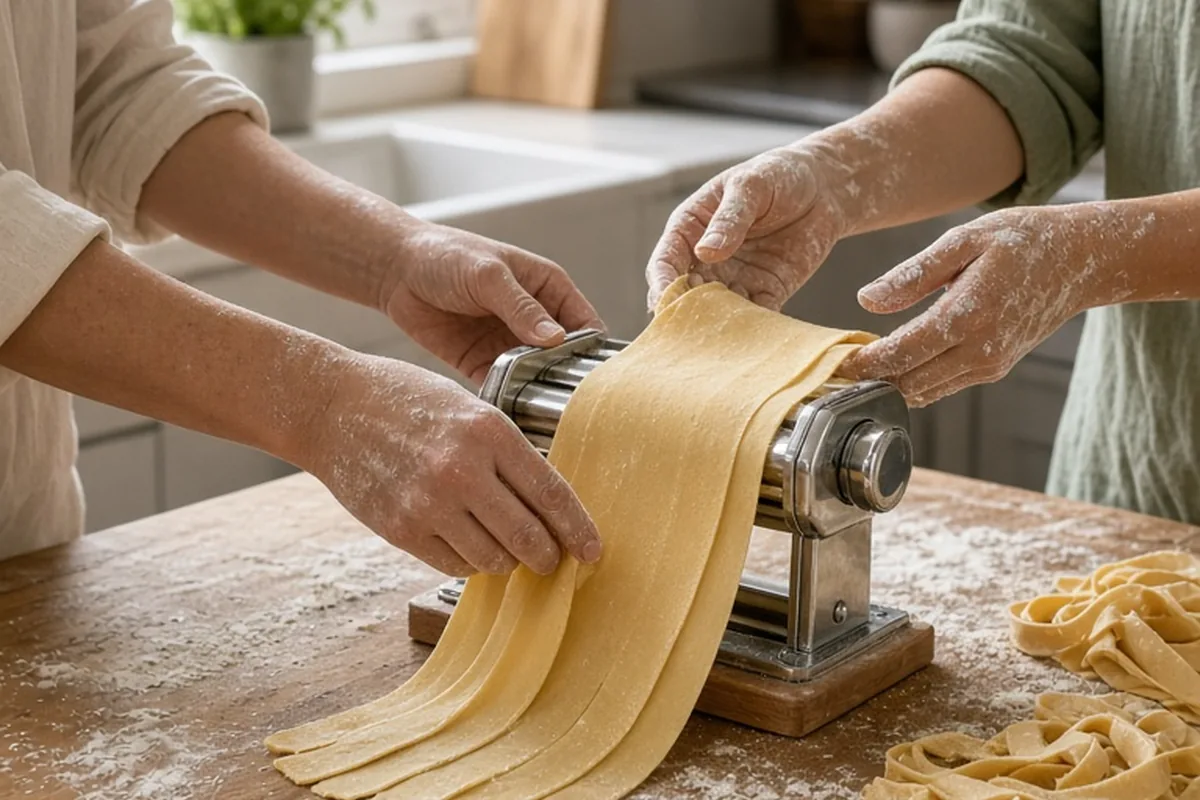
Simple and romantic projects for couples are hands-on, low-stakes activities that encourage collaboration, tactile creativity, and shared focus without causing performance anxiety. Effective options include making fresh pasta from scratch, assembling an indoor terrarium, curating a physical photo album from a shared trip, blending custom candle scents, or designing a signature home cocktail. The romantic spark comes from making mutual decisions, working side by side, and enjoying the process rather than producing a flawless end product.
Shared downtime often defaults to parallel screen time, which offers passive relaxation but rarely deepens emotional connection. Diving into a joint project provides a tangible focal point where conversation flows naturally, teamwork takes center stage, and both partners can experience the unique satisfaction of creating something lasting together.
Tactile Art Projects with Zero Artistic Pressure
Artistic projects often carry an unspoken expectation of technical talent, which can intimidate one partner and stifle the playful atmosphere. The key to keeping art romantic is choosing mediums that celebrate imperfection, such as air-dry clay, canvas rotation painting, or basic block printing. With air-dry clay, for example, you do not need a pottery wheel or a kiln to shape decorative ring dishes, miniature planters, or abstract candle holders. The tactile nature of working with clay engages your senses, while the simple shaping techniques keep the experience relaxed and conversational.
To make an art project genuinely collaborative rather than an isolated exercise in parallel drawing, establish an interactive mechanic. In a canvas swap painting session, each partner starts on a separate small canvas with an agreed-upon color palette. Set a timer for ten minutes, play background music, and switch canvases when the timer dings to continue building on what the other person started. This exercise requires letting go of rigid control and trusting your partner's contribution, which frequently yields both unexpected, charming art and genuine shared laughter.
Culinary Collaborations: Cooking Projects That Turn Dinner into an Event
Preparing standard weeknight dinners often feels like routine chore management, but dedicating an entire evening to a specialized, technique-driven culinary project transforms food into shared entertainment. Handmade pasta is an ideal candidate. Mixing flour and eggs into a well, kneading the dough until smooth, resting it, and cranking it through a manual roller or cutting it by hand demands physical teamwork. One partner can guide the dough through the press while the other catches and dusts the ribbons, turning cooking into a synchronized dance.
Other engaging culinary projects include crafting handmade soup dumplings, assembling an artisanal pizza from slow-fermented dough, or rolling fresh sushi. These meals are effective because they involve multiple distinct preparation stages: mixing, shaping, filling, and final cooking. Divide tasks based on personal preferences rather than cooking hierarchy. Pour a favorite beverage, lay out parchment paper across the counter, and focus on the rhythm of your hands working together rather than rushing toward the final plating.
Cultivating Life: Miniature Terrariums and Indoor Herb Gardens
Working with living plants creates a shared investment in the future, as the finished piece remains in your living space as a daily reminder of your collaboration. Building an enclosed glass terrarium is a contained, mess-friendly project that can be completed in under two hours. You only need a clean glass vessel, pea gravel for drainage, horticultural charcoal to keep the water fresh, potting mix, and a selection of small tropical plants like fittonia, small ferns, and cushion moss.
As you assemble the layers, you make small aesthetic choices together, deciding where to place mini decorative stones, how to contour the soil line, and which foliage balances the composition. If terrariums feel too delicate, building a kitchen windowsill herb box with basil, mint, and rosemary offers both greenery and functional ingredients for future shared meals. Caring for these living items afterward provides an ongoing, quiet ritual that belongs equally to both of you.
Tangible Memory Keeping: Physical Photo Books and Scrapbox Archives
Most couples take hundreds of digital photos during vacations, day trips, and spontaneous weekends, only for those images to languish inside smartphone camera rolls. Taking an afternoon to transform those digital archives into physical keepsakes is a deeply reflective and romantic endeavor. You might print a batch of small square prints from a memorable trip and assemble a traditional scrapbook, or gather movie tickets, museum wristbands, and handwritten notes into a dedicated shadow box.
The collaborative value of this project lies in storytelling. As you sort through prints and decide which moments deserve a spot on the page, you naturally revisit inside jokes, forgotten details of an itinerary, and the emotions of that period. Keep the materials simple: a quality blank album, acid-free glue sticks, fine-tip pens for writing dates or captions, and corner stickers. Resist the urge to make every layout look like a graphic design masterpiece; the charm of a couples scrapbook lies in the candid, personal reflections jotted alongside the photographs.
Designing a Custom Cocktail or Tasting Flight at Home
Turning your kitchen into an experimental beverage lab offers a sophisticated, sensory-driven project that easily fills an evening. Rather than simply mixing a known recipe, pick an evening to formulate your own signature house drink or an alcohol-free botanical mocktail. Begin by simmering two or three custom simple syrups using base ingredients like honey, brown sugar, or demerara, infused with additions such as fresh rosemary, crushed cardamom pods, citrus peels, or lavender blossoms.
Once your bases and syrups are ready, set out glasses, fresh citrus, aromatic bitters, club soda, and your spirits or non-alcoholic distillates of choice. Work together as tasting partners, measuring out half-portions, balancing sweetness against acidity, and taking notes on what works and what misses the mark. You can even design a playful paper menu or handwrite custom labels for the leftover syrups to keep in your refrigerator for upcoming date nights.
Atmosphere Building: Hand-Poured Candle Making and Scent Blending
Fragrance has a powerful link to memory, making candle crafting an intimate and rewarding home project. Using a starter candle-making kit or basic supplies like natural soy wax flakes, cotton wicks, adhesive wick stickers, and glass jars, you can easily melt wax using a simple double-boiler setup on your stove. The technical steps are straightforward, which leaves plenty of mental space to focus on the sensory aspect of the craft.
The creative core of this project is scent blending. Gather four to six essential oils or candle-safe fragrance oils, such as cedarwood, bergamot, amber, vanilla, or eucalyptus. Dip paper blotter strips into different oils and hold them together under your noses to evaluate how the notes harmonize. Choosing a scent combination that both of you love produces a personalized atmosphere that you can illuminate during future quiet dinners or movie nights at home.
Navigating Mismatched Work Styles and DIY Disasters
Even the simplest couples project can hit unexpected turbulence if partners bring different work styles to the table. One person might be detail-oriented, measuring ingredients to the gram and stressing over millimeter alignments, while the other leans toward spontaneous experimentation and casual messiness. Recognizing these differences ahead of time helps prevent minor logistical hiccups from turning into interpersonal friction. Discuss early on whether the primary goal is precision or casual play, and agree that perfection is not required.
When an inevitable mistake happens—the pasta dough tears, the candle wick shifts off-center, or paint spills across the table—treat the moment as part of the shared memory rather than a project failure. The romantic quality of any couples activity depends on mutual psychological safety and lightheartedness. Pausing to wipe up a spill together, ordering takeout if a recipe burns, or laughing at a crooked clay bowl reinforces that your connection matters far more than the physical artifact you set out to make.
Illustrative Scenarios
The Clay Dish Realignment
Elena and Sam set aside a Saturday afternoon to mold air-dry clay trinket dishes for their bedside tables. Elena immediately focused on smoothing every seam to mirror items she had seen online, while Sam began carving humorous, uneven caricatures into his slab. Elena felt a wave of frustration, assuming Sam was not taking their shared craft time seriously, while Sam felt criticized for having casual fun. Instead of stewing, Elena named her feeling, admitting she was stressing over making things look polished. Sam suggested they combine their styles by making one dish where Elena shaped the clean geometry and Sam added a playful inscription inside the base.
Key point: Naming creative anxiety out loud transforms potential friction into a blended collaboration where both detail and playfulness have a place.
The Over-Hydrated Pasta Pivot
Marcus and Dev planned a Friday night dinner around rolling fresh fettuccine from scratch. Dev followed a video tutorial step-by-step, but the ambient humidity caused the dough to turn into a sticky, unmanageable clump that jammed their manual pasta roller. Marcus began scrubbing the counter in frustration, while Dev felt defensive about having chosen the recipe. Recognizing the mood slipping, Dev stepped back, turned off the cooking video, and suggested they cut the sticky dough into rustic, uneven rustic dumplings instead of forcing it through the machine. They boiled the rustic bites, tossed them in browned butter, and ate them directly from the pan.
Key point: Pivoting expectations when practical steps go wrong preserves the romantic mood and turns a kitchen mishap into an endearing story.
Frequently asked questions
What if one partner is noticeably more craft-oriented or handy than the other?
Select an activity where neither person has established expertise, such as blending candle scents or rolling fresh gnocchi, so you enter the project on equal footing. If one person is genuinely more skilled in that medium, frame their role as a supportive collaborator rather than an instructor, and encourage the less-experienced partner to take the lead on design choices or color selections.
How can we keep shared DIY projects affordable without sacrificing quality?
Focus on projects built around inexpensive raw materials rather than complex specialized tools. Air-dry clay, pantry staple ingredients for homemade pasta or flatbreads, and repurposing existing glass jars for propagation or terrariums require minimal initial investment. You do not need professional equipment to create a deeply memorable and charming end result.
How much time should we realistically allocate for an evening couples project?
A window of ninety minutes to two hours is typically ideal for a low-stress evening project. This provides ample time to set up supplies, work without feeling rushed, and clean up together without encroaching on bedtime or exhausting your energy after a busy workday.
What should we do if our project completely fails to turn out right?
Embrace the imperfection as the defining memory of the evening rather than viewing the time as wasted. Document the humorous failure with a quick photo, pack away the supplies together, and transition into another relaxing activity like putting on a favorite record or making dessert.
Your next step
Pick one simple project from this guide, check your cabinets tonight to see what supplies you already have, and schedule a two-hour block on your calendar to create something together without screens.