Anyone raising children solo can access single parent support groups through community centers, local libraries, family resource networks, and open virtual platforms like Meetup, hospital-sponsored wellness programs, or national nonprofits like Parents Without Partners. Many groups are free, require no formal legal or custody verification, and offer both in-person meetings and flexible online video gatherings tailored to busy work schedules, co-parenting challenges, solo parenting by choice, or grief.
Balancing sole caregiving responsibilities with employment and household management often leaves very little room for personal well-being or candid conversation with other adults. Joining a dedicated peer group connects you with people who navigate similar scheduling demands and emotional loads, offering practical ideas and shared solidarity without judgment.
Free Community Circles in Local Public Libraries and Family Resource Hubs
Public libraries and municipal family resource centers frequently host drop-in single parent groups and informal family circles that do not charge membership fees or require formal intake paperwork. These local gatherings are designed to be accessible to anyone functioning as a primary caregiver, whether you have primary physical custody, share joint placement, or manage foster or kinship arrangements. Program coordinators usually structure these sessions around open conversation and practical community sharing, offering guidance on regional resources like utility assistance, back-to-school drives, and town recreation scholarships. Because public civic institutions host them, these meetings follow clear non-discrimination standards and welcome caregivers regardless of relationship history, gender, or household income.
A major challenge for solo caregivers is arranging child supervision during meeting times. Municipal and library programs often resolve this problem directly by running parent circles at the same time as supervised children's craft hours or reading circles in an adjacent room. In settings where separate supervision is not provided, many community groups use a child-friendly format where young children play with toys in the center of the room while adults converse nearby. If your neighborhood branch does not list an active solo parent group on its bulletin board, asking the adult programming librarian can often catalyze one, as public branches actively welcome suggestions for peer programs that serve community needs.
Virtual Support Groups and Moderated Forums for Unpredictable Schedules
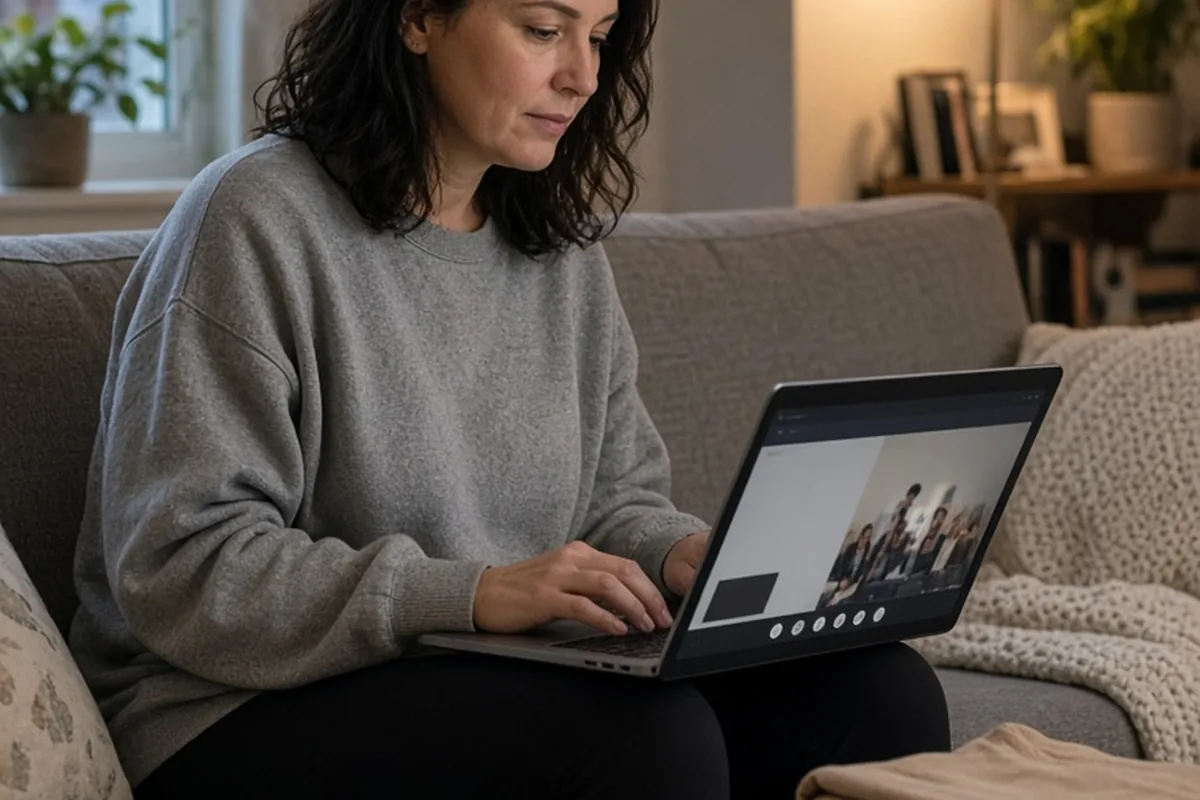
For caregivers handling night shifts, solo bedtime routines, or unreliable transportation, traveling across town for a scheduled weeknight meeting is often unworkable. Virtual peer groups eliminate these logistical obstacles. Platforms such as Meetup host numerous regional and nationwide solo parent circles that conduct weekly or bi-weekly video sessions using standard conferencing tools. These meetings commonly begin later in the evening after children are asleep, allowing you to participate from your living room without securing evening childcare. Many online circles explicitly invite participants to join with cameras turned off if they are attending to household tasks or feeding a baby, reducing the pressure to appear polished after a exhausting day.
Asynchronous digital communities offer continuous connection between live sessions. Moderated message boards, online forums, and private social media groups allow solo parents to ask questions at any hour regarding toddler sleep habits, school conferences, or meal budgeting on a single income. Because digital text can sometimes invite unhelpful advice or harsh remarks, selecting groups with dedicated moderation is essential. Look for spaces that publish clear conduct rules against advertising, unwanted private messaging, and parenting judgment. Observing group interactions for a week before posting personal questions helps you verify that the culture is considerate, practical, and constructive.
National Nonprofits and Open Organizations Welcoming Diverse Solo Caregivers
Solo parenting encompasses many different family configurations, including separation, divorce, bereavement, adoption by choice, donor conception, or raising younger relatives. Historically, some traditional family networks limited participation to individuals with specific marital backgrounds, creating barriers for never-married or unmarried caregivers. In contrast, modern secular nonprofits like Parents Without Partners and localized family preservation networks welcome anyone actively raising children in a home without a spouse or co-habiting partner present. These organizations center their discussions on shared logistical realities rather than the circumstances that created the single-parent household.
Faith communities also host workshops and family support programs, such as divorce recovery circles and single-mother fellowships. While these gatherings can provide practical help, meals, and social connection, they often incorporate specific religious viewpoints and family models that may not suit every participant. If you prefer a secular setting focused entirely on daily logistics and peer encouragement, confirming the hosting organization's focus beforehand is helpful. Secular organizations prioritize shared practical concerns like tax planning, work-life balance, and self-care routines. If you attend a faith-sponsored group and find its perspective does not match your beliefs, you can easily shift your attention toward civic or community-based options.
Matching Support Groups to Your Circumstances: Separation, Loss, or Solo by Choice
While broad single-parent groups offer valuable camaraderie, specific family paths often benefit from specialized peer understanding. For example, a solo parent by choice who used a donor encounters unique discussions around family disclosure and donor connections that a co-parent managing joint custody may not share. Similarly, a widowed parent dealing with fresh grief alongside infant care navigates deep emotional hurdles that differ from the administrative negotiations of divorce mediation. When general discussions about ex-partners or modern dating feel irrelevant to your life, finding an affinity-focused group can provide more meaningful support.
Specialized groups exist across many virtual and regional networks. Organizations such as the Modern Widows Club and bereavement centers focus on parents rebuilding daily life after the death of a spouse or partner. Networks like Single Mothers by Choice provide tailored resources for those pursuing intentional solo parenthood through adoption or fertility treatments. For individuals navigating difficult separations or complex custody disputes, targeted parallel-parenting workshops offer strategies for setting communication boundaries and maintaining household stability without unnecessary conflict. Clarifying your primary need—whether it is grief processing, boundary setting, or early childhood logistics—helps you select a group that provides direct relief.
Evaluating Group Safety, Privacy, and Conversation Culture Before Participating
Every single parent needs a safe space to share frustrations regarding heavy workloads, financial strains, or complex family arrangements. However, an effective support group balances emotional validation with proactive problem-solving. If a meeting routinely turns into persistent, bitter discussions about ex-partners or discouraging commentary on raising children alone, participants frequently leave feeling more burdened than when they arrived. Pay attention to how the facilitator directs the conversation. Skilled facilitators acknowledge painful feelings while steering the group toward healthy coping strategies and realistic decisions.
Protecting your privacy is equally important, particularly if you are navigating family court proceedings, divorce litigation, or private custody plans. A trustworthy support circle explicitly emphasizes that personal disclosures remain confidential within the room or video call. Be cautious of environments where members offer unofficial legal counsel or urge others to ignore formal court schedules. You do not need to share extensive background information during your first visit. Introducing yourself with just your first name and listening quietly is a completely valid way to evaluate whether the group culture feels safe and supportive.
Practical Childcare Swaps and Peer Logistics That Grow Out of Local Groups
The primary value of local single parent circles frequently extends outside the formal meeting room into practical daily support. As trust develops among members who live in neighboring areas, families often establish informal cooperative networks to solve challenges that are expensive or difficult to manage alone. For instance, parents whose children attend the same school district can coordinate carpools for extracurricular activities, manage emergency contact backups, or organize clothing and gear swaps for growing children.
Babysitting exchanges are another practical benefit of local connections. Arranging reciprocal care—such as taking care of a friend's children on one Saturday morning in exchange for free time the following Saturday—provides much-needed personal time without adding private childcare costs. Because members of single parent circles understand the exact demands of solo caregiving, these cooperative exchanges are often grounded in mutual reliability and clear communication. Attending a local group consistently gives you the opportunity to find other dependable parents who share your household values and safety expectations.
Illustrative Scenarios
Elena Finds a Low-Barrier Virtual Routine
Elena, an hourly healthcare worker raising two young children on her own, felt deeply isolated but could not afford evening babysitters to attend in-person support groups downtown. She assumed structured groups were unrealistic for her schedule until she discovered a free virtual single parent circle hosted through a regional community health network. The group gathered bi-weekly at 8:30 PM. Elena attended the first several calls with her video camera off while finishing dishes and folding clothes, simply listening to other parents share daily challenges. Hearing others navigate similar routines helped her feel understood, and she gradually began participating directly from home without adding financial or babysitting burdens.
Key point: Support does not require complicated travel; flexible virtual options allow single parents to gain community without disrupting their children's sleep schedules or stretching their budget.
Marcus Realigns His Support Needs
Marcus, a solo father parenting his elementary-aged daughter after the death of his wife, joined a general single-parent weekend breakfast circle at a local community center. While the other members were welcoming, the discussions centered almost exclusively on contentious custody mediation, co-parenting apps, and dating difficulties, which left Marcus feeling disconnected and disheartened. Instead of abandoning the idea of community, Marcus clarified what he actually needed: fellowship around solo parenting alongside bereavement. He researched regional grief support options and found an open virtual group specifically for widowed parents. The focused conversations around honoring family memories and parenting through loss provided the relevant understanding he was seeking.
Key point: If a general single-parent group does not reflect your lived reality, seeking an affinity-based circle can provide constructive support tailored to your specific household circumstances.
Frequently asked questions
Do I need formal legal custody paperwork to attend a single parent group?
No, open community and virtual support groups operate on an honor system and do not ask for legal decrees, divorce papers, or custody documentation. They welcome anyone currently managing primary caregiving responsibilities on their own, including solo parents by choice, divorced parents, and relatives raising children.
Are single parent support groups free of charge?
Most community-based circles organized by public libraries, community centers, and virtual Meetup groups are completely free or ask for minor optional donations for meeting room costs. While some national membership organizations have modest annual administrative fees, these fees are frequently waived upon request if a member is experiencing financial hardship.
Can I bring my kids with me to in-person meetings?
Children's attendance depends on the specific venue and group format. Many public library programs offer concurrent children's activities or permit quiet play in the same room, while other groups prefer adult-only conversations. Review the group description or contact the meeting organizer ahead of time to confirm their childcare arrangements.
What should I do if a support group feels overly negative?
A constructive support group should leave you feeling grounded and supported rather than emotionally depleted. If a group consistently focuses on unmoderated venting or hostility toward former partners without offering encouraging solutions, it is entirely appropriate to step away and try an alternate group with healthier moderation.
Your next step
Check your local public library calendar and regional community boards this week to find one free, drop-in single parent meeting or virtual group, and attend the next session simply to listen and observe the culture.