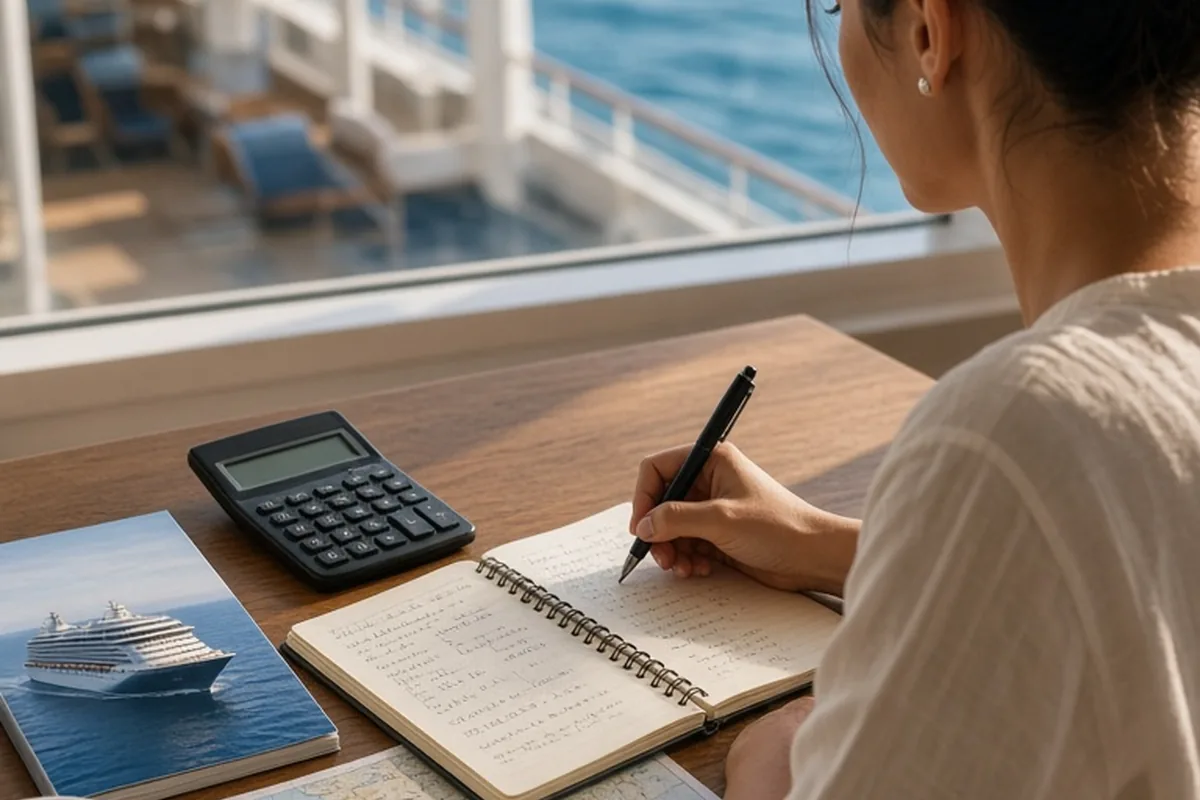
A typical singles cruise generally costs between seven hundred and three thousand dollars per person for a weeklong voyage, depending heavily on cabin selection and cruise line tier. The biggest price factor is the single supplement fee, which can double the base fare for solo travelers occupying a standard double-occupancy room. Additional expenses like organized singles events, drink packages, gratuities, and port excursions also shape your total budget.
Booking a cruise as a solo traveler offers an appealing combination of structured travel, ocean views, and opportunities to meet unattached adults in relaxed social settings. Knowing the real financial commitment upfront allows you to focus on genuine connections and personal enjoyment rather than unexpected bills.
Base Fares and Cabin Options for Solo Travelers
Base cruise fares represent the entry ticket to the ship, covering your lodging, standard dining room meals, casual buffet access, and general onboard entertainment. For a standard mainstream cruise lasting five to seven nights, base fares for an interior cabin typically start between four hundred and eight hundred dollars under standard double-occupancy pricing. Oceanview and balcony cabins naturally scale upward, often ranging from eight hundred to eighteen hundred dollars per person under baseline rates.
However, cruise pricing models historically assume two paying passengers per stateroom. When you book a standard cabin alone, you encounter the reality that base prices displayed in advertising rarely reflect what a single traveler actually pays at checkout. Comparing standard staterooms against dedicated studio cabins designed exclusively for solo guests helps clarify where your baseline housing investment stands before layer-upon-layer of port taxes and service charges are added.
Understanding and Managing the Single Supplement Fee
The single supplement is an additional charge levied by cruise lines on solo travelers occupying a two-person stateroom. Because cruise operators depend heavily on two passengers spending money on drinks, casino gaming, spa services, and retail shops in every cabin, they offset the theoretical loss of a second passenger by charging solo guests between fifty and one hundred percent on top of the base cruise fare. This means a seven-hundred-dollar stateroom fare can become fourteen hundred dollars for an individual traveler.
Several modern cruise lines now offer dedicated solo studio cabins that eliminate the traditional single supplement. These compact rooms provide full ship access, sometimes alongside keycard-secured lounges reserved exclusively for solo cruisers to mingle over morning coffee or pre-dinner drinks. While these studio cabins reduce the overall cash outlay compared to booking a standard double room alone, the square footage is noticeably smaller, and per-square-foot rates can still remain relatively high compared to shared group travel.
- Dedicated solo studios avoid double-fare surcharges but feature compact layouts and limited availability.
- Standard double staterooms offer spacious living areas but frequently require paying up to two hundred percent of the base ticket price.
- Guaranteed cabin assignments booked during promotional periods sometimes feature reduced single supplement surcharges of twenty-five to fifty percent.
Hosted Singles Groups Versus Independent Solo Sailing
A major distinction in singles cruise budgeting is whether you choose an independent solo vacation on a major liner or book through a specialized singles travel agency. Hosted singles cruises charter a block of rooms on a standard commercial cruise ship and provide private staff, icebreaker activities, private cocktail parties, themed dance nights, and coordinated dining tables reserved exclusively for their ticket holders. These organized packages typically add a program fee of three hundred to six hundred dollars above standard cruise fares.
Choosing an organized group provides immediate structure, making it easier to meet other singles without navigating the entire ship of thousands of vacationers alone. The trade-off is the extra upfront administrative cost and a more rigid daily schedule. Independent solo travelers avoid these organizer fees and maintain total freedom over their daily calendar, but they must rely entirely on their own social initiative and public ship gatherings to strike up conversations.
Roommate Matching Programs and Shared Accommodations
To help solo travelers bypass the single supplement, many organized singles cruise agencies offer guaranteed roommate matching services. Under this arrangement, the agency pairs you with a same-gender, similar-age traveler in a standard double occupancy cabin, allowing both individuals to pay the standard per-person rate rather than the double fare. If the agency fails to find a suitable match before sailing, they typically absorb the single supplement cost on your behalf.
While roommate matching can save five hundred to over a thousand dollars, it requires a willingness to share close quarters with a stranger for an entire week. Differences in sleep schedules, snoring, cleanliness habits, and privacy needs can create domestic friction that detracts from your holiday. Deciding whether the financial savings outweigh the comfort and private sanctuary of an individual room is one of the most critical personal decisions in singles cruise planning.
Mandatory Taxes, Gratuities, and Onboard Daily Expenses
The price quoted on a booking summary rarely represents the final cost of a voyage. Port fees and government taxes are mandatory additions, generally adding between one hundred and two hundred and fifty dollars depending on the itinerary and number of harbors visited. Furthermore, automatic crew gratuities are charged daily to your onboard folio, typically running between sixteen and twenty dollars per day per person.
Daily lifestyle choices on the ship also quickly accumulate. While tap water, basic brewed coffee, and buffet meals are included, specialty dining venues, espresso drinks, internet packages, and alcoholic beverages carry premium prices. A solo traveler who enjoys casual evening drinks and consistent satellite Wi-Fi should plan to budget an extra sixty to one hundred dollars per day, or invest in an all-inclusive beverage and connectivity package prior to departure.
- Port expenses and government docking fees: One hundred to two hundred and fifty dollars per voyage.
- Automatic daily crew gratuities: One hundred and ten to one hundred and fifty dollars for a seven-night trip.
- Beverage packages: Fifty to ninety dollars per day if purchasing unlimited alcoholic drinks.
- Onboard internet access: Fifteen to thirty dollars per day depending on bandwidth requirements.
Port Excursions and Social Entertainment Budgets
Shore excursions represent another substantial component of your total travel budget. Ship-sponsored tours such as catamaran sails, historical walking tours, snorkeling adventures, or guided culinary tastings generally range from seventy to two hundred and fifty dollars per port. In hosted singles groups, agencies often organize private group excursions that offer built-in social interaction away from the main ship crowd at a moderate premium.
Participating in organized excursions creates a natural setting for conversation because shared activities give you something immediate and engaging to talk about. However, booking an excursion in every port can easily add four hundred to eight hundred dollars to your vacation total. Balancing guided group outings with low-cost self-guided port exploration helps maintain a sustainable spending pace without feeling socially isolated.
Navigating Social Dynamics and Managing Dating Expectations
A singles cruise brings together adults with diverse personal motivations, ranging from those seeking long-term romance to travelers purely interested in exploring new destinations with other unattached adults. Investing significant money into a vacation can sometimes create internal pressure to secure a romantic outcome to justify the cost. Approaching the voyage with open curiosity rather than an agenda produces far better social experiences and protects your emotional well-being.
Healthy onboard connections thrive on clear boundaries, mutual respect, and genuine conversational chemistry. Because everyone shares the same ship for several days, respectful communication is essential. If an interaction does not lead to romantic interest, accepting the boundary gracefully keeps your social environment comfortable. Treating the cruise primarily as a memorable personal adventure ensures you leave feeling refreshed regardless of who you meet.
Illustrative Scenarios
Choosing Between Privacy and Budget Savings
Julian wanted to try his first singles cruise to the Caribbean. Looking at the pricing, an individual cabin carried an eight-hundred-dollar single supplement, bringing the total base cost to nearly two thousand dollars. He considered a roommate-matching program to cut the lodging cost in half, but he knew he valued quiet mornings and personal downtime to recharge after social events. Rather than forcing himself into an uncomfortable living arrangement just to lower his budget, Julian chose a dedicated solo studio cabin on a ship with a private singles lounge. While the room was compact, having his own private retreat allowed him to engage in evening group mixers with genuine energy and zero household tension.
Key point: Selecting accommodations that match your personal habits and boundary needs is worth more than forcing shared lodging simply to save money.
Balancing Onboard Add-Ons with Social Goals
David booked an independent seven-day cruise hoping to meet new people at solo passenger meetups. In his initial excitement, he purchased a top-tier premium beverage package, specialty dining reservations for every night, and expensive third-party group tours. Two days into the voyage, he realized his packed dining schedule pulled him away from the main solo gatherings held during regular dinner hours, and the prepaid bar package made him feel obligated to drink heavily. David canceled his remaining specialty dinners, joined the open-seating communal solo tables in the main dining room, and found genuine conversation in relaxed, casual group settings.
Key point: Prepaying for excessive luxury upgrades can isolate you from the organic social gatherings where meaningful connections actually happen.
Frequently asked questions
Are singles cruises more expensive than standard cruises?
Yes, singles cruises often carry higher per-person costs due to single supplement fees or specialized event host surcharges. While a couple shares standard stateroom costs, a solo traveler typically pays between fifty and one hundred percent more for the room unless booking a dedicated solo studio.
What is the average total cost for a one-week singles cruise?
When accounting for base fare, single supplements, port taxes, gratuities, drinks, and excursions, most solo travelers spend between twelve hundred and twenty-eight hundred dollars for a seven-night journey. Budget conscious travelers utilizing solo studios or roommate matching can keep costs closer to a thousand dollars.
Do singles cruise prices include alcoholic drinks and specialty meals?
Standard cruise fares do not cover alcohol, specialty dining, or satellite internet. Some hosted groups include a private welcome cocktail party, but everyday drinks and specialty restaurant dinners must be purchased individually or via prepaid onboard packages.
Is it better to book an organized singles group or travel solo independently?
Hosted groups provide immediate social structure, exclusive mixers, and coordinated dining for an extra service fee. Independent solo cruising is cheaper and offers total scheduling autonomy, but requires you to take full personal initiative to attend public solo events and meet people.
Your next step
Determine whether you prefer a structured hosted group or independent solo studio, calculate the full cost including gratuities and drink packages, and book your cabin early to secure fair pricing.