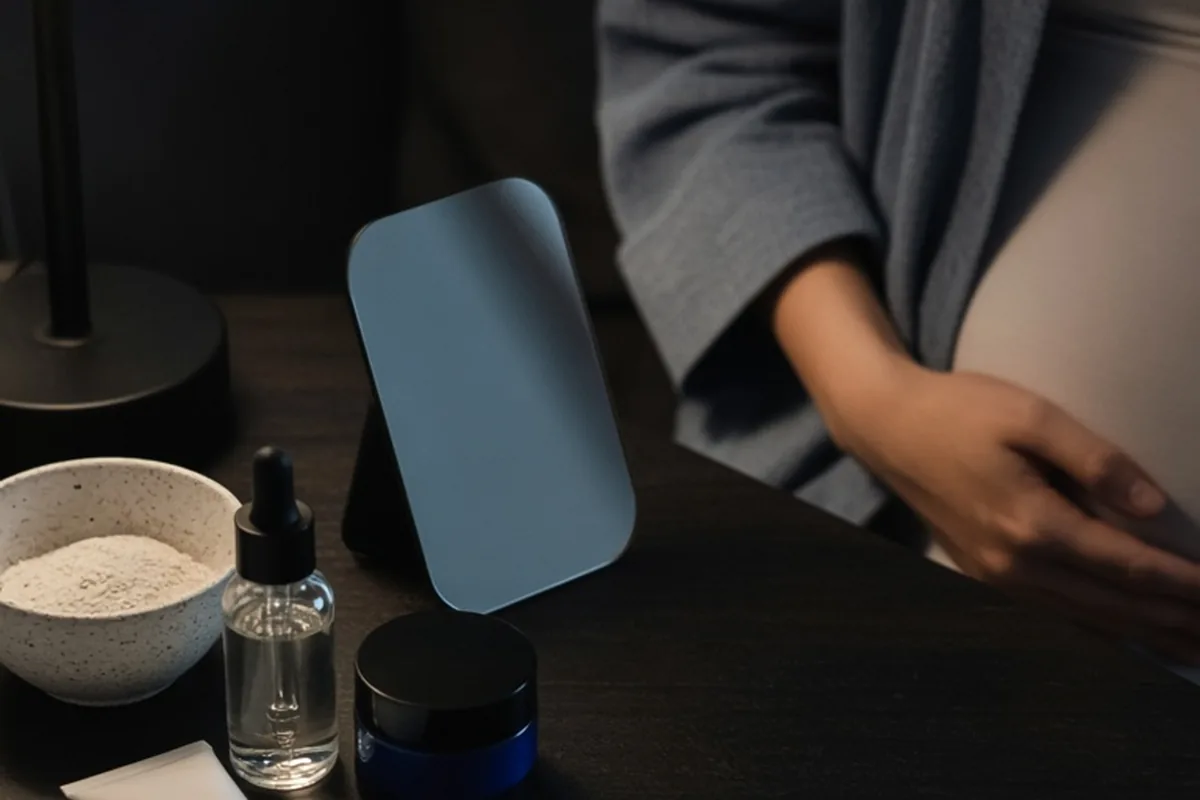
Pregnancy-safe skincare centers on gentle, nourishing ingredients that support the skin barrier while addressing hormonal changes. Generally accepted ingredients include mineral sunscreens like zinc oxide, hydrators such as hyaluronic acid and glycerin, soothing agents like ceramides and colloidal oatmeal, and mild brightening or clarifying options like azelaic acid, niacinamide, and low-strength glycolic acid. Potent actives like retinoids and hydroquinone are routinely avoided.
Hormonal fluctuations during pregnancy frequently change how skin behaves, causing unexpected dryness, sudden breakouts, increased sensitivity, or patches of melasma. Finding a balanced routine means prioritizing gentle ingredients that maintain comfort and skin health without relying on intensive treatments that require caution during pregnancy.
Gentle Cleansing and Barrier-Supporting Hydrators
Cleansing during pregnancy should focus on removing oil, makeup, and daily impurities without stripping the skin's natural lipid barrier. Hormonal shifts can leave the skin barrier compromised, making harsh foaming agents and sulfates more likely to trigger tightness, flaking, or reactive oil production. Choosing mild, non-foaming lotion cleansers or gentle gel formulas with neutral pH levels helps preserve hydration while preparing the skin for subsequent moisturizing steps.
Hydrating ingredients like hyaluronic acid, glycerin, and sodium PCA act as humectants that draw moisture into the surface layers of the skin. Layering these ingredients under rich barrier creams containing ceramides, squalane, or cholesterol helps seal in hydration and prevent trans-epidermal water loss. For instance, applying a basic hyaluronic acid serum to damp skin immediately after cleansing provides instant comfort to dry or stretched skin without introducing unnecessary fragrance or complex chemical compounds.
While barrier hydrators are broadly compatible with sensitive skin, trade-offs exist when products become too occlusive for individuals experiencing sudden pregnancy-induced oiliness. Heavy petrolatum-based ointments or dense facial oils may cause congestion on acne-prone areas like the chin and jawline. In those situations, balancing lightweight humectants with a light lotion rather than a heavy cream offers optimal moisture without clogging pores.
Managing Breakouts with Pregnancy-Friendly Clarifiers
Elevated progesterone levels often stimulate excess sebum production, leading to persistent congestion and inflamed blemishes along the lower face. Traditional acne treatments frequently rely on retinoids or concentrated salicylic acid washes, which are typically paused during pregnancy. Fortunately, milder clarifying alternatives can help calm redness, clear pore debris, and support cell turnover without creating excessive irritation.
Azelaic acid stands out as one of the most versatile and well-tolerated options for expectant parents. Available in both over-the-counter strengths and prescription formulations, it gently exfoliates, calms visible redness, and discourages blemish-causing bacteria. Similarly, low concentrations of lactic acid or glycolic acid offer mild surface exfoliation to prevent dead cells from trapping oil within pores. Sulfur-based spot treatments can also dry up active pimples without aggressive peeling.
When introducing clarifying treatments, pacing is essential to avoid compromising the skin barrier. Using an exfoliating acid daily may trigger redness or irritation because pregnancy hormones can make facial skin noticeably more reactive. A practical strategy is starting with azelaic acid two to three evenings per week, observing how the skin responds before increasing frequency, and always pairing it with a soothing moisturizer.
Brightening and Addressing Melasma and Uneven Tone
Hyperpigmentation, commonly referred to as the mask of pregnancy or melasma, appears as darker patches on the forehead, cheeks, nose, or upper lip due to increased melanin production triggered by estrogen and sun exposure. Because powerful depigmenting agents such as hydroquinone are paused during pregnancy, the focus shifts to safe botanical and antioxidant brighteners that even out skin tone gradually.
Vitamin C, particularly in stable forms such as sodium ascorbyl phosphate, tetrahexyldecyl ascorbate, or low-strength L-ascorbic acid, provides antioxidant defense while visibly brightening dull areas. Niacinamide (vitamin B3) is another gentle powerhouse that supports barrier resilience, refines surface texture, and helps reduce the appearance of uneven pigmentation. Combining a five percent niacinamide serum with a daily vitamin C moisturizer creates an effective brightening duo that is comfortable on sensitive skin.
Managing expectations is important when treating hormonally driven pigmentation. Gentle brightening ingredients work progressively over several months rather than delivering immediate overnight fading. Additionally, hyperpigmentation will readily return or darken if the skin is exposed to ultraviolet light, making consistent morning sun protection just as critical as any brightening serum.
Sun Protection Using Mineral Ultraviolet Filters
Sun protection is the foundation of any pregnancy skincare routine, serving as the primary defense against the intensification of melasma and general photo-damage. Dermatologists and prenatal care providers widely recommend broad-spectrum mineral sunscreens during pregnancy because they sit on the surface of the skin and reflect ultraviolet rays physically.
Mineral formulations rely on active ingredients such as zinc oxide and titanium dioxide. Zinc oxide provides comprehensive broad-spectrum protection against both UVA and UVB radiation while also offering natural anti-inflammatory benefits that soothe sensitive or reactive skin. Tinted mineral sunscreens offer an additional advantage: iron oxides present in tinted bases help block visible light, including blue light, which is known to contribute to stubborn melasma flares.
A practical challenge with mineral sunscreen is the potential for a chalky or heavy finish on certain skin tones. To navigate this, look for micronized zinc oxide formulas or lightweight tinted fluids that blend seamlessly into your natural complexion. Applying a nickel-sized amount to the face and neck every morning, and reapplying during prolonged outdoor exposure, ensures continuous protection.
Body Care for Dryness, Stretch Marks, and Pruritus
Skin changes during pregnancy extend well beyond the face, as rapid stretching over the abdomen, breasts, hips, and thighs can lead to intense dryness, tight sensations, and itching. Maintaining skin elasticity and comfort requires generous, regular full-body hydration that reinforces the skin's moisture retention abilities.
Nourishing plant butters and gentle oils provide exceptional comfort for expanding skin. Ingredients like refined shea butter, cocoa butter, jojoba oil, and sunflower seed oil deliver essential fatty acids that soften tight skin. Colloidal oatmeal lotions are particularly helpful for soothing generalized itching, providing an anti-irritant coating that calms nerve endings in dry dermal layers. Applying a rich emollient cream immediately after showering locks in residual moisture effectively.
While topical moisturizers significantly improve skin comfort and suppleness, they have limitations regarding the complete prevention of stretch marks, which are primarily influenced by genetics, rapid tissue expansion, and collagen structure. Maintaining realistic expectations helps reframe body care as an act of physical comfort and nourishment rather than an infallible guarantee against natural skin changes.
Ingredients Commonly Paused During Pregnancy
Streamlining your vanity during pregnancy involves setting aside certain high-potency ingredients until after delivery and nursing. The most notable category to pause includes all retinoids, such as prescription tretinoin, isotretinoin, adapalene, tazarotene, and over-the-counter retinol or retinaldehyde. High doses of systemic vitamin A derivatives carry well-established risks, leading experts to recommend pausing topical formats as a standard precaution.
Other ingredients commonly set aside include hydroquinone, high-percentage professional chemical peels containing concentrated salicylic acid, and certain concentrated essential oils that may cause systemic irritation or heightened allergic reactions. While low-strength salicylic acid washes under two percent are often considered low-risk when used over small surface areas, many people choose to replace them with azelaic acid or mild fruit enzymes to maintain absolute peace of mind.
Switching out these products does not require abandoning your skincare goals. Reviewing your product labels for clear ingredient names and setting paused items in a separate storage bin prevents accidental use while keeping your active routine focused on dependable, nourishing basics.
Designing a Balanced Morning and Evening Routine
Creating an effective pregnancy skincare routine works best when kept straightforward, predictable, and focused on barrier support. A minimalist framework reduces the likelihood of product clashes and simplifies your daily routine during periods of fatigue.
In the morning, begin with a gentle splash of lukewarm water or a mild hydrating cleanser. Follow with an antioxidant serum, such as vitamin C or niacinamide, apply a light barrier moisturizer if your skin tends toward dryness, and finish with a generous layer of broad-spectrum mineral sunscreen. In the evening, cleanse thoroughly to remove mineral sunscreen and surface oil, apply a targeted treatment like azelaic acid if managing breakouts or uneven tone, and seal with a rich ceramide-based cream.
When introducing any new pregnancy-safe product, add only one formula at a time and perform a patch test on your inner forearm or behind your ear for forty-eight hours. This step helps identify sudden sensitivities before applying the product across your entire face.
Navigating Labels and Collaborating with Healthcare Providers
Skincare marketing terms like clean, natural, or pregnancy-friendly are not strictly regulated by medical standards, which means the ingredient list remains your most reliable source of information. Familiarizing yourself with standard International Nomenclature Cosmetic Ingredient (INCI) names helps you evaluate serums and creams accurately rather than relying on promotional claims.
Look past front-label marketing and scan the back panel for potential irritants such as heavy artificial fragrances, drying denatured alcohols, or hidden active compounds. If you are ever unsure about a specific formulation or are managing an underlying skin condition like eczema or rosacea alongside pregnancy, bringing the actual product packaging or an ingredient list to your obstetrician or dermatologist provides clarity.
Your healthcare provider can offer personalized advice that takes into account your medical history, trimester, and specific skin symptoms. Establishing open communication with your care team ensures that your personal care routine aligns comfortably with your overall prenatal wellness plan.
Frequently asked questions
Can I use salicylic acid while pregnant?
Low concentrations of salicylic acid, such as over-the-counter face washes or spot treatments at two percent or lower, are generally regarded as having minimal systemic absorption. However, high-dose chemical peels and extensive body applications are avoided, and many individuals prefer switching to azelaic or lactic acid for clarity.
Is bakuchiol a safe alternative to retinol during pregnancy?
Bakuchiol is a plant-derived antioxidant that mimics some of the cellular actions of retinol without being a vitamin A derivative. While early indications are promising and many consider it gentle, clinical safety data specifically in pregnant populations remains limited, so discussing its use with your prenatal provider is advisable.
Why has my skin become so sensitive to products I used previously?
Pregnancy hormones alter immune responses and increase blood flow to the skin, which can compromise the moisture barrier and heighten cutaneous reactivity. Products with strong fragrances, active acids, or harsh surfactants that were previously well-tolerated may suddenly cause stinging, flushing, or dry patches.
What is the best way to handle sudden hormonal acne during pregnancy?
Focus on a consistent, non-stripping routine featuring a gentle cleanser, azelaic acid, and a non-comedogenic moisturizer. Avoid picking or aggressively scrubbing blemishes, as healing skin during pregnancy is more prone to lingering post-inflammatory hyperpigmentation.
Your next step
Audit your current bathroom shelf against this gentle ingredient list, set aside concentrated retinoids and hydroquinone, and build a streamlined daily routine centered around mild cleansing, azelaic acid or niacinamide, rich barrier moisturizers, and consistent mineral sun protection.