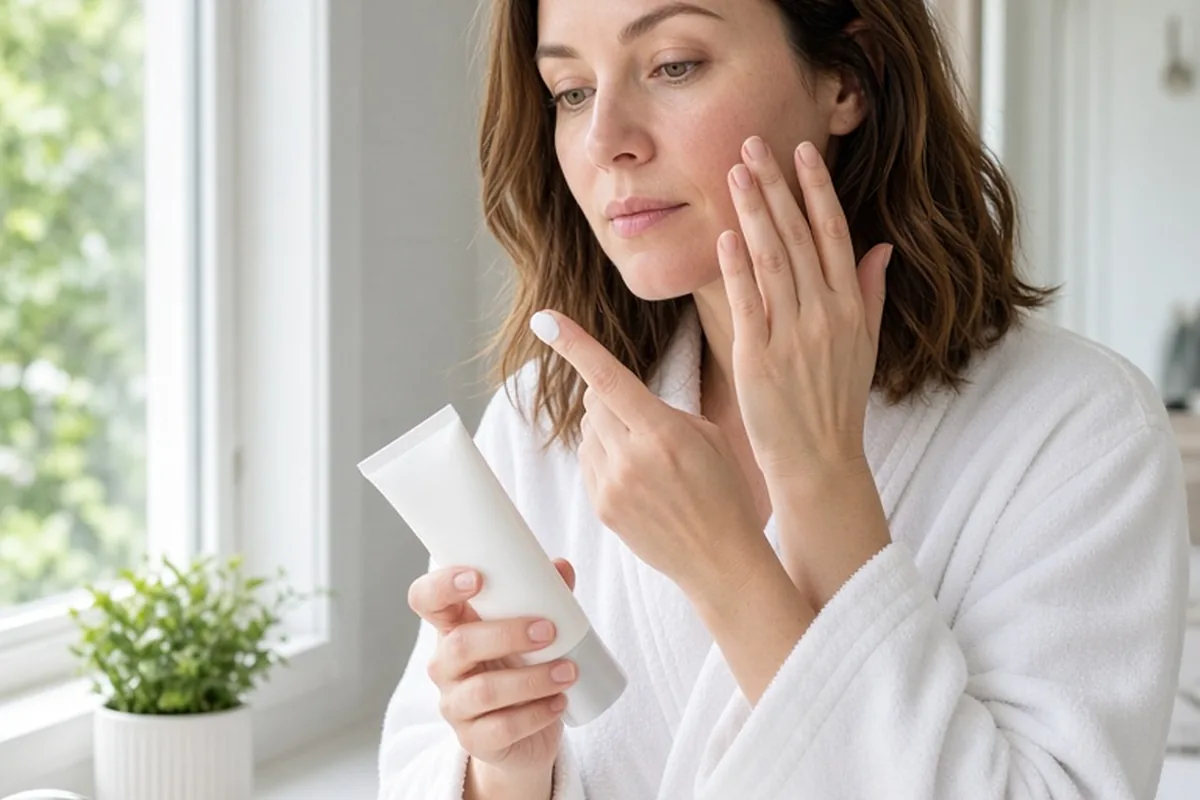
A skincare FAQ roundup gathers answers to the most common daily regimen questions, such as identifying skin types, layering products in the right order, combining active ingredients safely, and supporting the moisture barrier. The most reliable approach is keeping routines simple: cleanse gently, treat specific concerns with one active at a time, moisturize consistently, and apply broad-spectrum sunscreen every morning.
Navigating daily skincare advice often feels overwhelming because conflicting guidance and complicated multistep routines can distract from fundamental skin health principles. Clarifying common questions about ingredients, product order, and individual skin responses helps you make informed choices that fit your everyday schedule.
Determining Your Baseline Skin Type and Current Daily Needs
Understanding whether your skin leans oily, dry, combination, sensitive, or balanced is the foundation of any sustainable routine. Many people mistake temporary surface dehydration caused by dry air or harsh soaps for innate dryness, or they misinterpret midday shine as a reason to avoid moisturizers altogether. A reliable way to assess your skin is the bare-faced method: wash your face with a mild, non-foaming cleanser, gently pat it dry, and wait thirty to forty-five minutes without applying any products. If your skin feels taut and shows flaky patches across the cheeks, it tends toward dryness; if visible shine appears across the forehead, nose, and chin while the cheeks stay comfortable, you likely have combination skin.
Recognizing reactivity is just as important as measuring oil production throughout the day. Sensitive skin frequently experiences redness, burning, or tightness when exposed to added fragrances, harsh weather, or frequent product changes. For instance, if you notice burning sensations after applying standard lotions, your immediate need is soothing, barrier-supportive care rather than strong exfoliating acids. A practical limitation of self-assessment is that seasonal changes, indoor heating, and lifestyle stress can alter your skin surface temporarily, so reassessing your skin under simple, neutral conditions every few months provides the most accurate picture.
Establishing the Correct Order for Product Layering
The standard rule for applying skincare products is to layer them according to texture and molecular weight, moving from the thinnest water-based formulas to the thickest oil-based creams. Watery toners, hydrating essences, and lightweight serums penetrate the surface most efficiently when applied directly to freshly cleansed skin. If a dense facial oil or rich balm is applied before a lightweight hyaluronic acid serum, the heavier lipid layer creates a barrier that prevents the water-soluble ingredients from absorbing properly, which can lead to product buildup and pilling.
During the morning, your layering sequence should conclude with a dedicated broad-spectrum sunscreen, while your evening routine ends with a nourishing moisturizer or night cream. A practical morning sequence consists of a gentle cleanser, a targeted antioxidant serum, a light moisturizer, and sunscreen. In the evening, the routine focuses on recovery by thoroughly removing daily grime, applying a treatment product like a retinoid on dry skin, and sealing in moisture with a rich cream. The main trade-off of multistep routines is that each extra layer increases the potential for product incompatibility or clogged pores, which makes a streamlined three-step routine more effective for many people.
Combining Active Ingredients Without Overwhelming the Skin
Active ingredients such as retinoids, alpha hydroxy acids, beta hydroxy acids, and pure vitamin C deliver targeted benefits, but pairing them haphazardly can trigger irritation, peeling, and barrier damage. A common mistake is using multiple potent exfoliants during the same application, like using a salicylic acid toner followed immediately by a glycolic acid serum and a retinol cream. When the skin surface is subjected to excessive chemical exfoliation all at once, moisture escapes rapidly, leaving the complexion irritated, reactive, and prone to rebound breakouts.
A sustainable approach to multiple actives is ingredient cycling or strategic time separation. For example, using a vitamin C serum in the morning offers daytime antioxidant support, while reserving retinoids for alternating evenings gives your skin time to adjust. On nights when you choose to use an exfoliating acid, omit the retinoid entirely and focus on hydration. If you prefer a simpler schedule, choosing a well-formulated product that combines gentle percentages of compatible ingredients is safer than mixing separate high-concentration serums at home. Keep in mind that gentler usage may take a few extra weeks to produce noticeable results, but it avoids the prolonged setbacks of an irritated barrier.
Managing Breakouts While Protecting the Moisture Barrier
When dealing with sudden blemishes or persistent acne, the instinctive reaction is often to aggressively dry out the skin with harsh astringents, physical scrubs, and multiple spot treatments. However, stripping the surface barrier compromises the stratum corneum, which can worsen inflammation and prompt the sebaceous glands to produce excess compensatory oil. Effective blemish care focuses on clearing clogged pores and reducing bacterial buildup while maintaining adequate hydration so the surrounding tissue can heal properly.
A balanced blemish routine combines targeted clarifying agents with non-comedogenic barrier support. For instance, using a low-percentage salicylic acid cleanser or a gentle benzoyl peroxide spot treatment helps clear dead skin and bacteria from pores. Applying a fragrance-free moisturizer containing ceramides or glycerin immediately afterward prevents the flaking and stinging that often accompany blemish treatments. A clear limitation is that over-the-counter topical products work best for mild to moderate surface congestion; deep, painful cystic bumps typically stem from internal or hormonal factors that respond better to medical guidance than to aggressive topical scrubbing.
Selecting and Reapplying Daily Sun Protection Effectively
Daily sun protection is the most effective measure for preventing premature signs of aging, uneven pigmentation, and cumulative UV-induced skin damage. The most beneficial sunscreen is whichever comfortable, broad-spectrum formula you are willing to apply generously every single day. Mineral sunscreens utilize zinc oxide or titanium dioxide to reflect and scatter UV rays, making them popular for sensitive or easily irritated skin. Chemical sunscreens absorb ultraviolet light and convert it to heat, often providing an invisible finish that leaves no white cast on deeper complexions.
To achieve the protection factor stated on the package, you need roughly one-quarter teaspoon of sunscreen for the face and neck combined. Reapplication is necessary if you spend prolonged time outdoors, sweat heavily, or swim, as natural facial oils and movement break down the protective film after two hours. For regular indoor work with minimal sun exposure, a thorough morning application is generally sufficient, but touch-ups using mineral powders, fluid sticks, or sunscreen sprays make midday reapplication practical over makeup. The primary trade-off is that water-resistant, long-wearing sunscreens often require double cleansing with an oil-based cleanser at night to prevent residue buildup.
Adjusting Your Skincare for Changing Seasons and Environments
Skin changes significantly when humidity levels, outdoor temperatures, and indoor heating shift throughout the year. During cold winter months, dry outdoor air combined with artificial indoor heat accelerates transepidermal water loss, leaving skin prone to roughness, flaking, and sensitivity. In contrast, higher summer temperatures and humidity increase perspiration and sebum flow, which can make heavy winter creams feel suffocating or contribute to clogged pores along the T-zone and hairline.
Rather than overhauling your entire collection of products each season, make small, modular adjustments to texture. In hot, humid weather, swapping a heavy cream for a lightweight gel-cream or fluid lotion keeps skin hydrated without feeling greasy. During winter, layering a hydrating glycerin toner beneath your standard moisturizer or applying a small amount of facial oil over dry zones helps lock in moisture. Be aware that moving between intense air conditioning and outdoor heat can cause temporary flushing or dryness, so allow your skin a week or two to adapt before introducing new active products.
Knowing When to Seek Professional Dermatological Care
A consistent home routine is essential for day-to-day skin health, but topical over-the-counter products have realistic boundaries. Basic skincare excels at maintaining hydration, smoothing surface texture, supporting barrier repair, and defending against UV rays. However, chronic inflammatory conditions like moderate-to-severe acne, persistent rosacea, severe melasma, or unexplained rashes cannot be resolved through cosmetic serums alone.
Consulting a board-certified dermatologist or qualified healthcare provider provides access to accurate diagnosis, prescription treatments, and clinical procedures that address underlying causes. For example, if persistent redness does not improve after simplifying your routine to basic gentle products, or if deep breakouts cause scarring, a clinical evaluation provides targeted solutions that save time and prevent further tissue irritation. Using home skincare to maintain overall skin comfort while relying on medical guidance for chronic issues ensures balanced, safe care.
Frequently asked questions
How long does it typically take to see results from a new skincare product?
Most hydrating and soothing products provide noticeable comfort within a few days of consistent use. However, active ingredients targeted at cell turnover, texture, or discoloration, such as retinoids or exfoliating acids, generally require four to eight weeks of regular application before visual changes become apparent.
Can oily skin skip daily moisturizer?
Skipping moisturizer can cause oily skin to become surface-dehydrated, which may lead to irritation and an overproduction of compensatory oil. Choosing an oil-free, lightweight gel moisturizer delivers necessary hydration without adding heavy oils or clogging pores.
What is the difference between skin purging and a standard breakout?
Purging occurs when active ingredients that accelerate cell turnover, such as retinoids or chemical exfoliants, bring pre-existing micro-comedones to the surface quickly in areas where you normally experience blemishes. A regular breakout or product reaction typically involves irritation, redness, or new bumps in areas where you do not usually experience clogged pores.
Is it necessary to use a separate eye cream in a daily routine?
A separate eye cream is not strictly necessary if your standard facial moisturizer is fragrance-free, gentle, and hydrating enough for the thin skin around your eyes. However, a dedicated eye cream can be useful if you prefer a lighter texture that prevents puffiness or if your primary facial moisturizer contains strong actives that irritate the delicate eye area.
Your next step
Audit your daily routine down to the essentials: a gentle cleanser, a dependable moisturizer, and broad-spectrum sunscreen. Once your skin feels calm and balanced for three consecutive weeks, introduce one targeted active ingredient at a time to clearly evaluate how your skin responds.