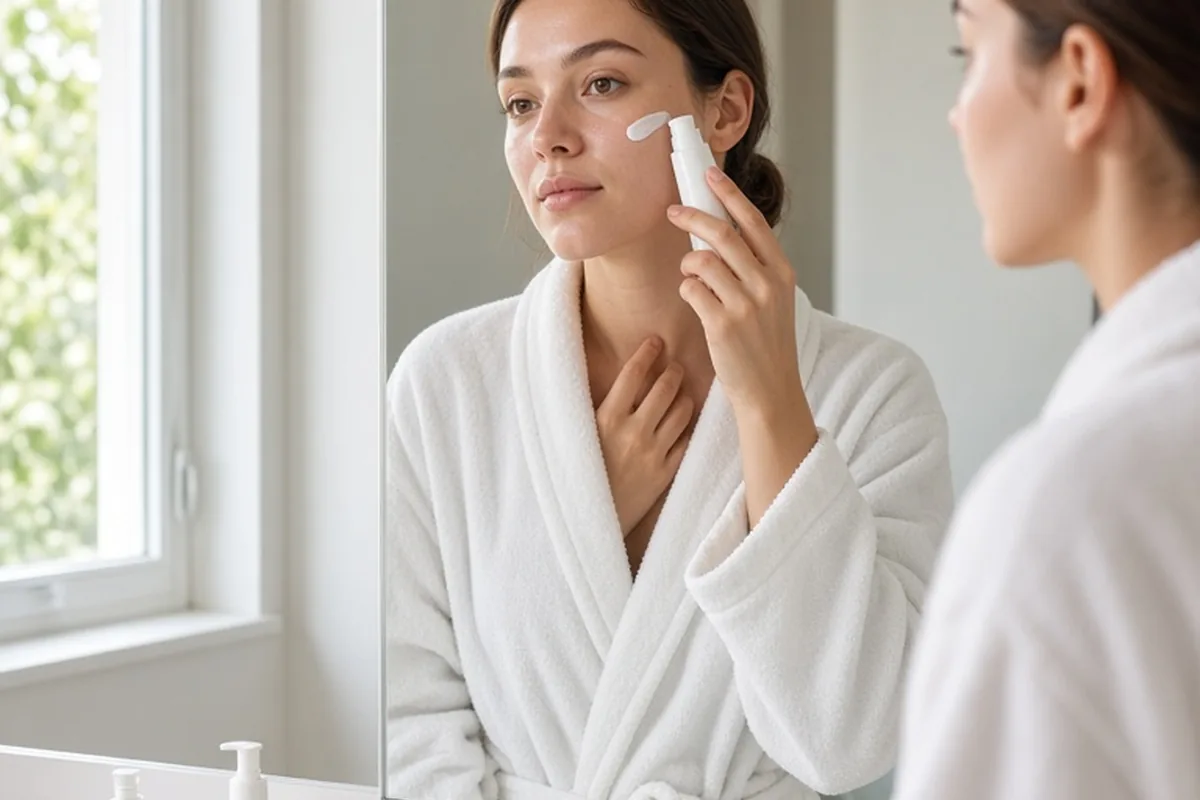
Skincare minimalism is an intentional approach to daily skin health that replaces lengthy, multi-step regimens with a streamlined routine centered on three core steps: gentle cleansing, barrier-supporting hydration, and daily broad-spectrum sun protection. By removing redundant active ingredients and unnecessary product layers, this method reduces skin irritation, prevents product waste, lowers personal beauty expenses, and makes consistent long-term skincare practical and sustainable.
The modern beauty landscape frequently encourages the idea that achieving healthy skin requires an elaborate vanity table filled with specialized essences, multiple exfoliating acids, and separate creams for every zone of the face. Over time, layering numerous concentrated formulas can overwhelm the skin barrier, leading to redness, unexpected breakouts, and considerable decision fatigue. Skincare minimalism, often referred to as skinimalism, steps away from excessive consumer cycles to focus on what the skin fundamentally requires to maintain equilibrium and comfort.
Understanding the Philosophy of Skincare Minimalism
Skincare minimalism is not about complete deprivation or ignoring genuine dermatological concerns; rather, it is a deliberate prioritization of function over quantity. For years, multi-step regimens popularized the idea that more products automatically translate to better results. In practice, piling on cleansers, toners, chemical exfoliants, antioxidant serums, brightening treatments, and heavy moisturizers often creates ingredient competition and increases the risk of contact dermatitis. When too many potent formulas interact on the skin surface, it becomes nearly impossible to identify which specific product causes a positive change or an adverse reaction.
Adopting a minimalist mindset means viewing the skin as a dynamic biological barrier capable of regulating much of its own moisture and renewal when supported gently. Instead of treating every minor daily fluctuation with a new targeted purchase, minimalist skincare relies on baseline stability. The goal is to provide reliable protection from external stressors, maintain adequate water content in the stratum corneum, and avoid unnecessary disruption to the natural acid mantle. This foundation allows the skin to function smoothly without constant intervention.
The Three Essential Pillars of a Streamlined Daily Routine
A functional minimalist routine centers on three fundamental steps: cleansing, moisturizing, and sun protection. In the morning, care can be as straightforward as rinsing with lukewarm water or applying a gentle, non-stripping cleanser, followed by a broad-spectrum sunscreen with an SPF of thirty or higher. Many modern sunscreens are formulated with hydrating ingredients like glycerin, squalane, or hyaluronic acid, which allows them to serve double duty as both daytime moisturizer and ultraviolet defense. This single dual-purpose step cuts down routine time and reduces product buildup under daily wear.
The evening routine mirrors this simplicity while shifting the focus toward recovery and gentle cleansing. A mild, fragrance-free gel, cream, or lotion cleanser removes daily grime, sebum, and sunscreen residue without leaving the face feeling tight or dry. After cleansing, applying a straightforward moisturizer enriched with barrier-replenishing components—such as ceramides, fatty acids, or panthenol—helps seal in hydration overnight. For most individuals without specialized clinical conditions, these three foundational measures supply everything necessary to maintain a calm, radiant, and well-hydrated complexion.
Evaluating and Selecting Targeted Active Ingredients
Transitioning to a minimalist routine does not require eliminating all targeted treatments, but it does require selecting active ingredients with clarity and purpose. Rather than alternating between several single-ingredient serums—such as separate bottles for niacinamide, vitamin C, salicylic acid, and peptides—a minimalist approach favors one well-formulated product that addresses your primary skin objective. For example, someone managing persistent dullness and uneven texture might choose a single gentle retinoid or a mild azelaic acid formula rather than stacking multiple exfoliating acids throughout the week.
When introducing an active treatment, patience is essential. High-concentration actives applied simultaneously often trigger peeling, stinging, and micro-tears in the moisture barrier, which many mistakenly interpret as an active purging phase. Incorporating just one targeted treatment two to three evenings per week allows you to monitor genuine tolerance and results over several months. A trade-off to keep in mind is that targeted improvements take time; using fewer products means relying on consistent, moderate application rather than rapid, aggressive chemical resurfacing.
Financial and Practical Benefits of Buying Fewer Products
From a financial standpoint, buying fewer skincare products creates immediate clarity and predictable monthly spending. The beauty market frequently promotes novelty through limited-edition drops, complex routines, and trendy botanical extracts that carry premium price tags without offering superior efficacy over standard formulations. When your routine consists of three to four dependable items, you can redirect your budget toward high-quality, stable formulations with proven safety profiles rather than scattering funds across a dozen half-used containers.
Beyond direct monetary savings, a streamlined routine reduces shelf clutter and environmental packaging waste. Countless plastic bottles expire before they are emptied because complex routines are difficult to maintain during busy workweeks, travel, or periods of fatigue. A three-step regimen takes less than two minutes in the morning and evening, dramatically increasing personal consistency. Because skincare outcomes depend heavily on regular, uninterrupted use over months, a routine you can realistically sustain every day yields far better long-term value than an elaborate process you frequently abandon.
Step-by-Step Transition: How to Safely Pare Down Products
Abruptly altering your entire routine can occasionally cause temporary confusion, especially if your skin has grown accustomed to heavy occlusives or frequent chemical exfoliation. A safe transition begins with a comprehensive inventory of what you currently own. Group your products into essentials (cleansers, basic moisturizers, sunscreens) and supplementary treatments (mists, sheet masks, peels, specialized toners, layering oils). Set the supplementary items aside for two to three weeks, returning to a strict baseline of gentle wash, simple moisture, and daily SPF.
During this reset window, observe how your skin feels when it is not constantly managing multiple layers of preservatives and penetration enhancers. In many cases, issues such as localized redness, tight sensations around the mouth, or midday oiliness begin to normalize on their own once excess stimulation stops. If, after several weeks of baseline care, a specific concern like persistent congestion or hyperpigmentation remains noticeable, reintroduce one targeted active slowly, monitoring your skin for at least four weeks before considering any additional adjustments.
Troubleshooting Setbacks: Distinguishing Irritation from Product Needs
When paring down a regimen, it is common to question whether an unexpected breakout or patch of dry skin means your simplified routine is failing. Often, these symptoms are lingering effects of past over-treatment or seasonal humidity shifts rather than a deficiency in products. For instance, skin that was previously stripped by harsh foaming washes may temporarily produce excess oil as it recalibrates. Resisting the urge to immediately purchase a drying spot treatment or clarifying mask allows the lipid barrier time to find its natural balance.
However, minimalism should remain flexible to genuine skin signals. If you notice chronic flaking or tightness despite using a gentle cream, the solution is rarely adding three hydrating toners; instead, it is often swapping your current moisturizer for one with a richer emollient profile or applying your existing moisturizer onto damp skin right after cleansing. Distinguishing between a routine that needs a slight formula adjustment versus one that needs more product layers is the central skill of successful minimalist skincare.
Adapting a Minimalist Regimen for Seasonal and Environmental Shifts
A minimalist routine does not have to remain entirely static throughout the year; it simply adjusts through thoughtful product swaps rather than accumulation. During dry winter months, low indoor humidity and cold outdoor winds accelerate trans-epidermal water loss. Rather than introducing several supplemental ampoules, you can adjust by switching a light morning lotion to a nourishing cream or replacing a foaming evening cleanser with a soothing cleansing milk that leaves natural lipids intact.
Conversely, in humid summer conditions, heavy creams may feel suffocating or lead to sweat entrapment. A minimalist adjustment for warm weather might involve using a lightweight fluid sunscreen as your sole daytime layer and reserving a gel-cream moisturizer for the evening. By making one-in, one-out adjustments based on the climate around you, you preserve the efficiency of a compact routine while ensuring your skin receives appropriate support under varying environmental conditions.
Illustrative Scenarios
Illustrative Scenario: Streamlining an Overloaded Daily Routine
A professional with combination skin was using an eight-step routine that included a foaming wash, exfoliating toner, vitamin C serum, niacinamide drops, eye cream, heavy moisturizer, facial oil, and sunscreen. Despite the significant investment of time and money, they experienced persistent redness along the cheeks and occasional breakouts along the jawline. By boxing up the toners, oils, and extra serums, they simplified their regimen for one month to a gentle hydrating cleanser, a basic ceramide cream, and a broad-spectrum daily SPF, later reintroducing a mild retinoid three nights a week.
Key point: Eliminating redundant product layers allowed the skin barrier to recover from chronic low-grade irritation, showing that consistent use of core essentials often produces clearer, more stable results than complex product layering.
Frequently asked questions
Can a minimalist skincare routine effectively manage acne-prone skin?
Yes, a minimalist routine is often very helpful for acne-prone skin because it reduces pore-clogging risks and prevents the barrier damage caused by over-cleansing. A simple routine consisting of a gentle cleanser, an oil-free moisturizer, daily sunscreen, and one targeted active—such as salicylic acid, benzoyl peroxide, or adapalene—allows acne treatments to work effectively without provoking excess dryness or irritation.
Do I need a separate eye cream in a minimalist skincare routine?
In most cases, a dedicated eye cream is unnecessary because a well-formulated, fragrance-free facial moisturizer can safely hydrate the skin around the eyes. Unless you require a specialized formula for clinical under-eye conditions, extending your primary moisturizer up to the orbital bone provides adequate barrier support without the expense of an extra product.
How long does it take to see results after simplifying my skincare products?
Skin barrier recovery and reduced irritation often become noticeable within two to four weeks of cutting out harsh or redundant formulas. For deeper concerns like texture refinement or hyperpigmentation, allow eight to twelve weeks of consistent care, as natural epidermal turnover requires time to reflect lasting improvements.
Is it acceptable to skip washing my face with cleanser in the morning?
For many skin types, especially normal to dry or sensitive skin, rinsing with lukewarm water in the morning is entirely sufficient to remove overnight sweat without stripping natural lipids. Those with very oily skin may still prefer a brief wash with a gentle cleanser, making this a personal comfort choice rather than a mandatory requirement.
Your next step
Take an inventory of your current vanity today, identify your three essential steps—gentle cleanser, reliable moisturizer, and broad-spectrum sunscreen—and pause all extra treatments for the next three weeks to give your skin barrier a clear baseline.