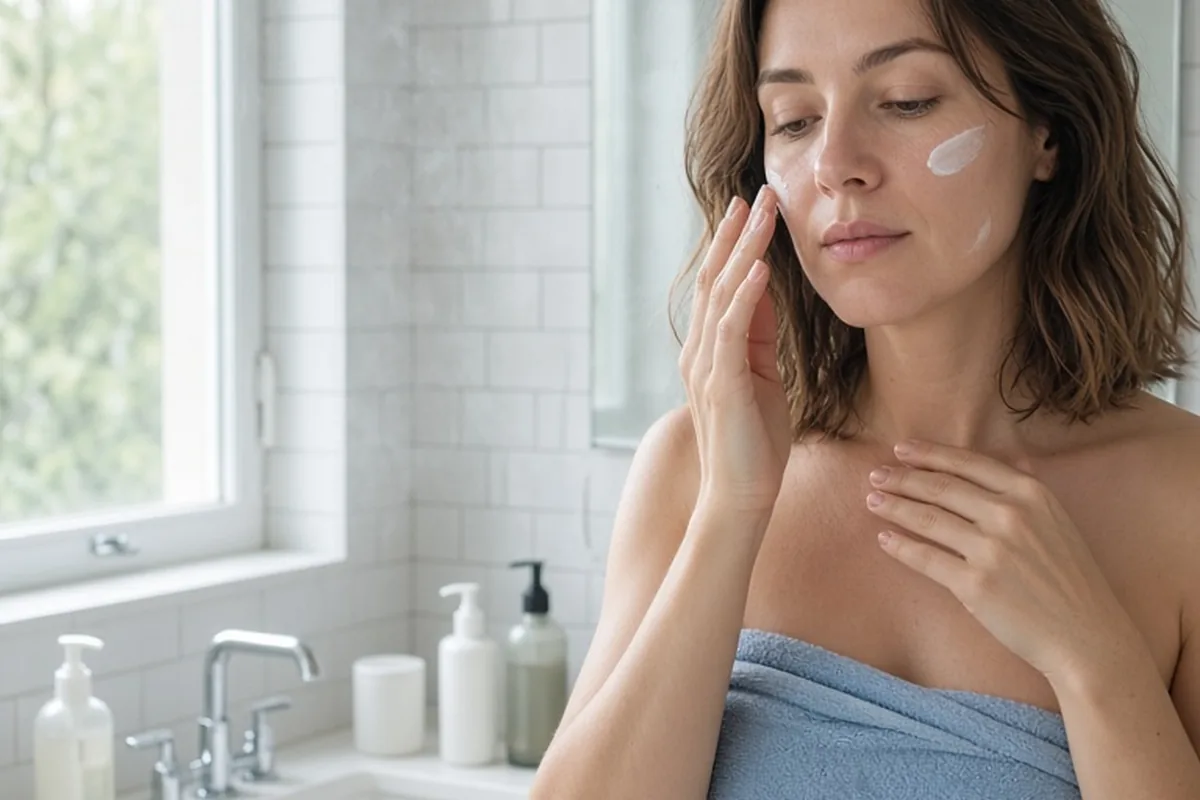
Skincare steps you can safely skip include eye creams, facial mists, pore strips, abrasive scrubs, sheet masks, and separate neck creams. A foundational routine consisting of a gentle cleanser, a dependable moisturizer, and a broad-spectrum daily sunscreen provides the essential support skin requires. Additional specialty items frequently inflate your monthly expenses and heighten irritation risks without offering meaningful therapeutic advantages over everyday formulations.
The beauty industry often promotes the idea that achieving a calm, luminous complexion requires an elaborate sequence of jars, droppers, and specialized treatments. Between viral routines showcased on social platforms and marketing campaigns claiming every square inch of the face needs a distinct product, it is easy to assume that using fewer items compromises results. In truth, skin barrier function relies on thoughtful consistency rather than product volume, and understanding where cosmetic marketing diverges from practical utility helps you protect both your skin and your personal budget.
Eye Creams and Dedicated Neck Formulations
Specialty creams marketed exclusively for the undereye area or the neck represent some of the highest markups in the beauty aisle. Brands frequently package standard moisturizing bases of glycerin, squalane, fatty alcohols, and mild emollients into miniature half-ounce containers, pricing them significantly higher per ounce than their standard facial equivalents. While the skin around the orbital rim is thinner and possesses fewer sebaceous glands, it does not require an entirely different biochemical approach to achieve adequate surface hydration and softness.
For the vast majority of people, your everyday facial moisturizer serves this exact purpose when gently patted around the orbital bone and smoothed down across the neck and chest. The main exception involves individuals whose eyelids are unusually prone to irritation from active botanical extracts or those susceptible to milia, which are tiny, benign keratin-filled cysts that can develop under the eyes when exposed to heavy mineral oils or waxes. If your standard face cream is unfragranced and non-comedogenic, you can comfortably bypass separate eye and neck products without sacrificing moisture.
Astringent Toners and Hydrating Face Mists
Toners originally gained popularity decades ago when traditional bar soaps left an alkaline residue on the face, requiring an acidic, alcohol-based liquid to restore surface balance and strip remaining grime. Modern facial cleansers are carefully formulated within skin-friendly pH ranges, making old-fashioned clarifying astringents largely obsolete. Alcohol-heavy toners frequently compromise lipid integrity, stripping necessary sebum and prompting the skin to produce excess compensatory oil or experience heightened sensitivity.
Hydrating face mists represent another luxury that provides little lasting utility. Aerosolized waters and floral distillates may offer a pleasant sensory experience during warm weather, but as the fine droplets evaporate into dry air, they can draw intrinsic moisture away from the stratum corneum through trans-epidermal water loss. Rather than investing in packaged liquids, you can achieve superior hydration simply by applying your daily humectant serum or moisturizer directly onto damp skin immediately after turning off the tap.
Pore Strips and Coarse Mechanical Scrubs
Pore strips and gritty physical scrubs deliver a quick feeling of gratification, but their long-term effects on skin integrity are often counterproductive. Adhesive strips adhere aggressively to the outer layers of the epidermis; when ripped away, they pull out sebaceous filaments along with healthy surface cells. This mechanical tugging can exacerbate inflammation, stretch follicular openings over time, and occasionally rupture superficial capillaries around the nose without addressing the root cause of congested oil glands.
Similarly, scrubs containing crushed nutshells, fruit pits, or uneven seed fragments create microscopic friction across the skin surface. This abrasive action often triggers low-grade barrier disruption, redness, and micro-tears that invite bacterial proliferation. A more practical and gentle approach involves dissolving dead surface cells and trapped sebum using leave-on chemical exfoliants, such as mild salicylic acid or lactic acid used once or twice weekly, alongside an evening oil cleanser to soften debris without physical trauma.
Single-Use Sheet Masks and Peel-Off Formulas
Single-use sheet masks have become synonymous with self-care rituals, yet their clinical contribution to daily skin maintenance remains minimal. A sheet mask essentially acts as a temporary occlusive compress, holding a water-based essence against the face for fifteen minutes to impart a brief, plumping surge of surface hydration. However, this effect is notoriously short-lived, fading within hours while generating continuous packaging waste and recurring expenses that dwarf the cost of a long-lasting bottle of serum.
Peel-off face masks present even greater drawbacks, as their drying plasticizers cling tightly to delicate facial hairs and surface cells, causing unnecessary mechanical traction during removal. If your complexion feels tight or depleted, applying a slightly thicker layer of your existing night cream or layering a drop of pure squalane oil over damp skin delivers comparable moisture retention. You gain reliable barrier nourishment while eliminating single-use waste and synthetic film formers.
Elaborate Morning Cleansers and Unnecessary Double Cleansing
Skincare marketing frequently insists that every person requires an intensive morning wash to eliminate overnight perspiration, followed by an elaborate two-step cleansing ritual every evening. In practice, overnight buildup mostly consists of your own natural sebum and the clean skin products you applied before bed. Subjecting the face to foaming surfactants twice every twenty-four hours frequently depletes essential intercellular lipids, resulting in chronic tightness, flaking, or mid-afternoon greasiness.
Many individuals, particularly those with dry, sensitive, or mature skin types, can easily skip morning cleanser entirely in favor of a gentle rinse with lukewarm water before applying daytime products. Furthermore, while an evening double cleanse using an oil-based balm followed by a water-based gel is valuable for dissolving heavy theatrical makeup or tenacious mineral sunscreen, it is unnecessary on low-activity days spent indoors without cosmetics. Tailoring your cleansing habits to what is actually on your skin preserves natural moisture balance.
Overlapping Single-Ingredient Serums
The popular trend of purchasing individual dropper bottles dedicated to singular ingredients like hyaluronic acid, niacinamide, and panthenol has led many people to layer five or six different serums sequentially. This stacking method increases the chance of cosmetic pilling, ingredient clashes, and exposure to redundant preservation systems. Furthermore, modern cosmetic chemists already incorporate humectants and soothing agents like niacinamide and glycerin into well-balanced moisturizers and cleansers, making standalone bottles superfluous.
To avoid product overload, inspect the ingredient lists of your primary daily moisturizer and sunscreen before purchasing another specialty dropper. You will frequently discover that your foundational products already supply the hydrating and calming agents you are attempting to layer separately. Streamlining your active ingredients down to one targeted formula that addresses your primary concern, such as a stable retinoid or an antioxidant serum, yields better consistency and reduces the chance of barrier distress.
Establishing a Sustainable Minimalist Core
A truly functional skincare routine relies on three essential pillars: thorough yet gentle evening cleansing, daily barrier support through moisturizing agents, and diligent morning photoprotection. Sunscreen remains the single most preventative product you can apply, shielding collagen structures from ultraviolet damage and mitigating hyperpigmentation. When these three foundational steps are formulated well and matched to your skin type, they perform roughly ninety percent of the work required to maintain dermal health.
Transitioning away from a complex cabinet requires a gradual mindset shift rather than an abrupt purge. When you remove extraneous steps, you allow your skin to normalize its natural moisture regulation, making it far easier to identify which products actually make a constructive difference. You also gain significant clarity: if irritation occurs, pinpointing the source among three gentle basics is straightforward, whereas diagnosing a flare-up across a dozen overlapping steps is notoriously difficult.
Illustrative Scenarios
Simplifying a Multi-Step Regimen
A composite professional in their early thirties experienced persistent cheek redness and stinging around the temples while using a nine-step regimen that featured morning clarifying toners, two hydrating serums, an undereye gel, and weekly peel-off masks. Frustrated by recurring product pilling and reactive breakouts, they systematically removed the toner mists, pore treatments, sheet masks, and separate eye cream over a four-week period, retaining only a mild cream wash, a simple ceramide lotion, and a lightweight mineral sunscreen. Within a month, the localized stinging resolved, surface texture smoothed out, and their cosmetic budget decreased by roughly half.
Key point: Eliminating redundant skincare steps often reduces underlying friction and barrier stress, allowing fundamental hydration and photoprotection to perform more effectively.
Frequently asked questions
Can I skip morning face washing if I have oily or acne-prone skin?
Yes, many people with oily skin find that a thorough lukewarm water rinse effectively removes nighttime product without triggering compensatory sebum production. However, if you wake up with noticeable oil buildup or use prescription topical medications overnight, a brief wash with a gentle, non-foaming cleanser remains appropriate. Let your skin comfort guide the choice rather than adhering to rigid rules.
Will my skin lose hydration if I stop using a separate hyaluronic acid serum?
Most likely not, because hyaluronic acid, glycerin, and other humectants are standard components in modern moisturizers, sunscreens, and even cleansers. When you apply your regular moisturizer over lightly damp skin, you deliver ample hydration and seal it beneath protective lipids in a single efficient step.
Are expensive neck creams necessary to prevent premature sagging?
No, dedicated neck creams generally contain the same fundamental emollients and humectants present in facial moisturizers. The most effective preventative step for the neck and chest is simply extending your daily broad-spectrum sunscreen and standard night cream downward past your collarbones.
How can I tell if a product in my routine is genuinely unnecessary?
Remove the product from your daily lineup for two to three weeks while keeping the rest of your routine consistent. If your skin tone, comfort, and texture remain unchanged or improve during that trial window, the discontinued product was likely serving an aesthetic or marketing purpose rather than an essential functional one.
Your next step
Take an inventory of your bathroom counter tonight, inspect your moisturizer's ingredient panel for built-in humectants, and set aside any redundant toners, mists, or specialty eye jars for two weeks to see how effortlessly your skin thrives on the basics.