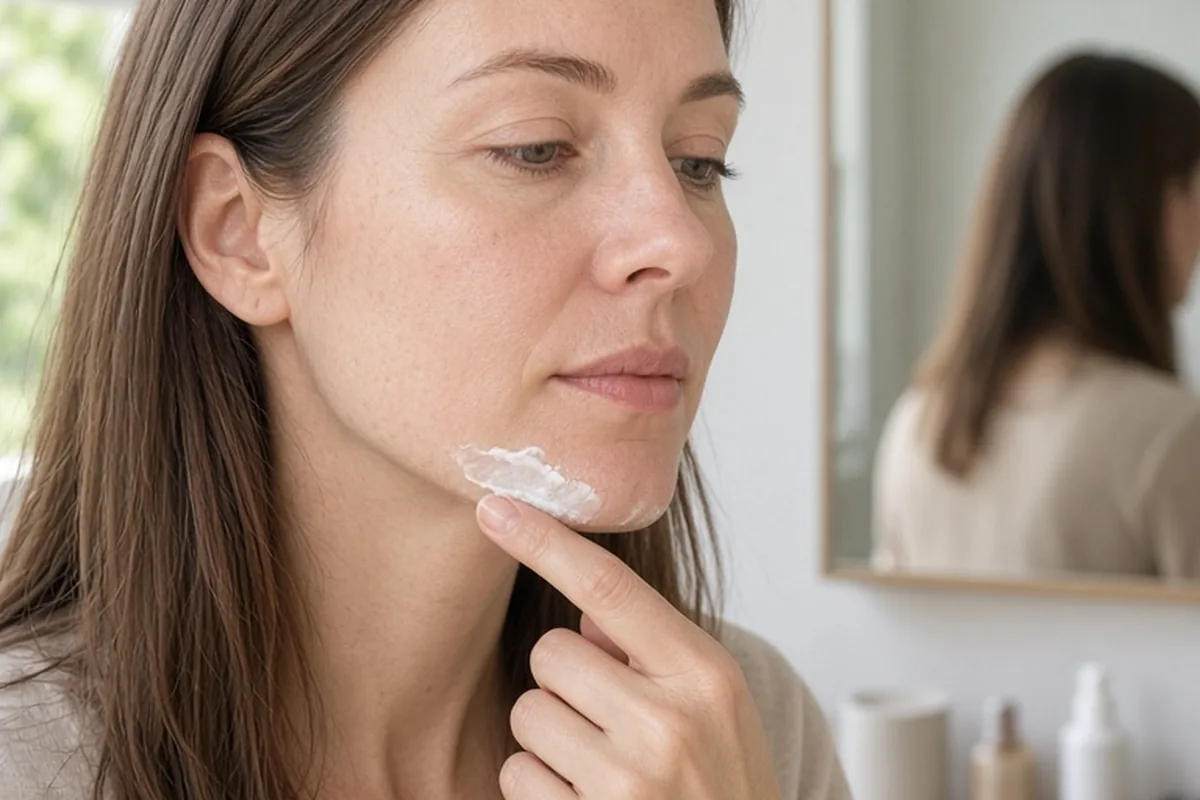
Sunscreen is widely recommended during pregnancy to shield skin from increased ultraviolet sensitivity and hormonal hyperpigmentation like melasma. Most healthcare providers suggest broad-spectrum mineral sunscreens containing zinc oxide or titanium dioxide because they sit on the skin surface rather than absorbing into the bloodstream. Checking ingredient labels, opting for fragrance-free lotions, and applying SPF 30 or higher consistently helps protect sensitive skin safely without causing unnecessary irritation.
Pregnancy brings noticeable shifts to your complexion, from sudden dryness and heightened reactivity to deeper pigmentation triggered by everyday sunlight. Navigating personal care products during this time often feels overwhelming, but maintaining dependable sun protection remains one of the simplest habits for daily comfort and skin health.
Mineral Versus Chemical Filters During Pregnancy
Sunscreen formulations fall into two primary categories based on their active UV filters: mineral, also known as physical, and chemical. Mineral sunscreens utilize active ingredients like zinc oxide and titanium dioxide. These finely ground mineral compounds remain on the outer layer of the skin, where they primarily reflect and scatter incoming ultraviolet rays away from the tissue. In contrast, chemical sunscreens rely on organic carbon-based filters like avobenzone, oxybenzone, and octisalate, which absorb UV energy and transform it into low-grade heat before releasing it from the body.
Many prenatal care providers suggest opting for mineral filters during pregnancy because their large molecular structure prevents significant absorption through the epidermal barrier. Furthermore, pregnant individuals frequently report heightened skin sensitivity, and chemical UV absorbers carry a higher likelihood of causing contact redness or allergic stinging on compromised skin. For example, a person who spent years comfortably using a lightweight chemical gel might suddenly notice persistent burning after application during the second trimester. The main trade-off of mineral sunscreens is cosmetic feel; traditional mineral bases can feel heavier and leave a noticeable pale cast, making thoughtful formulation selection essential.
Preventing and Managing Melasma and Dark Patches
Hormonal surges during pregnancy, particularly elevated levels of estrogen and progesterone, stimulate melanocytes to produce excess melanin. This biological process frequently leads to melasma, often referred to as the mask of pregnancy, which presents as symmetrical, brownish patches on the forehead, upper lip, bridge of the nose, and cheekbones. Ultraviolet radiation serves as the strongest external trigger for these pigment cells, meaning even brief incidental exposure can rapidly deepen existing spots or initiate new areas of discoloration.
Effective prevention requires combining broad-spectrum protection against both UVA and UVB rays with defense against high-energy visible light. Standard transparent sunscreens shield effectively against UV radiation, but visible light from the sun can also aggravate stubborn pigmentation. Using a tinted mineral sunscreen formulated with iron oxides provides an added physical pigment barrier that visibly blocks blue and visible wavelengths. For instance, wearing a tinted zinc cream during a morning commute helps prevent minor daily light from worsening upper lip discoloration. The practical limit is that topical sun care prevents darkening but cannot instantly reverse hormonal hyperpigmentation, which often resolves gradually only after postpartum hormone levels normalize.
Ingredients to Scrutinize on Sunscreen Labels
When shopping for pregnancy-safe sun protection, evaluating the inactive and supplementary active ingredients on the back label is just as important as identifying the mineral filter. Cosmetic brands often combine sunscreens with anti-aging actives, exfoliating acids, or complex scent blends to deliver multi-purpose benefits. While convenient under normal circumstances, some common cosmetic additives should be approached with caution or avoided entirely during pregnancy based on standard dermatological guidance.
Particular attention should be paid to formulas advertising brightening or smoothing results, as these may include retinoid derivatives or strong chemical exfoliants. In addition, synthetic fragrances and heavy essential oils are frequent triggers for pregnancy-related nausea and acute skin sensitization. Choosing stripped-back, minimalist ingredient lists lowers the odds of unexpected facial rashes. The trade-off of simpler formulas is that they lack the silky glide or intense mattifying effects created by synthetic additives, but they offer a much safer baseline for reactive skin.
- Avoid retinyl palmitate and other vitamin A derivatives, which are widely advised against during pregnancy.
- Skip products containing oxybenzone if you prefer to minimize chemical filter absorption based on precautionary guidance.
- Limit high concentrations of salicylic acid or harsh chemical peels within daily leave-on sun lotions.
- Choose fragrance-free designations over unscented labels, as unscented products may still contain masking fragrances.
Navigating Texture, White Cast, and Skin Type Changes
Skin behavior rarely remains constant throughout pregnancy; fluctuating hormones can prompt intense dryness in one trimester and excessive oiliness or acne flares in another. Traditional zinc oxide sunscreens have an earned reputation for being thick, pasty, and challenging to spread, which can discourage regular wear or cause pore blockage on acne-prone complexions. Conversely, chalky matte lotions can cling uncomfortably to dry patches, highlighting fine lines and flaking skin.
Overcoming these cosmetic hurdles involves matching the vehicle formula to your current barrier needs rather than abandoning sun protection. Those managing oily or breakout-prone skin benefit from fluid, oil-free suspensions labeled non-comedogenic, while individuals facing dullness or tight dry skin benefit from hydrating mineral creams enriched with squalane, glycerin, or ceramides. For example, a person with deeper skin who struggles with a ghostly white residue can opt for a tinted mineral fluid that blends invisibly while evening out skin tone. The compromise is that shade ranges in mineral sunscreens remain relatively limited compared to cosmetic foundations, requiring some experimentation to find a seamless match.
Practical Application and Midday Reapplication Realities
A sunscreen's stated SPF rating assumes an application density of two milligrams per square centimeter of skin, which equates to roughly a nickel-sized dollop or two full finger-lengths for the face, neck, and ears combined. Applying too thin a layer drastically cuts the realized protection, turning a labeled SPF 50 into the functional equivalent of SPF 15 or 20. Ensuring adequate coverage every morning sets the essential foundation for UV defense, especially across vulnerable areas prone to melasma.
Maintaining that barrier throughout the day presents a separate practical hurdle, particularly when balancing work, fatigue, or cosmetic makeup. Topical sunscreens break down and migrate due to natural sebum production, facial movement, and environmental contact, creating gaps in coverage within a few hours. When liquid reapplication over makeup feels unrealistic, utilizing mineral powder sunscreens or patting a fluid mineral lotion over the high points of the face with a clean makeup sponge offers a workable solution. The trade-off is that powders rarely achieve the density needed for primary protection, meaning they function best strictly as midday touch-ups over a solid morning lotion base.
Layering Physical Sun Protection Beyond Creams
Topical creams are only one component of a thorough sun defense strategy, and over-relying on lotions can create unnecessary anxiety when reapplying proves inconvenient. Non-chemical physical barriers deliver reliable, continuous protection that does not degrade with sweat, wash away, or cause contact allergic reactions on delicate pregnancy skin. Incorporating behavioral shade habits significantly reduces the total UV radiation burden reaching your body throughout the day.
Simple adjustments provide extensive protection with minimal ongoing effort. Wearing a wide-brimmed hat featuring at least a three-inch brim shades the forehead, eyes, nose, and neck from overhead solar rays, directly protecting the zones where melasma develops most aggressively. Pairing this with UV400-rated sunglasses shields the delicate periorbital skin where hormonal pigment often forms. For extended outdoor time, lightweight clothing certified with an Ultraviolet Protection Factor rating ensures dependable coverage across the shoulders and chest without requiring heavy full-body lotion reapplication. The limitation is that physical clothing requires conscious planning during hot weather, but it removes the guesswork of reapplying creams while outdoors.
Introducing New Formulas Without Triggering Irritation
Because pregnancy alters immune system dynamics, your skin can react unpredictably to products that previously caused no issues at all. Developing contact dermatitis during pregnancy can be particularly distressing because standard topical steroid treatments and oral antihistamines may face medical restrictions. Taking a structured, cautious approach whenever introducing a new sunscreen ensures your skin barrier remains stable and calm.
Before applying any new mineral sunscreen to your entire face, conduct a patch test by placing a dime-sized amount along the lower jawline or behind the ear for three consecutive evenings. Monitor the test patch for delayed redness, itching, burning, or tiny inflammatory bumps. If the area stays clear and comfortable, transition to using the product on your lower face for a couple of days before adopting it for your full morning routine. The trade-off of this cautious method is delayed gratification, but it prevents widespread facial irritation that takes weeks to soothe.
Illustrative Scenarios
Balancing Pigment Defense with Congested Skin
An illustrative composite case involves a person in their second trimester who developed dark patches across the cheeks alongside sudden hormonal jawline breakouts. Their initial heavy mineral paste clogged pores and caused whiteheads, while their prior chemical gel caused stinging around the eyes. By switching to a fragrance-free, oil-free mineral fluid with iron oxides, patch-testing for three days, and pairing it with a wide-brimmed sun hat for daily outdoor walks, they achieved reliable UV protection without aggravating their acne.
Key point: Choosing lightweight, tinted mineral formulations and reinforcing them with physical shade allows individuals with reactive, breakout-prone skin to guard against melasma without clogging their pores.
Frequently asked questions
Is chemical sunscreen dangerous during pregnancy, or just less preferred?
Approved chemical filters are not classified as direct toxins, but mineral formulas are widely preferred by clinicians due to chemical filters' potential for low-level systemic absorption and higher rates of skin irritation. If you only have access to a chemical sunscreen, using it is far safer for preventing severe sun damage and melasma than wearing nothing at all. You can discuss any specific ingredient concerns with your obstetrician or midwife to establish an approach that feels comfortable for you.
What SPF rating should I aim for to prevent pregnancy melasma?
Dermatologists generally recommend a broad-spectrum sunscreen with an SPF between 30 and 50 for daily use during pregnancy. While SPF values above 50 offer tiny incremental increases in UVB blockage, they often create a false sense of security that leads to skipped reapplications. Choosing an SPF 30 or 50 that contains iron oxides and applying it generously provides far more practical protection against hormonal pigmentation than relying on an ultra-high number applied thinly.
Do I need to wear sunscreen if I work indoors all day?
Standard residential and commercial window glass blocks UVB rays that cause sunburns, but UVA rays and visible sunlight easily penetrate clear glass and trigger melanocyte activity. If your home office or desk sits close to an unshaded window or receives direct natural light, wearing a daily mineral sunscreen remains a valuable precaution against melasma. If your workspace has no outdoor light or windows, a standard morning application is typically adequate until you head outside for errands or a commute.
Can I use body sunscreen on my face during pregnancy?
While body sunscreens rely on the same protective mineral filters as facial lotions, their base vehicles are usually formulated with heavier emollients and thicker waxes that can easily clog facial pores. Using body formulas on the face during pregnancy can increase the likelihood of developing closed comedones or inflammatory breakouts. If you must use a body lotion on your face in a pinch, select an oil-free, fragrance-free version and cleanse thoroughly at the end of the day.
Your next step
Review the active ingredient panel on your current facial sunscreen to verify it provides broad-spectrum mineral protection with zinc oxide or titanium dioxide, and test any new formula along your jawline before full daily wear.