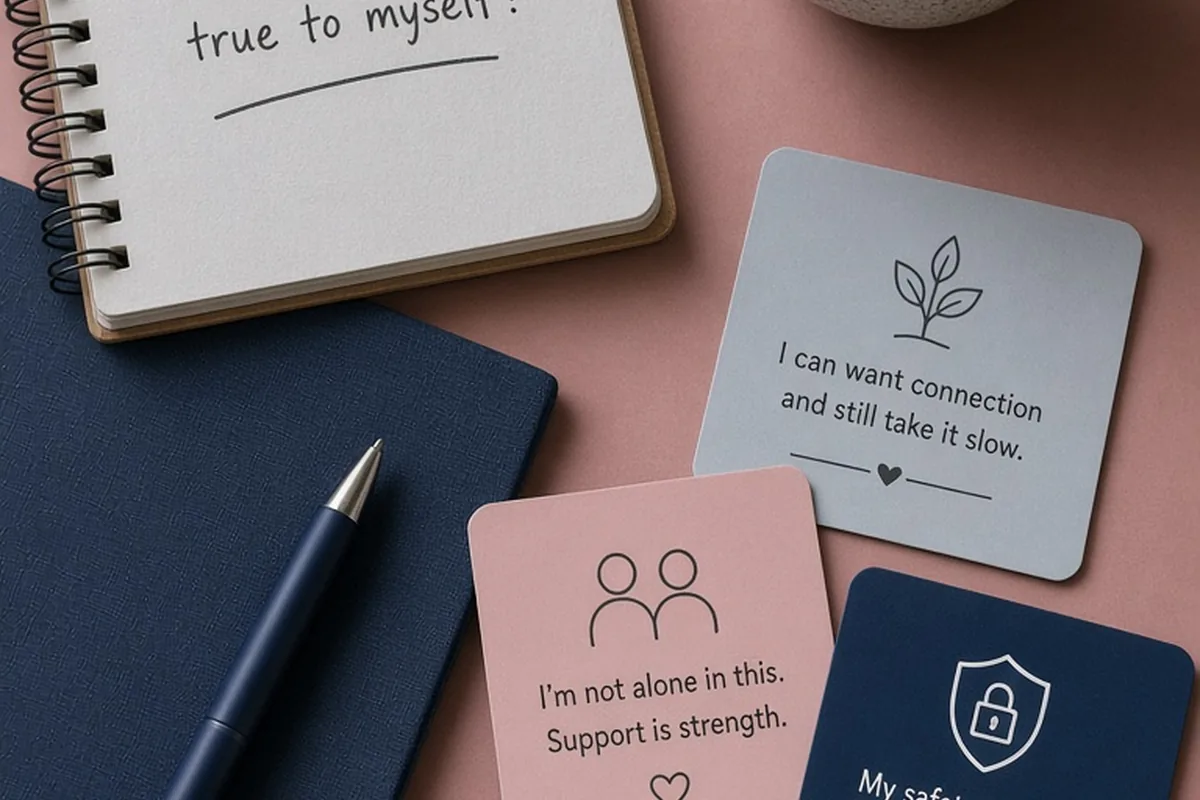
Key support options for dating during separation include licensed mental health therapists, family law attorneys, peer-led separation support groups, and qualified divorce coaches. Working with legal and therapeutic professionals helps you understand local legal risks, process unresolved marital grief, establish healthy boundaries with your former partner, and clarify dating intentions. Structured co-parenting communication tools and romance scam awareness resources further protect your emotional, parental, and financial well-being.
Navigating romance while navigating a marital separation creates unique emotional, legal, and social complexities. Knowing which professional and community resources to lean on can help you make grounded choices that protect your personal well-being and long-term peace of mind.
Mental Health Professionals and Individual Therapy for Separated Daters
Engaging an individual licensed therapist or counselor is one of the most effective ways to evaluate your emotional readiness before entering the dating scene. Separation involves ambiguous loss, shifting identity, and unresolved emotional ties to an ex-partner. A qualified therapist specializing in life transitions or relationship dynamics can help you distinguish between a genuine desire for healthy companionship and an impulse to use dating as a distraction from loneliness, grief, or anger.
Therapy sessions provide a neutral environment to examine the relationship patterns that contributed to your marital breakdown. By identifying recurring communication breakdowns, attachment triggers, or boundary struggles, you can avoid repeating identical dynamics with prospective dating partners. Therapists can also assist you in establishing firm emotional boundaries regarding how much information about your ongoing separation you share with new acquaintances, ensuring you do not burden early dates with unprocessed marital distress.
When selecting a mental health provider, look for licensed clinical social workers, licensed professional counselors, or marriage and family therapists who explicitly list divorce, separation, and relationship adjustment in their areas of focus. Clarify session rates, insurance acceptance, or sliding-scale options directly with the practitioner before beginning, as coverage varies significantly by location and insurance carrier.
Legal Counsel and Family Law Consultation for Dating During Separation
Before actively dating, consulting with your retained family law attorney or an independent legal advisor in your jurisdiction is an essential protective step. Family laws regarding marital separation, legal separation agreements, fault-based divorce, and spousal support differ dramatically depending on your state or province. In some jurisdictions, dating during a separation period can carry unintended consequences for spousal maintenance claims, division of marital assets, or custody proceedings if marital funds are spent on a new partner.
An attorney can provide precise guidance on what is permissible under your current separation decree or informal agreement. For instance, they can advise you on whether introducing a romantic partner to your children violates temporary court orders or status quo agreements. They can also explain the legal definitions of marital misconduct in your region, helping you avoid actions that could complicate ongoing property settlements or settlement negotiations.
Prepare specific questions for your legal consultation, such as how dating might impact the finalization timeline of your divorce, whether digital communications on dating apps could become discoverable evidence, and what financial disclosures are mandatory. Remember that legal advice from friends, family, or online forums cannot substitute for counsel tailored to your specific jurisdiction and case facts.
Peer-Led Separation and Divorce Recovery Support Groups
Peer support groups offer a structured community setting where individuals going through marital dissolution can share experiences, reduce isolation, and receive practical feedback from peers facing similar challenges. Organizations such as local community centers, non-profit family networks, and verified online community platforms host weekly or monthly meetings led by facilitators trained in separation recovery.
Participating in peer groups allows you to normalize the conflicting feelings that often accompany dating during separation, such as guilt, excitement, apprehension, or fear of judgment from social circles. Hearing how other members navigated disclosure timelines, managing mutual friendships, and coping with an ex-partner's reaction to their dating life provides realistic perspectives that one-on-one professional advice might not fully illustrate.
To find a safe and productive group, seek communities that enforce clear confidentiality rules, avoid fostering hostility or revenge narratives toward ex-spouses, and maintain balanced discussions. Many hospitals, secular community organizations, and religious institutions offer specialized recovery groups; verify whether a group is open-ended or follows a multi-week structured curriculum before committing your time.
Dating Coaches and Divorce Transition Mentors
Divorce coaches and dating transition mentors focus on forward-looking, goal-oriented strategies for re-entering the dating world after a long-term partnership. While a therapist addresses emotional healing and past traumas, a dating coach typically assists with the practical logistics of modern dating, such as writing an honest dating profile, clarifying lifestyle preferences, and navigating modern dating etiquette.
A credible transition coach can help you articulate your marital status transparently on dating platforms without over-explaining or presenting yourself defensively. They can work with you to define clear personal criteria for new partners, establish pacing guidelines so you do not rush into emotional commitments prematurely, and practice effective communication strategies for awkward conversations regarding your separation timeline.
Because life coaching and dating mentorship are unregulated fields in many jurisdictions, it is critical to vet a coach's background carefully. Look for credentials from recognized bodies such as the International Coaching Federation, inquire about their specific experience working with separated or divorced clients, and avoid practitioners who make unrealistic guarantees about finding long-term partners quickly or using manipulative relationship tactics.
Co-Parenting Coordinators and Child-Focused Mediation Support
If you share dependent children with your separated spouse, introducing romantic dating into your life requires careful coordination to protect your children's emotional stability. Co-parenting coordinators, family mediators, and child development specialists provide structured frameworks for establishing healthy boundaries between adult dating lives and ongoing parenting duties.
A professional mediator or coordinator can help you and your co-parent formalize clear guidelines within your parenting plan regarding romantic partners. These agreements often address mutually agreed waiting periods before introducing a new partner to the children, rules against overnight romantic guests during scheduled parenting time, and respectful protocols for notifying the other parent before major introductions take place.
Utilizing dedicated co-parenting communication platforms can keep logistics focused strictly on the children's schedules, education, and medical needs. By routing logistics through documented, neutral channels, you minimize emotional conflicts and prevent your dating life from becoming a point of friction during daily parenting exchanges.
Digital Safety Resources and Romance Scam Awareness for Vulnerable Daters
Separated individuals entering the dating market often experience heightened emotional vulnerability, loneliness, or an eagerness for validation. Unfortunately, malicious actors on dating applications and social media platforms frequently target people in life transitions with romance scams designed to extract money or sensitive personal information.
According to consumer guidance on romance scams from the Federal Trade Commission, scammers often create convincing online profiles, profess love or deep connection unusually quickly, and invent sudden emergencies, business opportunities, or travel crises to request money via wire transfers, gift cards, or cryptocurrency. Recognizing these warning signs early is essential to protecting your financial stability while your marital assets are still being resolved.
Practical digital safety steps include keeping your dating conversations on the platform until you have met in person in a public space, conducting basic reverse-image checks on prospective matches, and never sharing confidential financial, legal, or residential details with someone you have only interacted with online. If an online match asks for money, financial assistance, or personal account access, stop communication immediately and report the profile to the platform.
Further reading: FTC: What to know about romance scams
Establishing an Informal Personal Support Network of Friends and Family
In addition to formal professionals, cultivating a dependable circle of friends and family members provides vital daily encouragement. However, relying on personal networks requires intentional communication to ensure their advice remains helpful rather than overwhelming or biased.
Select two or three trusted confidants who can listen objectively without pressuring you to reconcile with your ex-partner or urging you to jump into casual flings before you are ready. Explicitly ask them for balanced accountability, such as helping you evaluate whether you are maintaining healthy boundaries or letting your separation stress bleed into your new connections.
Establish clear boundaries with well-meaning loved ones who may take sides, express excessive curiosity about your dating activities, or share information with your separated spouse. Maintaining a discreet, supportive personal circle ensures you have a secure outlet to process your dating experiences without fueling family drama or social tension.
Illustrative Scenarios
Navigating App Disclosure and Legal Boundaries
Marcus separated from his spouse six months prior and decided to create an online dating profile. Initially, he hesitated between hiding his separation status out of embarrassment or oversharing the details of his contentious financial negotiations on his profile. After consulting an individual therapist and a family law attorney, Marcus updated his profile to state simply that he was separated and focused on casual, low-pressure dating. He also established a personal rule not to discuss the specific terms of his ongoing divorce proceedings during dates.
Key point: Transparent, concise communication about your marital status allows you to filter for compatible matches without exposing yourself to legal complications or burdening early dates with unresolved marital conflicts.
Managing Co-Parenting Timelines and New Introductions
Elena had been legally separated for a year and began dating someone steadily for four months. When she considered introducing her partner to her young children, she noticed tension rising with her co-parent during routine school pickups. Rather than escalating the conflict, Elena suggested consulting their agreed family mediator to review their co-parenting plan. With the mediator's assistance, both parents agreed on a structured timeline that required six months of exclusive dating and advance notice before any partner was introduced to the children.
Key point: Utilizing neutral mediation services helps separated parents establish objective, child-centered boundaries around dating that minimize co-parenting hostility.
Frequently asked questions
Is it legally safe to date while legally separated?
Legal implications depend entirely on your jurisdiction and the specific terms of your separation agreement. In some areas, dating has no bearing on divorce proceedings, while in others it can affect spousal maintenance claims or asset division if marital funds are used. Always consult a local family law attorney before dating during a formal separation.
How do I know if I am emotionally ready to date during separation?
Emotional readiness is typically marked by an ability to reflect on your marital breakdown without overwhelming anger or sadness, a clear understanding of your personal relationship values, and the absence of an urge to use new partners as an emotional crutch. Working with a licensed therapist can help you objectively evaluate your readiness.
When should I tell a prospective match that I am separated?
Honesty early in the interaction is the standard practice. State your separation status either directly on your dating profile or during your first one or two conversations, ensuring the other person can make an informed decision about whether they are comfortable dating someone whose divorce is not yet finalized.
What is the difference between a divorce coach and a licensed therapist?
A licensed therapist focuses on psychological healing, processing grief, diagnosing mental health conditions, and addressing past trauma. A divorce or dating coach focuses primarily on practical, forward-looking strategies, such as time management, dating profile preparation, and setting practical lifestyle goals.
Your next step
Schedule an initial consultation with a licensed therapist or your family law attorney this week to clarify your emotional readiness and legal parameters before creating a dating profile.