A good teenage love letter captures honest, specific feelings without dramatic exaggerations or pressure for an immediate commitment. To write one, highlight one or two genuine memories you share, mention a quality you truly admire about the person, and keep your tone natural to how you normally speak. Whether confessing a quiet crush or celebrating an anniversary, keeping the message grounded and considerate makes it meaningful and easy for the recipient to receive.
Putting romantic feelings into writing can feel intimidating when you are balancing school routines, mutual friendships, and the fear of feeling exposed. A handwritten note or thoughtful letter cuts through the noise of fleeting social media posts, offering a personal keepsake that feels intentional, considerate, and distinctly sincere.
Matching Your Tone to Where the Relationship Actually Stands
The most effective letters match the current reality of your connection rather than jumping ahead to cinematic fantasies. If you are writing to someone you have only talked to between classes or during group projects, a declaration of endless devotion feels jarring and puts intense social pressure on them. For an early crush, a lighthearted, observant tone works best. Focus on small moments, such as an interesting conversation by the lockers or a shared sense of humor, which signals interest while leaving room for an easy, comfortable conversation in return.
When you are already dating or celebrating a high school milestone like prom or an anniversary, the tone naturally deepens. You can reference inside jokes, personal challenges you navigated together, and the quiet security of having each other around. The key distinction is balance: express your genuine care clearly, but avoid treating the letter as a binding contract. Giving someone emotional space within your words demonstrates maturity and makes your affection feel supportive rather than overwhelming.
Teenage Love Letter Examples for Crushes, Milestones, and Distance
These examples show how to adapt your language to different circumstances, keeping the focus on authentic appreciation rather than grand, theatrical speeches.
Example 1: A gentle confession to a classmate or friend 'Hey Alex, I wanted to write this down because I am usually better at organizing my thoughts on paper than saying them out loud between sixth and seventh period. Over the last couple of months, working together on that history project and just laughing at lunch have been some of the best parts of my week. You have this quiet way of making everyone around you feel comfortable, and I really admire how passionate you get when you talk about your track meets. I realized recently that I have developed feelings for you that go beyond just being classmates. There is zero pressure to feel the exact same way, and I value our friendship no matter what. But if you would ever want to grab boba or study together this weekend just the two of us, I would love that.'
Example 2: A six-month dating anniversary note 'Dear Sam, Happy six months. Looking back at our first real date at the diner where we split that terrible milkshake, it feels wild how quickly time has moved. What I appreciate most about being with you is not just the fun weekends, but the regular, everyday moments—walking to the parking lot after practice, sending each other ridiculous memes during study hall, and knowing I can tell you about a rough day without being judged. Thank you for being someone I can completely be myself around. I am so glad we are doing this together, and I cannot wait for summer break with you.'
Example 3: Reassurance during a stressful week or exam period 'Hey Taylor, I know this week has felt completely overwhelming with finals, college applications, and soccer tryouts all landing at once. I just wanted to leave this in your backpack to remind you of how capable you are. Even when you feel exhausted, your work ethic and kindness to other people never slip. Do not stress about texting me back quickly or making time for a long phone call right now; just focus on getting through Friday. I am cheering for you from the sidelines, and your favorite iced coffee is on me as soon as your last test is done.'
Example 4: Staying connected over summer break or long distance 'Dear Jordan, It has only been two weeks since school let out, but the afternoons already feel strange without our routine walks home. Even though we are in different towns until August, hearing your voice while you describe your camp counselor chaos makes the distance feel small. Thank you for always making time to check in, even when your schedule is packed. I miss you a lot, but having you in my life makes this summer something I am grateful for every day. Count down the weeks with me—I have already marked the weekend we both get back.'
Structuring a Short, Sincere Letter Step by Step
A compelling letter does not require flowery poetry or pages of prose; in fact, two to three focused paragraphs are usually much more impactful. Begin with an anchor: a specific memory, a small habit you noticed, or a shared experience from the past couple of weeks. Opening with a concrete moment immediately establishes that the letter is uniquely about them, rather than a generic collection of romantic phrases copied from the internet.
The middle section should explain why that moment or quality matters to you. Highlight internal attributes—like their patience, their dry wit, or their dedication to their hobbies—alongside any shared history. Finally, close with a grounded statement about the present. If you are already together, mention a future plan you are anticipating. If you are sharing new feelings, conclude with warmth and clear respect for their perspective, making it plain that their comfort matters more than winning an immediate answer.
Deciding How and When to Deliver a Personal Note
The setting in which someone receives your letter shapes their comfort as much as the words inside it. Delivering a note in front of an audience—such as slipping it across a crowded cafeteria table or having friends deliver it as a group prank—creates unnecessary tension and social scrutiny. High school environments can turn private moments into public spectacles very quickly, which makes discrete, direct delivery essential for protecting both your dignity and theirs.
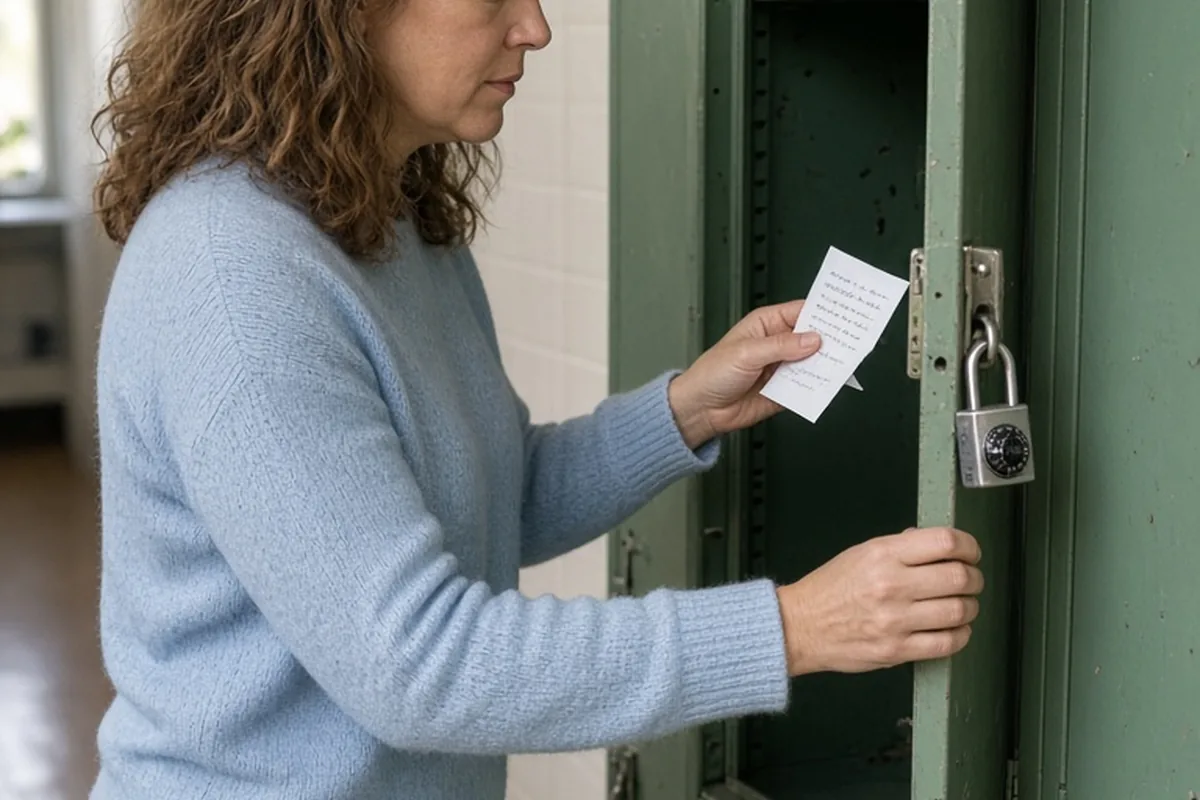
Tucking a folded note into their book, sliding it into a locker slot, or handing it over quietly when parting ways at the end of the day allows the recipient to read it alone at their own pace. If a handwritten card feels impractical or you communicate primarily online, a thoughtful, deliberate digital message can work, but avoid burying meaningful feelings inside an offhand late-night direct message. Choose a quiet, low-stress time—preferably before a weekend or an open afternoon—so they do not have to sit through three consecutive classes feeling self-conscious.
Expressing Interest Without Putting Pressure on the Recipient
One of the most generous things you can do in any letter is build an emotional exit ramp. When someone reads an intense confession that ends with demands for an immediate relationship, they often feel cornered. Framing your feelings as an invitation rather than an obligation preserves mutual respect, whether they share your attraction or simply appreciate the kind words.
Phrases like 'I wanted you to know how much I appreciate you, but please do not feel awkward if you do not feel the same,' or 'Take all the time you need to process this' eliminate social friction. If their response is delayed, polite but uninterested, or neutral, accept it with grace. A calm, respectful reaction to lukewarm news proves that your admiration was sincere and not just a tool to extract validation.
Phrases and Writing Habits That Accidentally Create Awkwardness
A common pitfall in teen writing is borrowing overly tragic or dramatic tropes from romance movies, such as declaring that you cannot survive without the other person or that they are your sole reason for happiness. While intended to sound romantic, placing the weight of your entire emotional wellbeing onto a classmate or young partner creates anxiety and emotional fatigue. Healthy love letters communicate warmth, security, and partnership, not dependency.
Similarly, avoid self-deprecating apologies throughout your letter. Phrases like 'I know I am not cool enough for you' or 'You probably think I am pathetic for writing this' force the recipient into the uncomfortable role of managing your self-esteem before they can even process your compliment. Write with quiet confidence: you are sharing genuine kindness, and sincere affection never needs an apology.
Illustrative Scenarios
Maya Scales Back an Overwhelming Confession
Maya spent three evenings drafting a four-page letter to her chemistry lab partner, recounting every interaction from the school year and declaring that she had never felt this way about anyone. Before slipping it into his folder, she reread it and realized the sheer length might make him feel trapped if he only saw her as a friend. She condensed her thoughts into two short paragraphs, highlighting how much she enjoyed their lab banter and asking if he would want to get coffee together outside of class. He responded the next afternoon with an appreciative text agreeing to hang out, explaining that the casual invite felt easy and low-pressure.
Key point: Focusing on a specific shared dynamic and offering a simple next step avoids placing heavy emotional demands on someone who is still getting to know you.
Jordan Chooses Everyday Memories Over Dramatic Poetry
For his three-month anniversary, Jordan felt pressured to write an elaborate poetic letter using literary metaphors he found online, but the draft felt stiff and unlike his personality. He set the borrowed quotes aside and instead wrote about their messy bus rides home after swim meets, an inside joke from movie night, and how calm he felt around his partner. When his girlfriend read the note, she kept it on her bulletin board because it sounded like his actual voice rather than a generic greeting card.
Key point: Authentic personal details and plainspoken honesty create far more meaningful keepsakes than borrowed romantic clichés.
Frequently asked questions
How long should a teenage love letter be?
A teenage love letter is usually most effective when kept between one and three concise paragraphs. A shorter, focused note prevents the reader from feeling overwhelmed while ensuring your core message remains clear and personal.
What should I do if they don't reply right away or act awkward?
Give them time and space to process what you wrote without sending multiple follow-up messages or asking mutual friends for updates. Act normally and courteously in school, allowing them to initiate the next conversation when they feel comfortable.
Is it better to handwrite the letter or send it digitally?
A handwritten note on clean paper or a blank card usually carries more warmth because it represents deliberate physical effort. However, if sharing a physical letter feels impractical or unsafe, a well-composed digital note sent during a quiet evening can be equally thoughtful.
Can I write a letter if we already talk every day?
Yes, letters are especially meaningful in established relationships because they offer an uninterrupted space to express appreciation that might get missed during casual daily texts. Focusing on steady gratitude and shared memories makes everyday bonds feel recognized.
Your next step
Take ten minutes tonight to write down two specific, small memories you shared with this person recently, and use those real moments to build a simple two-paragraph draft in your own natural voice.