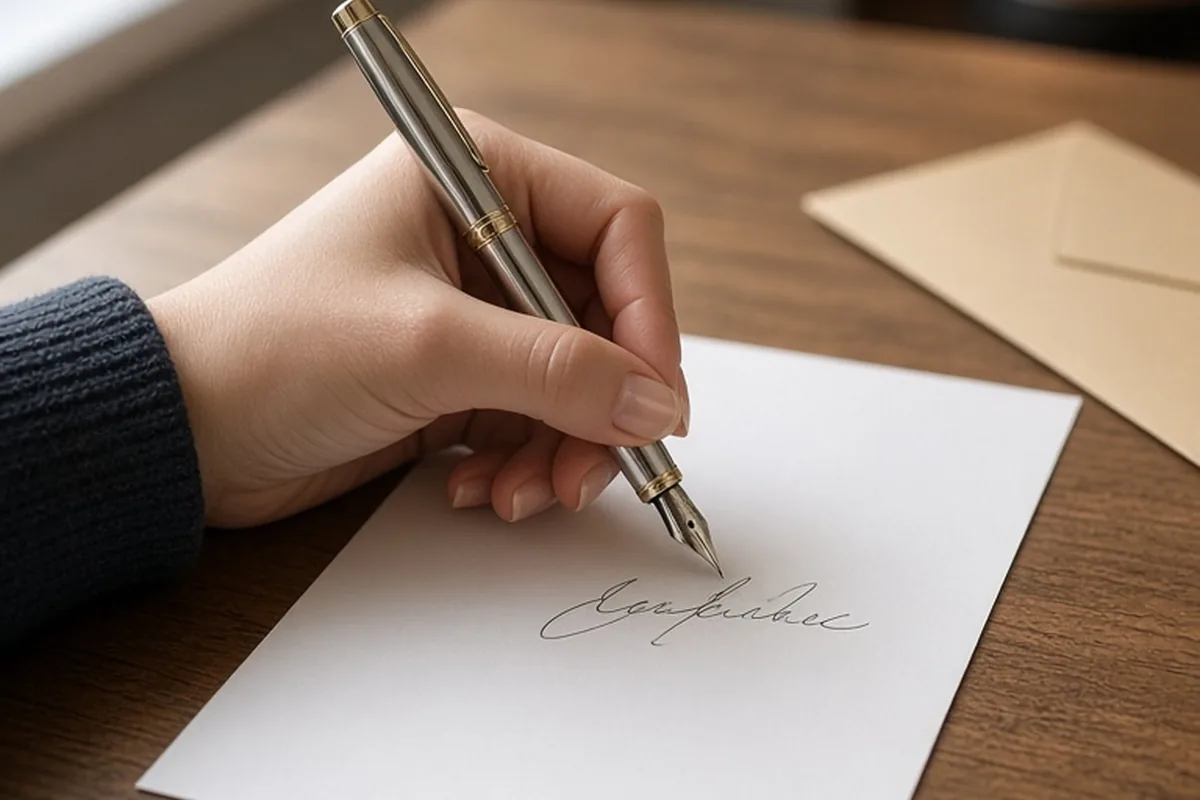
To show someone you are truly thankful for their friendship, choose words that highlight specific shared experiences, consistent presence, or mutual reliability rather than generic praise. A meaningful message acknowledges what their connection adds to your life, whether through a brief text after a thoughtful gesture, a heartfelt note during a milestone, or warm recognition after a challenging season, without expecting an extravagant reply.
Expressing sincere gratitude to a friend does not require elaborate poetry or dramatic declarations. The most memorable messages are grounded reflections of trust, shared humor, and the quiet comfort of being understood through ordinary days and major transitions alike.
Everyday Thankful for Friendship Quotes for Quick Texts and Casual Notes
Everyday gratitude works best when it is spontaneous and unburdened by ceremony. When a friend listens to a quick venting session, helps carry groceries, or shares an inside joke during a dull afternoon, a short message confirms that their everyday kindness does not go unnoticed. These messages do not require an upcoming birthday or a holiday; their value comes from arriving unexpectedly in the middle of a normal week.
When drafting a casual note, focus on ease and directness. You might say: 'I was just thinking about how much lighter things feel whenever we catch up. Thank you for always being such an easy, grounding part of my week.' Another natural option is: 'Thanks for being the kind of friend I never have to put on a performance around. Your steady presence means more than I say out loud.' If you want something even more brief after an ordinary hangout, try: 'Really grateful for our conversation today. Having you in my corner makes everyday challenges much easier to navigate.' These simple phrases offer genuine warmth without putting pressure on the recipient to match your sentiment with an emotional speech.
Deep and Heartfelt Words for Best Friends and Lifelong Companions
Long-standing friendships hold years of personal evolution, quiet sacrifices, and shared milestones. When writing to a best friend or someone who has known you through multiple chapters of life, generic compliments often fall flat. Sincere appreciation for an intimate confidant honors both the history you share and the conscious choice you both make to stay invested as adults.
To honor this depth, reference the emotional safety the relationship provides. A resonant message might read: 'Thank you for seeing who I was years ago, accepting who I am today, and cheering on where I am going next. True friendship is rare, and having yours is one of the greatest anchors in my life.' Another supportive option is: 'Through every shift, move, and season, your loyalty has never wavered. Thank you for being the person I can trust with both my biggest celebrations and my messiest days.' Framing your gratitude around shared endurance and mutual acceptance acknowledges the deliberate effort behind a lasting bond.
Bridging the Distance: Friendship Gratitude Messages Across Time Zones
Physical separation tests relationships by removing spontaneous coffee dates, casual drop-ins, and shared routines. When friends live across different cities or time zones, maintaining a bond requires patience with busy schedules and delayed replies. A message of gratitude in a long-distance friendship reassures the other person that distance has not weakened the underlying bond or made them an afterthought.
Acknowledge the unique rhythm of staying close from afar. You can write: 'Even with hundreds of miles between us, picking up the phone with you still feels like coming home. Thank you for proving that true closeness does not depend on being in the same zip code.' If your schedules mean you only talk occasionally, you might send: 'Life gets hectic, but I never doubt where we stand. Thank you for giving our friendship the grace to breathe without ever letting it fade.' Statements like these validate that you value the bond precisely because it survives calendar conflicts and logistical barriers.
Thanking a Friend Who Stood by You Through Difficult Seasons
Hardships reveal the difference between casual acquaintances and friends who can sit comfortably with your distress. When someone offers support during grief, illness, career uncertainty, or emotional burnout, thanking them requires acknowledging their practical care and emotional stability. People who show up during dark moments rarely do so for praise, making an intentional note of appreciation deeply meaningful.
Focus on their specific manner of showing up, especially if they avoided empty platitudes. An honest reflection could be: 'When everything felt chaotic, you did not offer easy answers; you just showed up, listened, and helped me catch my breath. Thank you for walking beside me when the road was steep.' Another meaningful approach is: 'I will never forget who made sure I ate, checked in without demanding energy back, and held space for me when I had nothing to give. Thank you for being my safe harbor this year.' Honoring their presence without dwelling on painful details keeps the focus on mutual trust and resilience.
Warm and Playful Appreciation Lines for Humorous Friendships
Not every friendship thrives on emotional monologues. Many healthy bonds are built on dry wit, shared sarcasm, and mutual amusement at life's absurdities. For friends who communicate primarily through memes, teasing, and playful banter, a sentimental essay might feel out of character or stiff. You can deliver real gratitude wrapped in lighthearted affection.
A playful message cuts through formality while delivering a clear point. You could write: 'Thank you for tolerating my specific brand of chaos and never telling me to tone it down. The world needs people of your immense patience.' Alternatively, try: 'I am endlessly grateful to have a friend who shares my terrible sense of humor and will quietly agree with my questionable decisions before talking me out of them.' Another fun variation is: 'Thanks for being the friend I can complain to without having to explain the backstory first. You save me thousands in conversational energy.' These notes communicate affection on terms natural to your dynamic.
Showing Appreciation to Coworkers, Mentors, and Community Friends
Gratitude within professional spaces, neighborhood groups, or volunteer teams requires a balance of warmth and appropriate boundaries. A coworker who helps you navigate office politics, troubleshoot a spreadsheet, or decompress after a tense meeting deserves appreciation, but the wording should remain grounded, respectful, and free of oversharing.
Focus your note on collaboration, reliability, and shared respect. Consider sending: 'Thank you for being such a dependable teammate. Knowing I can count on your clear perspective and good humor makes demanding projects genuinely enjoyable.' For a mentor or community peer, a suitable note might read: 'I really appreciate your steady encouragement and practical advice over the past few months. Having your guidance has made a tangible difference in how I approach challenges.' Keeping the focus on practical collaboration respects professional boundaries while conveying sincere goodwill.
Delivering Gratitude Naturally Without Creating Social Pressure
A common barrier to expressing appreciation is the worry that the recipient will feel obligated to write a matching paragraph back. If someone feels cornered into reciprocation, even kind words can create subtle social tension. The most considerate gratitude messages are explicitly free of strings, leaving the recipient feeling valued rather than burdened.
To remove pressure, pair your message with an explicit out. Adding phrases like 'No need to reply to this—just wanted you to know,' or 'Just a quick thought while I was thinking of you today,' frees the other person from drafting a long response. Choose the medium that matches your dynamic: a handwritten postcard for someone who appreciates tangible keepsakes, a direct text message for someone who prefers casual ease, or a quiet verbal mention at the end of a phone call. By removing expectations, you allow your appreciation to stand as a pure gift.
Illustrative Scenarios
Reconnecting Across a Six-Month Silence
Marcus realized he had not spoken to his former roommate, Liam, in over six months following separate career relocations. Marcus worried that sending a message out of the blue would seem awkward or read as an apology for bad communication. Instead of over-explaining the lapse, Marcus texted: 'Hey man, saw a vintage record today that reminded me of our old apartment. Just wanted to say I am really grateful for all the years we lived together and hope your new role is treating you well. No need to write a book back—just sending good thoughts.' Liam replied within an hour with genuine warmth, laughing about the memory, and they scheduled a relaxed call for the weekend.
Key point: Leading with a concrete, warm memory and removing the obligation to apologize turns a quiet gap into an easy opportunity for genuine reconnection.
Acknowledging a Teammate Without Blurring Boundaries
Elena wanted to thank her colleague Derek after they spent three grueling weeks finishing a departmental software migration. Derek had consistently caught errors and kept the atmosphere calm during late hours. Elena worried that getting overly emotional might feel unprofessional in a corporate office, while an automated recognition badge felt cold. She opted for a short, handwritten note placed on his desk: 'Derek, thank you for your steady troubleshooting and clear head during the launch this month. Working alongside someone so reliable made an intense project manageable.' Derek kept the note at his desk and thanked her simply the next morning.
Key point: Specific, grounded compliments about competence and steady collaboration express deep appreciation in work environments while keeping professional boundaries intact.
Frequently asked questions
What if my friend gets uncomfortable when receiving compliments or deep emotion?
Keep the message brief, practical, and tied to a concrete event rather than an analysis of their personality. A sentence like 'Thanks for helping me fix the fence on Saturday, I really appreciate your time' allows them to accept your thanks comfortably without feeling exposed to heavy sentiment.
Is it inappropriate to send a thankful message to an acquaintance you want to know better?
It is completely fine as long as the intensity matches your current level of familiarity. Thank them for a specific conversation, a book recommendation, or an introduction, avoiding grand statements about lifelong loyalty until your history supports it.
Should I write a letter or send a text to thank a friend?
Match the delivery method to the occasion and your normal communication habits. Texts work best for spontaneous check-ins and casual favors, while handwritten notes or cards fit milestone birthdays, major life transitions, or heartfelt thanks after someone supported you through a crisis.
What should I do if a friend only gives a short, one-word reply to my heartfelt note?
Accept their response without taking it as a sign of rejection. People process emotional messages differently, and some feel warmth deeply while lacking the words or emotional bandwidth to compose an equivalent reply in the moment.
Your next step
Pick one person who made your life noticeably smoother or more enjoyable this week, adapt a message that mentions a concrete thing they did, and send it as a zero-pressure text today.