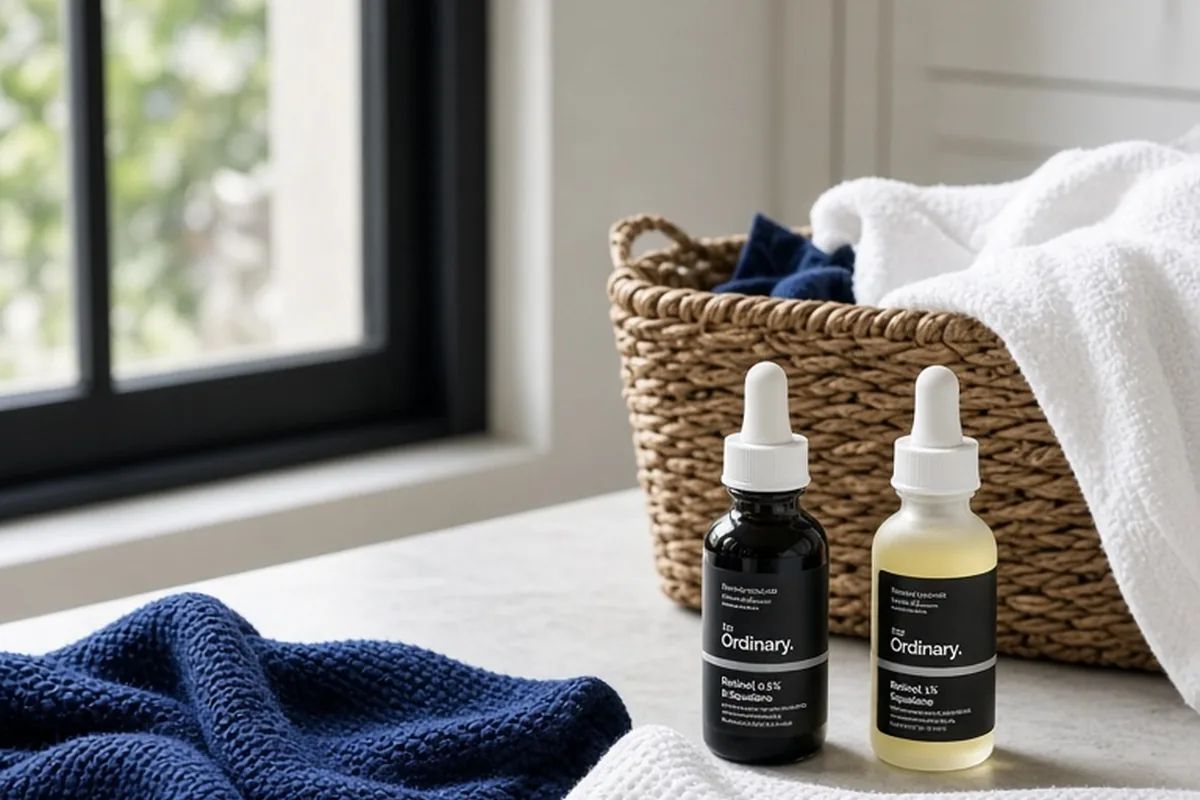
The Ordinary Retinol in Squalane is an accessible, entry-level line of pure vitamin A treatments available in 0.2 percent, 0.5 percent, and 1 percent concentrations. Suspended in plant-derived squalane oil to mitigate surface dehydration, it targets uneven skin texture, early signs of aging, and mild congestion. Because pure retinol degrades rapidly and squalane can feel heavy on oil-prone skin, it requires refrigeration after opening, gradual introduction, and dedicated daily sun protection.
Navigating over-the-counter vitamin A treatments often leads skincare shoppers to The Ordinary, a brand built on transparent, single-ingredient formulations at modest price points. Understanding how pure retinol functions within a squalane oil base helps you decide whether this line matches your skin type, daily schedule, and overall tolerance.
Evaluating The Ordinary Retinol in Squalane Formulations
The Ordinary formulates its pure retinol products within an anhydrous, plant-derived squalane base rather than a traditional water-based cream or gel. Pure retinol is chemically unstable and vulnerable to rapid oxidation when exposed to water, light, and ambient air. By suspending the active molecule in water-free squalane, the formulation protects the retinol from premature degradation while providing an emollient buffer for the skin.
Squalane is a hydrogenated, stable version of squalene, a lipid naturally produced by human sebaceous glands. When applied topically, squalane replenishes surface moisture, softens rough texture, and minimizes the immediate flaking often triggered by pure retinol. However, this oil suspension means the texture feels slick upon initial application, requiring a few minutes to absorb before subsequent skincare products can be applied.
A critical limitation of this formulation design is its susceptibility to environmental exposure once unsealed. The Ordinary uses an amber glass bottle with a standard dropper dispenser, which introduces air every time the bottle is opened. Because of this packaging format, the manufacturer specifies that the product must be refrigerated after opening and discarded after approximately three months to maintain active potency.
Choosing Between 0.2 Percent, 0.5 Percent, and 1 Percent Concentrations
The Ordinary offers three distinct concentrations of pure retinol in squalane, designed as a progressive step-up ladder for different tolerance levels. The 0.2 percent formulation serves as the entry point for first-time retinoid users or individuals with easily irritated skin. Starting at this mild level allows the skin barrier to acclimate to accelerated cellular turnover without triggering severe redness, tightness, or shedding.
The 0.5 percent concentration represents a moderate strength for individuals whose skin has comfortably tolerated lower-strength retinoids for several months. At this level, users typically notice more visible improvements in textural unevenness, surface brightness, and the softening of fine expression lines, though the potential for localized dryness remains higher.
The 1 percent formulation is a high-potency over-the-counter option intended strictly for experienced users who have built substantial retinoid tolerance. Jumping directly to 1 percent without prior acclimation frequently results in acute retinization, marked by peeling, burning sensations, and compromised barrier integrity. A methodical progression across several months is the safest pathway to higher concentrations.
How The Ordinary Retinol Compares to Granactive Retinoid and Other Formats
When evaluating The Ordinary's catalog, consumers frequently encounter both pure retinol and Granactive Retinoid formulas. Pure retinol requires a two-step conversion process within the skin: it converts first into retinaldehyde and subsequently into active retinoic acid. This biological conversion path is extensively studied, but the intermediate biochemical steps can trigger temporary irritation, peeling, and mild inflammation.
In contrast, Granactive Retinoid utilizes hydroxypinacolone retinoate, an advanced direct-binding retinoid ester that attaches directly to retinoic acid receptors without requiring metabolic conversion. While Granactive Retinoid generally causes less initial irritation and does not carry the same mandatory refrigeration requirement in emulsion form, pure retinol remains the traditional gold standard with a longer history of independent cosmetic research.
Beyond active ingredients, format differences play a major role in consumer satisfaction. The Ordinary's Granactive Retinoid comes in both squalane and lightweight water-based emulsion options, whereas the pure retinol line is exclusively suspended in squalane oil. Users who prefer a fast-absorbing, matte finish often gravitate toward the emulsion, while those seeking extra barrier nourishment often prefer the squalane base.
Application Routine, Layering Guidelines, and Purging Management
Pure retinol should be applied exclusively in the evening due to its photolabile nature and its tendency to increase sun sensitivity. The product should be applied after thorough cleansing and after lightweight, water-based serums have completely dried. Applying retinol to damp skin increases absorption speed, which can sharply elevate irritation risks.
To minimize discomfort during the initial weeks, many users utilize the sandwich method: applying a thin layer of basic moisturizer, letting it set, applying two to three drops of retinol, and sealing with an additional layer of moisturizer. Direct active layering should be avoided; strong exfoliating acids such as glycolic, lactic, or salicylic acid, as well as high-concentration direct vitamin C, should not be applied in the same evening session.
During the first four to eight weeks, accelerated skin turnover may bring microcomedones to the surface, a process commonly known as purging. Purging differs from contact irritation; it presents as small, transient breakouts in areas where congestion normally occurs. If widespread burning, hives, or swelling develop, discontinue use immediately and allow the skin barrier to recover with simple, fragrance-free hydration.
Skin Type Compatibility and Squalane Trade-Offs
The squalane carrier makes The Ordinary Retinol particularly suitable for dry, normal, and combination-dry skin types that struggle with the parching side effects of conventional alcohol- or silicone-based retinoid products. The lipid-rich base locks in moisture, leaving a dewy, supple finish that supports compromised lipid layers during the retinization phase.
Conversely, individuals with very oily skin, active inflammatory acne, or a history of fungal folliculitis may find the squalane base overly heavy. While squalane is chemically non-comedogenic, an excess of any facial oil can trap natural sebum and debris on congested skin types, potentially counteracting the clarifying benefits of the retinol active.
When addressing severe, cystic, or persistent acne, over-the-counter retinol in oil may not provide sufficient clearing and could cause unnecessary frustration. Consulting a board-certified dermatologist helps clarify whether targeted prescription topicals, water-gel formulations, or medical acne protocols are more appropriate for your specific clinical needs.
Further reading: American Academy of Dermatology: Acne
Practical Buying Considerations, Storage Habits, and Total Value
The Ordinary Retinol in Squalane provides significant cost-efficiency compared to luxury cosmetic retinoids, delivering standard concentrations without added fragrances, unnecessary fillers, or costly marketing markup. However, real-world value depends heavily on personal usage compliance and proper product storage.
Because the formula must be kept refrigerated after opening to preserve molecular stability, it is less practical for frequent travelers or individuals who prefer keeping their full skincare routine on a bathroom vanity. If a bottle is left at room temperature in direct sunlight, the retinol active can degrade into inactive byproducts, diminishing long-term results.
Retail pricing, formulation availability, and regional shipping policies can vary across distributors and locations over time. Before purchasing, verify batch dates and check return policies through authorized retailers to ensure you receive fresh inventory with intact stability.
Frequently asked questions
How long does a bottle of The Ordinary Retinol last once opened?
Once opened, The Ordinary recommends using the product within approximately three months while storing the bottle in the refrigerator. Continued exposure to oxygen from the dropper dispenser gradually degrades the active retinol over time.
Can I use The Ordinary Retinol on the same night as chemical exfoliants?
It is best to avoid using direct exfoliating acids such as glycolic, lactic, or salicylic acid on the same evening as retinol. Combining strong chemical exfoliants with pure vitamin A increases the risk of barrier disruption, redness, and peeling.
Why does The Ordinary Retinol need to be refrigerated?
Pure retinol is chemically sensitive to ambient heat, light, and air. Refrigeration significantly slows down the oxidative degradation of the retinol molecule suspended in the squalane oil, helping maintain the formula's active strength.
What should I do if my skin begins to peel or feel tight?
Reduce your application frequency to once per week, apply a bland moisturizer prior to the retinol to buffer absorption, and avoid all other active ingredients. If discomfort or redness persists, pause use completely until the skin barrier recovers.
Your next step
Perform a patch test behind your ear with the 0.2 percent concentration, store the bottle in your refrigerator after opening, and establish a consistent broad-spectrum daily sunscreen habit before incorporating it into your evening routine.