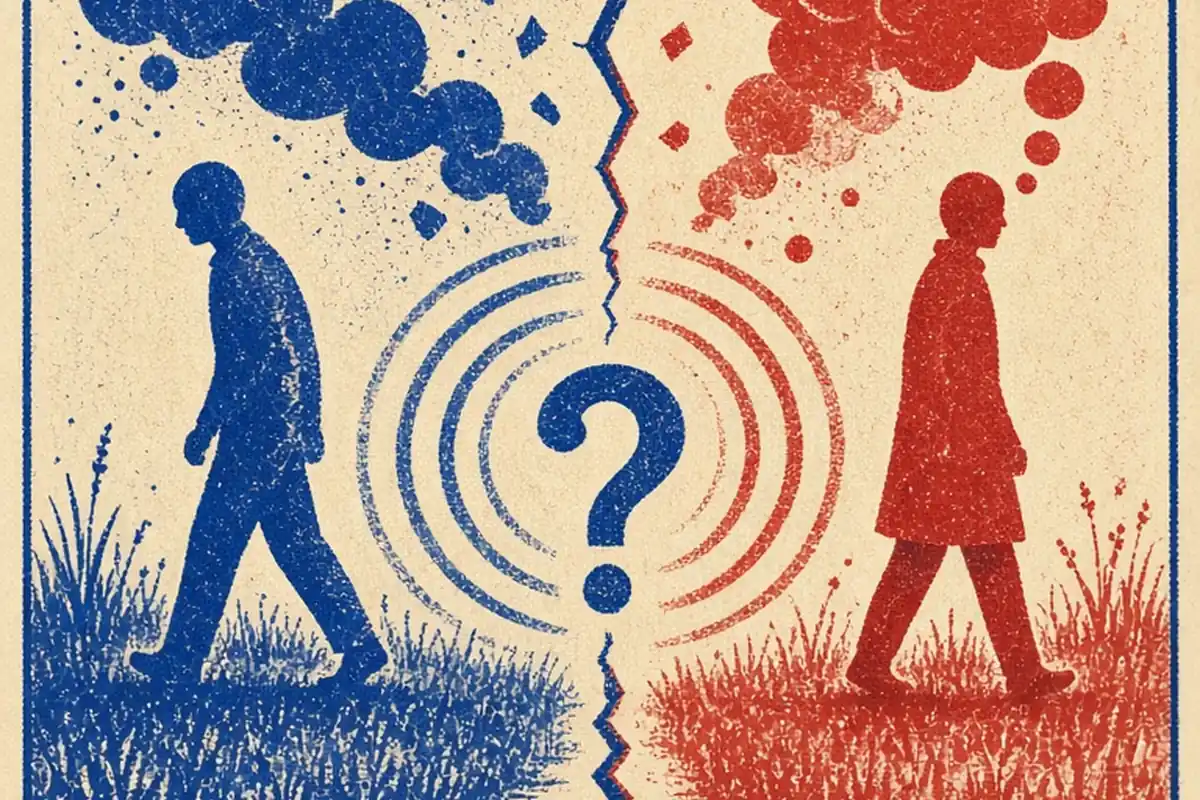
Most relationships are not ruined by one huge mistake; they erode through repeated disrespect, secrecy, contempt, broken promises, avoidance, jealousy-based control, and refusing to repair after conflict. The fix is not perfection. It is noticing the pattern early, naming it without attacking, changing the behavior, and getting help when safety, addiction, or betrayal is involved.
If you are asking this, you may be trying to save something good or decide whether a pattern is a dealbreaker. Either way, the useful question is not “Who is worse?” It is “What keeps happening, what does it cost, and can both people change it?”
The slow leaks: disrespect, contempt, and scorekeeping
The most damaging problems are often boring from the outside: eye-rolling, sarcasm that lands like a slap, interrupting, mocking a partner in front of friends, or keeping a silent ledger of who did more. These moments matter because they teach your nervous system that the relationship is not a safe place to be honest. A single sharp comment can be repaired; a steady climate of disrespect makes even small requests feel dangerous.
A better move is to name the pattern while it is still small. Try, “When you joke about me being useless, I shut down and stop wanting to tell you things. Can we keep the teasing away from my work and my family?” The trade-off is that you have to risk being seen as sensitive instead of staying cool. But self-respect usually costs less than pretending contempt is harmless.
Mixed signals and secrecy that make trust expensive
Trust rarely collapses only because of one lie. It gets expensive when a partner has to guess: plans change without explanation, stories do not match, phones become guarded in a way that is new, or affection appears only after distance. The issue is not privacy; adults deserve privacy. The issue is a pattern where one person keeps paying for clarity while the other keeps buying time.
If you are on the receiving end, ask for specific behavior instead of global proof. “I need us to say when plans change, introduce me to people you spend time with, and not hide chats you would be embarrassed for me to read” is clearer than “Prove you are loyal.” If you are the one creating fog, decide whether you want the relationship or the option of keeping one foot out. Ambiguity can feel powerful, but it quietly taxes attraction and peace.
Conflict habits that turn repair into winning
Arguments do not ruin relationships by themselves; the style of argument can. Common damage comes from character attacks, bringing up old crimes, threatening to leave during every disagreement, stonewalling for days, or demanding immediate resolution before anyone can think. These habits turn a problem between two people into a status contest where somebody has to lose.
A practical repair script has three parts: state the impact, own your piece, and request the next change. “I got loud and I am sorry. When the bill came up, I felt blindsided. Next time can we talk before either of us assumes the other does not care?” This will not make conflict fun, and it should not be used to excuse cruelty. It simply keeps the door open long enough for two adults to find out whether the problem is solvable.
Control dressed up as love: jealousy, monitoring, isolation
Jealousy is a feeling; control is a behavior. Checking a partner’s location without agreement, demanding passwords, dictating clothing, punishing friendships, or framing surveillance as “I just care too much” can shrink a relationship fast. Even when the controlled partner complies, the cost is resentment and fear, not closeness. Attraction needs room to breathe; suspicion leaves very little air.
If jealousy is yours, treat it as information, not permission. Say, “I felt insecure when you were texting during dinner, and I do not want to become controlling. Can we talk about what reassurance looks like without me policing you?” If you are being monitored, take the pattern seriously, especially if it comes with threats, isolation, or fear. No one should have to prove innocence to keep basic freedom.
Neglect, convenience, and the roommate slide
Some couples do not fight much; they drift. Work expands, phones fill the quiet, affection becomes logistical, and sex or tenderness starts to feel like another task to schedule. The danger is that nothing looks dramatic enough to address, so both people tell themselves it is just a busy season. Then months pass and the relationship feels like a lease with shared snacks.
The antidote is not a grand gesture; it is repeated attention with a specific shape. Protect twenty minutes after dinner with no screens, plan one date that is not only errands, and say the appreciative thing out loud before it feels overdue. The limit is real: if one person keeps initiating and the other keeps treating effort as optional, the problem is not busyness. It is priority, and it needs a direct conversation.
High-pressure ruptures: betrayal, money, addiction, and safety
Some issues are heavier than bad habits: cheating, hidden debt, substance misuse, gambling, chronic lying, or behavior that makes a partner feel unsafe. These can damage trust because they change the reality both people thought they were living in. A useful response separates remorse from repair. Apologies matter, but repair usually requires transparency, boundaries, time, and sometimes professional support.
Do not rush yourself to forgive because the relationship looks good on paper, and do not stay only because leaving would be embarrassing. If there is coercion, violence, threats, stalking, or fear, prioritize safety and reach out to local emergency services or a trusted support network before couples work. For non-dangerous ruptures, ask whether the person who caused harm is doing steady, observable repair or merely asking you to absorb the impact quietly.
What to do when you recognize your own pattern
The hardest part of this topic is realizing you may be the one bringing the damage: the sarcasm, the disappearing act, the jealousy, the shutdown, the promise you keep meaning to keep. That recognition can sting, especially if you pride yourself on being loyal or easygoing. Treat it as useful data. A pattern you can name is a pattern you can interrupt.
Pick one behavior and make the alternative concrete. If you withdraw, say, “I am overwhelmed and need an hour; I will come back at eight.” If you criticize, replace the verdict with a request: “I felt alone with the dishes; can we reset the kitchen together?” Change is more believable when it is specific, repeated, and visible without your partner having to beg for it.
Illustrative Scenarios
Composite example: the late reply spiral
A composite example: after a good first month, a man notices his girlfriend replies warmly at night but leaves midday messages unread for hours. His first interpretation is that she is losing interest, so he sends a joking “guess I am boring today” text and then feels worse when she answers with a short “lol busy.” Instead of escalating, he waits until they are together and says he likes consistent contact but does not want to monitor her. She explains her job blocks phones and agrees to send a quick heads-up on packed days. The lesson is that a clear request beats testing someone with a trap.
Key point: Ask for the behavior you want before your anxiety writes a story and turns it into an accusation.
Composite example: the birthday dinner comment
A composite example: at a birthday dinner, a woman teases her boyfriend about being “cheap” after he suggests splitting appetizers. He laughs in the moment, then goes quiet on the ride home. Her first dilemma is whether to defend the joke as harmless or admit it touched a sore spot about money. She chooses repair: “I was trying to be funny, but I put you down in front of everyone. I am sorry.” They agree teasing stays away from money and family. The lesson is that intent does not erase impact, and a clean apology can stop a small cut from becoming a pattern.
Key point: Repair works best when you name the exact moment, avoid defending the joke, and change the boundary going forward.
Frequently asked questions
Can a relationship survive after trust is broken?
Sometimes, but survival depends on the kind of break, whether the harm has stopped, and whether repair is consistent over time. Look for changed behavior, honest answers, and respect for boundaries rather than promises alone.
Is jealousy always a sign the relationship is failing?
No. Jealousy can be a normal signal that something feels uncertain, but it becomes damaging when it turns into control, accusations, or surveillance. The healthier move is to ask for reassurance and clarity without taking away a partner’s freedom.
What is the difference between a rough patch and a dealbreaker?
A rough patch usually has stress, mistakes, and two people still willing to repair. A dealbreaker is more likely when there is repeated disrespect, dishonesty, fear, or one person doing all the changing while the other denies the pattern.
Should I bring up problems right away or wait until I am calm?
Bring it up soon enough that resentment does not build, but calm enough that you can describe the behavior instead of attacking the person. A short pause is useful; disappearing for days usually is not.
Your next step
This week, choose one repeated moment that keeps costing trust, write down what you will say instead, and bring it up once in a calm, specific way.