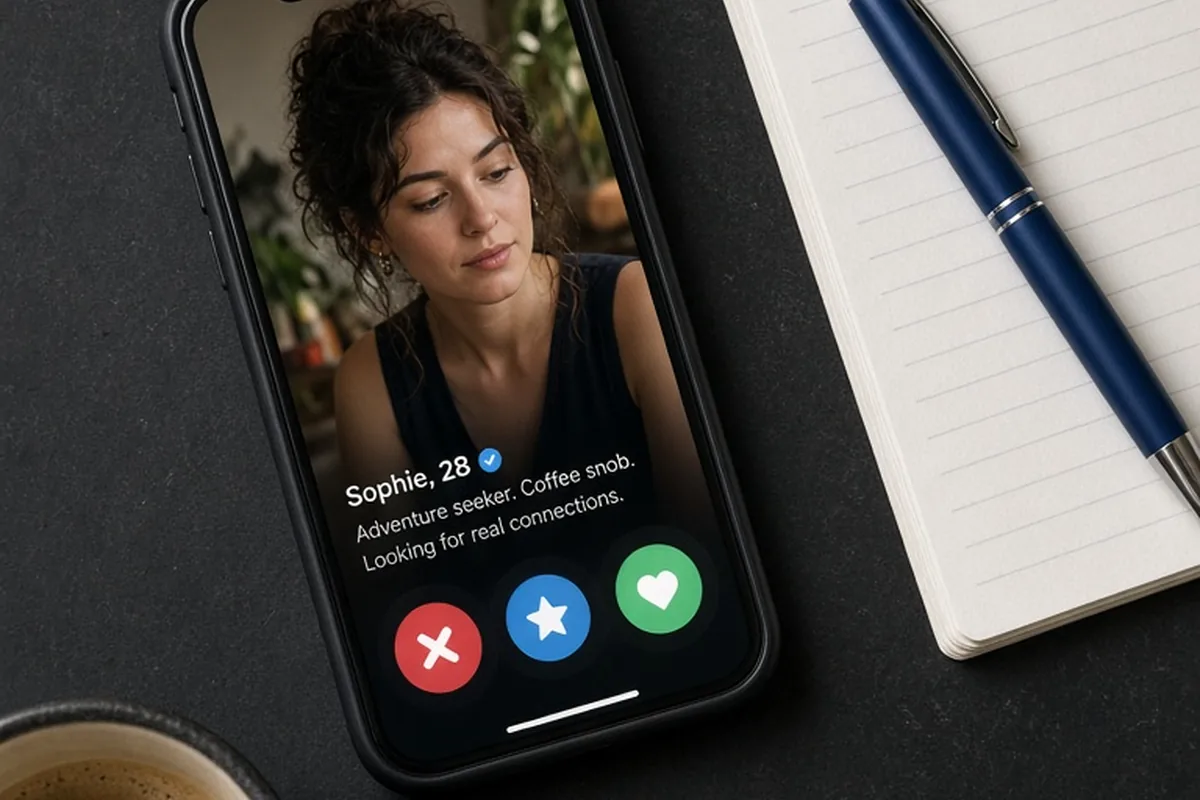
Tinder remains the most widely populated dating platform for casual encounters, spontaneous dating, and open-ended social discovery, but its utility depends heavily on location and personal expectations. While the free tier provides basic swiping and messaging, paid upgrades like Gold and Platinum primarily save time rather than guarantee dates. If you live in a dense metropolitan area and maintain an authentic, well-curated profile, Tinder offers unmatched volume, though intentional daters often experience swiping fatigue and mixed intent.
Choosing an online dating platform involves balancing your social goals against the investment of time, emotional energy, and potential subscription fees. Understanding how Tinder functions today helps you determine whether its fast-paced format fits your relationship goals or if a different platform would better serve your needs.
Who Tinder Serves Best in Modern Dating
Tinder built its reputation on simplicity and speed, popularizing the double opt-in swiping mechanic that defined modern dating applications. Today, the platform caters to a remarkably broad demographic, ranging from college students seeking casual companionship to working professionals looking for dinner dates or long-term partnerships. However, the sheer size of the user base means intentions vary drastically across the deck. Unlike niche apps that filter for specific religious affiliations, career paths, or strictly long-term marriage goals, Tinder functions as an open social hub where users define their own boundaries.
Geographic density plays a decisive role in user experience. In major metropolitan areas, the volume of profiles allows for active swiping and rapid matching across diverse neighborhood radiuses. In smaller towns or rural areas, users often exhaust their local deck quickly, encountering long periods between active connections or matching with individuals far outside their preferred travel distance. If you value flexibility, travel frequently, or prefer a less structured initial conversation, Tinder remains a practical starting point, provided you approach it with clear boundaries regarding what you want.
Navigating Tinder Swiping Mechanics and Visibility Dynamics
The core functionality of Tinder relies on profile cards displaying photographs, a brief biography, and essential badges such as lifestyle habits, relationship goals, and verified status. Swiping right signals interest, swiping left passes, and a match occurs only when two users mutually swipe right. Once matched, either party can initiate a text conversation, exchange audio clips, or schedule an in-app video chat. The interface remains intentionally streamlined, encouraging rapid decisions based primarily on visual presentation and quick conversational hooks.
Behind the scenes, Tinder distributes profile cards based on behavioral engagement rather than simple chronological order. While the company historically used a proprietary internal scoring system, current matching models prioritize active accounts, mutual swiping patterns, and geographic proximity. Accounts that log in regularly, maintain balanced swiping habits, and actively respond to incoming messages generally receive broader distribution in local decks. Conversely, accounts that engage in rapid, indiscriminate right-swiping often see reduced profile distribution, as automated systems treat repetitive mass-swiping as bot-like behavior.
Evaluating Paid Upgrades: Tinder Plus, Gold, and Platinum
Tinder offers three primary subscription tiers alongside its functional free version: Plus, Gold, and Platinum. Tinder Plus provides basic convenience tools, including unlimited right swipes, the Rewind feature to undo an accidental left swipe, and Passport, which lets you change your virtual location before traveling. Tinder Gold incorporates all Plus perks while introducing the Likes You grid, enabling subscribers to view everyone who has already expressed interest before deciding whether to match. Tinder Platinum represents the highest standard tier, adding priority likes that place your card ahead of non-subscribers and the ability to attach short introductory notes to select matches.
Subscription pricing is not uniform across all users. Costs fluctuate substantially based on billing cycle duration, occasional promotional campaigns, platform app store fees, and regional storefront pricing. Upgrading does not inherently improve your attractiveness or conversation quality; it merely accelerates profile exposure and provides administrative shortcuts. For someone with a poorly composed profile, paying for Platinum will simply display an ineffective card to more people faster. For someone with strong photos who lacks time to swipe manually, the Likes You feature in Gold can save substantial hours each week. Before purchasing, check the checkout screen within your specific mobile app store to verify current renewal rates and cancellation terms.
Real Platform Drawbacks: Match Quality, Fatigue, and Ghosting
Despite its immense popularity, Tinder presents several structural challenges that can lead to frustration. The most widespread issue is swiping fatigue, created by an endless feed that conditions users to treat potential partners as disposable choices. Because entering a match requires minimal effort, many individuals collect connections without ever initiating a conversation. Ghosting, abrupt conversation drop-offs, and unresponsiveness are common occurrences that require emotional resilience and realistic expectations.
Another persistent friction point involves mismatched relationship goals. While Tinder has introduced profile tags indicating whether someone seeks long-term dating, casual flings, or new friends, many profiles leave these fields blank or change their minds during text interactions. Daters exclusively focused on marriage or deeply intentional relationships often report spending disproportionate amounts of time filtering out incompatible matches. Managing these drawbacks requires viewing the app strictly as an initial introduction tool rather than an emotional validation channel, paired with firm limits on daily screen time.
Optimizing a Tinder Profile for Genuine Matches
Presenting an effective profile requires strategic selection of visual assets and conversational prompts. Your primary photograph should be a clear, solo portrait taken in natural lighting with eye contact and a genuine smile, avoiding heavy digital filters, sunglasses, or distracting headwear. Secondary images should illustrate your lifestyle, hobbies, and social context without turning into confusing group photos where prospective matches must guess your identity. Showing yourself engaged in real activities provides effortless conversation starters for prospective matches.
The written biography should remain concise, positive, and informative. Rather than listing negative filters or generic traits like loving food and travel, share two or three distinct interests, your general neighborhood, and a lighthearted question or prompt that makes replying easy. Using the platform profile verification feature, which compares real-time video selfies to uploaded photos to award a blue verification checkmark, significantly improves credibility and reduces the likelihood that other users will mistake your account for an automated spam profile.
Protecting Personal Boundaries and Spotting Romance Scams
Safety requires deliberate attention when interacting with unfamiliar accounts on any social platform. While Tinder deploys automated moderation tools and photo verification badges, fraudulent profiles still attempt to exploit users for financial or personal gain. A primary concern in digital dating involves deceptive individuals who fabricate sudden emotional bonds to manipulate targets into sending money, buying gift cards, or transferring cryptocurrency.
Federal consumer protection guidance highlights that romance scammers frequently create plausible excuses for why they cannot meet in person, such as working overseas or facing an unexpected family crisis, before requesting financial assistance. Never send funds, share banking details, or invest in financial opportunities pitched by someone you have met online, regardless of how convincing their story sounds. When transitioning from text chatting to meeting in person, always arrange the initial dates in public spaces, organize your own independent transportation, and let a trusted friend or family member know your exact location.
Further reading: FTC: What to know about romance scams
Tinder Versus Bumble and Hinge: Selecting the Right Platform
Deciding whether to use Tinder depends largely on how it compares to its two primary competitors: Bumble and Hinge. Bumble implements a distinctive structural rule where women must send the opening message in heterosexual matches within twenty-four hours, which can reduce unwanted opening spam and prompt quicker conversational starts. Hinge differentiates itself through detailed biographical prompts and specific comment-based likes, creating a format specifically geared toward long-term relationships and intentional partnership rather than volume swiping.
Tinder holds the definitive advantage in raw user volume, spontaneous social exploration, and worldwide brand recognition, making it particularly valuable when moving to a new city or traveling internationally. However, if your primary goal is finding a serious partner with detailed relationship intentions visible before matching, Hinge often provides a higher ratio of meaningful conversations per match. Many active daters find success by running Tinder alongside one intentional dating app for a limited trial period, observing which platform produces higher-quality conversations in their specific regional market before committing significant time.
Frequently asked questions
Can I use Tinder successfully without paying for a subscription?
Yes, the free version of Tinder includes all essential tools needed to match, message, and meet local dates. Paid subscriptions provide administrative conveniences such as undoing accidental passes and viewing incoming likes, but an attractive, authentic profile remains the primary factor in generating meaningful connections.
Does Tinder still show inactive profiles in the card deck?
Tinder prioritizes active accounts in local feeds, meaning users who log in and interact regularly receive substantially more impressions. However, in regions with smaller populations, accounts that have not logged in recently may occasionally appear to prevent the deck from running out of local cards completely.
How can I tell if a profile on Tinder is authentic?
Look for the blue photo verification checkmark, which indicates the user completed facial recognition selfie checks matching their gallery photos. In addition, watch for profiles with multiple varied photos, linked social accounts, and realistic local conversation rather than immediate requests to move to external messaging apps.
What is the best way to pause my account without deleting my matches?
You can hide your card from the public swiping deck by toggling off the discovery setting within account options. This prevents new users from seeing your profile while allowing you to continue messaging your existing matches without losing your conversational history.
Your next step
Download the free version of the app to inspect the active user volume in your immediate zip code for seven days before deciding whether to invest time or paid upgrades.