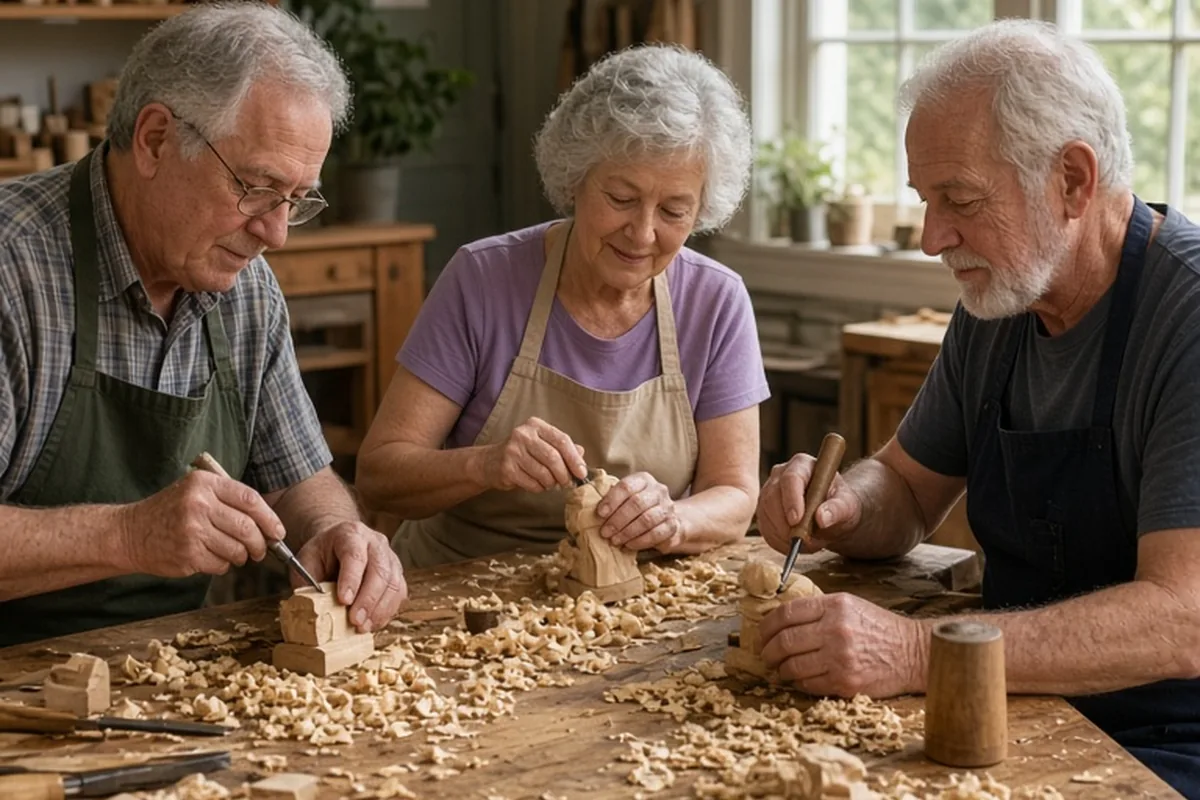
The top places for seniors to socialize and make genuine friends include local senior activity centers, public libraries offering discussion circles, lifelong learning institutes at community colleges, volunteer organizations, low-impact fitness classes like water aerobics or walking clubs, and structured interest groups such as gardening or book clubs. These environments provide recurring, low-pressure interactions centered around shared interests, making natural conversation easy to start without any forced social expectations or uncomfortable dating pressure.
Building a supportive social circle later in life brings meaningful health benefits, mental stimulation, and everyday companionship, yet figuring out where to meet welcoming peers can feel intimidating after major life transitions like retirement or relocating to a new town.
Senior Activity Centers and Municipal Parks and Recreation Hubs
Local senior centers and municipal community recreation hubs serve as foundational gathering spaces designed specifically for older adults seeking connection. Unlike unstructured public areas where people come and go quickly, senior centers organize daily calendars filled with bridge clubs, chess tournaments, arts and crafts, guest lectures, and shared hot lunch programs. These predictable schedules allow you to show up at the same time each week, creating the natural repetition that psychologists note is essential for turning casual acquaintances into trusted friends.
When visiting a senior center for the first time, look beyond the main lobby board and ask the front desk coordinator about smaller interest groups or upcoming workshops. If a crowded dining hall feels overwhelming, opt for a targeted activity like a morning billiards game, a watercolor session, or a technological literacy workshop where you work in pairs. Engaging in a shared physical or creative activity takes the pressure off maintaining constant eye contact or inventing conversational topics from scratch, allowing conversation to flow organically around the project in front of you.
Public Libraries and Lifelong Learning Institutes for Inquisitive Minds
Public libraries have evolved into dynamic community hubs that offer far more than quiet reading rooms. Most suburban and urban library systems host monthly book clubs, genealogy workshops, local history lectures, and digital media classes specifically tailored for retirees. Because attendees share an innate curiosity and a desire to learn, breaking the ice is as simple as asking someone what they thought of the speaker's presentation or which book in the current reading list they enjoyed most.
For those seeking more structured intellectual engagement, Lifelong Learning Institutes (often affiliated with local community colleges and universities) provide non-credit courses without exams or grades. Joining a semester-long seminar on foreign affairs, creative writing, or art history introduces you to a consistent cohort of peers over eight to twelve weeks. This sustained weekly environment gives you ample opportunities to suggest grabbing a cup of coffee before class or continuing a lively classroom debate on the campus terrace.
Volunteer Organizations and Community Nonprofits
Volunteering is one of the most effective paths toward deep, purpose-driven friendships because it instantly aligns you with people who share your core values. Food pantries, local animal shelters, botanical gardens, historic house museums, and hospital auxiliary committees rely heavily on mature volunteers who bring reliability and rich life experience. When you pack supply boxes side by side or usher visitors through an exhibition gallery, shared teamwork naturally replaces social awkwardness with camaraderie.
To maximize your chances of forming ongoing friendships, select volunteer roles that involve collaborative team tasks rather than solitary assignments like data entry or independent shelf-stocking. Inquire with the volunteer coordinator about shifts where seasoned volunteers work in pairs or small teams. Showing up consistently for a regular weekly shift allows other volunteers to get to know your humor, work ethic, and background, establishing a solid foundation for social check-ins outside of service hours.
Low-Impact Fitness Programs, Walking Clubs, and Aquatic Centers
Staying active through group fitness classes offers a dual benefit of supporting physical mobility while placing you in a lighthearted, social setting. Popular options such as SilverSneakers classes, gentle chair yoga, aquatic aerobics, indoor walking clubs at regional malls, and beginner pickleball leagues encourage friendly interaction before and after workouts. The shared physical exertion and lighthearted atmosphere make it natural to share a laugh over coordinating a new dance step or keeping score in a doubles match.
If joining a commercial gym feels daunting, explore classes hosted at municipal recreation complexes or community YMCA centers, which often cater to older demographics with dedicated morning social hours. Arrive ten to fifteen minutes prior to class to claim your spot and say a casual hello to your neighbors on the pool deck or fitness studio floor. A straightforward comment such as 'How long have you been taking this class with this instructor?' invites an informative, friendly reply without demanding an intense personal commitment.
Special-Interest Hobby Clubs, Community Gardens, and Craft Guilds
Niche hobby groups allow you to connect with others through shared craftsmanship and mutual passions. Community garden plots, woodworking co-ops, knitting guilds, model train associations, and birdwatching audubon chapters gather people around tangible, hands-on activities. In these settings, conversation focuses naturally on practical tips, soil preparations, yarn selections, or camera lenses, which eliminates any awkward searching for things to say.
Participating in a community garden or a weekly open-studio craft group provides a built-in reason to exchange contact details or share resources. Offering an extra seedling, trading a duplicate tool, or asking an experienced peer for advice on finishing a specific edge creates a warm, reciprocal dynamic. These small, practical exchanges frequently pave the way toward inviting someone over to see your home garden or sharing a snack during a group birding excursion.
Faith Communities, Spiritual Gatherings, and Intergenerational Circles
Houses of worship, spiritual centers, and ethical societies frequently offer specialized fellowship circles for retirees, including Sunday breakfast teams, bereavement or caregiver support groups, and seasonal choir ensembles. These communities provide strong social safety nets, organized outings, and intergenerational events that keep older adults connected across various age demographics. If you are spiritually inclined, these venues offer immediate common ground and an established framework of mutual support during challenging life chapters.
Even if traditional religious participation is not a fit, many secular community groups, neighborhood association boards, and intergenerational mentorship initiatives (such as reading to elementary school students) foster similar warmth and connection. Intergenerational settings are particularly rewarding because they allow you to share wisdom while absorbing the energetic perspective of younger generations, broadening your social sphere beyond your immediate age peer group.
Online Neighborhood Forums and Hybrid Local Social Meetups
The digital landscape provides accessible tools to find in-person social events happening right in your neighborhood. Platforms such as Meetup.com, local Facebook interest groups, and neighborhood apps like Nextdoor often feature active groups organized specifically for 'Seniors 50+', 'Retiree Lunch Outings', or 'Walking Companions'. These online boards act as convenient digital bulletin boards where members post dates for local museum tours, weekend brunches, and evening trivia games.
When utilizing digital platforms to find local companions, start with public gatherings in well-lit, open venues such as cafes, libraries, or municipal parks. Attend two or three consecutive meetups to observe the dynamics and identify one or two members whose company you genuinely enjoy. Following up with a simple, direct note like 'It was great chatting about regional trails yesterday; let me know if you'd like to try that park loop together next Tuesday' keeps boundaries clear and plans straightforward.
How to Transition Casual Acquaintances into Lasting Friendships
Recognizing great social venues is only the first half of the equation; nurturing an ongoing friendship requires small, deliberate actions that respect personal boundaries. When you meet someone with whom you share an easy rapport, avoid waiting indefinitely for them to make a move. Propose a low-stakes, time-bounded outing that naturally extends your shared activity, such as stopping for tea across the street right after choir practice or visiting a local plant nursery after a garden club meeting.
Keep the initial invitation pressure-free by framing it as an open possibility: 'I am planning to grab a quick coffee around the corner after class—would you like to join me?' If the person declines due to prior commitments or politely declines without offering an alternate day, accept their response warmly without taking it personally. Consistent friendliness across several sessions gives people the comfort and space they need to open up at their own natural pace.
Illustrative Scenarios
Finding Camaraderie After Relocation
Arthur, age 68, moved across state lines to be closer to his daughter and felt isolated in his quiet subdivision. Initially, he attended a bustling morning coffee hour at the regional senior center but found the large, noisy crowd intimidating, leading him to believe he was out of practice socially. Instead of giving up, Arthur switched to the center's Wednesday woodcarving workshop, which had only six members. Working quietly beside fellow woodworkers gave him organic conversation starters about sharpening techniques. Within four weeks, he established a weekly routine of sharing lunch with two fellow carvers after each workshop.
Key point: Shifting from broad, high-stimulus gatherings to small, task-oriented interest groups reduces social pressure and lets authentic connections form around shared crafts.
Overcoming Hesitation at a Public Book Club
Evelyn, age 72, wanted to rebuild her social circle after losing touch with former coworkers. She joined a monthly historical fiction discussion group at her local library but hesitated to speak during her first session, worried her contributions might sound outdated. During the break, she noticed another attendee reviewing the same book notes and offered a modest compliment on her annotated bookmark. That single observation sparked a twenty-minute conversation about favorite authors. Evelyn offered her email address before leaving, and the two began meeting for tea thirty minutes prior to each monthly session.
Key point: A simple, observational compliment in a shared interest environment can initiate a warm conversation without requiring elaborate social maneuvers.
Frequently asked questions
What if I feel too shy or anxious to attend a senior activity alone?
Start by calling the organization or library ahead of time to ask what to expect during a typical session. Arriving five to ten minutes early allows you to greet the host or facilitator, who can introduce you to a welcoming regular before the room fills up.
Are senior center programs expensive to join?
Most municipal senior centers and public library programs are completely free or require only a nominal annual membership fee for resident badge processing. Specialized classes or materials fees for art and culinary workshops are typically listed clearly in advance on local park and recreation schedules.
How can I tell if an acquaintance is open to becoming closer friends?
Look for mutual engagement, such as asking you follow-up questions, smiling warmly when you arrive, and staying a few extra minutes to finish a conversation. Proposing a brief, specific activity—like sharing a cup of coffee after a meeting—allows them to accept or decline comfortably.
What should I do if a group feels clicky or unwelcoming?
Give any new group two or three visits to determine if the initial stiffness was just an off day, but do not force connection if the culture remains cold. Pivot your energy toward a different organization or activity where new members are actively welcomed and integrated into discussions.
Your next step
Pick one local activity or volunteer shift that matches your genuine curiosity this week, contact the coordinator to confirm their meeting schedule, and commit to attending just one session.