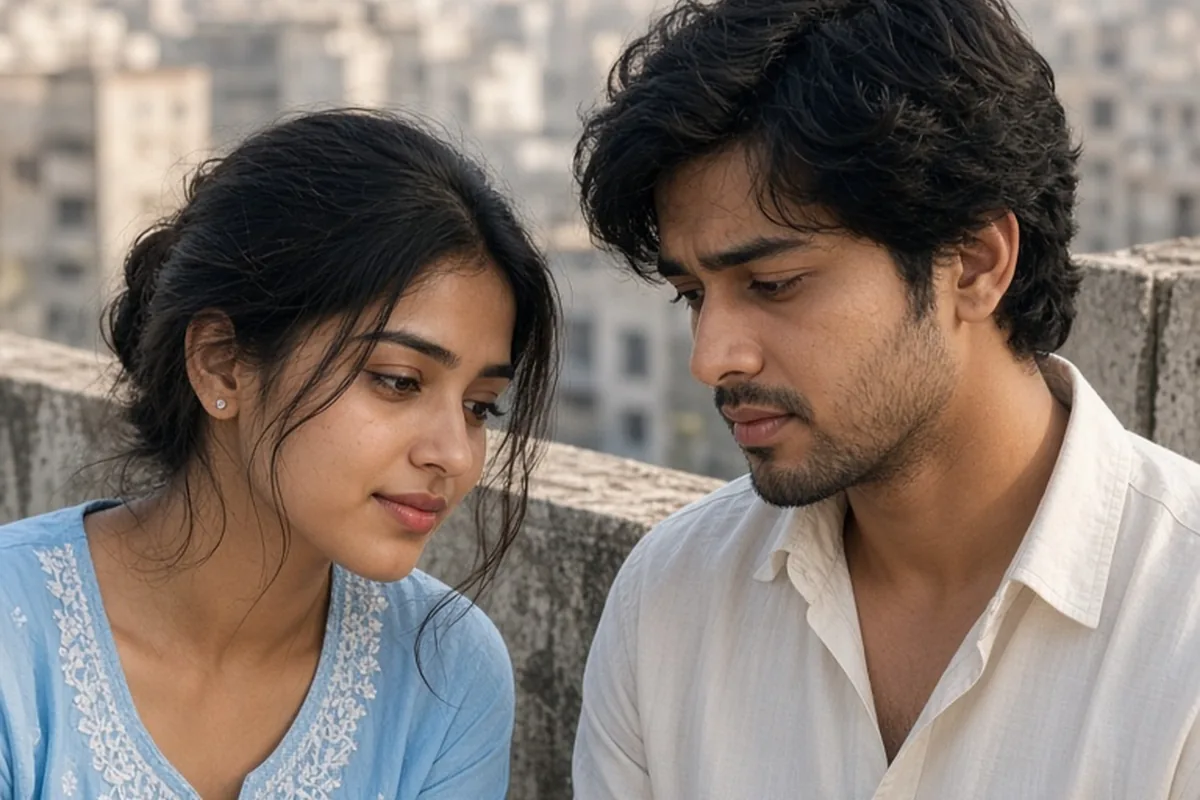
Types of marriages in India generally fall into two distinct classifications: social arrangements and legal frameworks. Socially, unions range from traditional arranged marriages and self-chosen love matches to hybrid semi-arranged partnerships. Legally, unions are solemnized either through personal religious laws—such as the Hindu, Muslim, Christian, and Parsi marriage statutes—or via secular civil ceremonies under the Special Marriage Act.
Understanding the landscape of Indian matrimony requires distinguishing between cultural practices and formal legal structures. While community customs guide the celebratory rituals, statutory laws govern the legal validity, registration, and marital rights of each union.
Traditional Arranged Marriages and Community Networks
In a traditional arranged marriage, the process of partner selection is initiated and curated primarily by parents, extended family, or trusted community matchmakers. Families evaluate prospective partners based on criteria such as educational background, professional stability, cultural affinity, socio-economic parity, and community values. Once the families establish compatibility, the prospective bride and groom meet to converse and mutually decide whether to proceed toward formal engagement and wedding rituals.
The primary strength of this structure is the deep social and logistical support provided by both extended families, which often helps manage the significant financial and social responsibilities of establishing a new home. For instance, families often assist with initial housing arrangements and provide childcare support when needed. However, the trade-off can involve limited pre-marital courtship, which requires both partners to invest substantial intentional effort into discovering each other's personalities, emotional boundaries, and conflict resolution styles after the wedding.
Love Marriages and Independent Partner Choice
Love marriages occur when two individuals meet independently—through university, workplaces, social circles, or modern dating platforms—and decide to marry based on organic romantic and emotional compatibility. In this model, the couple defines the timeline, relationship expectations, and shared life goals before introducing the decision to their respective families. Over recent decades, love marriages have grown substantially across urban and semi-urban centers.
Choosing a love marriage offers the distinct advantage of proven interpersonal chemistry, established communication channels, and clear mutual understanding prior to the wedding. For example, a couple who has navigated dating for several years already understands each other's financial habits and personal ambitions. The potential friction in an Indian context often arises during family integration, particularly if the partners come from differing linguistic, regional, or socio-economic backgrounds where parental approval requires patient diplomacy.
Semi-Arranged or Love-Cum-Arranged Partnerships
The semi-arranged or love-cum-arranged marriage has emerged as a widely popular hybrid model in modern India. In this scenario, individuals utilize matrimonial apps, matrimonial websites, or family introductions to meet prospective partners, but they maintain complete autonomy over the dating and decision-making phase. Couples commonly date for six months to two years to evaluate compatibility before formally requesting family involvement for the engagement.
This approach effectively balances personal agency with familial harmony. Partners can openly discuss career plans, financial responsibilities, and lifestyle choices while still honoring their families' desire to participate in the milestone. A practical limitation involves managing competing expectations: the couple may desire a relaxed, extended courtship, whereas extended families may feel anxious to finalize wedding dates quickly once initial approvals are granted.
Civil Court Marriages Under the Special Marriage Act
A court marriage in India is a secular, legal union solemnized under the provisions of the Special Marriage Act of 1954. This framework allows any two Indian citizens—or an Indian citizen and a foreign national—to marry regardless of their religious beliefs, caste backgrounds, or lack of religious affiliation, without requiring either party to convert. The process takes place before a designated Marriage Officer in a district registry office.
The formal procedure requires submitting a 30-day notice of intended marriage in the district where at least one party has resided for at least thirty days. If no legitimate legal objections are raised during the notice period, the couple signs the marriage register in the presence of three witnesses, receiving a legally binding marriage certificate. While this provides strong statutory protection and privacy, couples should plan around administrative timelines and ensure complete document verification, including proof of age, residence, and witness identification.
Religious Solemnization Under Personal Laws
India maintains distinct personal laws that govern the solemnization and registration of religious marriages within specific faith communities. For Hindus, Buddhists, Jains, and Sikhs, marriages are conducted under the Hindu Marriage Act of 1955, requiring established customary ceremonies such as the invocation of the sacred fire and the Saptapadi (seven steps). Muslim marriages represent a civil contract (Nikah) governed by Muslim Personal Law, requiring a mutual proposal and acceptance (Ijab and Qubool), the presence of witnesses, and the specification of Meher (dower) payable to the bride.
Similarly, Christian marriages are solemnized in accordance with the Indian Christian Marriage Act of 1872 by licensed ministers or registrars, while Parsi unions follow the Parsi Marriage and Divorce Act of 1936 through the traditional Ashirvad ceremony. Solemnizing a marriage under personal laws anchors the union within community traditions and ensures legal recognition. However, regardless of the religious personal law utilized, state governments universally require post-wedding registration to obtain an official government marriage certificate for passports, visas, and legal affairs.
Arya Samaj and Simplified Vedic Ceremonies
Arya Samaj marriages are solemnized according to simplified Vedic rites under the Arya Marriage Validation Act of 1937. These ceremonies focus on core Vedic principles, including the sacred fire ritual (Havan), exchange of garlands, and mutual vows, intentionally stripping away elaborate social customs, dowry expectations, and excessive expenditure. Any individual belonging to the Hindu, Buddhist, Jain, or Sikh traditions can be married in an authorized Arya Samaj temple.
Because of their procedural simplicity, minimal costs, and rapid completion—typically taking just a couple of hours—Arya Samaj weddings are frequently chosen by couples seeking an uncomplicated, traditional ceremony without excessive pageantry. After the rites are completed, the temple issues an Arya Samaj marriage certificate. To ensure full legal standing for administrative and governmental purposes, couples must subsequently present this certificate to their local sub-registrar office to obtain a state-issued civil registration certificate.
Interfaith and Inter-Caste Marriages
Interfaith and inter-caste marriages represent unions where partners cross traditional cultural, religious, or caste boundaries. Legally, inter-caste marriages between individuals of the same broad religious framework can proceed smoothly under personal laws such as the Hindu Marriage Act. For interfaith couples who wish to retain their individual religious identities, the Special Marriage Act serves as the standard legal instrument, allowing both individuals to maintain their respective faiths without religious conversion.
These unions demonstrate growing social flexibility and personal freedom, yet couples often navigate distinctive logistical and familial considerations. For instance, couples must decide how to blend cultural holidays, negotiate family dynamics during festive gatherings, and structure inheritance planning. When navigating interfaith unions, couples benefit from having honest, open discussions early in the relationship regarding legal paperwork, residence requirements, and long-term family expectations.
Frequently asked questions
What is the legal difference between a religious marriage and a court marriage in India?
A religious marriage is solemnized according to faith-specific personal laws and traditional rituals, which must subsequently be registered with local authorities. A court marriage is conducted directly under the secular Special Marriage Act before a government Marriage Officer, requiring no religious ceremonies or faith conversions.
Is registration mandatory for all types of marriages in India?
Yes, the Supreme Court of India and state regulations mandate that all marriages, regardless of whether they are conducted through religious rites or civil proceedings, must be registered with the local municipal or state registrar. A formal marriage certificate is essential for passports, insurance policies, spousal visas, and joint asset ownership.
Can an interfaith couple marry in India without converting religions?
Yes, interfaith couples can marry without either party converting by choosing a civil marriage under the Special Marriage Act of 1954. This statute requires a 30-day public notice period and solemnization before a Marriage Officer and three witnesses.
What documents are generally required for marriage registration in India?
Couples generally need government-issued photo identity proofs, verified age proofs (such as birth certificates or school leaving certificates), proof of residence, marriage invitation cards or religious solemnization certificates, passport-size photographs, and signed witness affidavits from two to three witnesses.
Your next step
Review your personal priorities, religious preferences, and legal requirements with your partner, then consult your local sub-registrar office or a legal professional to ensure all necessary notice periods and documents are completed accurately.