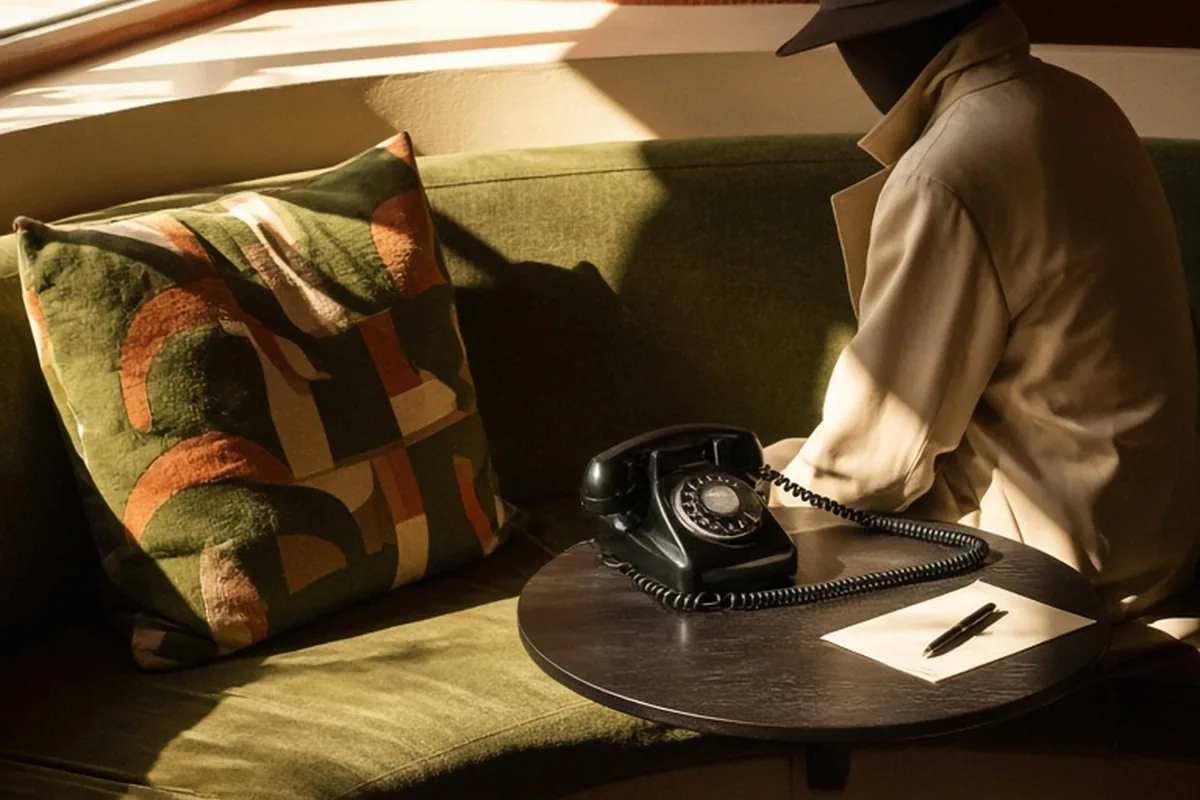
Using a dating site without a photo is technically possible on several platforms, but it significantly reduces your visibility and match rate. Most users immediately swipe left on faceless profiles out of concern for spam, bots, or infidelity. If professional privacy or personal discretion requires keeping your face private, you can still succeed by choosing privacy-focused apps, writing a distinct and engaging bio, and sharing private, verified photos early in direct conversation.
Stepping into online dating without displaying your face can feel like walking into a crowded room wearing a mask. While your reasons might be entirely practical—such as protecting your career, avoiding nosy acquaintances, or easing into vulnerability—the online dating landscape relies heavily on visual reassurance. Understanding how other users perceive an unpictured account, and knowing how to compensate for that missing element, makes the difference between complete silence and genuine connection.
The Realities of the Algorithm and User Perception
Online dating platforms run on engagement algorithms designed to keep members active, swiping, and satisfied. Visual imagery serves as the primary currency across mainstream apps such as Tinder, Bumble, and Hinge. When an account lacks a primary portrait, the algorithm frequently deprioritizes it, pushing it to the bottom of local queues. In some instances, modern platforms flag completely photo-less accounts as incomplete, preventing them from appearing in discovery feeds altogether or prompting automated moderation checks to curb automated spam.
Beyond technical restrictions lies the immediate human reaction. In an era saturated with romance scams, bot accounts, and catfishing, a blank avatar raises immediate defensive barriers. Swipers rarely pause to consider whether you might be an executive, a teacher, or simply an introverted person guarding their peace. Instead, the default assumption skews toward deceit: people wonder if you are married, hiding an incompatible physical reality, or harvesting personal information. Recognizing this reflexive suspicion is critical. You are not just missing a picture; you are starting from a deficit of baseline trust.
This dynamic means that any profile without a photo must work substantially harder to establish legitimacy. You cannot rely on visual charm to smooth over a sparse biography or low-effort messaging. If your face remains hidden, your written presence and conversational clarity must do the heavy lifting from the very first impression.
Choosing the Right Platform for Discretion
Mainstream swipe platforms are built for rapid, appearance-first evaluations, making them the most difficult environments for an unpictured profile. If absolute privacy is non-negotiable, your choice of platform matters far more than your cleverness in crafting a bio. Niche platforms designed for alternative relationship dynamics, discreet encounters, or professional networking often offer built-in architecture for privacy, such as locked galleries, blur tools, or member-only access.
For example, apps geared toward open relationships or casual connections frequently feature private vaults that require your explicit permission to unlock for a specific match. Similarly, high-end or career-focused platforms often grant members incognito browsing options. Rather than leaving your profile completely blank on an app where that practice is penalized, look for services that allow you to upload standard photos while restricting their visibility strictly to people you have personally liked first.
The trade-off here often involves cost and audience size. Mainstream platforms have the highest volume of local singles, whereas privacy-first services may have smaller, more specialized user bases or require paid subscriptions to activate masking tools. Deciding whether you want a broad audience with steep trust hurdles or a narrower pool tailored to discretion is your first major decision.
- Mainstream incognito modes: Allow you to keep clear photos uploaded while showing your profile only to people you swipe right on.
- Locked private albums: Permit matches to read your bio and text first, requiring a mutual consent step before photos become visible.
- Discreet or niche platforms: Feature a user culture already accustomed to professional confidentiality, reducing immediate skepticism.
Crafting a Bio That Replaces Visuals With Substance
When an account carries no visual reference, every single word in your profile carries double its normal weight. A generic biography that says you enjoy traveling, tacos, and weekends outdoors provides zero leverage. A potential match needs tangible markers of your personality, your lifestyle, and your emotional stability to offset the lack of a picture. Specificity creates credibility, giving the reader an unmistakable sense of the person behind the screen.
Start by addressing the lack of a picture calmly and transparently within the first two sentences. A brief, non-defensive explanation—such as noting that your professional licensing or workplace role requires discretion—clears the air without sounding paranoid. Avoid defensive statements like 'Don't ask for a picture if you're shallow' or 'Tired of judgmental people.' Hostility signals baggage, which pushes hesitant users away immediately.
Next, anchor your lifestyle through concrete examples. Describe your routine, the kinds of creative projects you pursue, your preferred humor, and your exact intentions on the app. Mentioning details such as your favorite neighborhood running trail, the specific style of cooking you practice on weeknights, or the last non-fiction book that challenged your thinking creates a three-dimensional profile that readers can actually visualize.
Using Partial Visuals and Contextual Images
An unpictured account does not have to be completely empty. Many successful discreet daters rely on partial visuals that preserve anonymity while reassuring matches that there is an authentic human being on the other side. A silhouette against a bright sunset, a candid shot from behind while hiking a mountain ridge, or a photo focusing on your hands working on a carpentry project all confirm your physical presence without revealing your facial identity.
These contextual images accomplish two vital tasks: they demonstrate effort, and they give a rough sense of your build, style, and everyday aesthetic. Daters naturally want to gauge basic physical compatibility, and providing indirect visual clues helps bridge that gap comfortably. A photo showing your casual attire, your posture, or your favorite environment softens the starkness of an otherwise blank card.
Be mindful, however, of photos that send confusing or low-effort signals. Stock imagery, internet memes, landscapes without you in them, or heavily distorted filters often look like burner accounts used for spam. If an image does not communicate something authentic about your personal life, habits, or physique, leave it off the profile entirely.
Managing Early Conversations and the Trust Gap
When a match does take a chance on an unpictured profile, your conversational approach must be proactive, engaging, and attentive. Opening with a simple 'hey' or an informal greeting almost guarantees a dead end. Since the match cannot rely on physical curiosity to sustain their attention, your opening message should reference an interesting detail from their profile, ask an open-ended question, or offer a witty, relevant observation.
Be prepared for the inevitable question: 'Why don't you have a photo?' Treat this inquiry as a fair and predictable boundary rather than an interrogation. Validate their skepticism directly instead of dodging the topic. A calm, grounded response like, 'I know it can feel strange talking to someone without a face on here. Because of my job in local public service, I keep my public profile low-key, but I am happy to share photos privately once we see if we have basic conversational chemistry,' establishes maturity and respect.
Pay close attention to conversational balance. Avoid turning the interaction into an asymmetric dynamic where you interrogate them while remaining entirely shadowy. Offer personal anecdotes, share your perspectives freely, and show genuine interest in their life. Mutual vulnerability builds the necessary bridge from anonymous messaging to a real-world connection.
Timing and Delivering the Photo Reveal Respectfully
A common mistake among discreet daters is holding onto anonymity for far too long. While you have every right to protect your privacy, the other person has an equal right to know who they are investing time in before meeting offline. Dragging the conversation out for weeks without providing a visual identity creates unnecessary friction and breeds resentment, often making the eventual reveal feel anticlimactic or stressful.
A practical rule of thumb is to offer private photos once you have established mutual rapport over a day or two of steady messaging, well before planning an in-person meeting. Frame the reveal as a natural next step rather than an enormous milestone. Offer a direct, clear, unedited portrait so they see an accurate representation of who you are today, avoiding outdated photos or deceptive angles that could undermine the trust you just built.
Prepare yourself for the possibility that the other person may not feel a physical spark once they see your face. Physical attraction remains a legitimate component of dating. If they pull back, respond politely and calmly without demanding explanations or becoming resentful. Grace under rejection preserves your dignity and proves that your discretion was rooted in maturity, not insecurity.
Illustrative Scenarios
Navigating Professional Privacy as a School Administrator
Julian, a high school vice principal in a mid-sized suburb, wanted to date casually but worried about students or parents discovering his dating profile. He initially joined a mainstream app with no photos and an empty bio. Over three weeks, he received zero matches and two hostile messages asking if he was a scammer. Frustrated, Julian changed his strategy. He uploaded two stylish photos where his face was turned away or shaded by a brimmed hat, showing his athletic build and clothing style. He rewrote his bio to state clearly that his public education career required discretion, and he offered to verify his identity via private exchange after a brief chat. Matches steadily increased, and conversations flowed much smoother because his intentions were clear from the start.
Key point: Contextual photos and a candid explanation of your need for privacy defuse suspicion far better than complete anonymity.
Overcoming the Delay Trap in Direct Messaging
Nathan used a faceless profile on an alternative dating platform due to social anxiety regarding his appearance. When he matched with a woman named Sarah, they bonded over shared music tastes and traded long messages for nearly three weeks. Whenever Sarah asked to exchange photos, Nathan deflected, hoping their intellectual connection would make appearance irrelevant. When he finally sent a picture right before asking her out, Sarah politely declined to meet, explaining that the evasiveness had made the interaction feel exhausting and deceptive. Nathan realized that withholding his image had inadvertently built unrealistic pressure around a simple step.
Key point: Prolonging the reveal creates unmanageable expectations; sharing your face early keeps the connection grounded in reality.
Frequently asked questions
Will dating apps ban an account for having no photo?
Some mainstream swipe apps, like Hinge and Bumble, require at least one verified image showing your face to complete registration. Other platforms like Tinder or niche dating sites permit blank or contextual images, though their moderation systems may flag photo-less accounts for additional human review.
Is using paid incognito mode better than keeping my profile blank?
Yes, paid incognito features are almost always more effective because they let you upload great photos while completely hiding your profile from public browsing. Your account only becomes visible to users you have actively swiped right on, giving you total control over who sees you.
How should I send my photo once trust is established?
You can use in-app photo sharing tools if the platform supports them, or move to a secure messaging platform with disappearing media features. Avoid sending temporary photos that look overly guarded if your goal is an in-person date, as clear and standard photos establish far better mutual confidence.
What should I do if a match refuses to chat without seeing my face immediately?
Respect their boundary without taking it personally. People are entitled to prioritize visual confirmation to protect their safety and time, just as you are entitled to guard your privacy; simply wish them well and focus on matches comfortable with your pace.
Your next step
Assess whether your privacy needs can be met with paid incognito features first, and if you must stay faceless, replace your blank canvas today with an articulate bio and one contextual lifestyle photo.