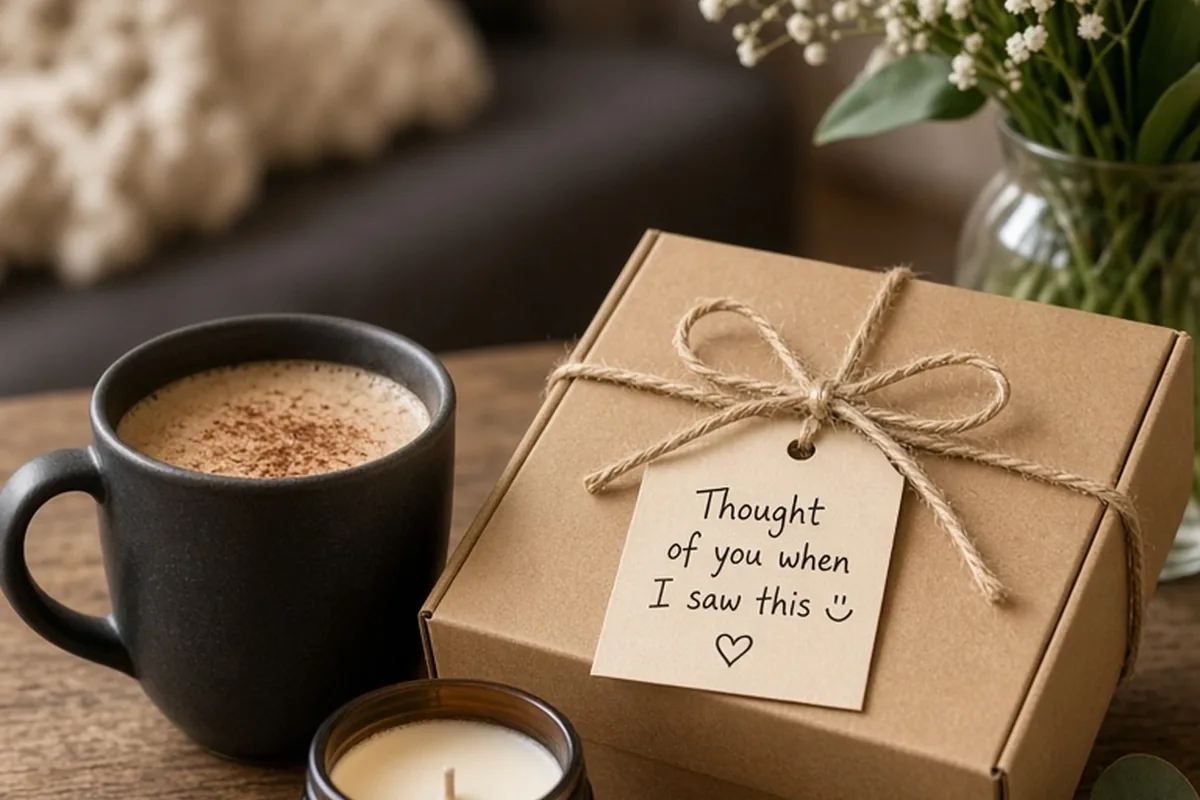
The best Valentine gift for a new relationship balances thoughtfulness with low pressure. Focus on shared experiences, elevated everyday treats, or playful references to inside jokes rather than grand romantic gestures or expensive jewelry. A great early gift acknowledges that you enjoy spending time together, shows you have paid attention to their preferences, and avoids putting unspoken emotional expectations on a connection that is still naturally unfolding.
Navigating Valentine's Day when you have only been dating for a few weeks or months can feel surprisingly tricky. You want to acknowledge the occasion and show genuine interest, but going overboard can create awkwardness or unintended pressure. Finding a comfortable middle ground comes down to calibrating the gift to your shared history, keeping things fun, and focusing on quality over grand emotional declarations.
Low-Stakes Shared Experiences That Build Memories
Shared experiences are often the safest and most enjoyable gifts during the early stages of dating because they shift the focus away from material evaluation and place it directly on enjoying each other's company. When you give an object, the other person might wonder about its monetary value, what it symbolizes about your intentions, or where to put it in their home. In contrast, an experiential gift simply offers an invitation to share a fun, memorable hour or evening together. It communicates that you value the time you spend with them without demanding a long-term emotional contract.
To execute this well, keep the timeframe immediate and the activity relaxed. Good options include tickets to an upcoming comedy showcase, a guided tasting at a local coffee roastery or craft brewery, passes to an interactive art museum, or booking a casual culinary workshop like handmade pasta making. Avoid booking trips that require overnight travel or planning months in advance, as distant calendar commitments can feel premature when you are still learning whether your routines and personalities align. Frame the gift as an exciting date for the coming week, which keeps the momentum natural and spontaneous.
Elevated Everyday Treats Based on Active Listening
One of the most appealing qualities in early dating is showing that you pay attention to the details someone shares during regular conversations. An elevated consumable item allows you to demonstrate active listening in a tasteful, low-pressure format. Instead of buying a generic, heart-shaped supermarket sampler, look for a premium version of something they already use, consume, or talk about enthusiastically in their daily life.
For example, if your date frequently mentions their morning pour-over ritual, a bag of single-origin beans from a respected local roaster paired with a quality chocolate bar makes a sophisticated statement. If they love spicy food, a curated trio of artisanal hot sauces or chili crisps hits the mark. The beauty of consumable gifts is their built-in impermanence: they are meant to be enjoyed, they do not clutter living space, and they carry zero obligation of permanence. Pair the item with a simple, handwritten card that mentions why you chose it, such as noting a specific conversation you had on a previous date.
Playful Inside Jokes and Lighthearted Callbacks
Humor and shared laughter are key drivers of mutual attraction and rapport. If you and your date have already established a running joke, a friendly debate, or a quirky mutual interest, anchoring a small gift to that moment creates an immediate feeling of warmth. It proves you remember the unique texture of your interactions rather than relying on generic romantic scripts.
Consider gifts like a vintage or paperback copy of a book you both debated, a niche two-player card game you can open over drinks, or a snack they passionately defended on your last outing. The key to making callback gifts work is ensuring the joke is genuinely positive, light, and mutually amusing. Avoid anything that references uncomfortable moments, sensitive subjects, or past dating missteps. When done with care, a ten-dollar gift that references a real shared moment often creates far more genuine delight than a fifty-dollar generic item.
Cozy Home Goods and Relaxed Comfort Items
If your dynamic has already naturally transitioned to spending casual evenings cooking dinner, watching movies, or listening to music together, small comfort-focused gifts fit the mood nicely. These items add warmth to shared downtime without making presumptuous statements about the future of your living arrangements.
Safe and appealing choices include a high-quality scented candle with a clean, neutral herbal or citrus aroma, a plush waffle-knit throw blanket, or a vinyl record from an artist you discovered together if they own a record player. The boundary here is keeping the item centered on hospitality and sensory comfort rather than deep personal intimacy. Steer clear of high-end home decor that demands permanent wall space, complex appliances, or anything that implies an expectation of staying over more often than you currently do.
What to Avoid When Dating Is Still Fresh
Understanding what to avoid is just as valuable as knowing what to buy. The most common pitfall in new relationships is over-gifting, which happens when someone uses an expensive or intensely romantic item to fast-forward emotional intimacy or secure validation. Extravagant jewelry, expensive tech gadgets, formal portrait photography, and grand romantic declarations can place an uncomfortable burden on the recipient, making them feel indebted or pressured to reciprocate feelings they may still be sorting out.
Similarly, avoid overly intimate apparel or personal fragrance unless they have specifically asked for a known favorite scent. Scent and clothing are deeply subjective, and guessing wrong can feel awkward for both people. Remember that a modest, well-chosen gift signals self-confidence and emotional calibration. You do not need to prove your worth or buy security through a holiday present; your consistency, kindness, and relaxed presence on dates do far more to build mutual trust than an expensive purchase.
Setting Expectations Without Making It Awkward
Much of the stress surrounding Valentine's Day in a new relationship stems from ambiguity. When neither person knows whether the other expects an elaborate evening, a casual exchange, or no acknowledgment at all, both end up overthinking their moves. You can easily defuse this tension by initiating a short, casual conversation a week or two ahead of time.
A simple, confident check-in works wonders. You might say, 'Since Valentine's Day is next week, what do you think about grabbing casual dinner and keeping things low-key?' This opens the door for both of you to align on budget, plans, and gift expectations without feeling defensive. If your date suggests skipping gifts altogether, respect that preference graciously and focus instead on planning an enjoyable date where you can connect without commercial pressure.
Illustrative Scenarios
Calibrating the Gesture to the Dating Timeline
Marcus had been dating Sarah for six weeks. As Valentine's Day approached, he felt caught between making a grand gesture to show his interest and doing nothing out of fear of coming on too strong. He worried an expensive piece of jewelry would make her uncomfortable, while ignoring the holiday might signal indifference. Marcus decided on a balanced approach: he reserved a table at a lively neighborhood bistro they had talked about visiting and gave her a small sampler box from an artisanal bakery she had mentioned during their second date. Sarah was visibly relaxed and thrilled with the gesture, which matched their casual, positive momentum.
Key point: Choosing a thoughtful, mid-tier gesture demonstrates attentive interest without manufacturing premature relationship pressure.
Handling Mismatched Gift Spending with Grace
Elena and Jordan had gone on five dates over the course of a month. When they met for their Valentine's dinner, Jordan gave Elena a high-end designer fragrance, while Elena had brought a compact, twelve-dollar tabletop trivia game based on an inside joke from their previous date. Elena initially felt a flash of self-consciousness about the price disparity, worrying she had underdelivered. Instead of apologizing profusely or acting defensive, she warmly thanked Jordan for the generous scent, laughed naturally, and suggested they open the trivia game over dessert. Jordan genuinely loved the game, and the tension dissolved because Elena kept the atmosphere centered on mutual fun rather than monetary equivalence.
Key point: Gracious confidence and a focus on shared connection quickly smooth over accidental differences in gift spending.
Frequently asked questions
How much should I spend on a Valentine gift if we have been dating for less than two months?
A budget between twenty and fifty dollars is generally a healthy range for an early-stage relationship. This range allows you to buy high-quality consumables, a fun book, or an engaging activity without placing financial or emotional pressure on either person.
Is giving flowers appropriate for someone I just started seeing?
Yes, flowers are a classic and polite gesture as long as you keep them light. A bright, mixed seasonal bouquet or a single potted succulent is usually much better received early on than a dozen formal long-stem red roses, which carry heavy romantic symbolism.
What should I do if my date gives me a gift and I did not get them one?
Accept the gift with genuine gratitude and warmth rather than making prolonged apologies or rushing out to buy a hasty replacement. You can offer to cover dessert, pick up the drinks for the evening, or plan your next fun outing together to balance the generosity naturally.
Should we celebrate on February 14th or pick an alternate night?
Celebrating on an adjacent weekend night is often less stressful, more affordable, and easier to schedule than fighting crowded restaurant dining on the actual holiday. Have a quick, open conversation to see which evening fits both of your schedules best.
Your next step
Bring up Valentine's Day casually this week to agree on a low-pressure plan, then pick a small, thoughtful gift that reflects an inside joke or a specific preference your date has shared.