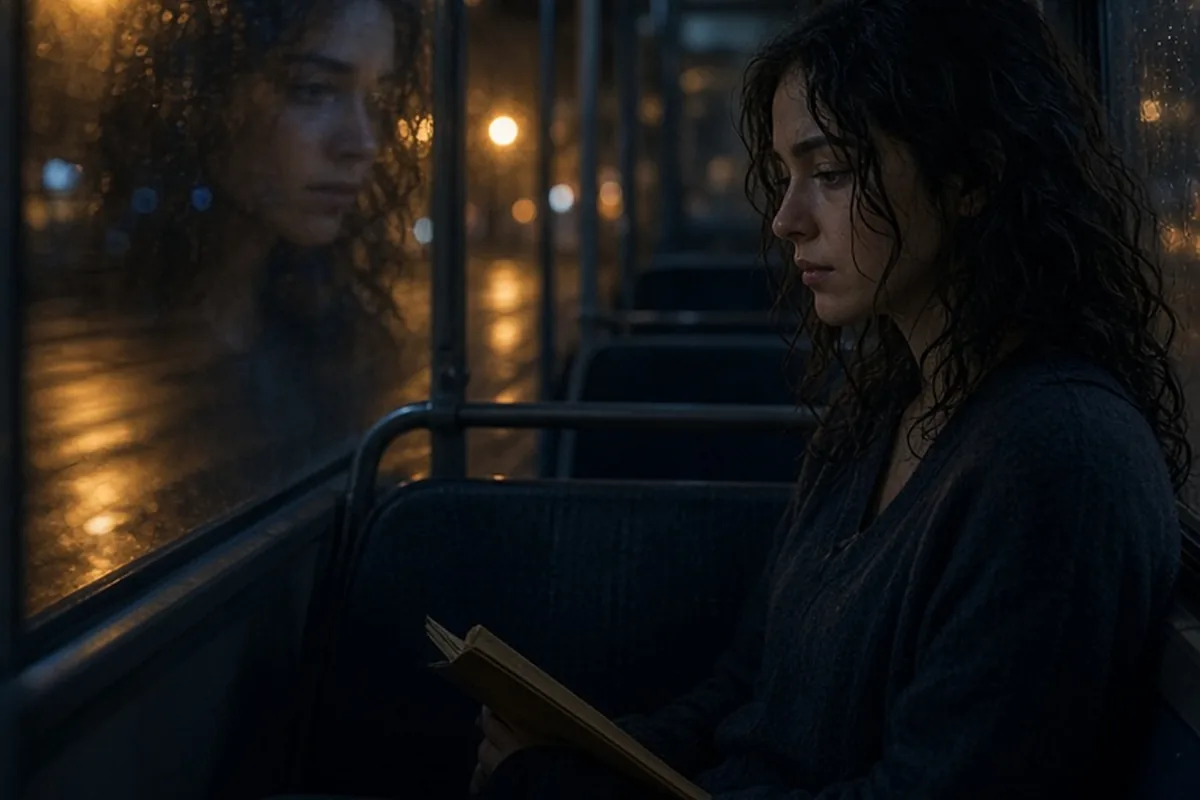
A Valentine's short story is a personalized piece of creative writing crafted to celebrate a romantic partner or explore shared intimacy. To write one, focus on a singular, relatable moment rather than trying to summarize an entire relationship history. Combine specific sensory details, genuine inside jokes, and an honest emotional arc to create a thoughtful, memorable gift that honors your connection without relying on generic romantic cliches.
While traditional Valentine's Day gifts like flowers and handwritten greeting cards offer classic charm, a personalized short story provides a deeply intimate reflection of your specific bond. Crafting a short piece of fiction or creative nonfiction allows you to frame shared memories, private jokes, and quiet appreciation into a creative keepsake that endures well beyond February.
Writing a story for a partner does not require professional literary skill or elaborate prose. Instead, the most impactful romantic narratives rely on emotional honesty, clear observation, and thoughtful pacing. By focusing on the small, authentic elements of your relationship, you can craft a heartfelt tale that celebrates who you both are together.
Deciding Between Real Memories and Romantic Fiction
Before typing your first sentence, consider whether your narrative works best as creative nonfiction, an exaggerated retelling of a real event, or an entirely fictional adventure. Creative nonfiction focuses on genuine milestones or everyday memories, such as the afternoon you met, a disastrous road trip that brought you closer, or the quiet evening you realized you were falling in love. This approach emphasizes nostalgia and emotional authenticity, giving your partner a window into how you experienced a meaningful shared moment.
Alternatively, setting your partner and yourself inside an imaginative fictional world—such as a cozy detective mystery, a whimsical time-travel scenario, or a playful fantasy quest—allows for humor and creativity. The trade-off is tone: purely fictional settings require more world-building and can occasionally feel detached if not grounded in your real dynamics. Whichever style you choose, ensure the character behaviors and interactions reflect your genuine affection and avoid resurrecting unresolved past conflicts, awkward ex-partners, or sensitive topics that could distract from the loving spirit of the gift.
Focusing on a Single Meaningful Moment
One of the most common pitfalls when writing about a relationship is trying to chronicle every significant milestone in a single short story. Attempting to fit meeting, dating, moving in together, and several anniversaries into a thousand words usually results in a rushed summary rather than an immersive narrative. Instead, pick one focused scene or a concise twenty-four-hour window that captures the essence of your partnership.
For example, you might build an entire story around a rainy Sunday morning spent trying to bake sourdough from scratch, or the comical struggle of assembling flat-pack furniture during your first apartment move. These micro-moments allow you to explore emotional depth through manageable, charming scenes. Mundane domestic experiences often hold far more romantic power than grand, dramatic declarations because they highlight the effortless comfort and teamwork that define healthy daily love.
Creating Gentle Narrative Tension and Charm
Even a lighthearted Valentine's story benefits from a narrative arc with a beginning, a slight complication, and a satisfying resolution. Stories without any friction can feel flat or overly predictable, while gentle tension creates momentum that keeps your reader engaged. The goal is not to introduce heavy relationship drama, but rather to use playful, low-stakes obstacles that showcase how you support each other.
Consider a scenario where the central obstacle is a series of minor mishaps: a GPS leading you down a deserted dirt road during an anniversary getaway, a pet stealing an essential cooking ingredient right before dinner guests arrive, or an undercover attempt to keep a surprise gift hidden. Overcoming these light challenges together provides natural opportunities for humor, teamwork, and tenderness. Ensure the resolution feels earned by allowing the characters to laugh off the chaos and reconnect in a cozy, satisfying climax.
Incorporating Sensory Details and Inside Jokes
Rich sensory descriptions bring a personal narrative to life by evoking specific memories and emotions. Rather than relying on abstract words like wonderful, lovely, or breathtaking, describe the concrete physical details of the setting and the moment. Mention the exact scent of the cedar firewood in the cabin stove, the repetitive click of a faulty turn signal on your first road trip, or the distinct clinking of mismatched ceramic mugs during a late-night conversation.
Weaving in subtle inside jokes, nicknames, and references to shared habits creates an intimate reading experience that belongs uniquely to your partner. If you have a long-running joke about how one of you misheard a pop song lyric, weave that lyric into the background radio audio of the scene. However, maintain a balanced rhythm: sprinkling two or three specific references adds charm, but overloading every paragraph with private references can make the story feel disjointed or difficult to follow.
Structuring Your Story for Maximum Emotional Impact
A well-structured short story usually ranges between eight hundred and fifteen hundred words, divided into three distinct phases: the setup, the development, and the emotional takeaway. In the opening paragraphs, establish the atmosphere, introduce the primary setting, and clearly frame the dynamic between the characters. Give your reader an immediate sense of place and mood so they can settle comfortably into the narrative world.
In the middle section, guide the characters through the central event, allowing dialogue to reveal their warmth, playful banter, and mutual understanding. Keep dialogue snappy and natural, matching how you actually speak to one another in private. In the final third of the piece, slow the pacing down to highlight the emotional core of the scene. Rather than forcing an over-the-top cinematic ending, conclude with a grounded, genuine observation about how much you appreciate sharing life's everyday moments with them.
Overcoming Self-Doubt and Writer's Block
Many people hesitate to write creative gifts because they worry their writing is not polished enough or that their partner might find the effort sentimental. It is essential to remember that your partner is not evaluating your work as a literary critic; they are receiving a personalized gift that required time, attention, and vulnerability. The intentionality behind writing a dedicated story often makes it far more meaningful than commercial items.
If you encounter writer's block, separate the drafting process from the editing process. Spend your first writing session getting all your raw thoughts and scene ideas down on the page without worrying about grammar, word choice, or flow. Once the basic narrative exists, set it aside for a day or two before returning with fresh eyes to polish the phrasing, clarify the imagery, and fix pacing hiccups. Focusing on your partner's smile as they read can help quiet your internal critic.
Presenting and Delivering Your Valentine's Story
The physical presentation of your story can enhance the emotional impact of the gift. While an email or a printed sheet of standard printer paper delivers the words, choosing a tactile, intentional format turns the story into a lasting keepsake. You might handwrite the piece inside a small cloth-bound notebook, print it on heavyweight cardstock tied with twine, or fold it neatly into a custom envelope accompanied by a personal bookmark.
When it comes time to share the story, consider your partner's personality and communication preferences. Some partners love the intimacy of having a story read aloud to them over dessert or beside a cozy fire, while others prefer to read it quietly to themselves so they can process their emotions privately. Offer the story with an easygoing invitation, allowing them to choose whether to read it immediately or savor it later during a quiet moment.
Frequently asked questions
How long should a Valentine's short story be?
A length of 800 to 1,500 words is typically ideal for a personalized Valentine's story. This word count provides enough room to develop a rich scene, include dialogue, and deliver a satisfying emotional arc without feeling overwhelming to draft or read.
What if I am not naturally good at creative writing?
Focus on simplicity and sincere observations rather than trying to use complex vocabulary or poetic devices. A straightforward, honest recounting of a real memory with specific sensory details will resonate far more with your partner than complicated prose.
Should I write a real memory or a fictional story?
Choose based on what feels most natural to you and what your partner enjoys. If your relationship is grounded in nostalgia and shared history, a creative memoir works best, whereas a lighthearted fictional premise is great if you both love playful humor and creative storytelling.
Is it better to read the story aloud or give it as a written gift?
This depends entirely on your partner's comfort level and communication style. You can present the written copy and gently ask if they would like you to read it aloud together or prefer to read it at their own pace.
Your next step
Choose one specific, joyful memory from your relationship today, write down three sensory details connected to that moment, and draft a simple beginning, middle, and end without self-editing.