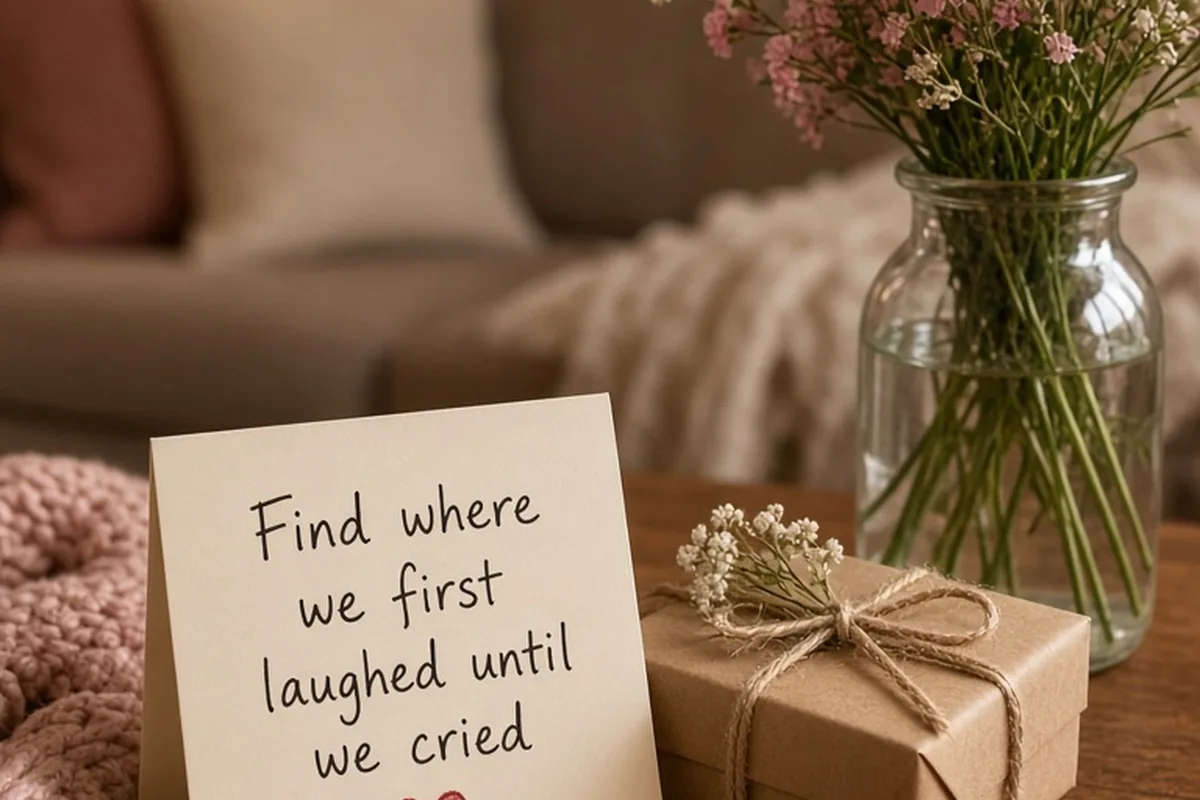
A successful Valentine scavenger hunt uses five to eight personalized clues that guide someone through meaningful locations, shared memories, or small thoughtful treats, ending at a heartfelt gift, activity, or shared meal. You can build hunts around rhyming riddles, photo recreations, romantic milestones, or favorite household spots. Focusing on clear pacing, personal references, and comfort ensures the experience feels affectionate and engaging rather than frustrating or overly complicated.
Planning an interactive surprise can transform standard Valentine exchanges into an engaging experience that highlights the unique history you share. Rather than simply handing over a card or unwrapping a gift, a thoughtful scavenger hunt gives each moment intentional focus, letting anticipation build naturally from the opening note to the final reveal.
Selecting the Right Hunt Style for Your Relationship
The first step in planning an engaging hunt is determining the overarching tone that best matches your partner or friend. A high-energy outdoor trek across your city offers excitement and discovery, but it might feel exhausting to someone who prefers quiet evenings at home. Conversely, an indoor clue hunt centered around cozy household nooks provides intimacy and warmth, making it ideal for relaxed winter evenings. Consider whether the person you are celebrating prefers brain-teasing puzzles, sentimental reflections, or lighthearted humor, as this preference should dictate the structure of your activity.
To make an informed choice, consider your recipient's daily energy levels and communication style. If your partner has had a demanding work week, an intricate twenty-step puzzle spanning multiple neighborhoods will likely cause stress rather than joy. For instance, pairing a three-step indoor riddle path with a quiet movie setup respects low energy while still delivering a personal touch. If you are celebrating Galentine's Day with a group of friends, an energetic team-based photo scavenger hunt through a local shopping district or botanical garden can energize the entire group. The goal is to make the participant feel understood rather than tested.
Crafting Clues Using Rhymes, Riddles, and Puzzles
Clue design represents the core mechanic of any hunt, and varying the formats keeps the process interesting from start to finish. Simple rhyming couplets remain the most popular format because they feel festive, nostalgic, and approachable. A clue pointing toward the refrigerator might read, 'When you crave a midnight treat, this chilly door is where we meet,' while a clue hidden near a shoe rack could say, 'Before we step into the street, you place these items on your feet.' These gentle rhymes remove frustration and maintain a steady, rewarding momentum.
For partners who enjoy mental challenges, you can introduce varied puzzle styles such as anagrams, coordinates, or fill-in-the-blank book citations. For example, you might highlight specific letters in a favorite shared book that spell out the next location, or write a short riddle describing an appliance: 'I turn roasted beans into morning steam; check where we brew our favorite dream.' The primary trade-off with complex puzzles is pacing; overly cryptic clues can stall the experience. Keep one or two pre-written hint cards in your back pocket so you can gracefully assist if your partner pauses for too long, preserving a warm and celebratory atmosphere.
Designing a Sentimental Memory-Lane Route
A memory-lane hunt shifts the focus from generic objects to artifacts and milestones that tell the story of your connection. Each stop along the path represents a specific memory, trip, or milestone you have shared. You might tape an envelope to the frame of a photo taken during your first road trip, place a clue inside a souvenir mug purchased on vacation, or tuck an index card inside the program from a concert you attended together.
Executing this concept successfully requires combining physical artifacts with short, meaningful notes. At each stop, include two distinct elements: a brief note expressing what that specific memory meant to you, and the clue pointing to the next artifact. For example, a card next to a collection of travel guides could explain, 'I loved getting lost with you in Portland, but our next stop is where we unpack our dirty laundry.' One important boundary to keep in mind is emotional comfort; focus on memories that bring mutual joy and fond laughter, avoiding references to contentious moments or unresolved experiences.
Incorporating Mini-Treats and Interactive Tasks
While reaching the final prize is the ultimate goal, intermediate stops feel significantly more rewarding when they offer small, delightful surprises. If every clue simply yields another slip of paper, the hunt can begin to feel mechanical. Scattering small tokens along the trail breaks up the searching and encourages the seeker to pause and savor the journey.
Consider what items your partner genuinely appreciates on an everyday level. These mini-rewards do not need to be expensive or elaborate to be effective. For example, clue two could sit beside a favorite pastry from a neighborhood bakery, clue four might include a handwritten playlist link for the evening, and clue six could feature a small packet of specialty bath salts. You can also mix in lighthearted interactive tasks, such as asking your partner to guess which song you were listening to when you first met before handing over the next clue. Be careful not to overwhelm them with cumbersome items they have to carry around; provide a small tote bag at the beginning if your hunt involves collecting physical keepsakes.
Organizing an Outdoor or Neighborhood Expedition
If you want to take your Valentine celebration into the community, an outdoor hunt lets you revisit meaningful local places while enjoying fresh scenery. You can send your partner to the coffee shop where you had your first conversation, a scenic bench in a public park, a favorite bookstore, or the bakery where you always purchase weekend sourdough. This approach turns familiar public spaces into active stages for your celebration.
Outdoor logistics require careful preparation to prevent logistical hiccups. Because public spaces change quickly, do not leave valuable items or sensitive notes unattended in public view. Instead, enlist friendly local staff by dropping off labeled envelopes in advance, or accompany your partner on the walk and hand them the clue once you arrive at the designated landmark. Always establish a sensible backup plan for inclement weather. If winter winds or rain make a multi-stop park walk uncomfortable, easily pivot to a covered indoor venue, such as an art museum or a greenhouse, where you can conduct the hunt in comfort.
Logistics, Setup, and Troubleshooting the Experience
The difference between a seamless scavenger hunt and a chaotic one comes down to methodical organization during setup. The most reliable method is to work entirely backward from your final location. Decide on the end prize or venue first, place the final clue that leads to it, and work step-by-step in reverse until you hold the initial clue card in your hand. Number each envelope lightly in pencil on the back so you do not accidentally misplace or reverse the sequence while hiding them.
Keep a private master list on your phone that details each clue number, its hiding spot, the riddle text, and the corresponding answer. This reference document acts as an immediate safety net if a clue gets displaced, blown away by a draft, or missed by your partner. If the search stalls, offer natural, encouraging hints like 'You are getting warmer' or 'Think about where we store warm blankets' rather than showing impatience. Remember that the hunt is a gift of shared time, and keeping the tone relaxed and playful matters far more than following rigid game rules.
Creating a Memorable Final Destination and Reveal
A well-structured hunt deserves a finale that feels balanced with the effort required to reach it. If the journey involves multiple stops and thoughtful puzzles, concluding with a rushed or anticlimactic finish can leave the seeker feeling underwhelmed. The final stop should serve as an invitation to rest, reconnect, and celebrate together.
Your finale can take many forms depending on your budget and personal preferences. It could be an elegant dinner table already set with takeout from their favorite restaurant, a thoughtfully chosen Valentine gift, a reservation confirmation for an upcoming weekend getaway, or simply a blanket fortress in the living room with hot chocolate and their favorite film queued up. The key is to ensure the final destination transitions smoothly into dedicated, uninterrupted quality time, allowing both of you to decompress from the excitement of the hunt and reflect on the moments you just shared.
Frequently asked questions
How many clues should a Valentine scavenger hunt have?
A total of five to eight clues is ideal for most couples and friend groups. This range provides enough variety to build anticipation without feeling tedious or overwhelming. A hunt with this length typically takes between twenty and forty-five minutes to complete.
What if my partner gets stuck on a clue?
Keep a master cheat sheet on your phone with all clue solutions and pre-planned hints. If your partner seems puzzled for more than a minute or two, offer a gentle hint or suggest searching a specific corner of the room to keep the mood light and fun.
Can I plan an indoor Valentine scavenger hunt in a small apartment?
Yes, small apartments work exceptionally well for intimate hunts because every nook can carry personal meaning. You can hide clues inside books, behind picture frames, inside the microwave, or under sofa cushions to create a rich trail even within a single room.
Your next step
Choose five to seven meaningful spots in your home or neighborhood, draft a simple master list working backward from your final surprise, and start writing your clues.