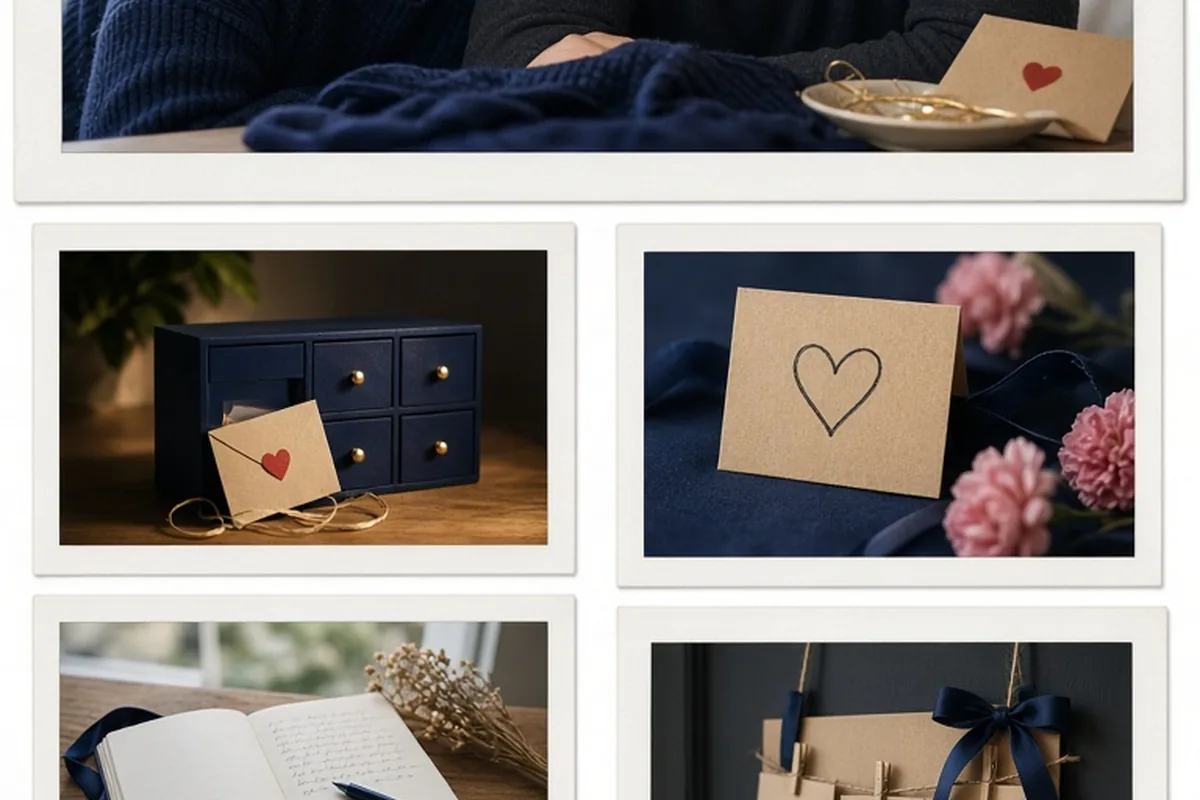
A Valentine's Day countdown calendar is a curated series of small daily gifts, handwritten notes, shared activities, or sentimental prompts leading up to February 14. Most countdowns run for either 7 or 14 days, beginning on February 8 or February 1. They build anticipation and celebrate affection over an extended period rather than focusing all celebration efforts on a single evening, making the holiday feel personal, intentional, and relaxed.
While traditional holiday gift-giving often centers around one specific date, a countdown framework shifts the focus toward consistent, thoughtful moments that fit smoothly into everyday routines.
Choosing Between a 7-Day and 14-Day Countdown Timeline
Deciding on the duration of your Valentine's Day countdown sets the tone, budget, and logistical scope for the entire experience. The two most common structures are the 14-day timeline, starting February 1, and the 7-day timeline, beginning February 8. A 14-day calendar creates a slow, immersive build-up that works well when incorporating lightweight daily rituals, such as love notes, photo memories, or favorite treats. However, maintaining high-energy engagement across two full weeks can occasionally feel overwhelming for both the planner and the recipient, especially during busy workweeks.
A 7-day countdown offers a condensed, high-impact alternative that minimizes planning fatigue while delivering a focused week of celebration. This shorter format allows you to invest more time or budget into each individual day without cluttering your partner's living space with excessive trinkets. When deciding between the two, consider your recipient's daily schedule, their preferred communication style, and your own capacity to assemble the daily elements in advance.
- 14-Day Timeline (Feb 1-14): Best for sentimental notes, micro-treats, photo throwbacks, and couples who enjoy prolonged anticipation.
- 7-Day Timeline (Feb 8-14): Best for higher-value gifts, experiential date prompts, busy professional schedules, and low-stress planning.
- Weekend-Only Countdown: Best for long-distance partners or busy couples who prefer dedicated weekend dates leading into mid-February.
Curating Meaningful Daily Prompts and Surprises by Recipient
The contents of each countdown day should reflect the unique dynamic of your relationship rather than relying on generic holiday novelties. For romantic partners, mixing tangible items with shared experiences creates balance. You might alternate between physical tokens—like a specialized coffee blend or a cozy pair of socks—and experiential invitations, such as an uninterrupted evening walk, a homemade dessert night, or a curated music playlist reflecting pivotal milestones in your shared history.
Valentine countdowns are also increasingly popular for Galentine's celebrations, children, and close family members. For friendships, focus on inside jokes, self-care items, shared recipe cards, and affirmations that acknowledge mutual support. When designing a countdown for children or siblings, lean into interactive crafts, small activity books, themed stickers, and family game-night tokens. Tailoring the daily items ensures that the gesture feels genuinely supportive rather than commercial.
- Romantic Partners: Alternate between affirming written letters, favorite comfort snacks, massage vouchers, and planned evening dates.
- Friends & Galentines: Focus on skincare minis, thoughtful voice memos, specialty teas, gourmet chocolates, and personalized playlists.
- Children & Family: Include themed craft supplies, festive storybooks, custom coupons for choosing dinner, and mini puzzle challenges.
DIY Valentine's Day Countdown Calendar Formats and Assembly
Creating a physical countdown display at home allows complete creative control over presentation and scale. One popular approach is an envelope garland, where numbered stationery envelopes are suspended across a mantel or headboard using twine and mini clothespins. This design is ideal for flat items such as handwritten letters, gift cards, photographs, and custom coupons. For three-dimensional items, reusable numbered cotton drawstring bags or small kraft paper gift boxes arranged on a decorative tray provide structure while concealing daily surprises.
When assembling your physical calendar, pay careful attention to structural support and spatial organization. Heavier items like specialty candles, books, or glass jars should be placed in freestanding boxes rather than hanging displays to prevent tearing or falling. Clearly label each container with bold numbers or dates so the opening sequence remains intuitive. Assembling all components at least three to four days before your chosen start date prevents last-minute stress and ensures every note is written with calm intention.
Digital and Long-Distance Countdown Alternatives
Distance should not prevent you from sharing a countdown experience with someone you care about. For couples separated by geography or demanding travel schedules, digital calendars offer an immediate and intimate connection. You can schedule daily timed emails, send custom morning video messages, or build a private shared digital album where a new memory, voice note, or scanned letter unlocks each morning at a designated hour.
Another effective strategy for long-distance relationships combines physical parcel delivery with scheduled virtual reveals. Package all 7 or 14 gifts individually in advance, clearly label each with its designated open date, and mail the entire collection as a single parcel well before February. Establish a regular daily video check-in time where you can open the day's package together, bridging the physical gap with a shared, synchronous ritual.
Budget Planning and Pacing the Gift Crescendo
A successful countdown calendar does not require substantial financial expenditure; thoughtful pacing and emotional resonance matter far more than monetary value. When establishing your budget, calculate the total spend first and divide it across your planned days rather than buying items impulsively. Overspending on early days can create unrealistic expectations or lead to financial strain, detracting from the genuine warmth of the holiday.
Pacing your calendar like a narrative arc produces the most satisfying experience. Begin with small, grounding gestures on the early days—such as a warm personal affirmation, a favorite candy, or a nostalgic photo. Gradually increase the significance of the items or activities toward the middle of the timeline, culminating in your primary gift, date experience, or heartfelt letter on February 14. This crescendo ensures that the final day still feels like a special peak event.
- Budget Allocation: Reserve roughly 40 to 50 percent of your total budget for the final day, distributing the remainder evenly across daily lead-ins.
- Cost-Free Gestures: Incorporate meaningful non-monetary items like custom playlists, chore relief coupons, handwritten gratitude lists, and poetry.
- Bulk Buying: Purchase consumables like gourmet chocolates, bath items, or craft supplies in multi-packs and divide them across multiple days.
Sustainable and Reusable Calendar Structures for Future Years
Investing in or building a reusable calendar framework turns the countdown into an enduring annual tradition that reduces single-use packaging waste. Wooden advent cabinets with small drawers, wall-hanging fabric pockets, and customized acrylic display boards can be stored flat and brought out every February. Choosing neutral or timeless designs allows the hardware to adapt gracefully as tastes, relationship stages, and household aesthetics evolve over time.
To maintain the longevity of reusable calendar hardware, store your containers in a cool, dry place alongside your other seasonal decor, using acid-free tissue paper to protect painted or fabric surfaces. Keep a brief digital note listing what you included in previous years to avoid unintentional repetition while preserving the specific rituals and traditions that your recipient enjoyed most.
Navigating Boundaries, Preferences, and Surprise Fatigue
While countdown calendars are designed to express affection, it is important to align the format with your recipient's personal preferences and boundaries. Some individuals feel overwhelmed by receiving daily physical objects, particularly if they are actively decluttering or prefer minimalist living spaces. In such cases, tailoring the calendar toward ephemeral pleasures—such as consumable snacks, digital media, or acts of service—honors their preferences while maintaining the celebratory spirit.
Communication prior to the countdown helps set comfortable expectations. If your partner experiences decision fatigue or prefers predictable routines, keep the daily reveals low-pressure and easy to integrate into their morning or evening habits. Avoid gifts or date prompts that require immediate, unexpected time commitments on busy workdays. Designing the countdown with empathy and flexibility ensures the experience brings genuine joy without adding stress to either person's schedule.
Frequently asked questions
When should I start a Valentine's Day countdown calendar?
The start date depends on your chosen calendar length. A 14-day countdown starts on February 1, while a 7-day countdown begins on February 8. If you are using a weekend-only format, start on the first weekend of February.
What can I put in a Valentine's countdown calendar without spending a lot of money?
You can fill your calendar with meaningful low-cost items such as handwritten notes, nostalgic photos, links to custom playlists, coupons for household favors, favorite homemade baked goods, and thoughtful conversation prompts.
How far in advance should I prepare a DIY countdown calendar?
It is best to gather your materials and assemble all daily items at least one to two weeks before your planned start date. This gives you ample time to write notes thoughtfully, wrap packages, and troubleshoot any hanging or display issues without rushing.
Your next step
Select your calendar duration—either 7 or 14 days—and write down a daily outline combining small treats, notes, and shared moments before purchasing your materials.