The best Valentine's Day gifts for kids focus on connection, personal interests, and low-pressure delight rather than romantic tropes. Great options include age-appropriate craft sets, cozy items like festive pajamas, collaborative board games, sweet storybooks, and experiential vouchers for special one-on-one parent outings. Choosing items centered on everyday play and reassurance helps children feel cherished without overwhelming them with unnecessary holiday clutter.
While Valentine's Day traditionally centers on adult romance, adapting the holiday for children turns mid-February into an opportunity to celebrate kindness, belonging, and simple family affection. Navigating store displays filled with cheap plastic trinkets and overwhelming sugar displays can complicate the search, but focusing on functional comforts, creative projects, and shared rituals makes the occasion both manageable and memorable.
Tailoring Gifts to Developmental Stages and Ages
Choosing a successful present begins by matching the gift to the child's developmental capabilities and current routines. Toddlers and preschoolers flourish when gifts engage their physical senses and withstand rough handling. Chunky wooden puzzles featuring heart shapes, soft hand puppets for interactive storytelling, and oversized plush animals offer comfort while promoting tactile coordination. Young children typically care very little about traditional holiday sentimentality; instead, they respond to novelty, bold primary colors, and items they can immediately integrate into their daily floor play without intricate instructions.
School-age children and emerging preteens often prefer gifts that reflect their growing independence and specific hobbies. Elementary students frequently appreciate creative construction sets, friendship bracelet looms, or beginner strategy games they can play with friends during recess or weekend sleepovers. Preteens, on the other hand, often lean toward subtle room decorations, high-quality art markers, or accessories like insulated water bottles decorated with gentle heart motifs. The primary trade-off with older children involves novelty versus longevity; a gift tied too heavily to bright red Valentine graphics might be cast aside by March, whereas a high-utility item in their favorite color lasts through the entire school year.
Sparking Creativity With Open-Ended Craft Kits
Craft and art kits represent some of the most engaging Valentine's gifts because they replace passive consumption with active creation. Instead of purchasing finished novelty decorations, consider giving kits that invite children to produce their own keepsakes. Modeling clay sets with pastel colors, wooden birdhouse painting kits, or ceramic mug-decorating supplies allow kids to explore color theory and manual dexterity. Engaging in open-ended creative projects gives children a constructive outlet for self-expression while generating personalized artifacts they can display proudly in their bedrooms.
When selecting creative materials, caregivers should carefully evaluate clean-up demands and supervision requirements. Water-based gouache, washable felt markers, and pre-cut felt sewing kits offer rich creative experiences without turning the kitchen into an intractable mess. Conversely, kits heavy on loose micro-glitter, permanent dyes, or brittle quick-dry resins often induce caregiver stress and require constant adult monitoring, which can dampen the child's feeling of creative autonomy. Choosing self-contained, low-mess craft boxes keeps the activity relaxing for everyone involved.
Books That Celebrate Friendship, Family, and Self-Worth
Books offer lasting value far beyond February fourteenth, providing parents and children with quiet moments of connection during bedtime routines. Thematic literature for young children can explore emotional topics such as unconditional family love, navigating interpersonal conflicts, or developing healthy self-esteem. Classic picture books that emphasize consistent parental devotion reassure toddlers of their security, while graphic novels and intermediate chapter books exploring schoolyard camaraderie help older kids understand empathy, loyalty, and healthy boundaries.
To make a book gift feel genuinely celebratory, take a moment to handwrite a warm, dated inscription inside the front cover. Writing a short note explaining why you appreciate the child's unique humor or curiosity transforms an off-the-shelf paperback into a cherished family heirloom. The trade-off to watch for is narrative balance; avoid overly moralistic stories that preach heavy lessons about behavior, and focus instead on warm, humorous, or lyrical narratives that invite repeat readings and spontaneous discussion.
Cozy Wearables and Comfort Items for Everyday Use
Gifts centered on physical warmth and comfort provide a practical way to mark the holiday while upgrading everyday wardrobe essentials. High-pile fleece blankets, waffle-knit lounge sets, and festive socks provide sensory grounding during cold late-winter evenings. For younger children, a novelty robe or a wearable hooded blanket adorned with subtle heart prints turns bathtime into a playful ritual. Weighted lap pads or extra-soft plush pillows can also offer comforting sensory input for children who experience restless evenings or school-related overstimulation.
When purchasing clothing or textile gifts, prioritize breathability and sensory comfort over purely festive aesthetics. Garments made from soft organic cotton or brushed modal tend to be worn repeatedly, whereas scratchy tulle skirts, stiff synthetic seams, or rigid plastic appliques often end up relegated to the bottom of the dresser drawer. Sizing up by one size is often prudent for loungewear, ensuring the child enjoys a relaxed fit and can continue using the item comfortably through the upcoming autumn months.
Experiential Presents That Build Lasting Memories
Experiential presents deliberately bypass the toy chest in favor of shared time, offering deep emotional value that physical items rarely match. A handmade voucher book promising a one-on-one hot cocoa outing, a trip to an indoor climbing gym, or an evening of building an elaborate living room blanket fort gives children dedicated attention to anticipate. For children in multi-sibling households, receiving uninterrupted one-on-one time with a parent can be far more meaningful than receiving another plastic toy that must be shared immediately.
The primary challenge with experiential gifts lies in actual execution. Vouchers that lack a scheduled timeline easily slip into forgotten promises, which can inadvertently disappoint an expectant child. To prevent this outcome, attach the experience to a specific upcoming weekend on the family calendar or pair the voucher with a small physical token, such as a pair of novelty roller skates or a special baking apron, to establish immediate enthusiasm while grounding the future event.
Managing Sugar Intake and Low-Value Toy Clutter
Valentine's Day merchandising frequently pushes oversized boxes of low-quality chocolates and bundles of fragile plastic novelties that break within hours of opening. When kids receive candy bags from school, community sports, and relatives simultaneously, sensory overload and sugar crashes often follow. Parents can counter this trend by deliberately serving as a buffer, selecting high-quality single treats like a bakery cupcake or a craft chocolate bar rather than multi-pound variety packs that linger in the pantry for weeks.
Similarly, keeping low-cost novelty toys out of the home prevents unnecessary clutter from overwhelming playrooms. If family members ask for gift guidance, gently steer them toward consumable supplies like bath color tablets, scented bubble bath, or sidewalk chalk, or suggest practical items like fun bento lunchbox containers. Establishing clear, calm gift boundaries preserves the celebratory spirit without burdening the household with disposable plastic waste.
Encouraging Reciprocal Generosity and Community Care
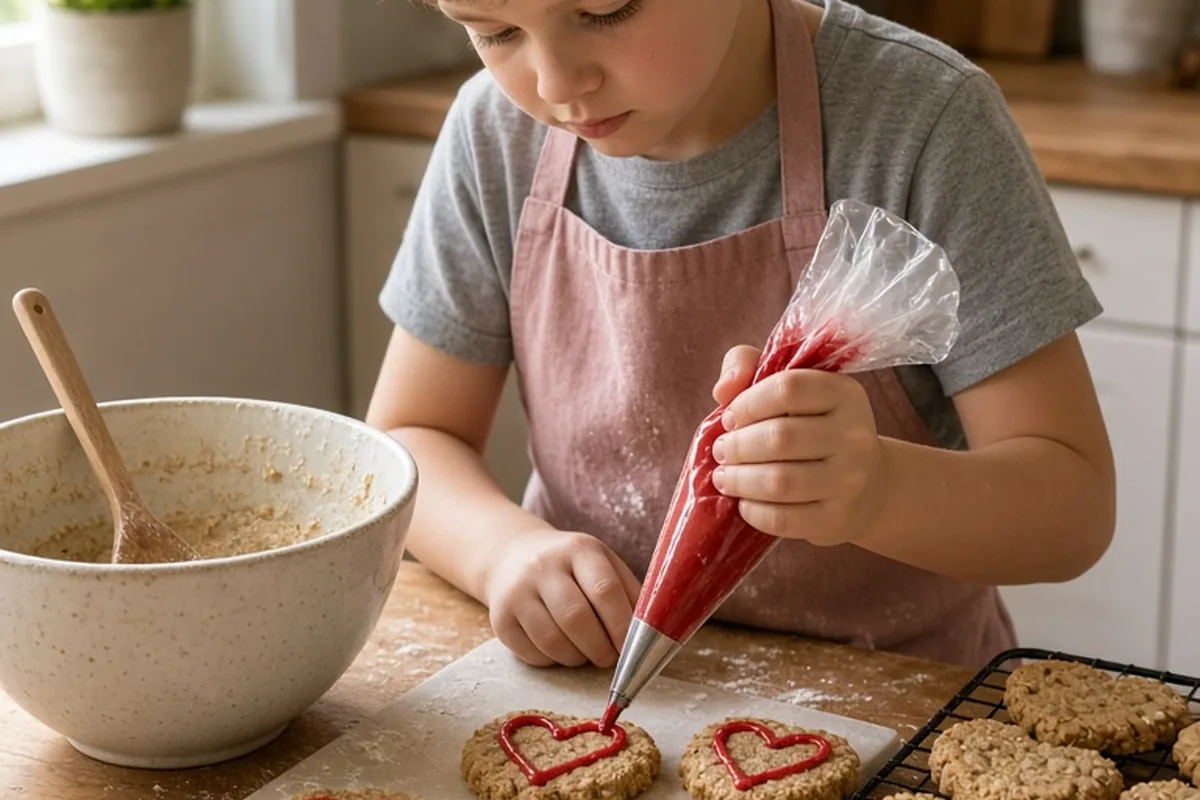
Broadening the holiday's framework helps children understand that expressing care is an active practice rather than merely an exercise in receiving presents. Involving children in preparing small gestures of appreciation for grandparents, crossing guards, or neighborhood pets shifts their focus outward. Children can spend an afternoon baking heart-shaped oat cookies or decorating handmade postcards to deliver to residents at a local assisted-living community, learning firsthand that their creative efforts bring comfort to others.
When guiding children through acts of giving, keep the scope manageable so the project remains joyful rather than demanding. Forcing an elementary schooler to handwrite thirty elaborate cards in a single sitting can lead to fatigue and resentment. Break giving activities into short, twenty-minute craft sessions, and let the child dictate the colors, themes, and personalized messages so their participation remains genuine and self-directed.
Frequently asked questions
How much should I spend on a Valentine's Day gift for my child?
Most families find that spending between ten and thirty dollars is entirely adequate to provide a meaningful and festive gift. Because Valentine's Day is a secondary gifting holiday, keeping spending modest helps maintain clear distinctions between everyday holidays and major milestones like birthdays or winter celebrations.
What are good non-candy alternatives for school Valentine exchanges?
Practical stationery supplies make excellent alternatives to sweets, including shaped erasers, scented pencils, mini sticker sheets, and bookmarks. You can also consider small physical items like pop-fidget keychains or small containers of play dough, which keep classmates entertained without allergen concerns.
How can I celebrate Valentine's Day with an older tween or teen without embarrassing them?
Focus on subtle, mature gestures that respect their autonomy, such as gifting a gift card to their favorite coffee shop, a portable charger, or high-end personal care items. Keep verbal affirmations genuine and casual rather than overly dramatic, giving them space to enjoy the gesture on their own terms.
What should I do if extended family members give my kids excessive candy?
Acknowledge the relative's warm intentions politely, and then work with your child to sort their treats into categories. Allow them to pick a few favorites to enjoy over the next few days, and quietly freeze the remainder or incorporate them into occasional weekend baking projects to spread consumption out over time.
Your next step
Take twenty minutes this week to observe your child's current routines and choose a single, practical gift or shared family activity that aligns directly with their personal interests.