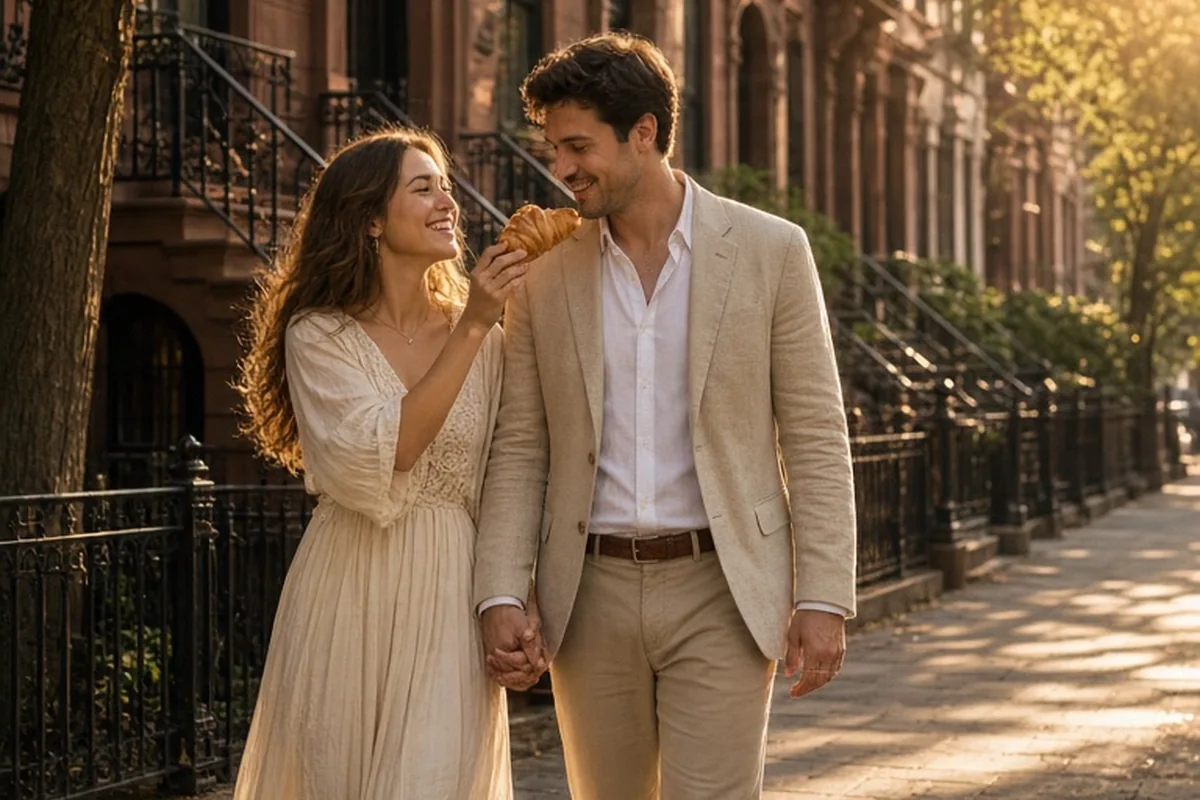
Engaging Valentine's Day photoshoot ideas range from cozy at-home lifestyle sessions and vibrant monochromatic studio portraits to golden-hour outdoor walks and retro Galentine celebrations. Successful shoots rely on cohesive color palettes—such as blush, burgundy, cream, or bold crimson—intentional natural or warm lighting, meaningful props like vintage glassware or handwritten notes, and candid posing that captures genuine connection.
Planning a Valentine's Day photoshoot is an engaging way to commemorate a romantic milestone, celebrate friendships, or practice creative self-portraiture. Whether you are working with a professional photographer or setting up a smartphone tripod at home, thoughtful planning around themes, lighting, and wardrobe ensures the final images feel authentic rather than staged.
Cozy At-Home Lifestyle Concepts
At-home lifestyle photography captures relaxed, genuine intimacy by utilizing familiar personal surroundings rather than artificial backdrops. Designing a session around shared everyday rituals—such as brewing morning espresso together, baking heart-shaped pastries, or reading on a sunlit sectional—creates a comfortable atmosphere where subjects naturally let down their guard. Using a living room or kitchen allows couples and individuals to interact naturally with their environment. For instance, setting up a casual record-listening corner with scattered vinyl records, plush throw blankets, and warm ceramic mugs provides effortless tactile props that keep hands busy and reduce camera stiffness.
To make an indoor space look polished on camera, declutter the background thoroughly before shooting, leaving only intentional decorative elements that support the aesthetic. Position the main activity near large windows to take full advantage of soft, indirect daylight, which creates flattering skin tones and gentle shadow transitions. If you are shooting in low-light conditions during the evening, supplement ambient light with warm lamp sources or subtle string lights positioned slightly out of focus in the background. A common limitation of at-home shoots is confined spatial depth, which can make wide-angle shots look cramped; to counter this, shoot from adjacent doorways or use medium-range focal lengths to compress the perspective and focus tightly on emotional expressions.
Bold Studio Color Blocks and Editorial Aesthetics
For those seeking a modern, high-fashion aesthetic, studio environments offer complete control over lighting, color saturation, and framing. A monochromatic color block concept—pairing seamless crimson, rose pink, or deep plum paper backdrops with matching or sharply contrasting tailored outfits—produces striking, editorial-quality portraits. This approach shifts the focus toward clean silhouettes, structural garments, and graphic visual balance. For example, wearing an oversized monochromatic suit against a matching blush background creates a sophisticated high-fashion look that feels distinct from traditional romance tropes.
Studio settings also make it easy to incorporate directional strobe or softbox lighting to sculpt subjects and emphasize dramatic textures like satin, velvet, or tulle. Incorporating high-concept props such as oversized acrylic hearts, mirrored pedestals, or sculptural floral arrangements introduces visual interest without cluttering the frame. However, studio rentals and professional lighting equipment introduce noticeable budget considerations and technical learning curves. If booking a commercial studio is impractical, you can replicate this clean editorial look at home by taping wide rolls of colored seamless paper or matte fabric to an open wall and positioning a diffused softbox or umbrella light at a forty-five-degree angle.
Golden Hour Outdoor and Urban Environments
Outdoor photoshoots leverage the dynamic energy of natural environments or architectural backdrops, lending movement and spontaneous charm to Valentine's portraits. Scheduling sessions during the golden hour—the sixty minutes just after sunrise or right before sunset—bathes subjects in flattering, warm directional light that enhances skin tones and creates soft natural lens flares. Locations like botanical conservatories, tree-lined park paths, historic town squares, or scenic waterfront promenades provide rich environmental textures that complement romantic compositions. For instance, capturing a couple walking hand-in-hand past vintage brownstones while sharing a warm pastry creates a cinematic, narrative feel that static poses cannot match.
Incorporating movement is the most effective way to keep outdoor portraits looking organic and unforced. Photographers often prompt subjects to walk slowly toward the camera, spin gently, or share a private joke while in motion, which naturally prevents stiff posture. The trade-off with outdoor photography is its vulnerability to unpredictable weather conditions, fluctuating natural light, and crowded public spaces. To manage these variables, scout locations in advance during the exact time of day you plan to shoot, identify sheltered secondary spots like covered colonnades or aesthetic café patios, and carry a portable reflector to bounce light into shadowed faces when ambient conditions turn overcast.
Dynamic Galentine Group Themes and Styling
Galentine's Day photoshoots celebrate friendship through vibrant, lighthearted themes that prioritize joy, shared laughter, and collective styling. Organizing a shoot around a defined visual motif—such as a retro nineties slumber party, an outdoor French garden picnic, or an afternoon tea party—gives the session cohesion while letting individual personalities shine. Setting up a low picnic table layered with lace tablecloths, vintage champagne coupes, fresh strawberries, and pastel taper candles instantly establishes a festive ambiance. For example, coordinating a palette of complementary pastels, where each friend wears a distinct shade of lavender, peach, or baby blue, prevents the group from looking overly uniform while maintaining visual harmony in wide group compositions.
Posing groups successfully requires varying elevations and staggering positions to create visual depth and avoid flat, school-portrait lineups. Arrange some individuals seated on floor cushions or chairs while others lean casually over sofa backs or sit on armrests, creating diagonal lines across the frame. Providing interactive activities, such as toasting with sparkling cider, snapping instant film cameras, or opening playful gift boxes, encourages genuine candid expressions. The primary logistical challenge of group shoots involves coordinating schedules, wardrobes, and styling preferences among multiple participants. Appointing one person to create a simple digital mood board with sample color swatches beforehand ensures everyone arrives with aligned expectations and cohesive attire.
Solo Self-Love and Creative Portraiture
Valentine's Day provides a meaningful opportunity for solo self-love portraiture, celebrating personal milestones, confidence, and creative expression. Solo sessions allow complete artistic freedom to experiment with unique visual techniques that might feel intimidating in a shared shoot. Exploring concepts like floral face framing, vintage mirror reflections, or dreamy prism light refraction can turn a personal portrait into a work of art. For instance, positioning an ornate antique hand mirror on a table to capture a close-up reflection of your eyes framed by fresh rose petals creates a poetic, intimate image that emphasizes quiet contemplation and personal beauty.
Executing a solo portrait session independently is straightforward with modern technology. Using a sturdy tripod paired with a Bluetooth shutter remote or camera-control smartphone app allows you to preview framing and trigger the shutter without rushing back and forth on a mechanical timer. When posing alone, focus on subtle micro-movements: gently adjusting a collar, shifting gaze slightly away from the lens, or creating soft angles with elbows and wrists to avoid static silhouettes. The main challenge of solo shooting is the absence of real-time posing feedback from behind the camera; overcome this by taking several test shots to check lighting, focus, and posture before committing to extended continuous shooting series.
Thoughtful Prop Selection and Styling Harmony
Thoughtfully chosen props elevate Valentine's Day photography from generic seasonal snapshots to curated, timeless visuals. Rather than relying on disposable novelty items like plastic heart glasses or foil balloons, select tactile, narrative-driven elements that add texture and realism to the frame. Items such as handwritten love letters on parchment, artisanal chocolate boxes, vintage 35mm cameras, fresh botanical stems like ranunculus and garden roses, or silk ribbon streamers provide organic elegance. For example, holding a single sculptural stem of calla lilies against a minimalist linen dress offers a refined, understated nod to romance that will remain visually appealing for years.
Wardrobe coordination should focus on complementary tonal harmony rather than identical matching outfits, which can look dated and visually flat. Select a primary neutral base—such as ivory, camel, or slate—and accent it with one or two romantic tones like dusty rose, deep terracotta, or wine. Pay close attention to clothing fabric textures; mixing ribbed knits with silk, velvet, or crisp cotton adds depth and catches light dynamically on camera. A potential drawback of over-accessorizing is that props can easily distract from the subjects' emotional connection. Use props intentionally as interactive tools to facilitate natural movement rather than allowing them to become the central focal point of every photograph.
Frequently asked questions
How far in advance should I plan or book a Valentine's Day photoshoot?
Professional photographers generally experience high demand around mid-February, making it wise to book three to six weeks in advance. For do-it-yourself home sessions, planning props, wardrobe, and location two weeks ahead gives ample time to source materials and test your camera setup.
What colors work best for Valentine's Day portraits besides bright red and pink?
Rich jewel tones like burgundy, emerald green, and deep plum pair exceptionally well with soft neutrals such as cream, taupe, and oat. Earthy terracotta, dusty rose, and muted mauve also provide an understated, romantic palette without looking overly bright or saturated on camera.
How can we look natural and avoid feeling awkward during a couple's photoshoot?
Focus on shared activities and gentle movement rather than holding rigid poses facing directly into the lens. Walking together, whispering a joke, or interacting with a simple prop like a coffee mug naturally shifts attention away from the camera and produces authentic facial expressions.
What camera equipment is necessary for shooting high-quality Valentine's photos at home?
A modern smartphone or entry-level mirrorless camera mounted on an adjustable tripod is sufficient for high-quality home portraits. Adding a simple Bluetooth shutter remote and positioning your setup facing a large natural window ensures crisp focus, steady framing, and balanced lighting.
Your next step
Select your preferred photoshoot concept and assemble a simple visual mood board with your target color palette, prop checklist, and location ideas before scheduling your session.