To create an effective video dating profile, record in natural front-facing light with crisp audio, keep clips between fifteen and thirty seconds, and focus on one specific hobby or conversational prompt. Speak naturally to the lens as if greeting a friend, avoiding rigid memorized scripts or heavy filters so matches experience your genuine conversational rhythm and warmth.
A short video clip bridges the gap between static photos and an in-person meeting by revealing your voice, humor, and natural presence. Approaching video with simple preparation helps you stand out comfortably without feeling like an audition.
Prioritizing Clean Lighting and Audible Sound
Lighting and audio quality dictate whether viewers feel invited into your world or alienated by dark, muffled footage. Natural daylight facing a window softens facial features and eliminates harsh shadows under your eyes, while backlighting turns you into a dark silhouette. Test your environment first by recording a five-second sample; built-in phone microphones easily pick up loud background hums from air conditioners, street traffic, or echoey tiled bathrooms that ruin an otherwise great visual.
For example, placing your phone on a stable surface at eye level near a living room window around mid-morning creates soft, clean clarity without buying studio equipment. A common mistake is walking outside on a gusty afternoon without an external microphone; the resulting wind distortion makes your words impossible to decipher. If you cannot shoot in daylight, a simple warm desk lamp placed slightly behind the phone screen works far better than an overhead ceiling light.
Selecting Backgrounds That Tell a Contextual Story
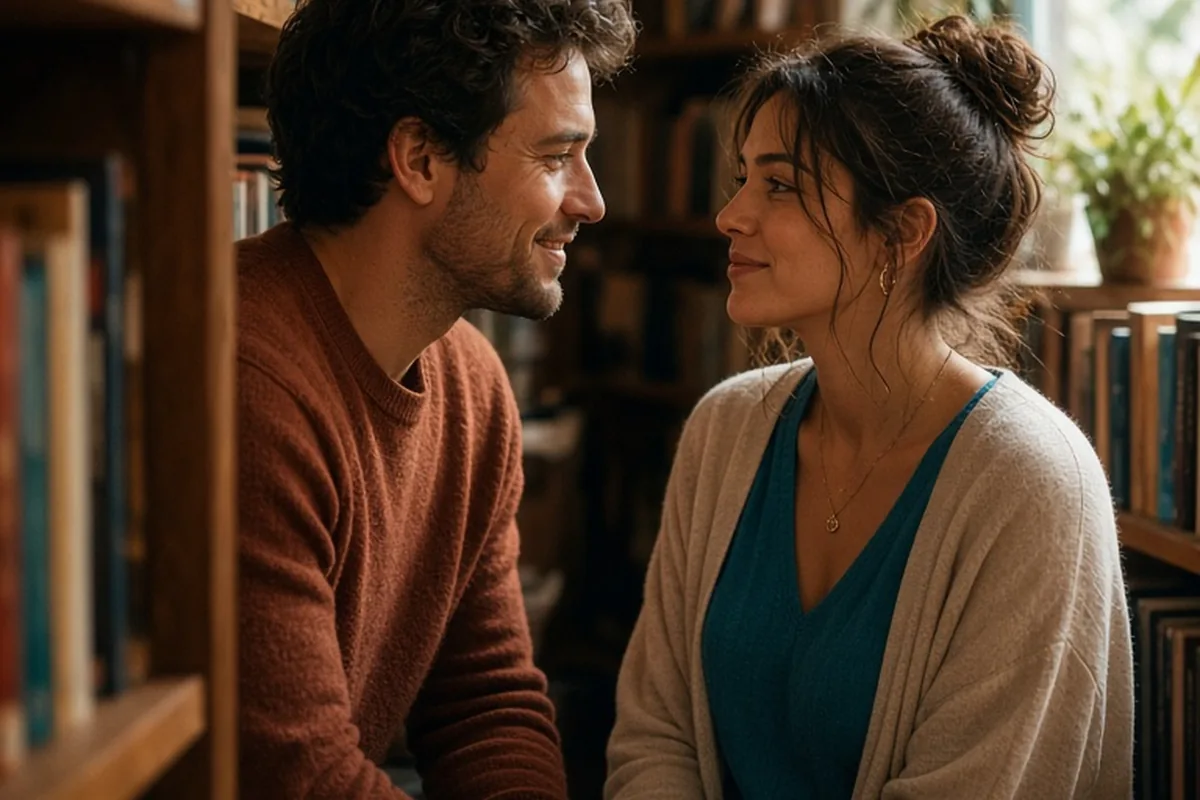
The environment behind you communicates your lifestyle and interests just as clearly as your words. A tidy corner of your kitchen, a favorite bookshelf, or a sunny balcony offers visual texture that gives prospective matches easy conversational hooks. Cluttered bedrooms, unmade beds, or stark white walls tend to either distract the viewer or feel sterile, stripping away personal character.
Consider framing a shot where you are sitting at a clean dining table holding a coffee mug or leaning against a workbench with your current woodworking project in the background. This subtle staging provides immediate proof of who you are without requiring you to list your traits out loud. The trade-off to watch for is over-staging; a backdrop that looks like a curated commercial set can come across as guarded or performative rather than approachable.
Structuring What You Say Without Memorizing a Script
Memorized speeches often sound robotic, while completely unplanned rambling leads to awkward pauses and trailing sentences. A reliable middle ground is selecting a single prompt—such as explaining a quirky weekend routine, answering a playful app question, or sharing what makes you laugh—and outlining two key points in your head before hitting record. Keep your delivery conversational, focusing on conveying your normal talking cadence rather than delivering a polished sales pitch.
For instance, instead of listing generic adjectives like adventurous or spontaneous, tell a ten-second anecdote about trying to cook a complex pasta dish from scratch and failing gracefully. This shows humility, humor, and narrative style in real time. Remember that trying to cover your entire life story in a brief prompt video will only rush your speech; picking one specific snapshot leaves the viewer curious to learn more in text chat.
Incorporating Natural Movement and Hobbies
Dynamic video clips capture attention because they break the monotony of stationary selfie angles. Capturing three to five seconds of you tuning a guitar, chopping fresh vegetables, hiking up a scenic trail, or playing with your dog provides undeniable proof of vitality and engagement with the real world. Viewers get a direct window into what spending an afternoon with you actually feels like.
To execute this effectively, ask a friend to take a brief candid video during an outing, or set your phone against a water bottle on a bench while you practice a recreational sport. Keep the motion gentle and focused on the activity rather than spinning the camera around erratically. A frequent pitfall is using disorienting action-cam footage with rapid cuts or loud background music, which obscures your face and prevents someone from feeling a personal connection.
Calibrating Duration, Pacing, and Screen Energy
Most dating app users scroll quickly, meaning your video must communicate warmth and confidence within the first three seconds. Aim for a total runtime between fifteen and thirty seconds per prompt. Begin with an open expression and direct eye contact toward the camera lens rather than staring at your own reflection on the screen, which makes you appear detached.
For example, open your clip with a friendly smile and dive straight into your thought rather than spending five seconds clearing your throat or adjusting the camera angle. Practice maintaining a steady, relaxed pace of speech, taking comfortable breaths between sentences. If you speak too rapidly out of nervous energy, your clip will feel tense; slow down slightly more than you think is necessary to project calm self-assurance.
Overcoming On-Camera Discomfort and Performance Anxiety
Feeling self-conscious in front of a lens is entirely standard, especially when you know the footage is intended for prospective romantic partners. Many people fall into the trap of recording dozens of takes, picking apart minor facial micro-expressions, and eventually giving up in frustration. Shifting your mental framing from trying to look flawless to aiming for authentic warmth can dramatically reduce this performance pressure.
Treat the camera lens as an individual acquaintance you enjoy catching up with rather than a critical audience judging you. Record three takes maximum, pick the one where your laugh or smile feels most genuine, and upload it without over-analyzing small imperfections. Remember that a slight stumble over a word paired with an easygoing smile often comes across as far more endearing and trustworthy than an over-edited, airbrushed performance.
Illustrative Scenarios
Shifting from Monologue to Everyday Action
Marcus spent hours filming scripted talking-head videos in his bedroom, attempting to deliver the perfect witty summary of his personality. The resulting clips felt stiff and generated few meaningful replies. After realizing the rigid setup made him look tense, Marcus recorded a short clip while brewing pour-over coffee in his sunlit kitchen, casually sharing his search for the city's best bakery. The relaxed body language and clear environmental context sparked multiple conversations about local coffee spots and weekend routines.
Key point: Showing a genuine, everyday moment in a relaxed setting communicates personal warmth far better than a staged speech.
Fixing Distracting Audio and Harsh Lighting
Elena uploaded a video shot while walking along a busy downtown sidewalk. While she felt energized during filming, matches struggled to hear her voice over passing buses and wind noise, and the harsh midday sun created dark shadows across her eyes. She replaced the clip with a quiet, thirty-second video recorded on her balcony in soft late-afternoon light, answering a single prompt about her favorite travel misadventure. Her voice came through clearly, leading to smoother message exchanges about travel stories.
Key point: Clean sound and balanced lighting allow your actual personality and storytelling to stand out without technical distractions.
Frequently asked questions
How long should a dating profile video be?
Keep individual dating video clips between fifteen and thirty seconds. This provides enough time to showcase your natural voice, sense of humor, and cadence without losing the viewer's attention.
Is it better to use a front-facing selfie video or have someone film me?
Both formats can work well when framed properly. A stationary selfie video at eye level works great for short spoken prompts, while having a friend film you engaged in a hobby captures natural movement and candid warmth.
Should I use filters or background music in profile videos?
It is best to avoid heavy beauty filters and loud music overlays. Prospective matches value seeing an accurate visual representation and hearing your clear speaking voice over stylized social media edits.
What if I feel awkward talking directly to a camera?
Focus on answering one simple question as if speaking to a trusted friend. Limiting yourself to two or three takes prevents overthinking and preserves your natural vocal tone and spontaneous smiles.
Your next step
Choose one engaging prompt today, find a well-lit spot near a window, and record a relaxed twenty-second clip sharing a specific personal interest.