Palentine's Day celebrates platonic friendships, mutual support, and community around mid-February. You can celebrate by hosting an intentional dinner party, organizing a collaborative craft or game night, booking a shared outdoor adventure, or sending personalized care packages to long-distance friends. The best celebration matches your group's collective energy, budget, and comfort level, prioritizing meaningful connection and laughter over rigid expectations or expensive commercialized traditions.
While mid-February is traditionally associated with romance, dedicating intentional time to your closest friends honors the platonic bonds that sustain everyday life. Whether your circle consists of lifelong confidants, work buddies, or a creative community, planning a celebration centered on friendship provides a refreshing way to connect without social pressure.
Hosting an Interactive Food and Recipe Exchange at Home
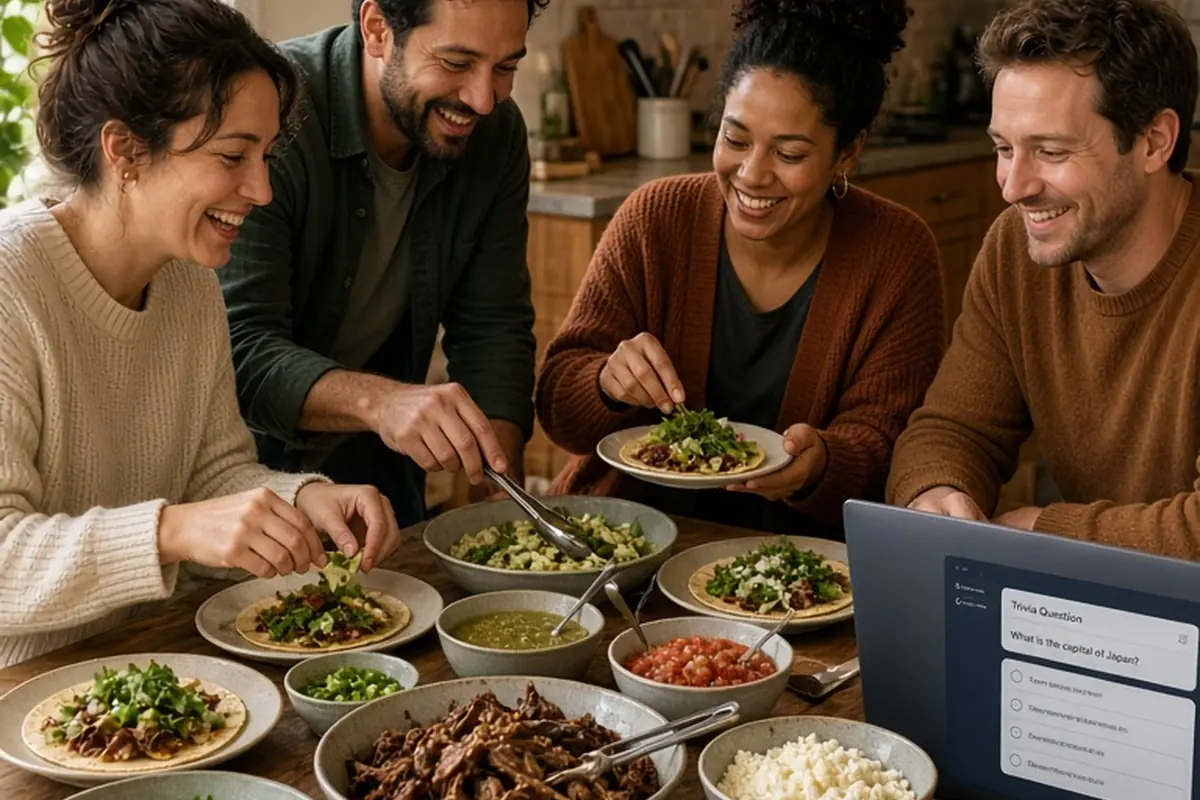
One of the most engaging ways to celebrate Palentine's Day is by centering the gathering around a collaborative meal. Instead of paying inflated holiday prices at crowded restaurants, inviting friends into your kitchen transforms food preparation into the main event. A build-your-own food station works exceptionally well because it naturally accommodates varying dietary preferences and encourages movement. Consider setting up an artisanal taco bar with slow-cooked proteins and fresh salsas, a homemade pizza station with pre-portioned dough rounds and diverse toppings, or a dumpling-folding assembly line where everyone learns a new culinary technique together.
To keep the gathering stress-free for the host, divide responsibilities clearly ahead of time. You might provide the main base ingredients and ask each guest to bring a specific complementary component, such as an appetizer, a distinct beverage pairing, or dessert. You can also turn the meal into a meaningful recipe swap by asking each person to bring a dish that represents a comforting childhood memory or a personal cultural tradition, accompanied by index cards with the written recipe. This creates an immediate conversation starter and allows friends to share stories through the meals they love.
Ensure you ask about food allergies and preferences well in advance so every guest feels considered. Setting out labeled serving utensils and providing clear ingredient markers helps guests with sensitivities relax completely. By keeping the cooking process collective and unhurried, the meal becomes an act of mutual care rather than a high-pressure hosting performance.
Creative and Craft-Focused Group Gatherings
Hands-on creative activities offer a grounding way to spend time together, particularly for groups that include introverted friends or people who feel exhausted by open-ended small talk. Engaging in a tangible project gives hands something to do, naturally reducing conversational pressure and sparking spontaneous laughter. You do not need professional artistic skills to make a craft night successful; the goal is tactile exploration and playful self-expression rather than creating a masterpiece.
Consider organizing an evening of beginner-friendly crafts that require minimal specialized equipment. A flower-arranging workshop using affordable mixed bouquets from a local market lets everyone build their own custom centerpiece to take home. Alternatively, you can purchase air-dry clay for sculpting small jewelry dishes, gather thrifted picture frames for custom painting, or host a collage and vision-board night using old magazines, patterned paper, and glue sticks. Another creative option is a collaborative playlist swap, where each friend contributes three tracks connected to shared memories, and the group listens together while working on their projects.
Set up the workspace with drop cloths or butcher paper across a dining table or living room floor to eliminate worry about messes. Provide plenty of shared basic supplies like scissors, glue, brushes, and markers so no one feels stuck waiting. The tangible keepsake each person takes home serves as a fond reminder of the time spent connecting.
Low-Cost and Outdoor Palentine's Day Adventures
Celebrating friendship does not require a large budget or an elaborate indoor setup. Outdoor and community-oriented outings provide an invigorating change of scenery and allow your group to make fresh memories together. Depending on your local climate, planning an afternoon in nature can be as simple as organizing a scenic group hike along a nearby trail, setting up an insulated thermos picnic in a public park with warm cider, or gathering around a legal beach or backyard fire pit for s'mores and storytelling.
If your group prefers urban exploration, design an intentional neighborhood walking tour. You might map out a route that visits three different independent bakeries to split pastries, browse a multi-story used bookstore where each person picks out an inexpensive paperback for someone else in the group, or visit a local art museum during their free or pay-what-you-wish admission hours. These micro-adventures encourage spontaneous conversation and give you a chance to discover new corners of your community together.
Another meaningful option is participating in a shared community volunteer project. Spending a Saturday morning sorting donations at a local food pantry, walking shelter dogs, or participating in a neighborhood clean-up reinforces shared values. Working side-by-side toward a common goal often creates a deeper sense of connection than conventional social entertainment.
Cozy Low-Energy Evenings and Nostalgic Game Nights
For busy friend groups navigating demanding work schedules or family responsibilities, an intentionally low-energy gathering can be the greatest gift. Setting an explicit expectation of comfort over glamour allows everyone to unwind completely. You can set a loungewear or pajama dress code, pile the living room floor with extra pillows and blankets, and dim the overhead lighting in favor of warm lamps or candles.
Board games and cooperative tabletop games serve as reliable anchors for an easygoing night. Cooperative games where the group works together toward a shared objective eliminate hyper-competitive tension and keep the energy collaborative. If your circle enjoys trivia, create a custom trivia game with rounds tailored to your friend group's inside jokes, pop culture fixations, and shared history. For groups that prefer passive entertainment, a double-feature movie marathon featuring nostalgic comfort films, complete with an elaborate popcorn-topping bar, offers an effortless evening.
The key to a successful low-energy night is removing rigid schedules. Let guests arrive within a flexible time window, make self-serve snacks easily accessible, and establish early on that resting or leaving early carries zero social penalty. When friends know they can show up as their authentic, tired selves, the gathering feels like a genuine haven.
Honoring Long-Distance Friends and Digital Hangouts
Physical distance does not mean your closest friends have to miss out on Palentine's Day celebrations. Long-distance friendships often require deliberate nurturing, and setting aside time for mid-February connection helps bridge geographic separation. With a little planning, digital gatherings can feel just as personal and warm as in-person meetups.
One thoughtful approach is an asynchronous postal exchange. You can organize a secret-friend book or snack exchange where everyone mails a small, carefully chosen item along with a handwritten letter detailing why they appreciate that person. Opening the packages together over a group video call brings the excitement of a shared unboxing moment. Alternatively, send out a shared recipe in advance so everyone can cook the same simple meal in their respective kitchens before joining a virtual dinner party.
If video fatigue is an issue, consider alternative digital formats. You could record a series of heartfelt voice notes answering prompt questions about your favorite shared memories, compile a collaborative photo album spanning your friendship over the past year, or play an online cooperative puzzle game together. Meaningful long-distance connection comes from the intentionality of the gesture rather than the complexity of the technology.
Navigating Budgets, Inclusivity, and Mixed Group Dynamics
Planning a Palentine's Day event often involves bringing together individuals with different financial circumstances, relationship statuses, and personal backgrounds. Thoughtful planning prevents awkwardness and ensures every invited friend feels genuinely welcome. The most critical factor is financial transparency from the very beginning. When pitching an idea, state estimated costs clearly and offer low-cost or free participation options so no one feels forced to decline due to budget constraints.
If you are bringing together friends from different social circles who do not know each other well, design activities that foster natural mingling without forced icebreakers. Interactive cooking, team games, or casual food stations naturally encourage cross-conversation. Be mindful of group conversations as well; while venting about dating or sharing relationship updates is normal, keeping the overarching focus on celebrating friendship and shared interests ensures that single, partnered, and casually dating guests all feel equally included.
Consider logistical constraints like childcare duties, public transit accessibility, and non-alcoholic beverage options. Offering non-alcoholic craft sodas, teas, or mocktails alongside any alcoholic options ensures sober or non-drinking guests feel fully considered. An inclusive atmosphere is built on these small, proactive courtesies.
Clear Invitation Scripts and Coordination Tips
Coordinating group plans can easily stall when invitations are vague or indecisive. Sending a message that provides clear options, dates, and cost expectations makes it easy for busy friends to commit. A direct, low-pressure invitation sets a welcoming tone and eliminates the guesswork often associated with group organizing.
When reaching out to your circle, offer one or two concrete dates and a clear concept rather than an open-ended question. For example, you might write: 'Hey everyone! I would love to get us together for a casual Palentine's Day dinner at my place on either Friday the 13th or Saturday the 14th around 6:30 PM. I will make a big batch of soup and bread; if everyone can bring a favorite side or dessert, we can eat and play a couple of games. Let me know which date works best for you by Wednesday!'
If your plan involves splitting expenses, establish the process upfront: 'Hey team, I found a pottery studio that does group drop-in sessions for fifteen dollars a person. If that fits everyone's budget, let me know by Friday so I can reserve our spots, and you can send your share via app whenever you have a second.' Clear communication prevents financial friction and allows everyone to focus on enjoying each other's company.
Illustrative Scenarios
The High-Stress Dinner Pivot
Marcus wanted to organize a mid-February celebration for six close friends. He initially spent days trying to secure a weekend reservation at a popular downtown restaurant, but rising menu prices and inflexible cancellation policies caused stress among several group members who were on tighter budgets. Recognizing the growing tension, Marcus paused and sent a quick group message proposing an alternative: a casual taco and trivia night at his apartment, where he provided the base ingredients and friends brought toppings and drinks. The group immediately agreed with relief, spending four unhurried hours cooking, laughing, and playing games.
Key point: Swapping an expensive commercial outing for a flexible home-cooked gathering removes financial strain and creates a more relaxed environment for genuine conversation.
The Blended Circle Brunch
Elena wanted to host a Palentine's Day brunch that included both her long-time college roommates and two newer coworkers. She worried that the distinct groups might stay divided or that conversation would feel stiff. To help everyone connect naturally, Elena organized a waffle-decorating bar with various toppings and set out a bowl of lighthearted question cards touching on travel stories, childhood hobbies, and favorite local spots. The interactive food prep gave people an immediate common activity, and the open-ended prompts helped the guests discover shared interests without awkward silences.
Key point: Interactive food stations and low-pressure shared activities help guests from different social circles connect comfortably without forced socializing.
Frequently asked questions
When is Palentine's Day officially celebrated?
Palentine's Day is commonly observed on February 13th, the day before Valentine's Day, but it is flexible. Many friend groups celebrate on the nearest weekend or any evening in mid-February that best accommodates everyone's work and personal schedules.
What is the difference between Galentine's Day and Palentine's Day?
Galentine's Day originally popularized the celebration of female friendships, whereas Palentine's Day is an inclusive, gender-neutral alternative that welcomes any combination of friends, partners, and community members regardless of gender.
How can I celebrate if I only have one or two close friends nearby?
A small celebration can be deeply rewarding. Plan a low-key one-on-one activity such as visiting a cozy coffee shop, taking a walk through a botanical garden, cooking an elaborate new recipe together, or trading favorite books.
Should guests exchange gifts during a Palentine's Day gathering?
Gifts are entirely optional and should not feel like an obligation. If you want to include gift-giving, consider setting a strict five-dollar limit, organizing a white-elephant style book swap, or focusing on consumable homemade treats and handwritten notes.
Your next step
Send a quick message to your friends today proposing two flexible dates and a low-stress activity format to see what matches everyone's current energy and availability.