Most men want to feel respected, genuinely liked, and emotionally safe with a partner—not just physically attracted to. They tend to value clear communication, shared enjoyment, and a sense that they are accepted rather than constantly evaluated. These are not universal rules, but they reflect common patterns worth understanding when you are trying to build or improve a real connection.
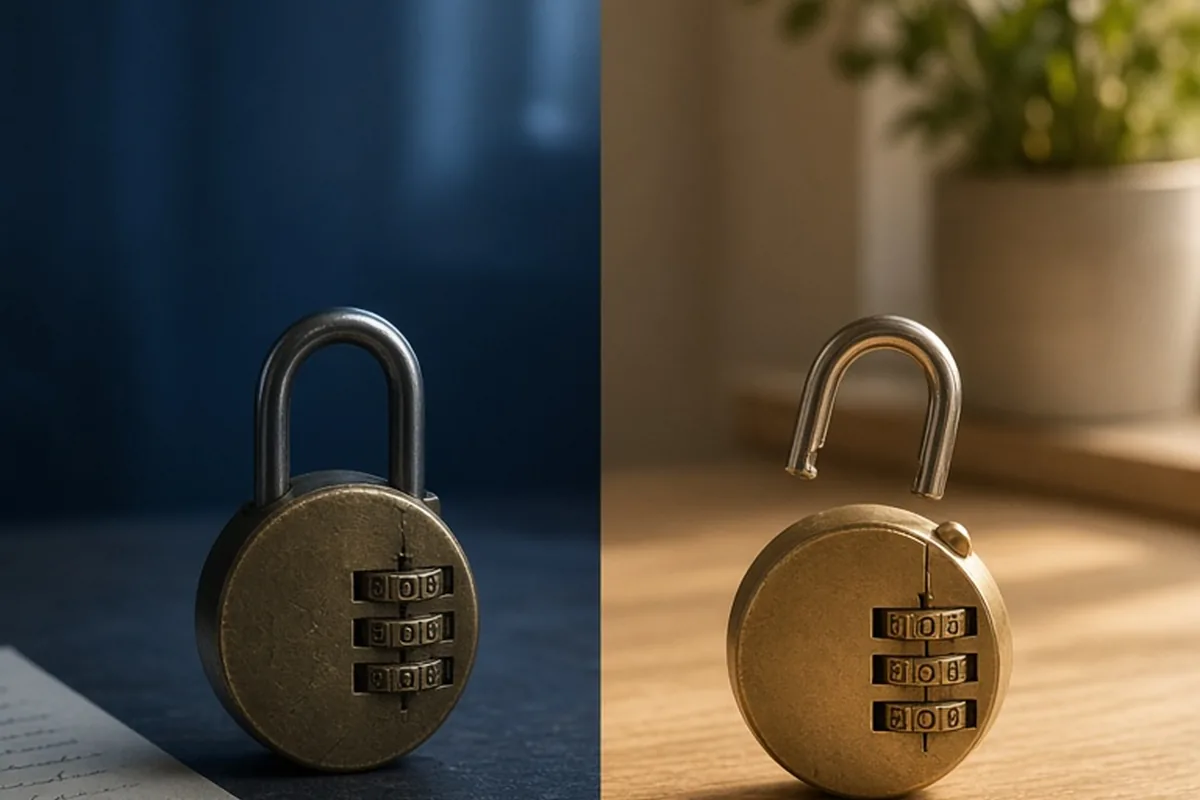
Trying to figure out what someone wants can feel like guessing at a combination lock. But when you step back from the noise of dating advice and look at what men actually say matters to them, a clearer picture emerges—one that is less about tricks and more about the kind of relationship most people, regardless of gender, are quietly hoping for.
Respect That Feels Real, Not Performed
One of the most consistent things men describe wanting is to feel genuinely respected—not in a formal or deferential way, but in the everyday sense of having their opinions heard, their efforts noticed, and their time treated as valuable. This is different from flattery. A man can usually tell the difference between someone who appreciates him and someone who is managing him. The former builds trust; the latter quietly erodes it.
Respect in practice looks like not interrupting him mid-thought during a disagreement, acknowledging when he does something well without immediately pivoting to what he could do better, and taking his preferences seriously even when they differ from yours. It does not mean agreeing with everything he says. Respectful disagreement—where both people feel heard—is actually a sign of a healthy dynamic, not a threat to it.
Being Genuinely Liked, Not Just Tolerated
There is a meaningful difference between a partner who is attracted to you and a partner who actually likes you as a person. Men often describe wanting to feel that the woman they are with enjoys their company—their humor, their quirks, their way of seeing the world—rather than simply tolerating those things in exchange for the relationship itself. That sense of being genuinely liked is one of the quieter but more powerful forms of intimacy.
This shows up in small moments: laughing at something he finds funny because you actually find it funny too, asking follow-up questions about something he cares about, or choosing to spend time with him when you could easily be doing something else. None of this requires pretending to share interests you do not have. Authenticity matters more than performance. If you genuinely like him, let that show. If you are still figuring out whether you do, that is worth paying attention to.
Emotional Safety and the Freedom to Be Honest
Many men are socialized to suppress emotional expression, which means that when they do open up, the response they receive carries a lot of weight. If sharing a worry or a disappointment is met with dismissal, ridicule, or a pivot to criticism, most men will simply stop sharing. Over time, that silence can look like emotional unavailability—but it often started as self-protection. Creating a space where honesty feels safe is one of the most valuable things a partner can offer.
Emotional safety does not mean shielding him from all difficult conversations. It means that when hard things come up, they are handled with care rather than weaponized. Practically, this looks like not bringing up his past vulnerabilities during arguments, not mocking things he has confided, and responding to his feelings with curiosity rather than judgment. Men who feel emotionally safe with a partner tend to be more communicative, more affectionate, and more willing to work through conflict—which benefits both people.
Clear Communication Over Mind Games
Despite the stereotype that men are poor communicators, most men say they strongly prefer directness in a partner. Ambiguity is exhausting. When a woman says she is fine but clearly is not, or hints at what she wants without saying it, many men feel set up to fail—and repeated cycles of that can make a relationship feel like a test they cannot pass. Saying what you mean, even when it is uncomfortable, is almost always more effective than hoping he will figure it out.
This goes both ways. Directness also means being willing to hear what he says at face value rather than searching for hidden meanings. If he says he needs an hour to decompress after work, that is probably what he means. If he says he is not ready for something serious, that is worth believing. Clear communication is not just a preference—it is the foundation that makes everything else in a relationship easier to navigate.
Physical Affection and Intimacy as Connection
Physical affection matters to most men, but the way it matters is often more nuanced than it gets credit for. Many men describe physical touch—not just sex, but everyday contact like a hand on the shoulder, a hug that lingers, or sitting close—as a primary way they feel loved and connected. When physical affection disappears from a relationship, men often interpret it as emotional withdrawal, even if that is not the intention.
Understanding this can help you communicate more intentionally. If you are going through a period of lower physical energy or interest, naming that—rather than simply pulling back without explanation—can prevent a partner from misreading the situation. Equally, if physical intimacy is something you want more of, saying so directly is more effective than hoping he will initiate. Intimacy works best when both people feel free to express what they want and to hear what the other person needs.
Shared Fun and a Partner Who Enjoys Life
Men frequently describe wanting a partner who brings energy and enjoyment to shared time—not someone who is relentlessly positive, but someone who can be present and engaged rather than distracted or disengaged. This is less about personality type and more about investment. A person who is genuinely curious, willing to try new things, and capable of finding humor in ordinary moments tends to make a relationship feel alive rather than routine.
This does not mean you need to love everything he loves. But showing up with genuine enthusiasm for the things you do share—whether that is a weekend hike, a favorite restaurant, or a running joke between the two of you—signals that you value the time you spend together. Men who feel like their partner is actually enjoying being with them tend to invest more in the relationship, plan more thoughtfully, and feel more motivated to make their partner happy in return.
Acceptance Without the Constant Pressure to Change
One of the most common complaints men raise in relationships is feeling like a project—as though they are being improved toward some ideal version of themselves rather than accepted as they are. There is a real difference between encouraging a partner's growth and treating his current self as insufficient. The former feels supportive; the latter feels like conditional love. Most men are more willing to grow and change when they feel accepted first.
This does not mean ignoring genuine problems or staying silent about things that matter to you. It means leading with acceptance and raising concerns as specific issues rather than as character indictments. Saying 'I felt dismissed when you checked your phone during dinner' is very different from 'You never pay attention to me.' The first opens a conversation; the second closes one. Men who feel fundamentally accepted by their partners tend to be more open to feedback, not less.
Loyalty and the Sense of Being Chosen
Loyalty is something most men name as deeply important—not in a possessive sense, but in the sense of knowing that their partner is genuinely on their side. This includes speaking well of him to others, not undermining him in public, and being someone he can trust with private information. It also includes the quieter form of loyalty that comes from choosing him consistently—not because there are no other options, but because he is the one you want.
That sense of being chosen is more powerful than it might sound. In a world where options feel endless and commitment can feel fragile, a partner who makes it clear—through actions more than words—that she is here by choice rather than default creates a kind of security that makes men more willing to be vulnerable, more generous, and more committed in return. Loyalty is not about ownership; it is about trust, and trust is the foundation everything else is built on.
Illustrative Scenarios
The Quiet Withdrawal
Priya had been dating Marcus for four months when she noticed he seemed more distant. She assumed he was losing interest and responded by pulling back herself—texting less, making fewer plans, waiting to see if he would chase her. He did not, and the relationship quietly fizzled. Later, a mutual friend mentioned that Marcus had been going through a stressful period at work and had interpreted Priya's withdrawal as a sign she was done. Neither person said what was actually happening. A simple 'You seem a little off lately—everything okay?' might have opened the door both of them were waiting for the other to open first.
Key point: Pulling back to protect yourself can look identical to pulling back because you are done. When something feels off, naming it directly is almost always more effective than mirroring the distance.
The Criticism That Landed Wrong
Danielle genuinely cared about her boyfriend, Jordan, and wanted him to succeed. She regularly offered suggestions—about his career, his friendships, his habits—because she saw his potential. Jordan started to dread their conversations, feeling like he was always falling short. He never said anything, but he began spending more time with friends who simply enjoyed his company. When Danielle finally asked why he seemed checked out, he struggled to explain it without sounding ungrateful. What he eventually said was: 'I just want to feel like you like me the way I am, not the way I could be.' That sentence changed how Danielle framed her care.
Key point: Encouragement and criticism can look similar from the outside but feel very different to the person receiving them. Leading with appreciation before raising concerns makes a real difference in how the message lands.
Frequently asked questions
Do all men want the same things in a relationship?
No. Men vary widely in personality, background, attachment style, and what they prioritize in a partner. The patterns described here reflect common themes, not universal rules. The most reliable way to know what a specific person wants is to ask him and pay attention to how he behaves over time.
Is physical attraction the most important thing to men?
Physical attraction often plays a role in initial interest, but most men describe emotional connection, trust, and genuine compatibility as more important for long-term satisfaction. A relationship built primarily on physical attraction without those other elements tends to feel hollow over time, for both people.
How do I find out what a specific man wants without making it awkward?
Asking directly is usually the most effective approach, and it does not have to be a heavy conversation. Questions like 'What matters most to you in a relationship?' or 'What makes you feel most appreciated?' tend to open honest dialogue. How someone answers—and whether they ask you the same in return—tells you a lot.
What if what he wants conflicts with what I need?
That is worth taking seriously rather than trying to bridge with compromise that leaves both people unsatisfied. Some differences are workable with honest communication; others are genuine incompatibilities. Knowing the difference early saves both people time and emotional energy.
Your next step
This week, pick one moment to say something you have been hinting at instead of stating directly—whether it is appreciation, a concern, or something you want more of. Notice how the conversation changes when you lead with honesty instead of hoping the other person will read between the lines.