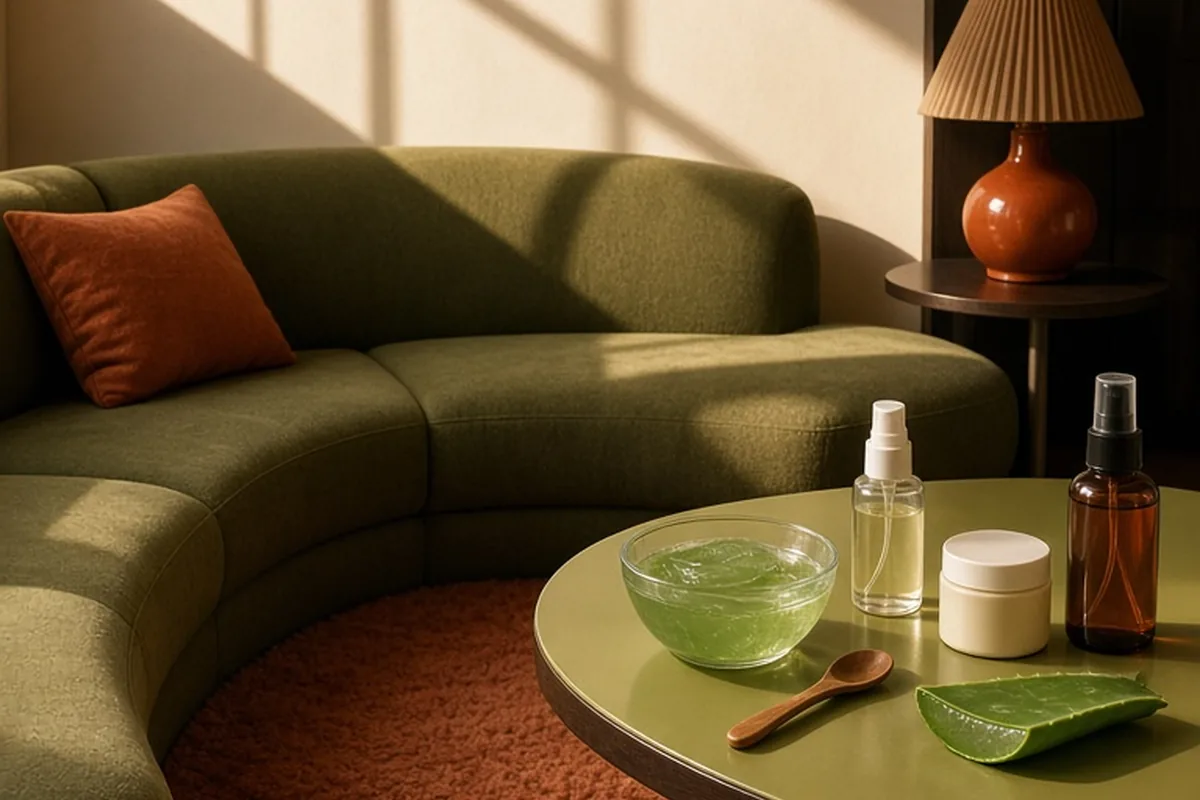
If you run out of commercial makeup primer, you can use a lightweight moisturizer, pure aloe vera gel, broad-spectrum sunscreen, or a hydrating setting spray applied before foundation. The best substitute depends on your skin type and foundation formula, focusing on creating a hydrated, smooth surface that grips pigment without causing pilling, excess oiliness, or midday makeup breakdown.
Preparing your skin before applying complexion products determines how smoothly your makeup blends and how well it resists fading throughout the day. While dedicated cosmetic primers rely on specialized polymers and silicones to blur texture and extend wear time, several everyday skincare items can deliver a balanced, receptive canvas when chosen and applied thoughtfully.
Lightweight Moisturizers and Hydrating Gels as Daily Substitutes
A well-formulated daily moisturizer is the most reliable and skin-friendly alternative to a traditional makeup primer. Primers primarily work by smoothing uneven skin texture and establishing a balanced moisture barrier so foundation does not sink into dry patches or slide off oily zones. When you use an oil-free, water-based lotion or gel moisturizer, the humectants draw water into the upper layers of the skin, plumping fine lines and leaving a slightly tacky finish that naturally grips liquid and cream foundations.
To make a moisturizer perform like a primer, the application technique is critical. Cleanse your skin thoroughly, apply a nickel-sized amount of moisturizer, and gently press it across your face and neck. The most important step is patience: allow the product three to five full minutes to settle and absorb completely before introducing foundation. If you apply foundation while your moisturizer is still wet, the two formulas will mix on the skin, diluting your coverage and potentially causing the base to separate within hours.
Look for specific qualities in your everyday moisturizer to ensure it performs well under makeup without destabilizing your base products.
- Fast-absorbing gel or lotion consistency that leaves no greasy residue
- Humectant-rich ingredients such as hyaluronic acid, glycerin, or sodium PCA
- Absence of heavy occlusives like mineral oil or thick plant butters that can break down foundation pigments
Pure Aloe Vera Gel for Natural Grip and Surface Balancing
Pure aloe vera gel is a popular standalone alternative for makeup primer because of its natural astringent and film-forming properties. As aloe vera dries down on the skin, it forms a sheer, flexible layer with a mild surface tackiness that mimics the grip of water-based cosmetic primers. This makes it especially useful for individuals with combination or oily skin who want their foundation to cling securely without adding heavy emollient layers.
To use aloe vera as a base prep step, dispense a dime-sized amount of clear, cosmetic-grade aloe gel and smooth a thin, uniform layer across your face. Wait about sixty seconds until the gel feels slightly tacky to the touch rather than wet, and immediately begin stippling your foundation over top using a damp sponge or dense brush. Be cautious not to apply too thick of a layer; excessive aloe gel can dry down into a brittle film that pills, cracks, or flakes off when buffed vigorously with a makeup brush.
When selecting an aloe product for makeup preparation, verify the ingredient list carefully. Many retail aloe gels contain high percentages of alcohol, artificial green dyes, or heavy fragrances designed for body sunburn relief, all of which can irritate facial skin and compromise your makeup finish. Opt for unscented, pure formulations with minimal additives.
Broad-Spectrum Sunscreen as a Protective Smoothing Canvas
Daily sunscreen is already an essential morning skincare step, but many modern sunscreen formulations double effectively as smoothing makeup primers. Sunscreens formulated with chemical filters or hybrid mineral blends often contain emollient carriers and film-forming agents designed to hold UV filters evenly across the skin. These same mechanisms help create a uniform, velvety base that allows foundation to glide effortlessly across pores and dry areas.
Sunscreen types offer distinct advantages depending on your desired finish. Fluid chemical sunscreens tend to impart a natural, dewy radiance that works well under matte or medium-coverage foundations that might otherwise look flat. Conversely, sunscreens formulated with zinc oxide or silica naturally provide a semi-matte, sebum-absorbing finish that keeps oily t-zones balanced throughout the day.
The trade-off with using sunscreen as a primer lies in dry-down time. Sunscreens must form a continuous protective film on the skin to provide their stated SPF rating. Rushing to apply foundation over freshly applied sunscreen disrupts this protective barrier and can cause streakiness or patchiness. Allow your sunscreen at least five to seven minutes to fully set and dry down before tapping on your foundation.
The Reverse Setting Spray Technique for Extended Makeup Wear
Using a makeup setting spray before applying foundation—often called the reverse setting spray method—is one of the most effective ways to mimic the performance of a high-end grip primer. Setting sprays rely on specialized polymers, such as PVP or acrylates copolymers, suspended in a fine mist. When sprayed onto clean, moisturized skin, these polymers dry down into a microscopic mesh that anchors liquid and powder cosmetics directly to the face.
To execute this technique, complete your standard skincare routine and let your moisturizer absorb. Hold the setting spray eight to ten inches away from your face and apply two to three light, even mists across the entire surface. While the skin is still slightly damp and tacky, immediately apply your liquid foundation using a stippling motion. This bonds the foundation pigments directly to the setting polymers, significantly boosting resistance against sweat, humidity, and natural facial movement.
Keep in mind that this technique locks makeup in place rapidly, which reduces the working time you have to blend out your base. If you are working with a fast-drying, full-coverage matte foundation, work in sections—such as one cheek at a time—so the product blends out smoothly before the setting spray dries entirely.
Targeted Emollients and Balms for Flaking or Extreme Dryness
For individuals dealing with isolated flakiness, eczema flare-ups, or peeling skin around the nose and mouth, conventional primers often cling to rough edges and highlight texture. In these localized scenarios, micro-dosing a rich emollient balm or cosmetic petroleum jelly can act as a smoothing barrier paste that softens dehydrated skin cells and prevents foundation from settling into rough crevices.
The key to this method is extreme precision and moderation. Take an amount no larger than a pinhead onto your fingertip, warm it between your fingers, and gently press it exclusively onto the flaking patch. Avoid rubbing or smearing, which can loosen fragile skin flakes. Once the balm has melted into the surface, lightly tap a cream or liquid foundation over the spot with a damp sponge rather than dragging a brush across it.
Do not apply heavy occlusives across the entire face under foundation as a full-face primer replacement. Heavy ointments do not dry down, meaning foundation placed over large areas of petroleum jelly will slide, break apart within an hour, and dissolve under the slightest friction or warmth.
Viral Primer Hacks to Avoid for Skin Health and Base Integrity
Social media platforms regularly circulate DIY makeup hacks recommending household items as budget primer substitutes, but several of these trends pose significant risks to your skin barrier and makeup longevity. Products like calamine lotion, milk of magnesia, stick deodorant, and hairspray are frequently promoted for extreme oil control or intense hold, but their chemical profiles are incompatible with facial skin.
Calamine lotion and milk of magnesia are highly alkaline drying agents that strip the skin of its natural lipid barrier, triggering severe rebound oil production, peeling, and micro-tears over time. Hairsprays contain high concentrations of drying alcohol, aerosol propellants, and stiff lacquers that clog pores and cause contact dermatitis. Deodorants contain aluminum salts and heavy waxes that trap sweat and bacteria beneath your makeup, often resulting in painful breakouts.
If your primary challenge is controlling intense midday shine, replace risky DIY hacks with balanced, dermatologically safe prep techniques.
- Use oil-absorbing blotting sheets to remove excess surface sebum before starting your makeup application.
- Dust a microscopic veil of translucent setting powder over oily zones before applying liquid foundation (the powder-first method).
- Opt for a gentle niacinamide serum under your moisturizer to help regulate surface oil naturally over time.
Matching Skincare Substitutes to Your Foundation Formula
Even the best makeup primer substitute will fail if its underlying chemical base conflicts with the formulation of your foundation. Complexion products generally fall into two categories: water-based formulas and silicone-based formulas. When a water-dominant base is applied directly over an oil-heavy or silicone-rich skincare substitute, the layers repel each other, causing the foundation to separate into beads, pill, or slide off the skin within hours.
To check compatibility, examine the first three to five ingredients on your foundation bottle. If ingredients ending in -cone, -siloxane, or -methicone appear near the top of the list, your foundation is silicone-based and will pair best with lightweight lotions containing dimethicone or smooth chemical sunscreens. If the first ingredients are primarily water, glycerin, or botanical extracts without prominent silicones, choose aloe vera gel, water creams, or hyaluronic acid serums as your primer alternative.
Performing a quick patch test on the back of your hand can save you significant time. Smooth a drop of your chosen skincare substitute onto your hand, let it sit for two minutes, and blend a drop of foundation over top. If the mixture remains smooth, uniform, and streak-free, the combination is safe to use on your face.
Frequently asked questions
Can I use ice cubes as a makeup primer substitute?
Rubbing an ice cube wrapped in a clean cloth over your face can temporarily reduce puffiness and constrict surface blood vessels, giving the skin a temporarily tightened feel. However, ice does not provide lasting oil control or polymer grip, so any water left on the skin must be blotted completely dry before applying foundation to prevent streaking.
Will using moisturizer instead of primer make my makeup slide off?
A lightweight, oil-free moisturizer will not cause makeup to slide off as long as you give it three to five minutes to absorb before applying foundation. If you use a very heavy, greasy cream or apply makeup while the lotion is still wet, the emollients will dissolve your foundation pigments faster.
Can I mix my primer substitute directly into my foundation?
Mixing a drop of lightweight gel moisturizer or aloe vera gel directly into your liquid foundation creates a sheer, radiant tinted moisturizer. While this saves time and delivers a natural finish, it reduces the overall coverage and wear time compared to layering the products sequentially.
What is the best primer alternative for minimizing the appearance of large pores?
A broad-spectrum sunscreen containing silica or a thin layer of setting spray tapped over bare skin works best for smoothing pores. You can also lightly press a tiny amount of translucent powder into pore-heavy areas before your liquid base to create an instant optical blurring effect.
Your next step
Check your foundation's ingredient list for water or silicone bases, choose a compatible lightweight moisturizer, aloe gel, or sunscreen, and allow it three full minutes to set before applying your makeup.