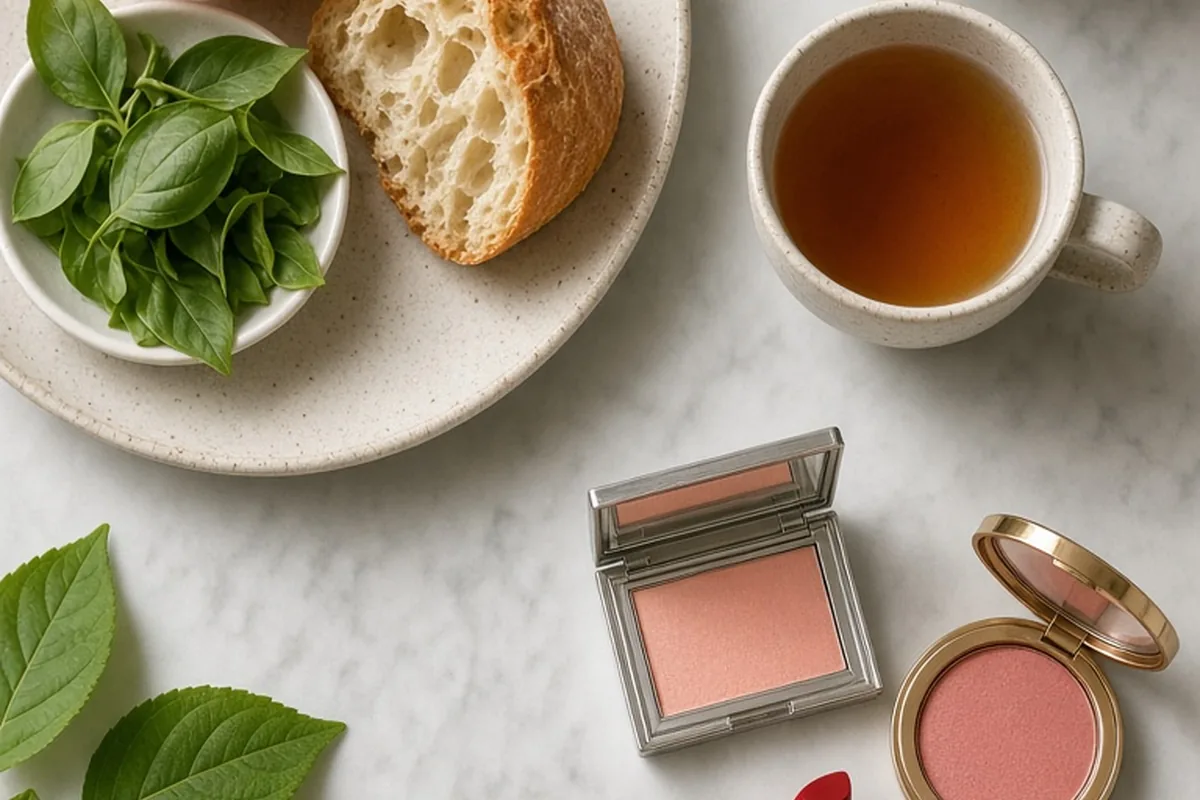
The best blush to wear with red lipstick is a muted neutral nude, a soft peach, a dusty rose, or a sheer layer of the lipstick itself. To create harmony, match the undertone of your blush to your lipstick: pair cool blue-reds with soft rose, warm orange-reds with peach or terracotta, and true reds with neutral beige.
Red lipstick instantly commands attention, making the surrounding makeup choices critical for a cohesive appearance. Choosing the right blush color ensures your complexion looks naturally radiant and structurally defined rather than washed out or visually crowded.
Matching Undertones Between Red Lipstick and Cheek Color
The primary rule for pairing blush with red lipstick centers on undertone compatibility. Red lipsticks generally fall into three distinct color categories: cool-toned reds with blue or pink bases, warm-toned reds with orange, yellow, or brick bases, and balanced true reds that sit right in the middle. When your blush and lipstick share the same underlying temperature, the entire face looks intentional and balanced. If your cheek color clashes with your lip undertone, your makeup can look disconnected or muddy under natural daylight.
To identify your lipstick undertone, swatch it onto the back of your hand or a white tissue. A cool red reveals a slight raspberry, magenta, or cherry cast when sheared out, which pairs seamlessly with muted rose, cool mauve, or soft pink-beige blush. A warm red shows a flame, pumpkin, or burnt cinnamon cast when blended, making it an ideal match for soft peach, warm apricot, or terracotta cheeks. True neutral reds contain an even balance of pigments, giving you the flexibility to wear either neutral tawny tones or subtle soft rose powders.
The Neutral Nude Strategy for Effortless Balance
When in doubt, a muted neutral or tawny nude blush is the safest and most sophisticated pairing for any shade of red lipstick. Neutral blush shades contain balanced proportions of brown, beige, and subtle pink or peach, allowing them to sculpt the cheekbones and restore dimension to the skin without competing for visual dominance. Because the red lip already provides a strong focal point, a nude cheek color keeps the rest of the canvas clean, modern, and understated.
To choose the most flattering nude blush, use your skin depth as your primary guide. Fair to light complexions look best in delicate beige-pinks or soft champagne-sand tones that mimic a gentle natural warmth. Medium and olive complexions thrive in toasted almond, warm biscuit, or rosy-caramel tones. Deep and rich skin tones benefit from warm chestnut, spiced cocoa, or rich bronze-infused nudes that bring definition without appearing ashy or chalky on the skin.
Pairing Peach and Warm Terracotta with Orange-Reds
Warm red lipsticks, such as poppy, chili, brick, and fiery vermilion, call for cheek colors that reflect their golden warmth. A cool pink blush placed against a bright orange-red lip creates high contrast that can distract from the features, whereas peach, warm apricot, and sun-kissed terracotta establish a cohesive, sunlit glow across the face. This pairing is particularly flattering on individuals with warm, golden, or olive complexions, as it enhances natural undertones rather than fighting them.
Application intensity is crucial when working with warm palettes. Because warm tones carry noticeable pigment, start with a light hand using a fluffy, loosely packed brush. Swirl the product onto the high points of your cheekbones and diffuse it upward toward the temples to lift the face. For an everyday daytime appearance, choose a sheer satin peach; for evening wear or deeper complexions, lean into rich terracotta or burnt spiced orange applied softly along the cheek contours.
Wearing Muted Rose and Mauve with Cool Blue-Reds
Cool-toned red lipsticks, including classic ruby, crimson, scarlet, and berry-reds, create a crisp, vintage-inspired contrast against the skin. To complement this vibrancy without fighting it, pair your cool lip with a soft dusty rose, cool-toned petal pink, or subtle plum-mauve blush. These shades echo the blue undertones in the lipstick, imparting a healthy, fresh flush that prevents the complexion from looking stark or pale by comparison.
Be careful to avoid overly bright or neon fuchsia blushes unless you are intentionally creating an editorial, high-contrast concept. For everyday and formal wear, the most elegant choice is a muted, low-saturation rose that gently mimics the skin's natural flushed tone. If your skin has cool pink or neutral undertones, blend the rose blush onto the apples of the cheeks and sweep it lightly outward for a romantic, diffused finish.
Using Lipstick as a Sheer Cream Blush for Monochromatic Harmony
One of the most reliable professional makeup techniques for red lips is using the lipstick itself as your blush. Applying the exact same formula and shade to your cheeks guarantees an identical undertone, creating a polished monochromatic harmony that ties the entire face together. This method also saves space in your makeup bag and ensures you never have to guess whether your powder blush matches your lip tone.
To achieve a sheer, seamless application without leaving heavy red streaks on your cheeks, follow a controlled blending technique rather than applying the bullet directly to your face:
Dab a small amount of the red lipstick onto the back of your hand or between your fingertips to warm the waxes and oils.
Mix in a tiny drop of moisturizer, facial oil, or liquid highlighter if you want a sheerer, dewier consistency.
Pick up the diffused product using a dense, synthetic stippling brush or a damp beauty sponge.
Gently press the pigment onto the apples of your cheeks and blend outward toward your hairline until it melts completely into your foundation.
- Dab a small amount of the red lipstick onto the back of your hand or between your fingertips to warm the waxes and oils.
- Mix in a tiny drop of moisturizer, facial oil, or liquid highlighter if you want a sheerer, dewier consistency.
- Pick up the diffused product using a dense, synthetic stippling brush or a damp beauty sponge.
- Gently press the pigment onto the apples of your cheeks and blend outward toward your hairline until it melts completely into your foundation.
Balancing Formulas, Textures, and Placement
The formula and finish of your blush should complement both your skin type and your lipstick texture. If you are wearing a velvety matte red lip, pairing it with a skin-like satin or cream blush prevents the overall makeup from looking overly dry, flat, or masked. Conversely, if you are wearing a high-shine red gloss or a luminous satin lipstick, a soft matte or fine-milled powder blush helps control shine and keeps the complexion looking refined.
Placement plays an equally significant role in the overall balance of your face. For a contemporary, lifting effect that keeps the focus firmly on the mouth, apply blush slightly higher along the top edge of the cheekbone rather than directly on the center of the cheeks. If you prefer a romantic, classic Hollywood aesthetic, apply a light wash directly to the apples of the cheeks, ensuring the edges are thoroughly diffused so there are no sharp lines of demarcation.
Troubleshooting Common Clashes and Heavy Applications
The most common mistake when wearing red lipstick is applying blush with the same heavy hand used with neutral lip colors. When you wear a neutral lip, your cheeks often carry the responsibility of bringing life and color to the face. With a bold red lip, however, your mouth provides the primary pop of color, meaning your blush application needs to be dialed back to roughly half its usual intensity to avoid an over-saturated appearance.
If you accidentally apply too much blush, do not attempt to wash it off and redo your base. Instead, take the foundation brush or makeup sponge you used earlier—without adding any extra product—and gently stipple it over the blush to diffuse the pigment and knock back the vibrancy. You can also dust a light veil of translucent setting powder over the cheeks to soften the edges and blend the color seamlessly into your skin.
Illustrative Scenarios
Adjusting Blush Undertones for an Evening Event
A makeup client planned to wear a deep, cool-toned ruby red matte lipstick to an evening gala. Initially, she paired it with her everyday warm peach powder blush, but under indoor lighting, the warm orange cheeks clashed with the crisp blue base of the lipstick, making her complexion look slightly sallow. By switching to a sheer, muted dusty rose cream blush applied along the upper cheekbones, her cheek color harmonized with the lip undertone, resulting in a cohesive, radiant finish.
Key point: Aligning the undertone of your blush with your red lipstick prevents color discord and creates an intentional, polished overall appearance.
Frequently asked questions
Can I wear pink blush with red lipstick?
Yes, but it is best to choose a soft, muted dusty rose or a sheer petal pink rather than a bright bubblegum shade. Soft rose works especially well when paired with cool blue-toned red lipsticks because they share matching cool undertones.
Is it okay to wear bronzer instead of blush with red lipstick?
Using a matte or soft satin bronzer in place of blush creates a chic, modern look by softly warming and sculpting the perimeter of your face. This works especially well with brick-red, terracotta, and classic warm red lipsticks.
How do I know if my red lipstick is warm or cool?
Swatch the lipstick on your arm or a white tissue and blend the edge out sheerly. If the sheer edge leans toward orange, yellow, or coral, it is warm-toned; if it leans toward raspberry, magenta, or blue-pink, it is cool-toned.
Should my eye makeup match my blush when wearing red lipstick?
Your eye makeup should remain simple and complementary when pairing blush with a red lip. Neutral eyeshadows, subtle brown or black eyeliner, and clean mascara allow the red lip and cohesive cheek color to remain the focal points without overwhelming your facial features.
Your next step
Take your favorite red lipstick, swatch it on a white tissue to check its undertone, and pick a coordinating neutral nude, soft peach, or muted rose blush applied sheerly for a balanced look.