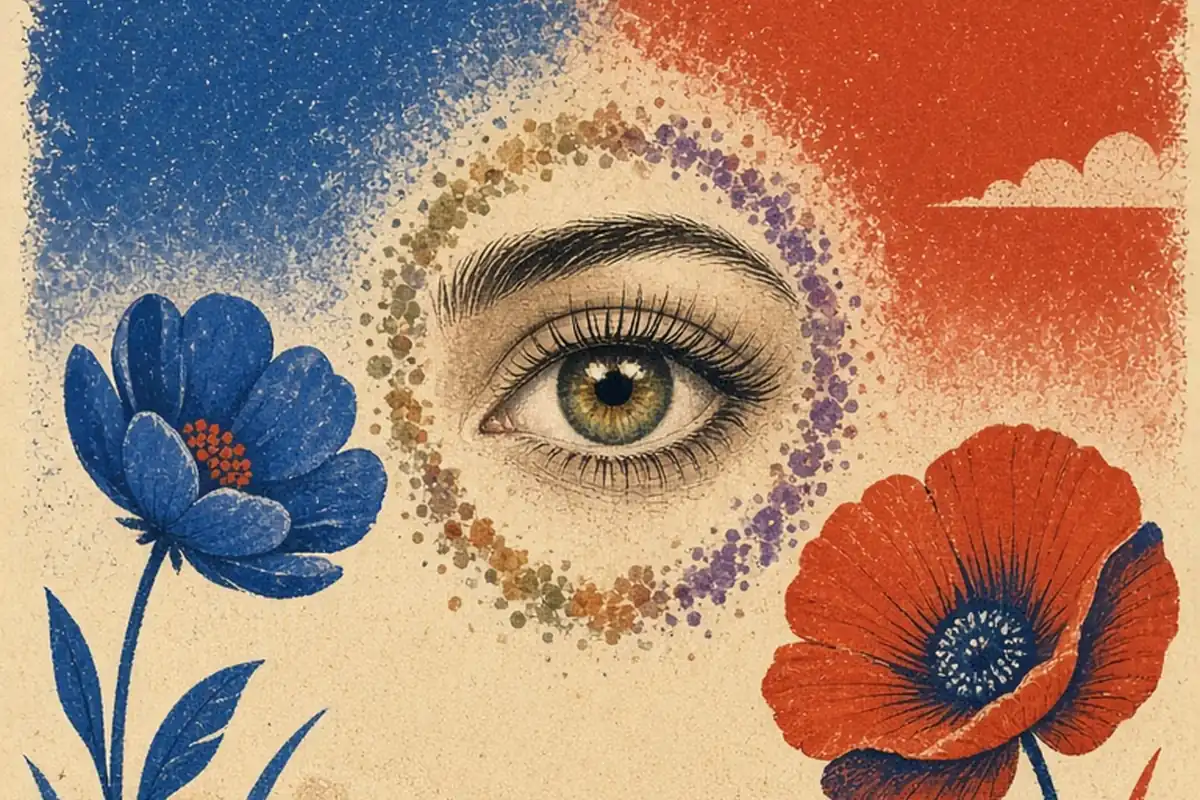
The best eye makeup colors for hazel eyes depend on which undertone you want to accentuate. Warm metallics like gold, bronze, and copper draw out amber and honey flecks, while plum, eggplant, and violet create high-contrast definition that makes green tones pop. For everyday wear, warm taupes, rich chocolate browns, and olive green eyeshadows harmonize naturally with the iris without overpowering its multidimensional color.
Because hazel eyes contain a dynamic blend of green, gold, and brown pigments, their appearance shifts noticeably depending on lighting, clothing, and surrounding cosmetics. Choosing complementary makeup shades allows you to intentionally emphasize specific flecks in your iris rather than obscuring its natural complexity.
Warm Metallics to Bring Out Amber and Gold Flecks
Warm metallic eyeshadows are among the most reliable choices for hazel eyes because they directly mirror the light-reflecting amber and yellow pigments scattered through the iris. When you sweep shades like warm copper, antique bronze, or pale gold across the eyelids, the metallic finish catches ambient light and visually pulls those golden flecks forward. This effect creates an illuminated, multidimensional look that feels radiant rather than overly dramatic.
To apply this look effectively, start with a neutral cream base over the eyelid to prevent creasing and ensure true color payoff. Press a medium bronze or warm copper powder across the mobile lid using a flat shader brush, then blend a softer honey-gold shimmer onto the center of the lid and the inner tearduct. For subtle definition, sweep a warm terracotta or matte saddle brown through the crease to frame the shimmer.
Keep in mind that high-shimmer metallic finishes can draw attention to texture or fine lines along the brow bone and outer corners. If you prefer a smoother appearance on mature or textured lids, opt for fine satin finishes or warm matte bronzers on the crease and outer corner, reserving high-sparkle pigment strictly for a small dot on the center of the lid.
Purple and Plum Shades to Intensify Green Undertones
On the traditional color wheel, red and purple hues sit opposite green, making them ideal for creating visual contrast against hazel eyes. Applying shades with berry, violet, or aubergine undertones provides a sharp contrast that makes the subtle green rings and flecks in hazel irises stand out distinctly. The effect is particularly striking in evening settings or under soft indoor lighting.
When working with purple cosmetics, varying the depth and saturation helps keep the application wearable. Deep eggplant and blackened plum work well as smudged liner shades along the upper and lower lash lines. For an all-over shadow look, softer tones like dusty mauve, amethyst, and lilac offer flattering definition through the crease without overwhelming daytime makeup.
A common trade-off with red-based purples and berries is that they can inadvertently emphasize redness in tired eyes or irritated eyelids. To avoid a fatigued look, keep the reddish pigment away from the inner waterline, pair purple shadows with a clean black-brown mascara to separate the eyelid from the sclera, and ensure the under-eye area is evenly concealed.
Earthy Neutrals and Warm Browns for Everyday Definition
For daily wear, professional environments, or minimal makeup routines, warm-leaning neutral shades provide structure without drawing focus away from the eye itself. Earthy tones such as camel, warm taupe, soft cocoa, and rich espresso complement both the brown core and the outer green perimeter of hazel eyes. These shades add depth and dimension while maintaining a clean, balanced appearance.
A straightforward everyday routine involves applying a wash of warm beige or matte bone across the entire eyelid, followed by blending a medium warm taupe or caramel through the crease to carve out dimension. Deepening the outer third of the lid with a matte chocolate brown builds soft contrast that frames the eye naturally.
While cool-toned grays and stark silver shadows might seem like classic neutrals, they can sometimes make hazel eyes appear muted or flat because they lack the warmth needed to interact with the iris's gold and green flecks. If you prefer cool-leaning palettes, choose neutral-cool taupes that retain a hint of brown rather than true slate grays.
Olive and Forest Greens for a Harmonious Monochromatic Look
While contrasting shades like purple create vivid pop, harmonious shades like green produce an elegant, cohesive aesthetic. Deep olive, moss, and forest green eyeshadows align closely with the green undertones present in hazel eyes, creating a monochromatic effect that enhances the natural depth of the iris.
To keep green tones from blending into the eye color entirely, choose olive shades that carry gold micro-shimmer or pair a matte forest green with warm brown transition colors. Smudging a rich olive gel pencil along the lower lash line and pairing it with a warm champagne wash across the lid adds color interest while preserving clarity and brightness.
Avoid neon greens, lime tones, or stark mint pastels, as these saturated hues tend to compete with the muted, complex green shades found naturally in human irises. Sticking to earthy, muted greens ensures the makeup complements rather than overpowers your natural eye color.
Selecting Flattering Eyeliners and Mascaras
Eyeliner and mascara anchor any eye makeup look, and shifting away from standard jet black can dramatically change how hazel eyes read. While stark black provides dramatic graphic contrast, softer alternatives often let the multiple colors in hazel irises take center stage. Rich espresso, deep plum, and metallic bronze eyeliners offer definition while gently highlighting specific pigment rings in the iris.
To introduce color subtly, try tightlining the upper waterline with an espresso or black-brown pencil to thicken the lash base, then smudging a waterproof plum or copper liner along the outer half of the lower lash line. Deep burgundy or rich brown mascaras provide softer lash definition that flatters fair to medium complexions, while classic black-brown delivers fullness without harsh lines.
If you prefer liquid eyeliner with a sharp wing, a satin dark brown or blackened plum formula provides the same clean structure as classic black while offering a softer, more integrated look against hazel eyes.
Tailoring Makeup Choices to Your Dominant Hazel Subtype
Hazel eyes fall along a broad spectrum, with some appearing primarily green, others leaning golden-brown, and some featuring distinct central heterochromia where a brown ring surrounds the pupil inside a green field. Tailoring your product choices to your dominant subtype produces the most precise results.
Adjusting your shades based on your primary iris tone allows for targeted enhancement across different lighting conditions:
For green-dominant hazel eyes, prioritize dusty rose, cranberry, warm mauve, and copper tones to emphasize the green perimeter.
For brown-dominant hazel eyes, reach for warm bronze, amber, deep chocolate, and rich teal accents to brighten the golden-brown base.
For central heterochromia with distinct dual rings, combine a neutral taupe crease with a smudged plum liner to simultaneously showcase the brown center and green outer ring.
Remember that ambient light influences how your eye color reads throughout the day. Direct sunlight often illuminates the gold and green flecks, making subtle neutrals pop, while dim indoor lighting tends to deepen the brown base, where jewel tones like plum and bronze offer greater visibility.
- For green-dominant hazel eyes, prioritize dusty rose, cranberry, warm mauve, and copper tones to emphasize the green perimeter.
- For brown-dominant hazel eyes, reach for warm bronze, amber, deep chocolate, and rich teal accents to brighten the golden-brown base.
- For central heterochromia with distinct dual rings, combine a neutral taupe crease with a smudged plum liner to simultaneously showcase the brown center and green outer ring.
A Step-by-Step Color Application Routine
Creating a balanced makeup look for hazel eyes relies on thoughtful placement and gradual blending. Begin by applying a lightweight eyeshadow primer across the entire lid and brow bone, lightly setting it with a translucent powder or neutral skin-toned shadow to create a smooth surface for blending.
Next, use a fluffy blending brush to sweep a warm transition shade—such as soft peach, camel, or warm taupe—into the crease and slightly above it. Using a flat brush, press your chosen focal color, like a luminous bronze or soft mauve satin, over the mobile lid from the inner corner to the outer corner. Deepen the outer V with a matte espresso or deep plum using a smaller, tapered brush, blending inward toward the center to create depth.
Finish the application by tracing your upper lash line with a deep brown or plum pencil, softening the edge with a smudger brush. Sweep a touch of champagne or pale gold onto the inner tearduct to open up the eye area, and apply two coats of dark brown or black mascara to the top and bottom lashes.
Frequently asked questions
Can I wear blue eyeshadow if I have hazel eyes?
Yes, but shade selection matters. Deep navy and muted slate blue eyeliner or shadow can make warm hazel flecks stand out, whereas pale pastel blue can sometimes wash out the natural depth of hazel eyes.
What is the best everyday eyeshadow palette for hazel eyes?
A versatile palette containing warm neutrals like camel, warm taupe, and espresso, alongside a few warm metallics like bronze and a muted plum or mauve, provides the most flexibility for daily wear.
Does silver eyeshadow suit hazel eyes?
True silver can look cool and stark against the warm green and gold tones in hazel eyes. If you want a silvery metallic look, opt for a warm pewter or platinum that contains a balance of gold and gray undertones.
How do I make my hazel eyes look greener?
To emphasize green tones, choose eye makeup with purple, berry, burgundy, or rose gold undertones. Applying a deep plum liner along your lash line creates immediate color contrast that pulls out the green.
Your next step
To start enhancing your hazel eyes, select one warm metallic shadow for daytime or a deep plum eyeliner for evening wear, and observe which undertones in your iris become most prominent.