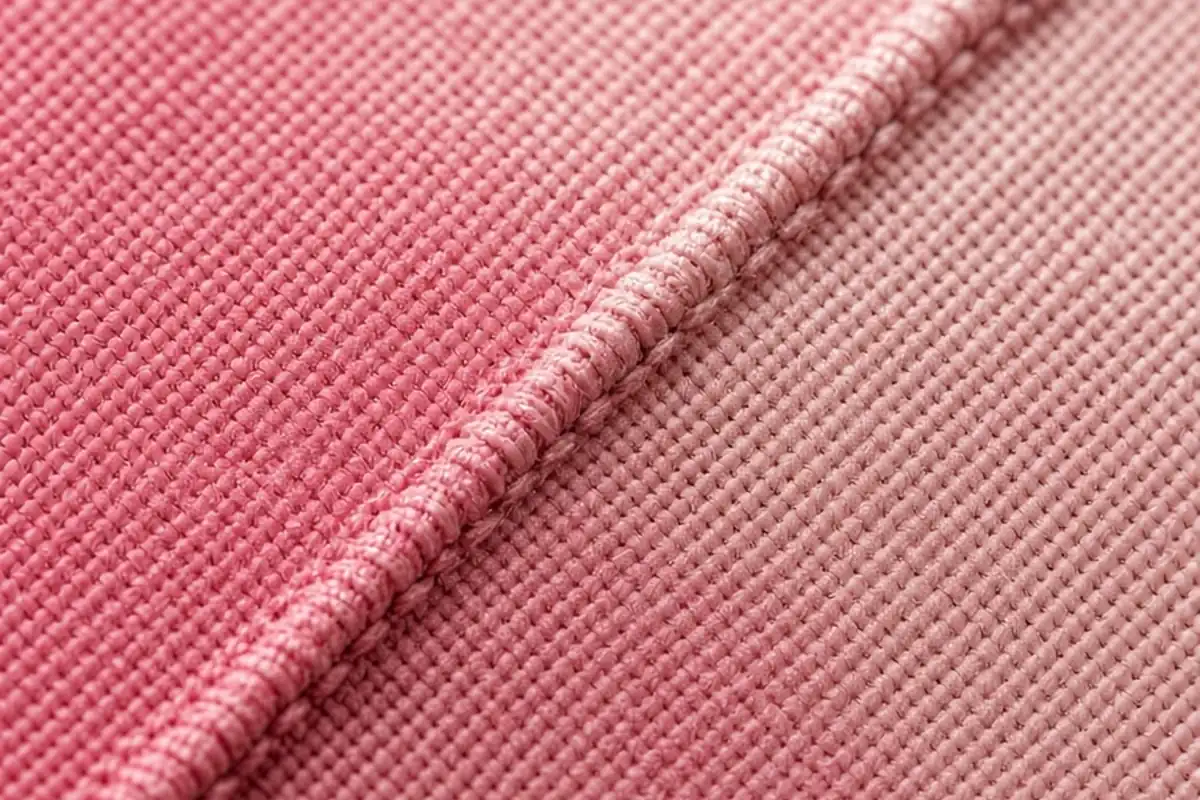
The best lipstick color for a pink dress depends on the dress undertone and intensity. Neutral nude, rosewood, and soft berry shades suit almost any pink gown. For baby pink or blush, try peach-nude or soft rosy-pink. For hot pink, fuchsia, or magenta, pair the dress with a muted mauve, deep berry, or crisp neutral red to maintain balance.
Choosing a complementary lip color involves balancing the saturation of your dress with your natural complexion and overall makeup style. Rather than forcing an exact shade match, the goal is to create intentional harmony across your entire look.
Evaluating Dress Undertones: Cool, Warm, and Neutral Pinks
Pink is not a single color but a vast spectrum ranging from icy pastels to fiery corals. Determining whether your dress leans cool, warm, or neutral is the most reliable first step in narrowing down your lipstick options. Cool pinks, such as magenta, bubblegum, and fuchsia, contain blue or violet undertones. Warm pinks, including salmon, peach-pink, guava, and coral-rose, feature yellow, orange, or golden undertones. Neutral pinks, such as dusty rose and antique mauve, sit comfortably in the middle without pulling distinctly warm or cool.
When your lip color shares the undertone family of your dress, the overall outfit appears cohesive and well-styled. For instance, pairing a cool fuchsia dress with a warm orange-toned peach lipstick can create visual tension that makes both colors fight for attention. Conversely, applying a cool berry, blue-based pink, or balanced neutral nude alongside that fuchsia creates an instant, flattering connection. If you are unsure of the undertone, hold the fabric near a sheet of bright white paper under natural daylight to observe whether the pink radiates cool blue or warm yellow warmth.
While undertone harmony is a helpful guideline, you do not need to follow it strictly in every scenario. Deliberate contrast can look high-fashion when executed with intention, such as wearing a warm brick-nude lipstick with a cool blush dress. The key is to ensure the contrast looks considered rather than accidental by keeping your blush and eye makeup aligned with your chosen lip direction.
Pairing Lipsticks with Soft Blush, Powder, and Pastel Pinks
Soft pink dresses, including blush, ballet slipper, and pale powder pink, offer a delicate and romantic canvas. Because pastel fabrics reflect a lot of light, wearing a lipstick that is too pale or chalky can wash out your complexion, leaving your features looking flat in photographs. The secret to styling pale pink is introducing enough depth on the lips to define your mouth without overpowering the softness of the gown.
For daytime events such as garden weddings or brunches, warm rosy-nudes, soft terracotta creams, and spiced peach tones add healthy warmth to your skin. If your dress is a cool-toned baby pink, a sheer raspberry tint or a satin rosebud lipstick will bring life to your face while echoing the dress's subtle sweetness. These middle-tone neutrals provide enough contrast against pale fabric without drawing sharp, distracting lines.
For formal evening events in a blush gown, you can pivot toward high-contrast elegance. A deep plum, wine, or muted burgundy lipstick transforms a soft pastel dress into a dramatic, modern statement. When choosing a dark lip with a light dress, keep the eye makeup clean and refined—such as simple winged eyeliner and softly defined lashes—so the focal point remains balanced.
Choosing Shades for Hot Pink, Fuchsia, and Magenta Gowns
Vibrant pink dresses demand thoughtful cosmetic balance because their high saturation naturally commands the room. When styling a hot pink, neon rose, or deep magenta dress, you have two primary styling avenues: complete the look with an intentional monochromatic statement, or ground the boldness using an understated neutral.
If you prefer a vibrant, monochromatic statement, select a lipstick that shares the intensity of the dress. A rich berry, deep fuchsia, or bold magenta lipstick creates an editorial, head-to-toe color moment. To keep this approach sophisticated rather than overwhelming, ensure the lipstick has depth—such as a velvety matte or rich satin finish—and keep your cheek color subtle and sheer.
If you want the dress to remain the sole centerpiece, reach for a grounding neutral. A warm caramel-nude, muted rosy-brown, or soft mauve-beige anchors the visual weight of your face without competing with the neon or fuchsia fabric. Avoid pale concealer-style nudes, which look disjointed against saturated colors; instead, pick a nude shade that matches or slightly deepens your natural lip tone.
Wearing Red Lipstick with a Pink Dress
An outdated fashion rule suggested that pink and red should never be worn together. Modern color blocking has thoroughly disproven this myth, showing that pairing red lipstick with a pink dress is one of the most striking combinations available. The success of this pairing depends on matching the undertones and saturation levels of both shades.
When wearing a cool-toned pink or fuchsia dress, a crisp blue-red lipstick creates a punchy, glamorous aesthetic reminiscent of vintage runway styling. If your dress is a warm coral-pink or peach-toned rose, an orange-red, poppy, or warm crimson lipstick produces a summery, high-energy finish. For muted pinks like dusty rose, a brick-red or burnt-cherry lipstick offers a grounded, vintage-inspired pairing.
Because combining pink and red creates an inherently bold color dynamic, the rest of your makeup should remain relatively quiet. Stick to groomed brows, fresh skin, and minimal neutral eye shadows. Allowing the lips and dress to carry the color story prevents the overall aesthetic from feeling cluttered.
Factoring In Your Complexion and Natural Lip Pigment
A lipstick swatch looks noticeably different on the lips than it does in the tube because your natural lip pigmentation and skin overtone interact with the formula. Fair complexions often look radiant in soft petals, nude-pinks, and bright blue-reds, whereas very dark, chalky browns can appear harsh. Medium and olive skin tones excel in rich terracottas, warm mauves, spiced berries, and golden-rose shades that bring out the warmth in the skin.
Deep complexions carry bold, highly pigmented lipsticks effortlessly alongside pink dresses. Deep berry, rich blackberry, chocolate brown, copper, and vivid magenta tones create stunning contrast and definition against deep skin tones. When wearing a pale pink dress on deep skin, a brown lip liner paired with a rosy-brown or caramel-gloss center creates a seamless gradient that ties the makeup to the outfit.
Lip liner is an indispensable tool for bridging your natural lip shade, your skin tone, and your dress color. Defining the outer perimeter with a lip pencil that mirrors your natural lip line allows you to wear softer or brighter shades inside the lip without creating an abrupt edge against your foundation.
Matching Lip Textures to Fabric Finishes
Beyond color, the texture and finish of your lipstick should interact smoothly with the material of your dress. High-shine fabrics, textured textiles, and fluid drapes reflect light differently, and mirroring or contrasting these textures with your makeup elevates the overall presentation.
If your dress is made from a glossy or light-reflective fabric like satin, silk, or sequins, a soft matte or velvet lip texture creates a balanced, refined finish. Matte formulas absorb light, preventing your face and dress from competing in high-glare environments or flash photography. Conversely, if your dress is crafted from a matte textile like linen, crepe, or heavy cotton, a hydrating cream lipstick or a lustrous lip gloss adds dimension and freshness to the overall look.
Consider also the sheer versus opaque balance of your outfit. A floaty, sheer chiffon gown pairs beautifully with a stained, blotted-lip effect or a tinted balm, reinforcing an airy, effortless mood. In contrast, a structured, tailored pink blazer dress or architectural evening gown calls for a crisp, opaque lipstick application with a clean, defined lip line.
Adapting Your Lip Choice to Occasion and Lighting
The setting and lighting of your event heavily influence how colors read in real life and in photos. Outdoor daytime gatherings bathed in natural sunlight favor lighter textures, dewy formulas, and soft, natural tones. Heavy, dark lipsticks can occasionally look stark under bright midday sun, whereas peach-nudes, soft coral tints, and rosy glosses look vibrant and fresh.
Indoor evening venues with dimmed, warm lighting tend to wash out subtle makeup. In low-light environments, soft pastel nudes can disappear entirely, making your face appear underexposed relative to your dress. Evening settings are the ideal time to opt for deeper berries, rich reds, or pigmented mauve creams with long-wearing formulas that hold up through dining and conversation.
Always test your lipstick with your complete outfit under the specific lighting conditions you anticipate encountering. Snapping a quick test photo with and without flash helps you verify whether the lip color provides sufficient definition against the pink fabric.
Frequently asked questions
Can I wear pink lipstick with a pink dress?
Yes, wearing pink lipstick with a pink dress creates a chic monochromatic look. To ensure it looks intentional, choose a lipstick that is either slightly deeper or slightly more muted than the dress, rather than trying to match the exact fabric shade.
What color lipstick goes best with a dusty rose dress?
Dusty rose pairs exceptionally well with muted mauve, warm rosy-brown, deep berry, or soft spiced-nude lipsticks. These tones share the dress's subdued, neutral quality without washing out your complexion.
Should my blush match my lipstick when wearing a pink dress?
Your blush does not need to be an exact match, but it should share the same undertone family as your lipstick. Pairing a cool pink blush with a warm peach lipstick can create visual clash, while keeping both products in either warm, cool, or neutral territory ensures a balanced face.
What is the safest universal lipstick shade for any pink dress?
A neutral rosewood or rosy-nude shade with balanced undertones is the most versatile option. It provides natural depth and color definition that complements pale blush, medium rose, and bright fuchsia dresses alike.
Your next step
Inspect your pink dress under natural daylight to determine whether its undertone is cool, warm, or neutral, then select a rosewood, nude, berry, or red lipstick that shares that undertone family.