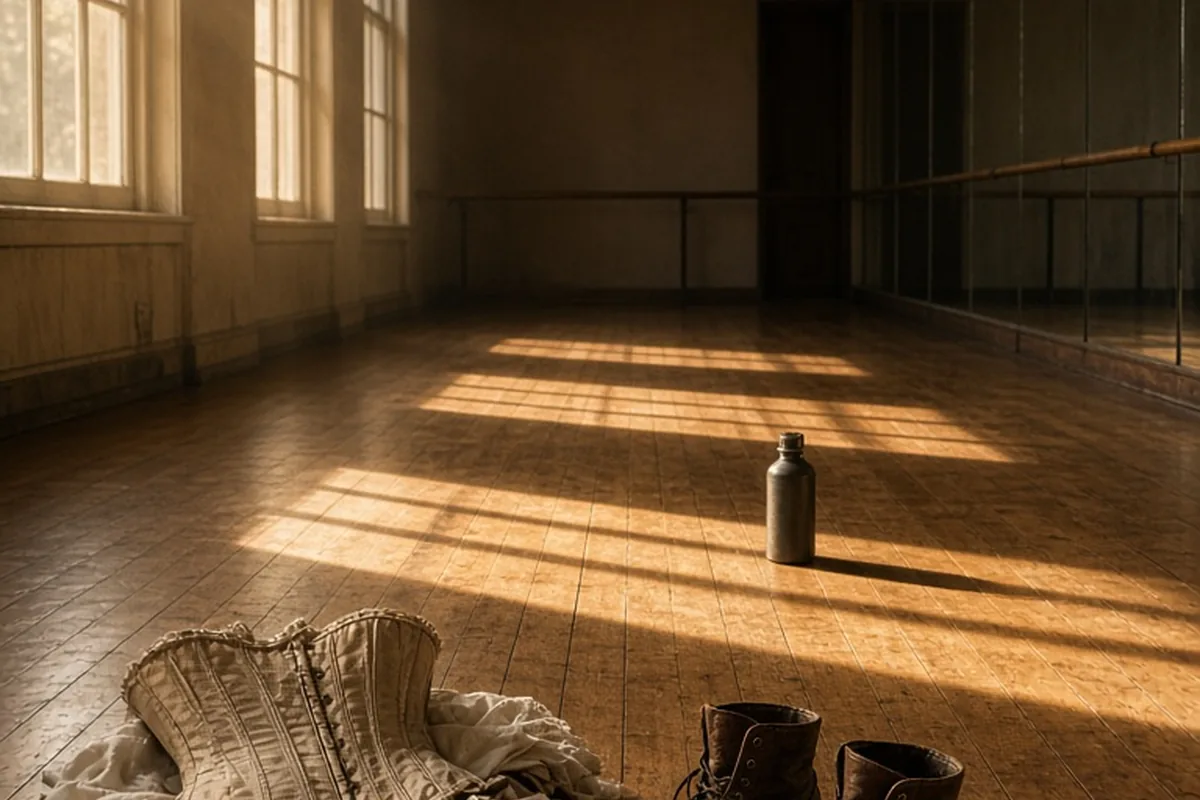
In the 1800s, women wore several structural and protective undergarment layers under their dresses. The base layer was a washable linen or cotton chemise and drawers, followed by a supportive corset or stays. Over the corset, women wore petticoats, hoop skirts like the crinoline, or wire bustles to shape the skirt, topped with an under-bodice or corset cover to protect the outer gown from friction and wear.
Nineteenth-century women's fashion relied on complex engineering beneath the surface, where multiple layers of undergarments transformed daily posture, silhouette, and physical comfort across rapidly shifting eras.
The Chemise and Drawers as the Primary Hygiene Layer
The first garment a nineteenth-century woman put on each morning was the chemise, also known as a shift. Typically cut from plain white linen or lightweight cotton, this simple, loose-fitting tunic fell from the shoulders to roughly the knees or mid-calf. Because outer gowns made of rich silks, heavy woolens, or printed velvets were extremely difficult and costly to wash, the chemise acted as an indispensable barrier between bodily oils, sweat, and expensive exterior fabrics. It absorbed moisture and could withstand rigorous scrubbing in boiling water and lye, preserving the longevity of the entire wardrobe.
Accompanying the chemise were drawers, which became standard attire for women as the century progressed. Unlike modern closed underpants, nineteenth-century drawers featured an open crotch seam held together at the waist with ties or buttons. This open construction was a practical necessity rather than an oversight. With heavy steel cages, multiple petticoats, and tight corsetry fastened above the hips, undressing to use a chamber pot or water closet was physically impossible; the split design allowed women to attend to bodily needs without removing any outer garments.
Stays and Corsets for Torso Support and Silhouette
Directly over the chemise sat the corset, or stays as they were often called in the early decades of the century. Far from the modern misconception that corsets were worn directly against bare skin, they always rested over the washable base layer to prevent chafing and to keep the stiff structural elements clean. Early Regency-era stays focused on gently supporting the bust and maintaining an upright spine, creating the high-waisted, column-like silhouette inspired by classical antiquity. Stiffened with cording, wood, or baleen, these early foundations emphasized natural posture rather than waist compression.
As the century moved into the mid-Victorian decades, corsetry evolved into an hourglass framework reinforced with flexible sprung steel and sturdy busks down the front. The garment did not merely narrow the waist; it redistributed weight, supported heavy outer skirts, and provided upper-body stability during long hours of standing or walking. While extreme tight-lacing occurred among a fashion-focused minority, the everyday woman wore a reasonably fitted corset that functioned much like a modern ergonomic back brace and supportive underwire bra combined.
Petticoats for Insulation and Shape Foundation
Petticoats served as the primary means of skirt shaping and thermal protection throughout the 1800s. In the 1830s and 1840s, before mechanical skirt supports became widespread, a woman might wear anywhere from three to six petticoats at once to achieve the desired bell-shaped skirt volume. The layer closest to the body was typically made of soft cotton, flannel, or quilted wool for warmth, while outer petticoats were constructed from stiff horsehair-woven cloth, known as crinoline fabric, or heavily starched linen.
Managing multiple fabric petticoats came with distinct trade-offs in weight and mobility. Several layers of gathered wool and stiff cotton could weigh upwards of ten to fifteen pounds, hanging entirely from the waist and tiring the wearer over the course of a day. Additionally, in rainy or muddy weather, the lowest hem easily dragged in dirt, requiring substantial daily labor to clean, starch, and iron. Despite these demands, petticoats remained an essential cultural standard of modesty, ensuring that legs remained completely invisible under light or shifting fabrics.
The Cage Crinoline and Mid-Century Skirt Architecture
In 1856, the introduction of the patented cage crinoline revolutionized women's undergarments by replacing heavy, suffocating petticoat stacks with a lightweight steel hoop skeleton. Flexible spring-steel bands graduated in size from the waist down to the hem, held together by vertical fabric tapes. This skeletal frame suspended enormous, dramatic skirt proportions with minimal weight, allowing air to circulate freely around the legs and granting unprecedented freedom of movement beneath wide dome skirts.
Despite its practical weight advantages, the cage crinoline introduced new environmental hazards. The broad circumference of the hoops made navigating tight doorways, crowded carriages, and narrow staircases challenging. Gusts of wind could tilt the light steel frame upward, requiring modest under-petticoats to prevent accidental exposure. More critically, the wide perimeter increased the risk of brushing against open fireplace hearths, sparking historical safety debates and leading to innovations in flame-resistant fabric treatments toward the end of the 1860s.
The Bustle Era and Rear-Focused Structural Evolution
By the late 1860s and early 1870s, the full dome shape collapsed inward at the front and sides, concentrating all skirt volume toward the back. To support this dramatic new aesthetic, women adopted the bustle, known historically as a tourneur or dress improver. Early bustles were constructed from horsehair-filled pads, wire mesh domes, or collapsible steel half-cages tied securely around the waist. These structures extended outward horizontally from the lower spine, supporting yards of heavy drapery, pleats, and decorative ribbons without dragging the waist down.
The bustle went through distinct developmental phases, briefly disappearing in the late 1870s in favor of sleek, clinging natural-form lines, only to return with rigid, shelf-like severity during the mid-1880s. These later wire structures were engineered with internal tension springs that allowed the wearer to sit down without crushing the frame permanently. When rising, the springs pushed the bustle back into its pronounced shelf position, proving that undergarments of the era functioned as dynamic mechanical systems tailored to everyday posture.
Corset Covers and Modesty Under-Bodices
The final layer before putting on the outer dress was the corset cover, or camisole. This sleeveless or short-sleeved cotton garment buttoned down the front and sat directly over the corset bones and metal busk. Its primary function was to smooth out the hard ridges of the corset boning, preventing them from wearing holes through fine dress fabrics like taffeta, satin, or lawn. It also provided an extra layer of modesty, concealing the dark or functional materials of the corset beneath semi-sheer summer gowns.
In colder seasons or for women working in drafty homes, the corset cover was replaced or supplemented by knitted wool under-bodices and flannel vests. These specialized garments added warmth directly across the chest and torso without adding bulk to the arms, allowing fitted sleeves to drape cleanly. By carefully choosing the weight and composition of these upper layers, women adjusted their comfort across fluctuating indoor and outdoor temperatures while maintaining an immaculate external appearance.
Socks, Stockings, and Garters
No historical undergarment ensemble was complete without proper legwear, which fulfilled both functional and hygienic duties. Women wore knee-high or thigh-high stockings made from knitted cotton, linen, or fine silk for warm weather, and heavy ribbed wool for winter months. Because modern synthetic elastic was not yet invented, stockings were secured in place using woven fabric ribbons, buckled leather straps, or knitted garter bands tied firmly just above or below the knee.
Toward the latter part of the nineteenth century, suspender garters attached directly to the base of the corset began replacing individual knee ties. This development reduced the risk of restricted blood circulation in the calves and kept stockings taut throughout a full day of activity. Together with sturdy lace-up or button-up leather boots, the entire lower foundation ensured protection against cold floors, street dirt, and continuous daily friction.
Illustrative Scenarios
Navigating Historical Wardrobe Expectations for a Creative Project
Julian and Clara were preparing costumes for a living-history theatrical production. Clara initially assumed that dressing in authentic 1850s garments would mean tight-lacing a corset directly over bare skin and enduring miserable physical restriction. Julian worried that insisting on complete historical layers would slow down the cast and cause unnecessary frustration during long rehearsal days. Instead of relying on dramatic stereotypes from period films, they consulted historical dressmaking patterns and assembled the proper base layers: loose linen shifts, split drawers, and a correctly fitted corset that distributed structural support evenly. Clara found the ensemble comfortable and supportive for six hours on stage, while Julian observed that the authentic silhouette made the outer dresses drape naturally without constant readjustment.
Key point: Understanding how functional layers interact prevents misplaced assumptions and leads to better practical decisions in any detailed creative endeavor.
Frequently asked questions
How did women in the 1800s use the bathroom with all those undergarments?
Women wore split-crotch drawers that remained open at the center seam, eliminating the need to take off heavy layers. They simply lifted their outer skirts and petticoats while using a chamber pot or toilet, leaving the corset and foundations fastened.
Did women wear their corsets directly against their bare skin?
No, corsets were never worn against bare skin. A cotton or linen chemise was always worn underneath to protect the skin from friction and to keep sweat from damaging the unlined corset.
How long did it take to put on all these undergarment layers each day?
For an everyday working woman, dressing in a shift, stays, drawers, stockings, and petticoats took approximately ten to fifteen minutes. Elaborate formal wear with intricate back-lacing or layered crinolines could take longer and often required the assistance of a family member or maid.
Your next step
To explore historical dress construction further, examine surviving 19th-century garments in local museum textile collections or review authentic sewing manuals to observe exact stitch lines and fabric weights.