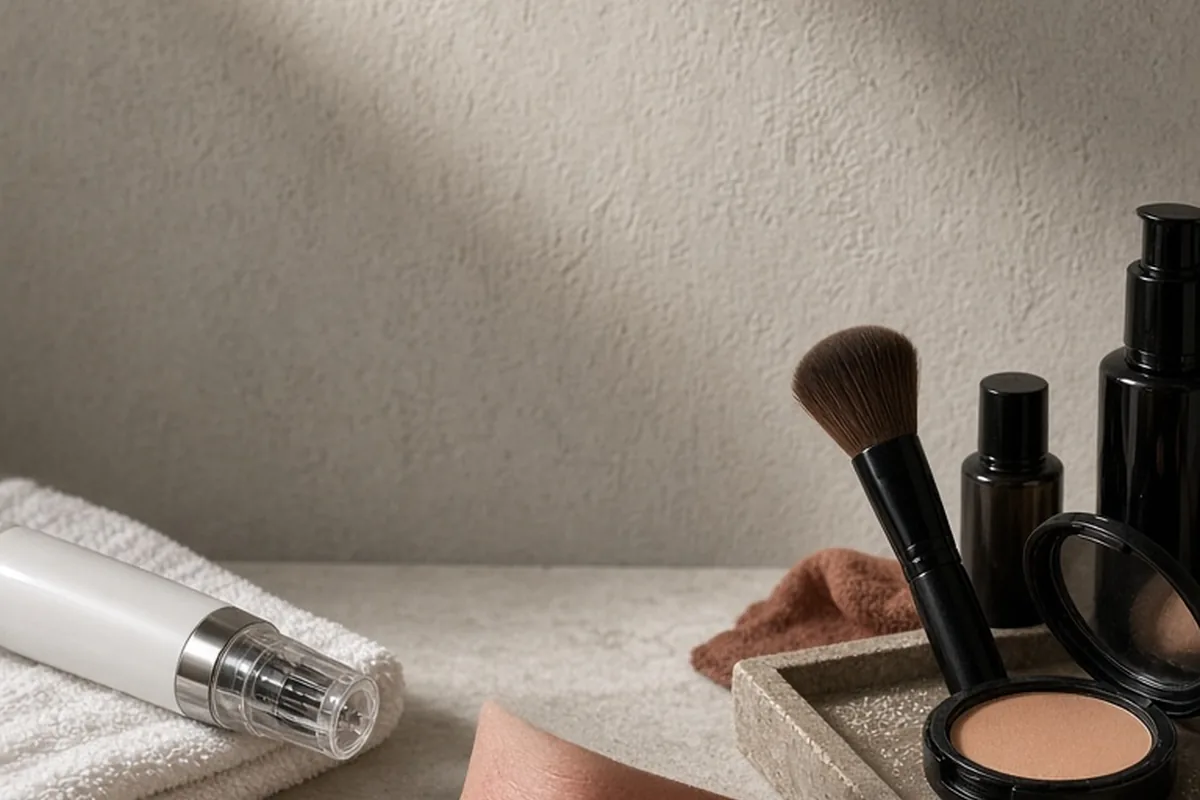
Wearing makeup immediately after microneedling can push cosmetic pigments, preservatives, and bacteria deep into thousands of open micro-channels in your skin. This interruption to the healing process commonly triggers acute contact dermatitis, severe inflammation, clogged pores, and potential bacterial infections. Most skincare professionals advise waiting at least twenty-four to forty-eight hours before applying cosmetic formulas to ensure your skin barrier has adequately closed.
Microneedling creates controlled micro-punctures in the epidermis to stimulate collagen synthesis and cellular turnover. While this minimally invasive procedure delivers noticeable texture and tone improvements over time, it temporarily dismantles your skin's primary defensive barrier, making the tissue unusually vulnerable to external substances.
The Biological Barrier: How Micro-Channels Interact with Cosmetics
Under ordinary conditions, the stratum corneum serves as an impermeable shield that prevents environmental debris, cosmetic ingredients, and microbes from penetrating into deeper tissue layers. During a professional microneedling session, fine surgical-grade needles penetrate this outer layer hundreds of times per second, leaving microscopic channels directly into the viable epidermis and upper dermis. These channels remain open for hours after the procedure concludes, significantly enhancing the absorption rate of anything placed onto the skin surface.
Traditional cosmetic formulations are engineered strictly for topical adhesion on intact skin, not for intradermal delivery. When conventional foundations, concealers, or powders are applied over freshly punctured tissue, synthetic colorants, emulsifiers, binders, and chemical preservatives bypass the normal filtration of the stratum corneum. Once these foreign particles enter the sub-epidermal layers, the immune system often identifies them as threatening invaders, triggering localized granulomatous reactions, stubborn inflammation, or pigment entrapment beneath the surface.
The trade-off of heightened skin permeability is that while therapeutic serums like pure hyaluronic acid absorb exceptionally well, undesirable compounds penetrate with equal efficiency. Even products labeled as gentle or clean contain stabilizing agents intended solely for surface-level wear. Allowing these compounds to settle into active micro-wounds compromises the aesthetic outcome of the treatment and disrupts cellular regeneration at a critical phase.
Immediate Complications: Irritation, Clogged Pores, and Infection
Applying makeup within the initial post-treatment window exposes healing tissue to active bacterial colonization. Cosmetic tools such as sponges, beauty blenders, foundation brushes, and even product compacts harbor significant amounts of airborne bacteria, sebum residues, and dead skin cells. Transferring these microorganisms onto open micro-punctures creates a prime environment for bacterial folliculitis, impetigo, or localized staph infections, which can turn mild post-treatment pinkness into painful, pustular eruptions.
Aside from microbial risks, cosmetic pigments and heavy emollients readily lodge inside the micro-channels, creating immediate blockages. As the skin works rapidly to shed damaged cells and construct new tissue, trapped cosmetic residues interfere with natural desquamation. This frequently manifests as an aggressive outbreak of milia, tiny inflammatory papules, or widespread comedones within three to five days following the appointment.
Severe contact dermatitis is another frequent consequence of premature cosmetic use. Healing skin is hyper-reactive; fragrances, preservatives like parabens or phenoxyethanol, and chemical sunscreens present in makeup bases can cause widespread swelling, burning sensations, prolonged erythema, and flaking. Rather than enjoying the subtle glow of rejuvenated skin, individuals who apply makeup prematurely often spend the subsequent week managing avoidable allergic or inflammatory reactions.
The Recommended Timeline for Resuming Your Makeup Routine
A structured timeline ensures the epidermal barrier has sufficient time to re-epithelialize before encountering cosmetic formulations. The first twenty-four hours represent the critical closure phase where the skin must remain completely bare of conventional makeup, standard tinted products, and heavy occlusives. During this period, the skin should only contact sterile saline, gentle water rinses, and practitioner-approved post-procedure hydrators designed specifically for open barriers.
Between twenty-four and forty-eight hours, the micro-channels have predominantly sealed, but the newly formed tissue remains delicate and easily irritated. If social or professional obligations necessitate cosmetic coverage during this window, choose a sterilized, breathable mineral foundation free of talc, synthetic fragrances, and oils. Liquid foundations should still be avoided, as their higher water and emulsifier content elevates the risk of chemical irritation and bacterial proliferation.
By seventy-two hours post-procedure, most individuals can cautiously reintroduce their standard makeup products, provided their skin no longer exhibits intense redness, peeling, or tenderness. However, individuals receiving deeper medical-grade treatments with longer needle depths may need to extend this timeline to four or five days. It is always safer to prioritize skin barrier recovery over immediate cosmetic camouflage.
Accidental Application: Steps to Take if You Applied Makeup Too Soon
If you applied makeup shortly after your microneedling treatment without realizing the associated risks, avoid panicking, but act deliberately to minimize prolonged exposure. Do not aggressively scrub the skin or reach for harsh cleansing oils, exfoliating washes, foaming cleansers, or cleansing brushes. Intense physical friction will only drive cosmetic particles deeper into the micro-channels while further abrading the compromised epidermis.
Instead, wash your hands thoroughly with antibacterial soap, then gently rinse your face with lukewarm water and a bland, fragrance-free, non-foaming post-procedure cleanser. Use your fingertips with light, circular motions to lift the makeup from the surface. Pat your skin dry using a clean, single-use paper towel rather than a shared bath towel that may harbor household bacteria. Follow immediately with a sterile hydrating serum or a recommended barrier-repair cream.
Monitor your skin closely over the next forty-eight hours for atypical reactions. Normal post-microneedling recovery involves mild redness and a sensation similar to a light sunburn. If you notice increasing pain, localized heat, yellow crusting, cluster pustules, or swelling that worsens after twenty-four hours, contact your treatment provider promptly for professional guidance and possible topical or oral intervention.
Selecting Safer Cosmetic Options for Healing Skin
When the initial healing window has passed and you are ready to resume makeup, the formulation you choose plays a significant role in preventing secondary complications. High-purity, loose-powder mineral cosmetics formulated with zinc oxide, titanium dioxide, and mica offer significant advantages over liquid emulsions. Zinc oxide naturally soothes delicate skin and provides mild physical barrier protection without requiring heavy chemical preservatives.
Tool hygiene is equally critical when returning to cosmetics. Applying even the cleanest mineral formula with an unwashed brush negates the safety of the product. Prior to your appointment, wash all application brushes with an antibacterial brush cleanser and allow them to dry completely, or utilize brand-new, disposable cosmetic applicators for the first several days following your treatment.
Evaluate the trade-offs of tinted aftercare products versus traditional cosmetics. Many clinical skincare lines manufacture tinted post-procedure creams designed specifically to soothe redness while providing sheer coverage. These therapeutic alternatives contain calming peptides and physical sunscreens rather than cosmetic dyes, offering a far safer way to camouflage erythema while your barrier continues to strengthen.
Ingredients to Strictly Avoid in Post-Treatment Cosmetics
Scrutinizing cosmetic ingredient decks is essential before reintroducing products to healing skin. Fragrance, whether listed as synthetic parfum or natural essential oils, is the leading trigger of contact dermatitis on sensitized skin. Botanical extracts like citrus oils, lavender, and peppermint can cause severe burning and post-inflammatory hyperpigmentation when introduced to regenerating epidermal layers.
Chemical sunscreen filters frequently integrated into daily foundations and BB creams, such as avobenzone, octinoxate, and oxybenzone, should be strictly avoided for at least three to five days. These organic filters absorb UV rays through chemical reactions that generate localized heat in the skin, exacerbating inflammation and redness. Instead, ensure any cosmetic sun protection relies entirely on mineral blockers.
Additionally, avoid cosmetic products that boast active anti-aging or blemish-clearing claims within their makeup bases. Ingredients such as salicylic acid, glycolic acid, retinol, and high concentrations of vitamin C should remain absent from your routine until the skin has completely recovered, as premature chemical stimulation can compromise barrier integrity and cause severe peeling.
Building a Barrier-First Skincare Foundation Before Resuming Cosmetics
A smooth, radiant cosmetic application depends entirely on the health of the underlying tissue. Prioritizing a barrier-supportive skincare regimen during the first week ensures that when you do wear makeup, it applies evenly without clinging to dry patches or settling into flaking skin. Hydration should focus on simple humectants such as high-molecular-weight hyaluronic acid and glycerin, which attract moisture without overwhelming the tissue.
Layering these humectants beneath a lightweight ceramide or squalane-based moisturizer helps re-establish the lipid matrix that keeps the outer layer resilient. Applying these nourishing formulas consistently for two to three days before reintroducing heavier makeup products creates a stable foundation, minimizing the likelihood of cosmetic-induced dryness, texture accentuation, or micro-tears during application and removal.
Never skip daily sun protection once the initial twenty-four-hour window has elapsed. Freshly microneedled skin is highly susceptible to UV-induced hyperpigmentation, which can permanently darken treated areas. Applying a pure zinc oxide sunscreen creates a protective physical barrier against both UV radiation and incidental environmental debris before any cosmetic powder is introduced.
Frequently asked questions
Can I use a tinted moisturizer or BB cream instead of foundation after microneedling?
Tinted moisturizers and BB creams should still be avoided for the first 24 to 48 hours unless they are clinical formulations specifically labeled for post-procedure use. Most commercial tinted products contain synthetic dyes, chemical sunscreens, and preservatives that can easily enter open micro-channels and provoke irritation or breakouts.
How should I clean my makeup brushes before using them on healing skin?
Clean your brushes thoroughly using a gentle antibacterial soap or dedicated brush cleanser, rinse them with warm water until the water runs clear, and let them dry flat in a clean area. Ensuring your tools are sanitized prevents old product residues, dead skin, and bacteria from transferring onto your recovering skin barrier.
What are the key signs of an infection versus normal post-procedure redness?
Normal recovery involves uniform pinkness, mild tightness, and slight swelling that improves within 24 to 48 hours. Signs of infection include worsening throbbing pain, localized heat, small yellow pus-filled bumps, spreading inflammation, or honey-colored crusting, which require prompt evaluation by your provider.
Is mineral makeup completely safe to wear after twenty-four hours?
High-purity, loose mineral makeup is generally the safest option once the initial 24-hour mark passes because it lacks heavy oils and synthetic binders. However, ensure the formula is free of bismuth oxychloride and fragrance, and apply it with sanitized tools using a gentle dusting technique rather than buffing aggressively.
Your next step
Inspect your cosmetic collection today to set aside clean, fragrance-free mineral formulas and sanitize your application brushes so your skin remains fully protected when you resume makeup.